

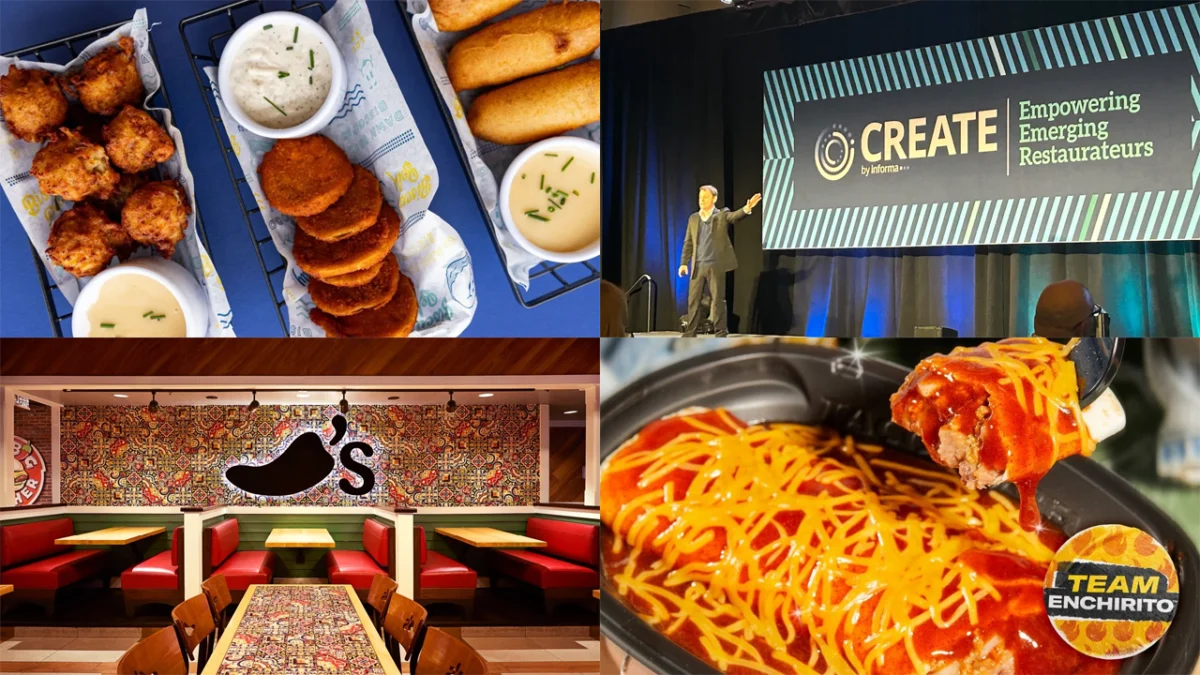
The restaurant industry witnessed a significant consolidation this week as Biscuit Belly, a burgeoning concept headquartered in Louisville, Kentucky, announced its acquisition of Maple Street Biscuit Company. This strategic move, reported as the top story on Nation’s Restaurant News, dramatically expands Biscuit Belly’s footprint, more than tripling its current presence. Maple Street Biscuit Company, previously a subsidiary of the well-established Cracker Barrel Old Country Store, Inc., brings 34 locations into the Biscuit Belly fold. While the financial terms of the transaction remain undisclosed, the acquisition signals a bold growth trajectory for Biscuit Belly and a strategic divestment for Cracker Barrel.
Biscuit Belly’s Strategic Expansion and Maple Street’s Integration
The integration of the 34 Maple Street locations is slated to commence over the next 18 to 24 months. The initial phase of this conversion process is scheduled to begin in key markets, with Cincinnati and Richmond, Virginia, designated as the first to undergo the brand transformation. This phased approach suggests a meticulous plan to ensure a smooth transition for both customers and operational staff. The Biscuit Belly brand, known for its creative takes on classic Southern comfort food, particularly its namesake biscuits, is poised to leverage Maple Street’s established locations and customer base.
Biscuit Belly’s acquisition of Maple Street Biscuit Company represents a pivotal moment in the brand’s relatively short history. Founded in 2018, Biscuit Belly quickly garnered attention for its innovative menu and vibrant atmosphere. The company’s expansion has been characterized by a focused approach to select markets, emphasizing quality and a unique dining experience. The addition of 34 locations instantly elevates Biscuit Belly from a regional player to a national contender in the fast-casual segment, particularly within the growing market for elevated comfort food.
Maple Street Biscuit Company, founded in 2012 by Scott and Laurie Grote, carved out its niche by focusing on fresh, scratch-made biscuits and creative toppings. Its acquisition by Cracker Barrel in 2017 was part of a broader strategy by the family-dining giant to diversify its portfolio and tap into younger demographics. However, the subsequent divestment suggests a potential recalibration of Cracker Barrel’s long-term strategic priorities, particularly in light of recent challenges.
Cracker Barrel’s Strategic Realignment and Performance Update
The divestment of Maple Street Biscuit Company by Cracker Barrel is occurring against a backdrop of the family-dining chain’s own strategic adjustments and recent performance trends. Just under a year ago, Cracker Barrel faced considerable public backlash following the introduction of a new logo. This controversy reportedly impacted sales, leading to a dip in revenue. However, recent updates from the company indicate a period of recovery and a return to growth in key areas.
In a performance update provided earlier this week, Cracker Barrel reported that for the first 11 weeks of the current fiscal quarter, same-store restaurant sales experienced a slight decrease of 2.5% year-over-year. While this figure indicates a continued challenge in the restaurant segment, it is juxtaposed with a positive trend in the company’s retail operations. Same-store retail sales, which include a variety of gift shop items and merchandise, saw a modest increase of 0.5%. This bifurcation in performance highlights the evolving consumer preferences and the importance of a diversified revenue stream for legacy brands like Cracker Barrel.
The decision to sell Maple Street Biscuit Company can be interpreted as a strategic move to streamline Cracker Barrel’s operations and focus on its core brand identity. By divesting a subsidiary that may not have fully aligned with its long-term vision or presented integration challenges, Cracker Barrel can allocate resources and attention more effectively to its flagship restaurants and its evolving retail strategy. This move also allows Cracker Barrel to potentially realize capital from the sale, which can be reinvested in its core business or used to address any financial pressures.
Chili’s Embraces a Revitalized Identity
In parallel to the acquisition news, Chili’s Grill & Bar is embarking on a significant rebranding and renovation initiative aimed at reinforcing its market position and reconnecting with its customer base. The chain is undertaking a comprehensive refresh of its restaurant interiors, a move designed to complement its ongoing three-year comeback campaign. The core objective of these renovations is to "make Chili’s more Chili’s," a sentiment that underscores a desire to re-emphasize the brand’s unique identity and heritage.
The design inspiration for the new look draws heavily from the chain’s history, including its original location in Dallas, Texas. This nostalgic element is being blended with contemporary design features to create an ambiance that is both familiar and modern. The aim is to create an environment that enhances the dining experience and resonates with a broad spectrum of customers, from loyal patrons who remember the early days of Chili’s to newer generations seeking a casual and welcoming dining destination.
This revitalization effort is a critical component of Chili’s strategy to sustain the momentum generated by its comeback campaign, which has focused on improving food quality, enhancing service, and optimizing the overall customer experience. The renovations are expected to create a more appealing atmosphere that aligns with the brand’s refreshed menu offerings and service standards, further solidifying its position in the competitive casual-dining landscape.
Industry Trends and Implications of the Acquisition
The acquisition of Maple Street Biscuit Company by Biscuit Belly is indicative of several prevailing trends within the restaurant industry. Firstly, it highlights the continued consolidation in the fast-casual and fast-dining sectors, where brands are seeking scale and market share through strategic acquisitions. For Biscuit Belly, this deal provides an accelerated path to national recognition and a significant increase in revenue potential.
Secondly, the divestment by Cracker Barrel underscores the dynamic nature of corporate strategies in the restaurant space. Companies are increasingly willing to shed underperforming or non-core assets to focus on their primary business lines or to adapt to changing market demands. The sale of Maple Street allows Cracker Barrel to refine its portfolio and potentially invest in areas that offer higher returns or strategic alignment.
The expansion of Biscuit Belly also speaks to the enduring appeal of comfort food, particularly Southern-inspired cuisine. The growing consumer appetite for familiar yet elevated dishes, like creatively prepared biscuits, has fueled the growth of concepts like Biscuit Belly and Maple Street. By combining their strengths, Biscuit Belly is positioning itself to capitalize on this trend more effectively.
The integration of 34 new locations presents both opportunities and challenges for Biscuit Belly. Successfully converting these units while maintaining brand consistency and operational excellence will be crucial. The initial focus on markets like Cincinnati and Richmond suggests a strategic approach to market penetration, leveraging existing brand awareness or potential for rapid adoption.
Looking Ahead: Market Dynamics and Future Growth
The restaurant industry continues to evolve at a rapid pace, driven by shifting consumer preferences, technological advancements, and economic factors. Acquisitions like the one between Biscuit Belly and Maple Street Biscuit Company are a testament to the ongoing strategic maneuvers within the sector. As consumers increasingly seek convenient, high-quality dining experiences, brands that can adapt and innovate are best positioned for success.
For Biscuit Belly, this acquisition marks a significant leap forward, transforming it into a much larger entity with a considerably broader reach. The success of this integration will be closely watched, as it could serve as a blueprint for other emerging brands looking to scale rapidly.
Meanwhile, Cracker Barrel’s strategic adjustments, including the divestment of Maple Street, signal a commitment to optimizing its business model and focusing on its core strengths. The performance of its retail segment, coupled with efforts to revitalize its restaurant operations, will be key indicators of its future direction.
Chili’s renewed focus on its brand identity and physical spaces reflects a broader industry trend of investing in the in-store experience. As competition intensifies, creating a unique and inviting atmosphere is paramount to attracting and retaining customers.
The coming months will provide further insight into the long-term implications of these developments. The successful integration of Maple Street locations under the Biscuit Belly brand, Cracker Barrel’s continued performance, and the impact of Chili’s renovations will all contribute to shaping the competitive landscape of the casual and fast-casual dining sectors. The restaurant industry remains a dynamic and ever-changing environment, where strategic decisions and adaptability are key to sustained growth and success.
