

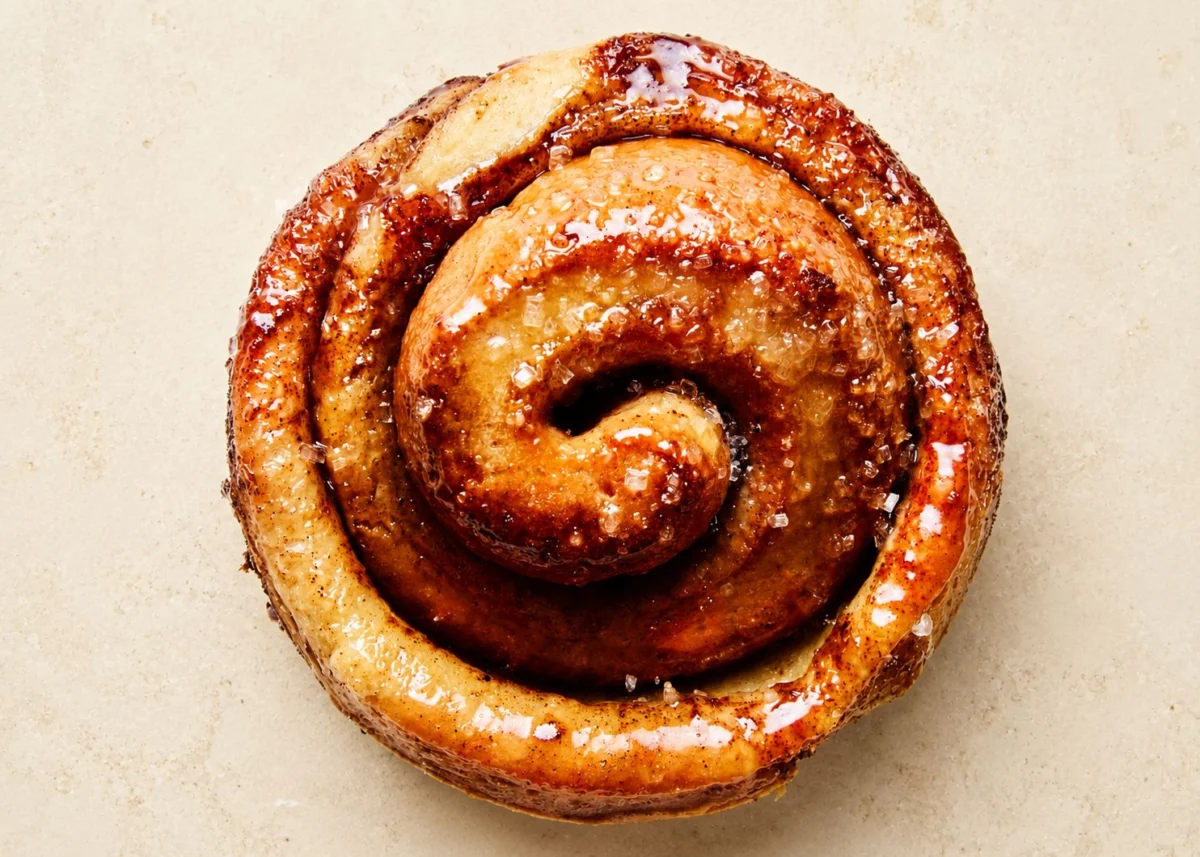
Cookbook author and former Bon Appétit staffer Claire Saffitz has captivated the home baking community with her meticulously developed recipes, consistently bridging the gap between professional patisserie and achievable domestic baking. Her recent contribution, a recipe for morning buns, stands as a testament to this philosophy, offering what she describes as "the more sophisticated cousin of the sticky bun." These pastries, characterized by their tender, buttery swirls, crisp caramelized edges, a nuanced honey-cinnamon filling, and a delicate crackly sugar topping, are positioned as an ideal breakfast indulgence for leisurely weekends and festive holiday brunches. The recipe’s ingenuity lies in its ability to deliver the complex textures and flavors typically associated with laminated dough pastries, but through an accessible enriched yeast dough, making high-quality morning buns an attainable goal for home bakers.
The Evolution of a Morning Bun: A History and Saffitz’s Innovation
The morning bun occupies a distinct niche in the pantheon of breakfast pastries, often confused with its close relatives, the cinnamon roll or the sticky bun. Historically, morning buns, particularly those found in professional bakeries, have been distinguished by their use of laminated dough—a labor-intensive process involving repeated folding and chilling of butter into dough to create hundreds of delicate, flaky layers, similar to croissants or Danish pastries. This technique yields an exceptionally light, airy, and crisp pastry. However, the complexity and time commitment of lamination have traditionally placed these bakery-style morning buns beyond the scope of many home bakers.
Claire Saffitz’s approach directly addresses this barrier. Recognizing the desire for sophisticated flavors and textures without the daunting technical demands, she engineered her recipe around an enriched yeast dough. This strategic choice simplifies the preparation significantly while still achieving a remarkably tender crumb and rich flavor profile. The use of an enriched dough, which incorporates ingredients like butter, eggs, and sugar directly into the dough, creates a softer, more pliable texture than a lean bread dough, providing a luxurious mouthfeel that rivals laminated versions in its own unique way. This innovation reflects Saffitz’s broader mission, evident in her best-selling cookbook Dessert Person, to empower home cooks with recipes that are both aspirational and practical. Her methodical testing and clear instructions have earned her a reputation for reliability, making her recipes a trusted resource for those looking to expand their baking repertoire.
The Architecture of Flavor: A Deeper Look at Ingredients
Saffitz’s morning bun recipe is a masterclass in thoughtful ingredient selection, where each component plays a critical role in building a complex and harmonious flavor profile.
- The Dough Base: Structure and Subtlety: The foundation of these buns is an enriched yeast dough that begins with a preferment, also known as a sponge. This initial mixture of yeast, flour, and liquid is allowed to ferment for a period before the remaining ingredients are added. The preferment serves multiple crucial functions: it activates the yeast, allowing it to develop a deeper, more nuanced flavor profile often described as yeasty, slightly tangy, and less aggressively "yeast-like" than a dough made without one. This extended fermentation also contributes to a more open crumb structure and improved dough extensibility.
- Flour Blend: Saffitz specifies a combination of bread flour and a small amount of whole wheat flour. Bread flour, with its higher protein content (typically 12-14%), is essential for developing strong gluten networks. This gluten structure provides the necessary elasticity and strength for the dough to rise significantly and hold its shape, resulting in a lofty, chewy crumb. The inclusion of a modest amount of whole wheat flour is a subtle but impactful touch. It introduces a delicate nutty flavor and a hint of earthy complexity that complements the warm spices and sweet filling, without making the dough heavy or dense. Substituting all-purpose flour, which has a lower protein content, would yield a softer bun with less structural integrity, potentially leading to a less satisfying texture.
- The Honey-Cinnamon Filling: Sweetness and Spice: The filling is where much of the morning bun’s characteristic "sophistication" truly shines. Unlike the often singular focus of cinnamon rolls, Saffitz’s filling offers a layered sweetness and aromatic complexity.
- Dual Sweeteners: A blend of brown sugar and honey is employed. Brown sugar contributes rich, molasses-laden caramel notes, imparting a deeper, more robust sweetness. Honey, on the other hand, provides a lighter, more floral sweetness, which harmonizes beautifully with the bright citrus and warm spices. This combination prevents the filling from being one-dimensional and adds depth.
- Aromatic Spices and Citrus: The spice blend moves beyond simple cinnamon, incorporating orange zest and cardamom. Orange zest introduces a vibrant, fresh citrus note that cuts through the richness of the butter and sugar, adding a lift to the overall flavor. Cardamom, with its distinctive aromatic profile—often described as floral, citrusy, and slightly piney—elevates the spice blend beyond typical cinnamon rolls, creating a more exotic and refined aroma. Cinnamon, of course, provides the classic warm, sweet spice that is synonymous with these types of pastries. The interplay of these elements creates a filling that is both comforting and intriguing.
The Art of Preparation: Overnight Success for Morning Indulgence
One of the most appealing aspects of Saffitz’s morning bun recipe, and a key factor in its suitability for home bakers, is its emphasis on make-ahead preparation. As Saffitz herself notes, "These are called morning buns. You want to eat them in the morning—so, all of this work you do the night before." This strategic scheduling is not merely for convenience; it also enhances the flavor and texture of the buns.
The dough, after its initial mixing and rising, undergoes an overnight rest in the refrigerator. This cold proofing period is critical for several reasons:
- Flavor Development: The extended, slow fermentation at a cooler temperature allows the yeast and enzymes in the dough more time to break down starches and proteins, developing a richer, more complex flavor profile. This process is similar to how a good sourdough develops its characteristic tang.
- Dough Handling: Chilled dough is significantly easier to handle. It is less sticky, holds its shape better when rolled out, and allows for precise cutting and shaping of the spirals without the dough becoming overly elastic or tearing.
- Convenience: By performing the bulk of the preparation the night before, bakers can wake up, shape the buns, allow for a final proof, and bake them fresh in the morning, ensuring a warm, aromatic start to the day with minimal effort on the actual morning of consumption.
After the overnight rest, the dough is rolled out, evenly spread with the flavorful filling, and then meticulously sliced into individual portions. These portions are then nestled into muffin tins. The use of individual muffin cups is not arbitrary; it is a critical element in achieving the morning bun’s signature characteristics. The cups act as a containment system, catching any butter and honey that bubble out from the filling during baking. These drippings then caramelize around the edges and bottom of each bun, creating the distinctive crisp, sticky bottoms and deeply golden, caramelized edges that define a truly exceptional morning bun. This method ensures all-over browning and a delightful textural contrast.

Morning Buns vs. Cinnamon Rolls: A Culinary Distinction
While often grouped together, morning buns and cinnamon rolls possess distinct characteristics that set them apart, particularly in their traditional forms. Saffitz’s recipe, while using a similar enriched dough to many cinnamon rolls, still leans into the spirit of the morning bun through its flavor profile and baking method.
- Dough Type: Traditionally, the most significant difference lies in the dough. As mentioned, classic bakery morning buns often employ laminated yeast dough for extreme flakiness. Cinnamon rolls, and Saffitz’s morning buns, typically use a butter-rich, enriched bread dough, resulting in a softer, more bread-like crumb.
- Filling Complexity: Morning bun fillings tend to be more nuanced and citrus-forward. Orange zest is a common inclusion, providing a bright counterpoint to warm spices like cinnamon, cardamom, and sometimes nutmeg. This creates a multi-layered flavor experience. Cinnamon rolls, while delicious, often feature a more straightforward filling primarily focused on cinnamon and sugar, sometimes with a hint of vanilla.
- Baking Method and Finish: Cinnamon rolls are frequently baked "snuggled up" together in a single baking dish, which results in soft sides and a uniform texture. Morning buns, by contrast, are baked in individual molds, such as muffin tins. This isolation allows for maximal exposure to heat, promoting crisp, caramelized edges and bottoms from the bubbling filling. Furthermore, cinnamon rolls are almost universally crowned with a thick, often cream cheese-based, frosting. Morning buns typically forgo this heavy topping, opting instead for a lighter glaze, a dusting of sugar (often sanding sugar for texture), or as in Saffitz’s recipe, a warm honey-butter glaze that enhances gloss and adherence for a crackly sugar topping.
The Science of Baking: Achieving Perfect Texture and Finish
Saffitz’s recipe meticulously guides bakers through the crucial stages to ensure optimal results.
- Proofing Indicators: Knowing when the shaped buns are perfectly proofed (risen) before baking is vital. Over-proofing can lead to a coarse texture and a collapsed structure, while under-proofing results in a dense bun. The "poke test" is the reliable indicator: gently poke the side of a bun; if the indentation springs back slowly but doesn’t completely fill in, the buns are ready for the oven. This indicates the dough has sufficient gas production and gluten development without being overstretched. Saffitz also advises working relatively quickly with the dough while it is still cold from the refrigerator, which helps maintain the distinct spiral shape during handling. If the dough warms up too much, a brief return to the refrigerator or freezer can restore its workability.
- Honey-Butter Glaze and Sugar Topping: The final touch—a warm honey-butter glaze—serves multiple purposes. Applied immediately after baking, it imparts a beautiful glossy finish, enhances the buttery richness, and crucially, acts as an adhesive for the sanding sugar. Sanding sugar, with its larger, coarser crystals, provides a delightful crackly texture and an extra layer of sweetness, contributing to the "crackly sugar topping" Saffitz describes. This glaze further reinforces the caramelized exterior, adding another dimension of flavor and texture.
Claire Saffitz: A Champion of Accessible Gourmet Baking
Claire Saffitz’s influence on the contemporary baking landscape cannot be overstated. From her formative years in the Bon Appétit Test Kitchen, where she became known for her "Gourmet Makes" series that deconstructed popular snacks into high-end versions, to her successful independent career, Saffitz has consistently advocated for a thoughtful, rigorous, yet ultimately accessible approach to baking. Her Dessert Person brand emphasizes that delicious, sophisticated desserts are within reach for anyone willing to follow detailed instructions and understand fundamental baking principles.
Her morning bun recipe perfectly embodies this ethos. By opting for an enriched yeast dough over the more intimidating laminated variety, she removes a significant barrier for entry without compromising on flavor or texture. This approach resonates deeply with a growing demographic of home bakers who, particularly in recent years, have rediscovered the joys and therapeutic benefits of baking. The demand for clear, reliable, and genuinely delicious recipes has never been higher, and Saffitz has positioned herself as a leading voice in this movement. Her commitment to thorough testing, detailed explanations, and practical tips—such as the overnight rest—ensures that her recipes are not just instructions but comprehensive guides to culinary success.
The Enduring Appeal of Breakfast Pastries and Culinary Innovation
Breakfast pastries, in their myriad forms, hold a special place in global culinary traditions. They represent comfort, celebration, and often, the simple joy of a leisurely start to the day. From the French croissant to the American cinnamon roll, these sweet treats offer a sensory experience that transcends mere sustenance. Saffitz’s morning bun recipe taps into this universal appeal while simultaneously pushing the boundaries of what home baking can achieve.
The implications of such a recipe are far-reaching. It empowers home cooks to experiment with more sophisticated flavor profiles and techniques, fostering a greater appreciation for the craft of baking. It also highlights the ongoing evolution within culinary arts, where innovation often means finding new ways to achieve classic results with greater accessibility. In a world increasingly driven by convenience, Saffitz’s morning buns stand as a delicious reminder that with a little planning and the right guidance, even the most "sophisticated" pastries can become a delightful reality in one’s own kitchen, enriching not just the palate but the entire morning experience. The recipe serves not just as a guide to making a delicious bun, but as an inspiration for bakers to explore, experiment, and enjoy the transformative power of baking.
