

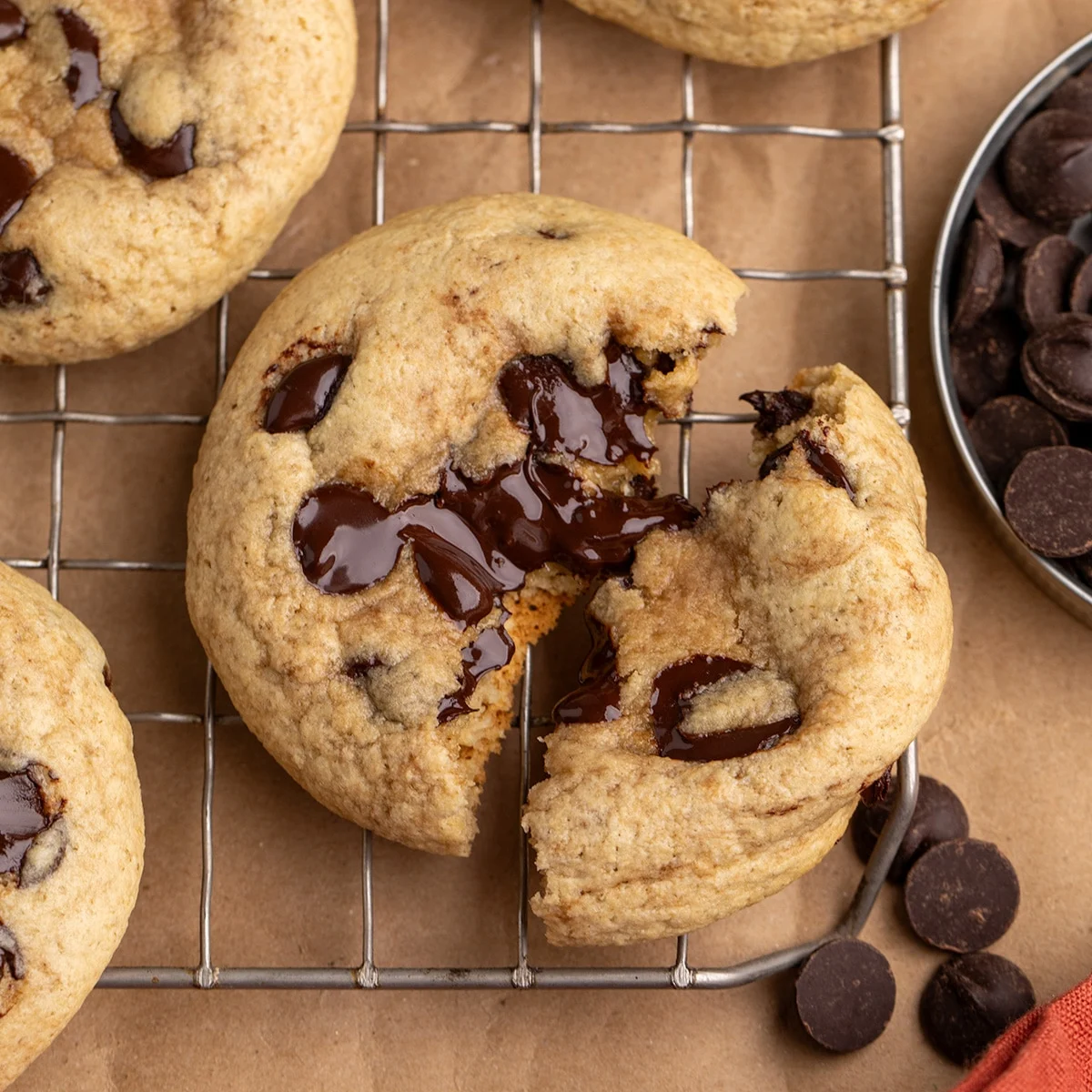
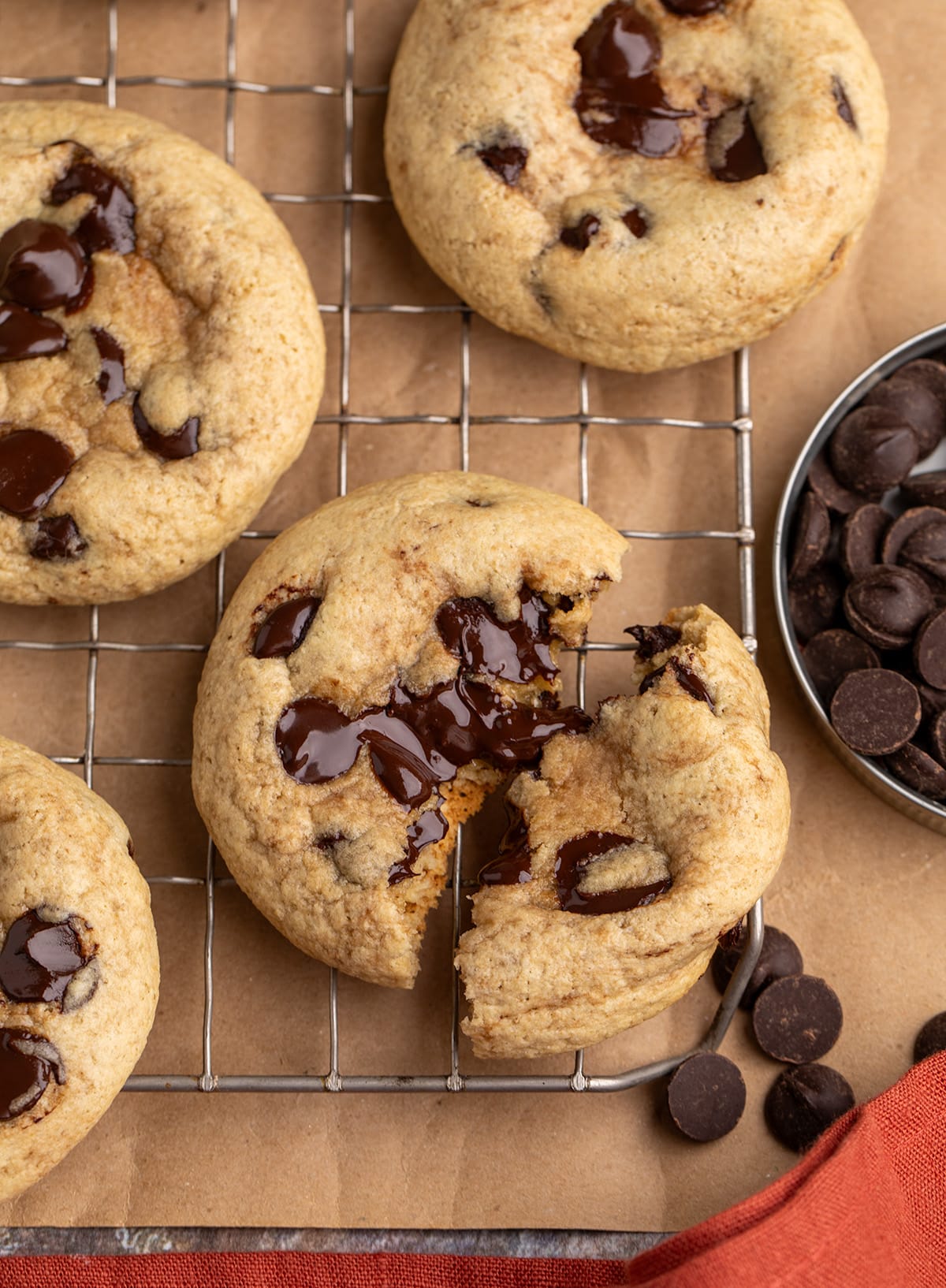
These chocolate chip protein cookies are a revelation for health-conscious individuals seeking a delicious treat that doesn’t compromise on nutritional goals. Crafted to be buttery, lightly sweet, and packed with a substantial 10 grams of protein per cookie, they deliver the satisfying taste and texture of a classic soft, chewy chocolate chip cookie, with the protein boost seamlessly integrated. This recipe stands out by prioritizing protein powder for its nutritional punch rather than relying on nut butters, ensuring the flavor profile remains authentically reminiscent of a traditional cookie.
The Science Behind the Softness: Why This Recipe Excels
The common pitfall of many protein cookie recipes is a tendency towards dryness and a chalky aftertaste, often stemming from the inherent properties of protein powders. This recipe artfully navigates these challenges by employing finely ground oat flour as its primary structural component. The combination of melted butter and eggs further contributes to a moist and tender crumb, while a carefully calibrated amount of sugar ensures the cookies remain soft and chewy.
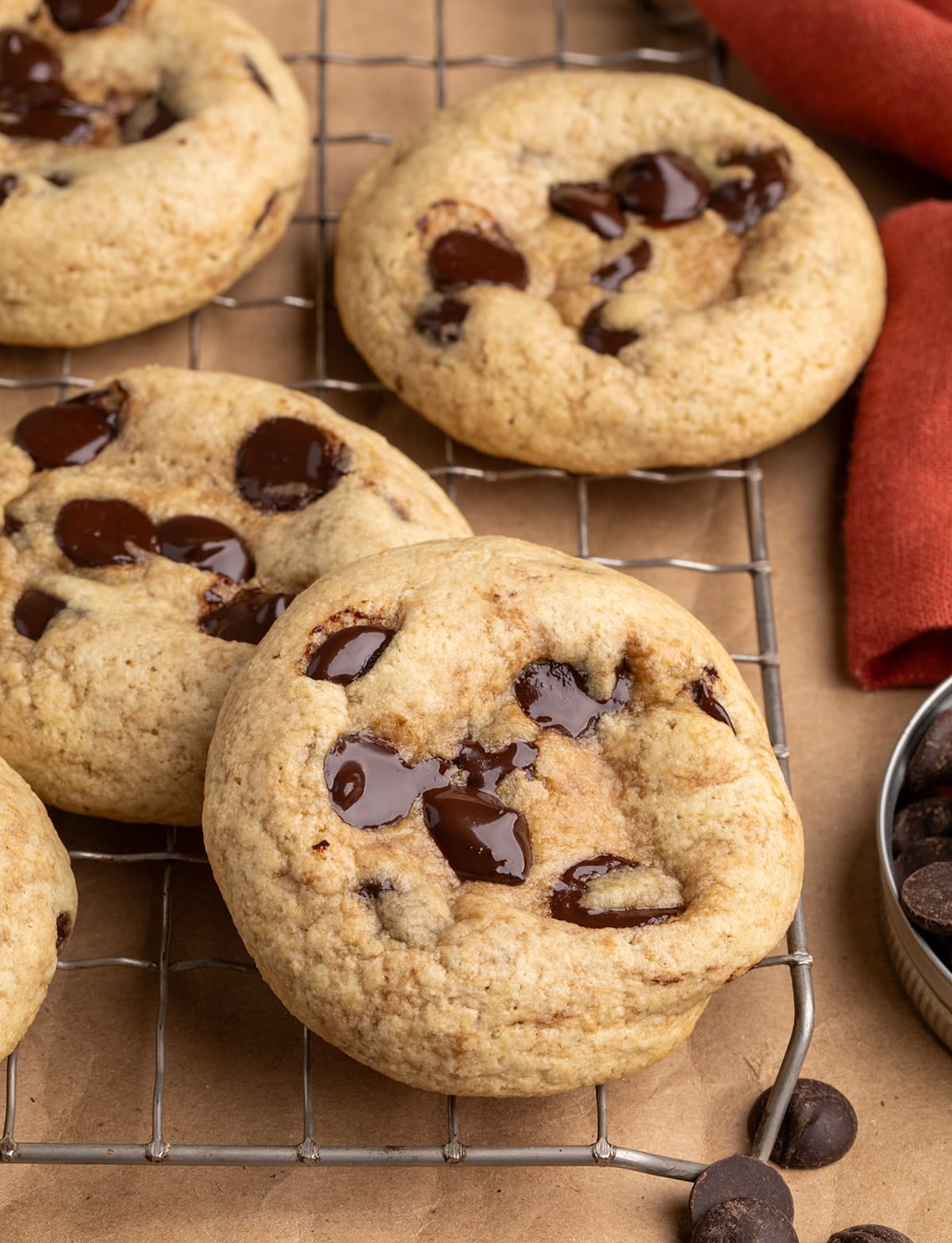
A critical technique highlighted in this recipe is the precise baking time. The cookies are intentionally pulled from the oven before they appear fully baked. This deliberate underbaking allows them to continue setting as they cool, retaining a desirable soft and chewy texture. The visual cue for readiness is when the tops remain pale, with only the edges showing a hint of browning. This method is crucial for preventing moisture loss, which is the primary culprit behind dry, overcooked baked goods.

Key Ingredients for a Superior Protein Cookie
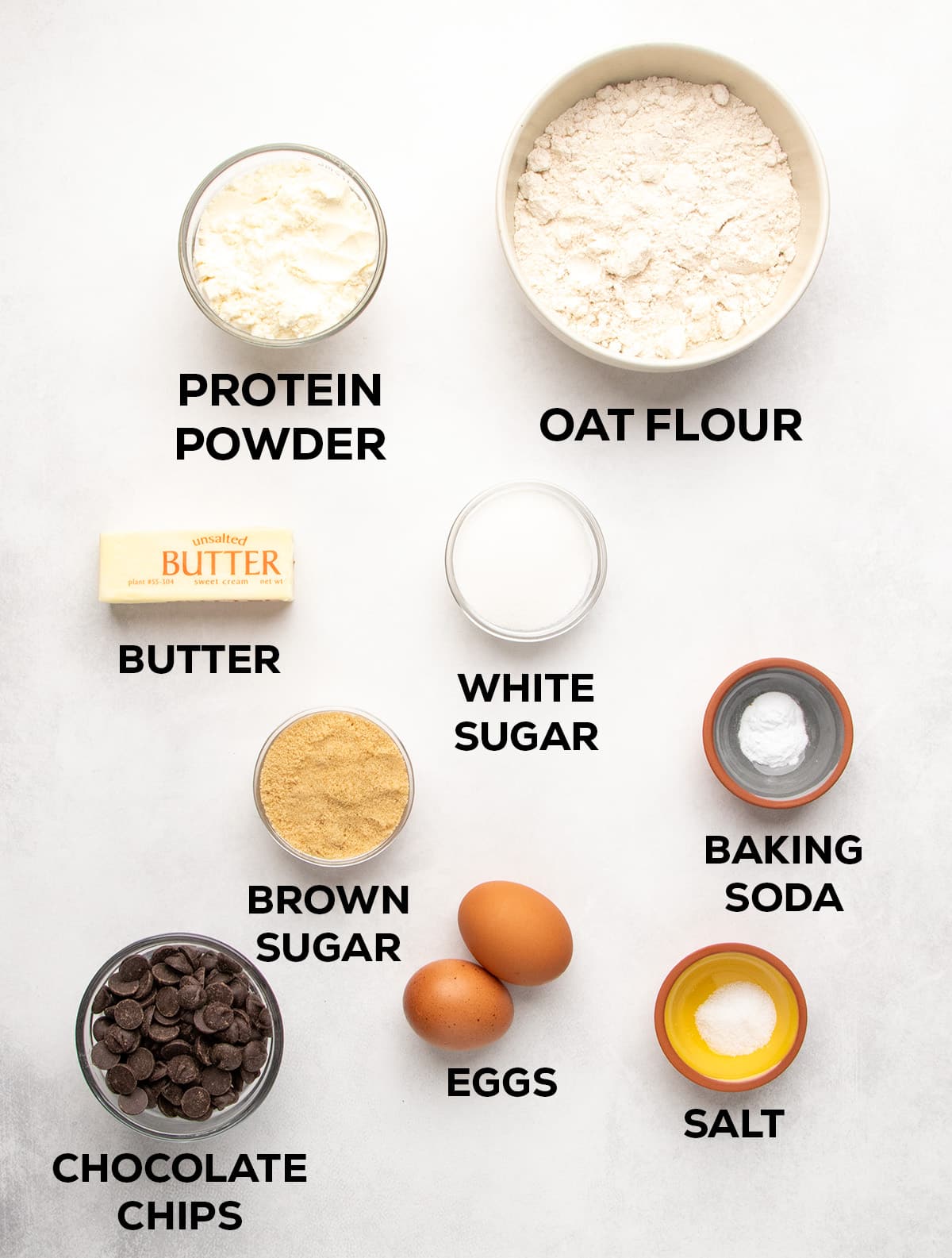
To achieve the perfect balance of flavor, texture, and protein content, a specific set of ingredients is required. While the exact quantities are detailed in the accompanying recipe card, a general overview of the core components provides insight into the recipe’s success. These typically include:
- Protein Powder: The star ingredient, providing the significant protein boost. The type of protein powder can influence flavor and texture, with whey protein isolate often being a preferred choice for its neutral taste and functional properties in baking.
- Oat Flour: Finely ground oats form the base of the cookie, offering a gluten-free and wholesome alternative to traditional wheat flour. Its fine texture is essential for achieving a smooth cookie consistency.
- Butter: Melted butter contributes richness, moisture, and a classic buttery flavor. For dairy-free variations, vegan butter alternatives can be employed.
- Eggs: Eggs act as a binder, contributing to the structure and moisture of the cookies. Various egg replacers are available for those with dietary restrictions.
- Sugars: A combination of white and brown sugar is typically used. Brown sugar adds moisture and a caramel-like depth of flavor, enhancing the chewy texture.
- Leavening Agent: Baking soda is used to provide a slight lift and tenderness to the cookies.
- Salt: A touch of salt enhances the overall flavor profile and balances the sweetness.
- Chocolate Chips: The quintessential addition to any chocolate chip cookie, providing pockets of molten chocolatey goodness.
For those seeking alternative protein-rich snacks, the author also recommends their "Peanut Butter Protein Cookies," which offer a different flavor profile and nutritional breakdown. Another option presented is "Protein Balls," which provide a protein-rich snack without the need for protein powder, offering approximately 6 grams of protein per ball.
The Baking Process: A Step-by-Step Guide to Perfection
The creation of these protein-packed cookies involves a straightforward yet precise methodology, designed to maximize flavor and texture.
1. Blending the Dry Ingredients:
The initial step involves thoroughly whisking together the oat flour, protein powder, both white and brown sugars, baking soda, and salt. This crucial step ensures an even distribution of all dry components, preventing any concentrated pockets of leavening agents or salt, which could lead to uneven baking or off-flavors. Any lumps in the brown sugar are also broken up at this stage.
2. Incorporating Wet Ingredients:
A well is created in the center of the dry ingredients. Melted butter and beaten eggs are then added to this well. The mixture is combined until a thick dough forms. This method helps to contain the liquids, minimizing mess and ensuring that the wet and dry ingredients are integrated efficiently. It also aids in preventing overmixing, which can lead to a tough or stringy dough.
3. Folding in the Chocolate Chips:
The majority of the chocolate chips are added to the dough and mixed until evenly distributed. This ensures that each cookie will have a satisfying distribution of chocolate. A portion of the chips is reserved to be pressed onto the tops of the cookies before baking, enhancing their visual appeal and ensuring a visible chocolate presence after baking.
4. Portioning the Dough:
Uniform cookie size is paramount for even baking. A medium spring-loaded ice cream scoop, or two spoons, is recommended to portion the dough into approximately 1.5-tablespoon-sized mounds, weighing around 2.25 ounces each. Consistent sizing ensures that all cookies are done baking at the same time.
5. Shaping and Decorating:
Each portion of dough is rolled into a smooth ball between the palms of the hands. This creates a uniform shape for baking. To enhance the visual appeal, some of the reserved chocolate chips are gently pressed into the tops of each dough ball, ensuring they will be visible once baked.
6. The Critical Baking Phase:
The cookies are baked at 325°F (160°C) for approximately 9 minutes. The key instruction here is to remove them from the oven when they are almost fully set in the center but have only begun to brown around the edges. This brief baking time is essential for maintaining moisture and preventing the cookies from becoming dry. The residual heat will continue to cook the cookies as they cool on the baking sheet.
Navigating Dietary Needs: Ingredient Substitutions for Wider Accessibility
Recognizing the diverse dietary requirements of consumers, the recipe offers several well-considered substitution options.
Dairy-Free Adaptations:
For those avoiding dairy, block-style vegan butter, such as Melt or Miyoko’s brand, is recommended as a direct substitute for butter. When it comes to protein powder, collagen peptides, like Vital Proteins or Perfect Hydrolyzed Collagen Peptides, can be used as an alternative to whey protein isolate, though the final texture may vary slightly. Flavored protein powders, such as Vega essentials chocolate flavor, can also be incorporated, but users should be aware that additional ingredients in these powders might influence the outcome.
Oat-Free Alternatives:
For individuals with oat sensitivities or allergies, alternative flours can be explored. Finely ground quinoa flakes or other certified gluten-free oat substitutes can be used. Super-finely ground and sifted almond flour, from brands like Blue Diamond or Wellbee’s, is another viable option.
Egg-Free Baking Solutions:
To replace the eggs, several effective substitutes are suggested. "Chia eggs," created by mixing 2 tablespoons of ground white chia seeds with 4 tablespoons of lukewarm water and allowing it to gel, can be used. Commercial egg replacers like Bob’s Red Mill egg replacer or JustEgg liquid refrigerated egg replacer are also viable options.
Sugar Alternatives and Their Impact:
While sugar alternatives, such as those from the Lakanto brand, can be used, it’s important to note their potential impact on texture. Sugar plays a crucial role in moisture retention in baked goods. Consequently, using sugar alternatives may result in a drier cookie.
Optimal Storage for Freshness
To maintain the optimal quality of these protein cookies, proper storage is essential. They can be stored in an airtight container at room temperature for approximately five days. For extended preservation, freezing is recommended. Store the cookies in a freezer-safe zip-top bag for up to three months. When retrieving frozen cookies, allow them to defrost briefly at room temperature to ensure the chocolate chips are not excessively hard to bite into.
The nutritional information provided indicates that each cookie contains approximately 284 calories, 28 grams of carbohydrates, 10 grams of protein, and 15 grams of fat, including 8 grams of saturated fat. These figures serve as an approximation and are automatically calculated.

The development of such recipes reflects a growing trend in the food industry towards providing healthier alternatives that cater to specific dietary needs without sacrificing taste or enjoyment. As consumer awareness of nutritional content and ingredient sourcing continues to rise, specialized baked goods like these chocolate chip protein cookies are likely to gain further traction, offering a satisfying solution for those seeking to balance indulgence with their health and fitness goals. The emphasis on using readily available ingredients and providing clear substitution guidance further democratizes access to these beneficial treats, making them a practical addition to any home baker’s repertoire.
