

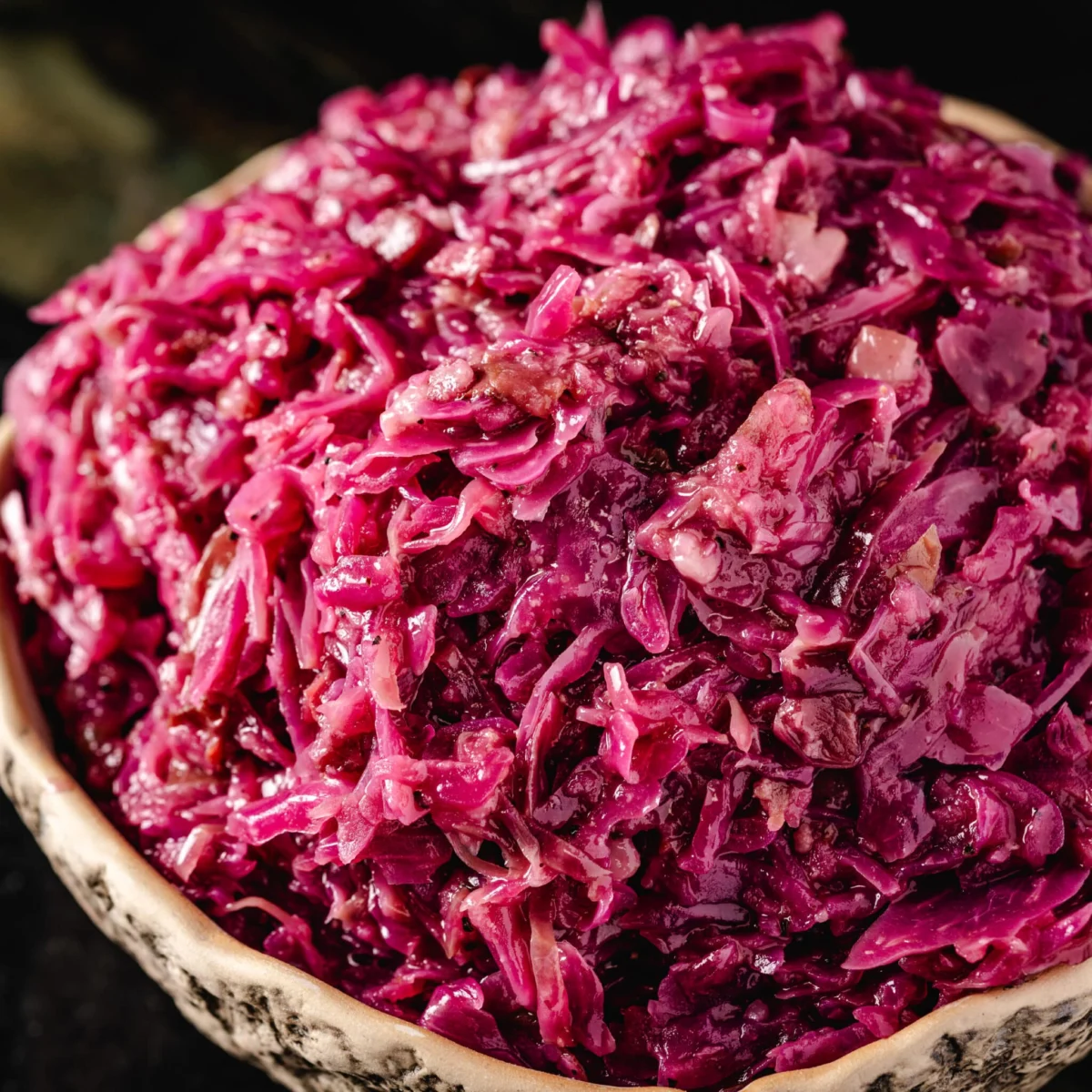
The traditional German side dish known as Rotkohl, a slow-simmered red cabbage preparation characterized by its sweet and tart flavor profile, continues to maintain its status as a vital component of Central European cuisine and international barbecue culture. Renowned for its vibrant purple hue and complex aromatic notes, Rotkohl serves as a strategic culinary foil to the heavy, fat-rich meats prevalent in German and American barbecue traditions, including Schwenkbraten (German pork chops), bratwurst, and various smoked proteins. As culinary enthusiasts and professional chefs alike seek to balance rich umami flavors with acidic brightness, the slow-simmering techniques associated with this dish have seen a resurgence in both domestic kitchens and commercial establishments.
The Historical and Regional Evolution of Braised Cabbage
The history of cabbage cultivation in Germany dates back centuries, with the vegetable serving as a resilient winter staple capable of withstanding harsh climates. Rotkohl, which translates literally to "red cabbage," is part of a broader family of brassica preparations that vary significantly by region. In Northern Germany, the dish is predominantly referred to as Rotkohl and is typically prepared with vinegar or acidic components to maintain a deep red color. Conversely, in Southern regions such as Bavaria and parts of Austria, it is often called Blaukraut (blue cabbage).
The linguistic and culinary distinction between Rotkohl and Blaukraut is rooted in the chemical properties of the soil and the ingredients used in the cooking process. Red cabbage contains anthocyanins, which act as natural pH indicators. When cooked in an alkaline environment—common in regions with hard water or where sugar is the primary additive—the cabbage takes on a bluish tint. However, the addition of acidic elements like red wine vinegar, tart apples, or citrus juice shifts the pH level, resulting in the brilliant magenta or deep purple color that has become the hallmark of the modern Rotkohl recipe.

Technical Preparation and Chemical Transformations
The preparation of Rotkohl is an exercise in patience and precision, requiring a "low and slow" approach to achieve the desired jammy texture. Unlike contemporary slaws that prioritize crunch, authentic Rotkohl focuses on the breakdown of tough cellulose fibers through extended simmering.
The process typically begins with the rendering of fat, frequently derived from bacon grease, which provides a smoky base and a rich mouthfeel. The introduction of yellow onions and tart apples—most commonly Granny Smith or similar high-acid varieties—creates a foundational layer of sweetness and pectin. The cabbage, shredded into fine ribbons, is then introduced to the pot alongside a mixture of red wine vinegar and sugar.
A critical component in high-quality Rotkohl is the inclusion of fruit preserves, such as lingonberry jam. This ingredient not only contributes to the sweetness but also adds a layer of tannin and bitterness that balances the sharp acidity of the vinegar. Spices, specifically whole cloves and occasionally bay leaves or juniper berries, are simmered with the cabbage to infuse it with warming, aromatic notes that are synonymous with European holiday cooking.
Chronology of the Simmering Process
According to culinary experts and data from professional test kitchens, the transformation of red cabbage occurs across a specific timeline:

- The Softening Phase (0–30 Minutes): During the initial heating, the cabbage releases its moisture and begins to wilt. The primary goal in this stage is to coat the ribbons in the rendered fat and acidic liquids to ensure even cooking and color preservation.
- The Infusion Phase (30–90 Minutes): As the temperature remains at a consistent low simmer, the cabbage begins to absorb the flavors of the cloves, apples, and vinegar. The bright red color stabilizes as the acid interacts with the anthocyanins.
- The Textural Shift (90–120 Minutes): This is the most critical period. The cabbage transitions from a "bitey" or crisp texture to a soft, tender consistency. If the liquid levels are maintained, the sugars from the apples and jam begin to caramelize slightly, creating a glossy, "jammy" finish.
- The Final Reduction (120+ Minutes): Any remaining liquid is reduced to a thick syrup that glazes the cabbage. Culinary professionals note that Rotkohl is often considered superior on the second day, as the flavors continue to meld and deepen during the cooling and reheating process.
Nutritional Profile and Health Implications
From a nutritional standpoint, Rotkohl offers a significant density of micronutrients, particularly when compared to its green cabbage counterparts. Data indicates that red cabbage contains approximately ten times more Vitamin A and twice as much iron as green cabbage.
A standard serving of Rotkohl (approximately 6 servings per medium head of cabbage) contains roughly 156 calories. The nutritional breakdown includes:
- Carbohydrates: 30g, primarily derived from the natural sugars in apples and added preserves.
- Fiber: 6g, which aids in digestion and helps mitigate the glycemic impact of the sugars.
- Vitamin C: 86mg, providing nearly the full recommended daily intake.
- Vitamin A: 1728 IU, contributing to ocular and immune health.
- Antioxidants: The anthocyanins responsible for the color are potent antioxidants linked to reduced inflammation and improved cardiovascular health.
While the inclusion of bacon grease and sugar increases the caloric density compared to raw cabbage, the dish remains a relatively low-fat side option when served alongside traditional proteins.
Agricultural and Economic Impact
Cabbage production remains a vital sector of the European agricultural economy. Germany is one of the leading producers of cabbage within the European Union, with thousands of hectares dedicated to various brassica species. The stability of cabbage prices and its long shelf life make it an economically viable crop for both farmers and consumers.

In recent years, the global export of specialty German food products, including jarred and canned Rotkohl, has seen steady growth. However, there is a burgeoning market trend toward "from-scratch" artisanal preparation. High-end barbecue restaurants in the United States and the United Kingdom have increasingly adopted Rotkohl as a signature side dish, moving away from standard coleslaw in favor of the more complex, cooked alternative. This shift is reflective of a broader consumer interest in authentic, heritage-based recipes that offer a story alongside sustenance.
Cultural Significance and Modern Integration
Rotkohl is inextricably linked to the German festive calendar. It is a non-negotiable component of the Weihnachtsgans (Christmas Goose) dinner and is a staple at Oktoberfest celebrations worldwide. Its ability to be prepared in large batches and its resilience to overcooking make it an ideal choice for large-scale catering and family gatherings.
Susie Bulloch, a prominent figure in the barbecue community and founder of Hey Grill Hey, has highlighted the dish’s utility in the modern outdoor cooking circuit. By integrating traditional European sides with American smoking techniques, chefs are able to create a more balanced dining experience. The acidity in Rotkohl is particularly effective at "cutting through" the heavy mouthfeel of smoked pork belly or brisket, providing a refreshing palate cleanser between bites of rich meat.
Broader Culinary Implications
The enduring popularity of Rotkohl suggests a continued appreciation for slow-food techniques in an era often dominated by convenience. The dish requires no advanced technology—only a heavy-bottomed pot and time. Its reliance on pantry staples like vinegar, sugar, and spices makes it accessible across various socioeconomic backgrounds, while its sophisticated flavor profile allows it to hold a place on fine-dining menus.

As global palates become more accustomed to fermented and acidified foods—driven in part by the popularity of kimchi and sauerkraut—Rotkohl stands as a bridge between the sharp intensity of fermentation and the comfort of braised vegetables. Its role in the culinary landscape is expected to expand further as more cooks discover the ease with which this traditional dish can be adapted to modern dietary preferences, including vegetarian and vegan versions that substitute bacon grease with plant-based oils.
In conclusion, Rotkohl is more than a simple side dish; it is a testament to the science of pH-driven color preservation, a relic of Central European survivalist cooking, and a vibrant, essential component of the contemporary global barbecue movement. Its continued presence on dinner tables from Berlin to Texas underscores the universal appeal of the balance between sweet, sour, and savory.
