

Introduction to a Resilient Quarter and a Shifting Corporate Landscape
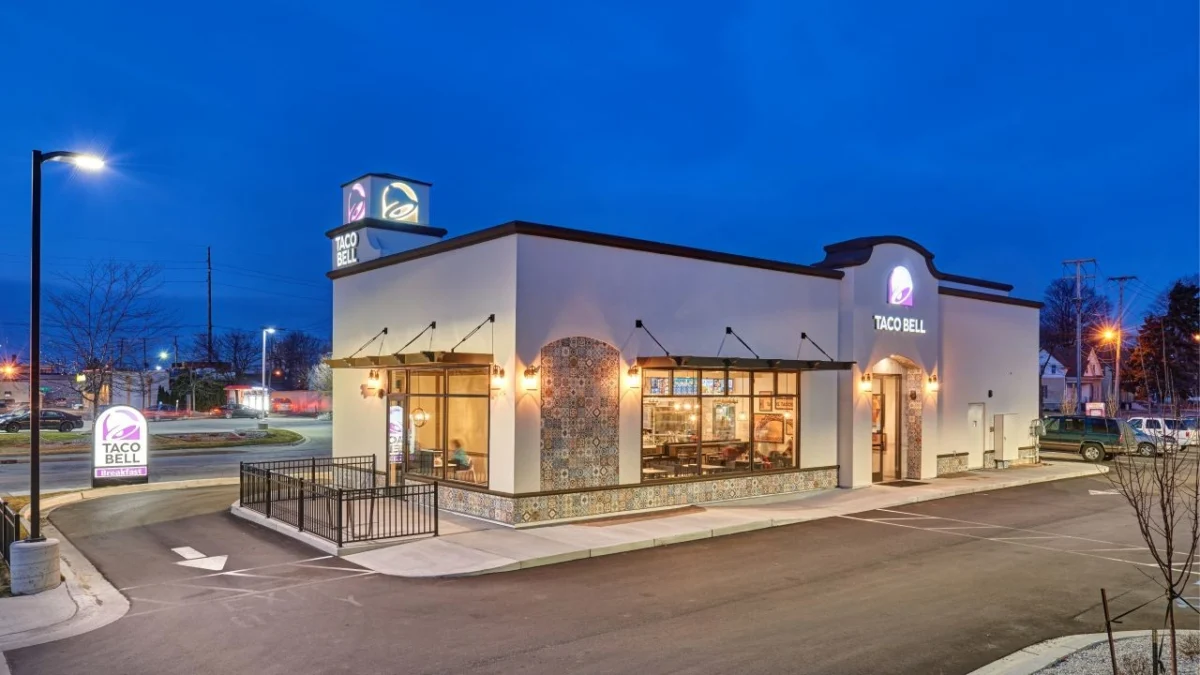
In the second quarter of 2026, Taco Bell emerged as a powerful engine for Yum Brands, reporting an impressive 7% surge in same-store sales. This robust performance positioned the popular Mexican-inspired fast-food chain in what CEO Chris Turner described as its "strongest position ever" heading into the third quarter. However, this promising trajectory was soon to be tested by an unforeseen challenge: a widespread cyclospora outbreak that cast a shadow over the latter half of the quarter and impacted the entire quick-service sector. Despite this significant hurdle, Yum Brands, the parent company of KFC, Pizza Hut, and The Habit Burger Grill, navigated a complex operational and strategic period, marked by strong digital growth, consistent unit expansion, and a pivotal decision to divest its Pizza Hut U.S. operations.
Taco Bell’s Stellar Q2 Performance: A Deep Dive
Taco Bell’s 7% same-store sales increase in the second quarter was a testament to its enduring appeal and effective operational strategies. This growth outpaced its sister brands, underscoring its role as a primary revenue driver for Yum Brands. The chain’s success in Q2 was attributed to several key factors:
- Compelling Value Proposition: In an economic climate where consumers are increasingly value-conscious, Taco Bell’s commitment to offering affordable yet satisfying menu options resonated strongly. This strategic focus likely attracted a broad customer base, from budget-minded students to families seeking economical dining solutions.
- Menu Innovation and Occasion Broadening: Taco Bell has consistently demonstrated an ability to innovate its menu, introducing limited-time offers and permanent additions that cater to diverse tastes and dining occasions. Whether it’s breakfast innovations, late-night cravings, or meal-time solutions, the chain has successfully broadened the reasons why consumers choose Taco Bell, extending its relevance beyond traditional lunch and dinner periods.
- Cultural Relevance and Digital Engagement: The brand’s ability to connect with contemporary culture, often through social media and marketing campaigns, has fostered a sense of loyalty and engagement. In Q2, digital sales accounted for a remarkable 47% of Taco Bell’s total mix, highlighting the effectiveness of its digital platforms in driving transactions and enhancing the customer experience. This digital fluency is crucial in today’s market, where convenience and seamless ordering are paramount.
The Cyclospora Outbreak: An Unforeseen Challenge
The positive momentum experienced by Taco Bell in Q2 was abruptly interrupted by a widespread cyclospora outbreak that emerged in July 2026. This parasitic infection, often linked to contaminated produce, sickened thousands and led to hundreds of hospitalizations across multiple states. Early reports and investigations pointed to lettuce supplied by Taylor Farms as a potential source, disproportionately impacting quick-service restaurants that rely on this ingredient, with Taco Bell being a prominent victim.
The immediate aftermath of the outbreak saw a significant downturn in Taco Bell’s performance. Executives reported that same-store sales for the current quarter (Q3) had declined by 2%. However, a crucial point of optimism was the observation that these declines had "moderated materially," suggesting that the initial shock was subsiding and that the brand was beginning to recover. This moderation indicates a potential stabilization in customer confidence and operational adjustments made to mitigate the impact of the outbreak.
Yum Brands’ Broader Q2 Performance and Strategic Realignment
While Taco Bell commanded significant attention, Yum Brands’ overall performance in the second quarter showcased a diversified portfolio, albeit with varying results across its brands.
- Global Same-Store Sales Growth: Yum Brands reported a global same-store sales increase of 3% for the quarter.
- KFC’s Steady Contribution: KFC, a global powerhouse, saw its same-store sales rise by 2%. This brand has been actively implementing its "next chapter" initiative, focusing on restaurant modernization and menu innovation, aiming to capture the "future consumer." The chain anticipates having core elements of this strategy integrated across its top 20 markets by the end of 2027.
- Pizza Hut’s Decline and Divestiture: Pizza Hut experienced a 1% decline in same-store sales during Q2. This performance, coupled with a strategic decision, led to the announcement of its divestiture in U.S. markets. Yum Brands entered into agreements with LongRange Capital and Yum China to sell its Pizza Hut U.S. operations. This move signifies a significant shift in Yum Brands’ portfolio, aiming to streamline its focus.
- The Habit Burger Grill’s Modest Growth: The Habit Burger Grill Division reported a 3% increase in same-store sales, indicating steady, albeit less dramatic, growth for this fast-casual brand.
System Sales and Unit Growth: Expanding the Footprint
Beyond same-store sales, Yum Brands demonstrated robust system-wide expansion and sales growth:
- System Sales Surge: Overall system sales for the period grew by 5%. KFC led this charge with a 6% increase, while Taco Bell’s substantial 9% system sales growth more than compensated for Pizza Hut’s -2% performance.
- Unit Growth Momentum: The company achieved a 5% increase in unit growth, adding 1,053 gross new units to its global network. This expansion is a key indicator of the company’s long-term growth strategy and its commitment to increasing accessibility and market penetration.
Financial Highlights and Strategic Priorities
Yum Brands reported a 5% increase in its core operating profit for the quarter, with Taco Bell once again being the primary contributor. Excluding the impact of the Pizza Hut divestiture, core operating profit grew by an even more impressive 8%.
The "Raising the B.A.R." Growth Strategy
Under the leadership of CEO Chris Turner, who assumed the role last year following David Gibbs’ retirement, Yum Brands is executing a comprehensive growth strategy dubbed "Raising the B.A.R." This initiative is designed to accelerate growth by focusing on key pillars:
- Building: Enhancing brand relevance and customer experience through innovation and operational excellence.
- Accelerating: Driving digital growth and expanding the company’s global footprint through strategic unit development.
- Re-imaging: Modernizing restaurant designs and optimizing the operational efficiency of its brands.
The Strategic Significance of the Pizza Hut Divestiture
The decision to divest its Pizza Hut U.S. operations marks a significant turning point for Yum Brands. CEO Chris Turner articulated the strategic rationale behind this move, stating that it would allow Yum to move forward as "a more focused organization positioned to accelerate growth."
"As we continue to raise the bar, our priorities are to deepen consumer relevance, improve restaurant economics, bring the benefits of Byte by Yum! to more of our system and allocate capital in a way that creates sustained shareholder value," Turner elaborated in a company statement.
The divestiture is expected to close in August 2026. Yum Brands will provide transition services to the new owners of Pizza Hut (excluding China), encompassing enterprise technology and finance, with most of these services phasing out by the end of 2027. The company anticipates receiving approximately $2.5 million per month in transition services-related fees, which are expected to fully offset the general and administrative expenses previously allocated to the Pizza Hut business.
Furthermore, Byte by Yum, the company’s AI-powered platform launched in the previous year, will continue to be utilized by Pizza Hut (outside of China) under a separate commercial agreement. This ensures that the technological advancements developed by Yum Brands can continue to benefit its former subsidiary while allowing Yum to concentrate on its core brands.
"The Pizza Hut transaction is on track and will position Pizza Hut for greater success in the future," Turner affirmed. "And, it will position Yum for greater success in the future because of the focus we’ll be able to put on our three remaining brands."
Digital Sales and the Power of "Byte by Yum!"
Yum Brands reported that its digital sales have reached nearly $9 billion, with the digital mix, excluding Pizza Hut, exceeding an impressive 60%. This highlights the company’s successful integration of digital technologies into its customer engagement and sales strategies.
The Byte by Yum platform, Yum Brands’ proprietary AI-powered technology solution, plays a critical role in this digital transformation. Launched to consolidate and leverage the company’s technological innovations, Byte by Yum aims to enhance operational efficiency, personalize customer experiences, and drive data-driven decision-making across all brands. Its continued application by Pizza Hut under a commercial agreement underscores its value and the ongoing collaboration between Yum Brands and its former subsidiary.
Looking Ahead: Navigating Challenges and Embracing Opportunities
The second quarter of 2026 presented Yum Brands with a dual narrative: remarkable operational success in Taco Bell and a strategic reshaping of its brand portfolio. The cyclospora outbreak served as a stark reminder of the vulnerabilities inherent in the food service industry and the importance of robust supply chain management and public health protocols.
However, the company’s ability to report moderated sales declines post-outbreak, coupled with strong overall system growth and a clear strategic vision, suggests resilience and adaptability. The divestiture of Pizza Hut U.S. is poised to unlock greater focus and resource allocation for KFC, Taco Bell, and The Habit Burger Grill, allowing Yum Brands to concentrate on enhancing their individual strengths and accelerating their respective growth trajectories.
As Yum Brands moves forward, its "Raising the B.A.R." strategy, underpinned by digital innovation and a commitment to operational excellence, will be crucial in navigating future challenges and capitalizing on emerging opportunities in the dynamic global restaurant landscape. The company’s ability to consistently deliver value, innovate its offerings, and maintain cultural relevance, particularly evident in Taco Bell’s Q2 performance, will be key to its sustained success.
