

The second installment of Food Network’s latest live-fire competition series, Pitmasters, intensified the pressure on its remaining contestants as they faced a grueling set of challenges designed to test their technical proficiency, physical endurance, and creative adaptability. Following the elimination rounds of the premiere episode, the remaining teams were immediately thrust into a high-stakes environment in the remote Utah desert. The episode featured prominent outdoor culinary experts Susie Bulloch, founder of Hey Grill Hey, and Christie Vanover of Girls Can Grill, as they navigated the dual demands of the "Big Burn" and the "Flash Burn" challenges.
The production of Pitmasters represents a shift in culinary programming, moving away from controlled studio environments and into the unpredictable elements of the American West. Contestants were forced to contend with extreme diurnal temperature variations, high winds, and the physical labor of primitive cooking—factors that Food Network producers have utilized to distinguish this series from more traditional barbecue competitions.
The Competition Framework: The Big Burn and Flash Burn
The structure of Pitmasters revolves around two primary competitive segments. The "Big Burn" is a marathon event, granting teams ten hours to complete a complex culinary objective using specific live-fire techniques. This segment is designed to test long-term fire management and the ability to execute sophisticated flavors over an extended period.
In contrast, the "Flash Burn" is a sudden, high-intensity challenge that can be announced at any point during the ten-hour window. This segment requires immediate pivoting, testing a chef’s ability to work under extreme time constraints—usually 45 minutes—for a direct cash prize. In this episode, the Flash Burn carried a $2,000 incentive, adding a layer of financial stakes to the existing competitive pressure.

The Big Burn: The Trifecta of Live Fire
Host and lead judge Andrew Zimmern introduced the "Trifecta of Live Fire" as the theme for the Big Burn. This challenge required teams to demonstrate mastery over three distinct heat-application methods: direct flame, underground cooking, and hanging heat. This requirement necessitated not only culinary skill but also significant manual labor, as teams were required to excavate their own pits for the underground portion of the cook.
The underground technique, often referred to as "pit cooking," is one of the oldest forms of food preparation. It relies on thermal retention within the earth and the steady, smothered heat of coals. Bulloch and Vanover opted for an "Italian Summer" thematic approach to unify their three dishes, a strategy aimed at providing a cohesive narrative to the judges while showcasing diverse technical abilities.
Technical Execution: Christie Vanover’s Contributions
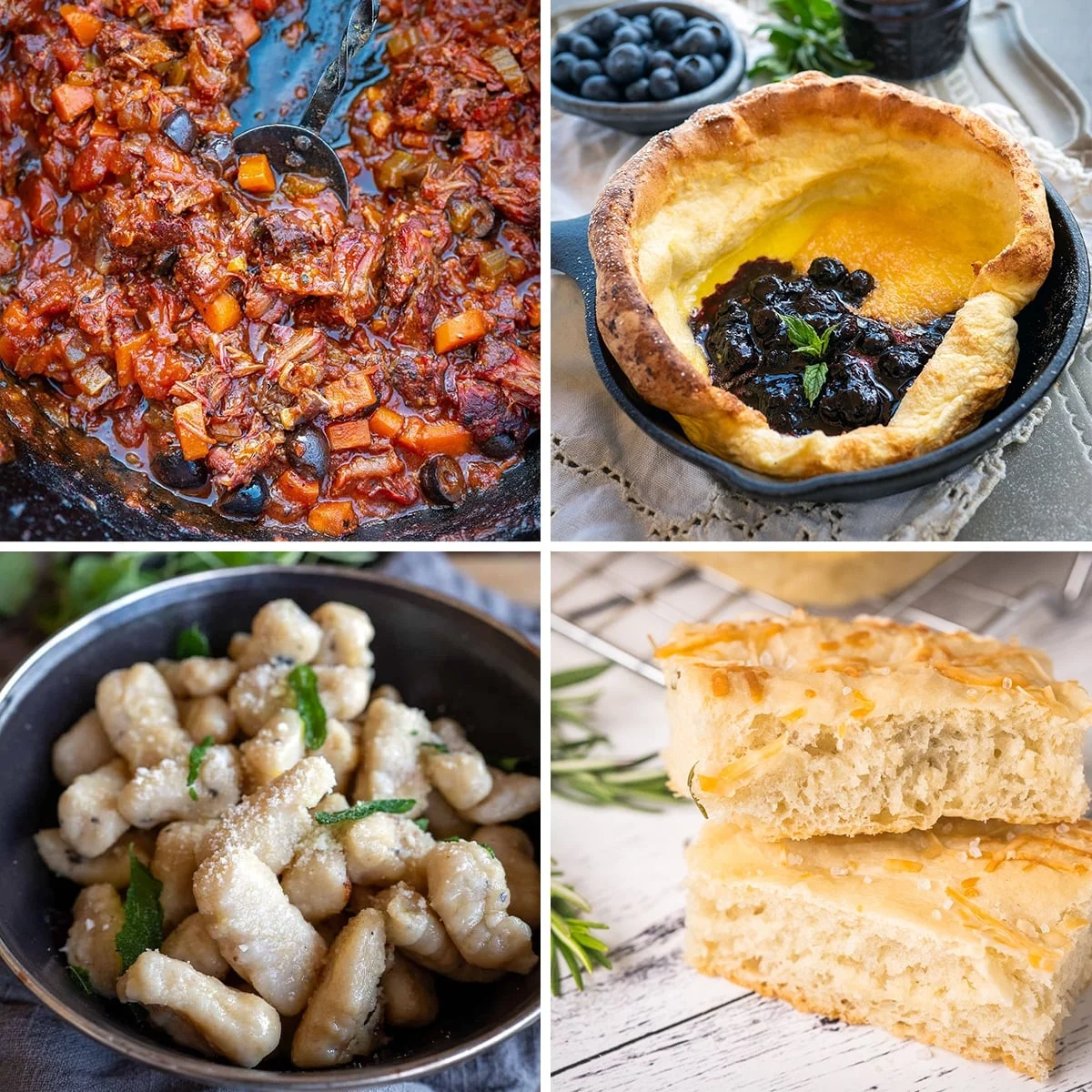
Vanover took responsibility for the direct flame and underground components. For the direct flame requirement, she prepared grilled gnocchi, a departure from the traditional boiled preparation of the potato-based dumpling. By utilizing the open flame, Vanover introduced a charred texture and smoky profile to the dish, highlighting the versatility of the medium.
For the underground portion, Vanover executed a Smoked Osso Buco. This traditional Italian braise, typically made with veal shanks but adapted here with beef chuck roast and oxtail, was seasoned with a specialized brisket rub. The dish was placed in a Dutch oven—a heavy cast-iron vessel favored for its even heat distribution—and buried in the hand-dug pit. This method allowed the connective tissues in the beef to break down slowly over several hours, resulting in a tender, gelatinous texture that is difficult to achieve through faster cooking methods.
Technical Execution: Susie Bulloch’s Contributions
Bulloch focused on the "hanging" technique, a method that utilizes convection and radiant heat from a fire below while the food is suspended. To meet this challenge, Bulloch engineered a "swinging" oven environment. Using baking sheets rigged to a suspended swing over the fire, she prepared a Rosemary Parmesan Focaccia. The movement of the swing allowed for air circulation, simulating the environment of a traditional oven while maintaining the distinct flavor profile of wood smoke.

Additionally, Bulloch prepared grilled artichoke hearts with a lemon garlic aioli. The artichokes were subjected to the open flame to caramelize the exterior, while the aioli—prepared by Vanover—provided a bright, acidic contrast to the earthy, smoky notes of the vegetable.
The Flash Burn: A Study in Morning Volatility
The Flash Burn was initiated the following morning, catching many teams in a state of exhaustion. As contestants managed their long-term cooks, Zimmern issued a 45-minute challenge to create a "BBQ Breakfast." This segment highlighted the necessity of rapid fire management, as teams had to quickly establish a high-heat zone for short-order cooking without compromising their ongoing Big Burn projects.
Bulloch and Vanover divided the breakfast challenge into sweet and savory components. Vanover produced "German Pancakes," also known as Dutch Babies. These are high-leavened pancakes that rise dramatically in a hot skillet. She paired the dish with a maple blueberry syrup, created by reducing fresh blueberries until they reached a jammy consistency, then balancing the sweetness with real maple syrup and salt.
Bulloch addressed the savory requirement by grinding a custom jalapeño bacon breakfast sausage from scratch. Utilizing a blend of ground pork, minced bacon, and fresh jalapeños, she formed patties that were smoked over cherry wood. The choice of cherry wood was strategic, as it provides a mild, fruity smoke that complements the high fat content of the pork and the capsaicin heat of the peppers. The sausages were finished with a light glaze of maple syrup to create a flavor bridge to Vanover’s pancakes.
Logistical Challenges and Environmental Impact
The episode underscored the physical toll of the Utah desert on the competitors. Beyond the culinary requirements, the teams faced environmental stressors including wind-driven dust and fluctuating temperatures. The geography of the site also played a role in the final presentation. Unlike the first episode’s communal dining format, the judging for Episode 2 took place at a remote hilltop location.

The transition from the cooking stations to the hilltop required teams to transport their finished dishes up a significant incline while maintaining the proper serving temperature and aesthetic integrity of the food. This logistical hurdle added a final layer of difficulty to the challenge, testing the endurance of the chefs after nearly ten hours of continuous labor.
The Judging Process and Strategic Shifts
The judging format for this installment shifted to a one-on-one private consultation. Each team presented their Trifecta and Flash Burn dishes to the panel of judges—including Andrew Zimmern—without the presence of their competitors. This "blind" feedback loop meant that teams remained unaware of their standing relative to the rest of the field until the final results were announced at the base camp.
This change in format increased the psychological pressure on the participants. In traditional barbecue competitions, "reading the walk" (observing the reactions of judges and other teams) is a common way for pitmasters to gauge their performance. By isolating the judging sessions, the producers forced the chefs to rely entirely on their own technical confidence.
Broader Implications for the BBQ Industry
The participation of Bulloch and Vanover in Pitmasters reflects a broader trend in the outdoor cooking industry: the rising prominence of female experts in a historically male-dominated field. Both women have built significant digital platforms—Hey Grill Hey and Girls Can Grill—that focus on accessible, high-quality outdoor cooking. Their presence on a major Food Network series validates the influence of digital-first culinary creators in traditional media spaces.
Furthermore, the show’s emphasis on "live fire" over "low and slow" traditional barbecue points to a shift in consumer interest. While traditional smoking remains popular, the culinary world has seen a resurgence in primitive, open-fire techniques. This trend emphasizes the chef’s ability to control an unpredictable heat source, moving away from the "set it and forget it" technology of modern pellet grills and electric smokers.

Conclusion and Outlook
As Pitmasters moves into its subsequent episodes, the stakes continue to escalate. The combination of technical "Trifecta" requirements and the volatile "Flash Burn" format ensures that only the most versatile chefs remain in the competition. While the specific results of the Episode 2 eliminations remain under wrap until the broadcast cycle completes, the performances of Bulloch and Vanover demonstrated a high level of technical proficiency and the ability to maintain culinary standards under extreme environmental duress.
Pitmasters airs Mondays on Food Network, with streaming available on Discovery+. The series continues to draw significant viewership from the outdoor cooking community, serving as both a competition and an educational showcase for advanced live-fire techniques. The upcoming episodes are expected to further explore the intersection of regional American barbecue traditions and international open-fire methods.
