

The third installment of Food Network’s high-stakes competition series, Pitmasters, has further intensified the pressure on its remaining contestants, specifically highlighting the collaborative efforts of Susie Bulloch and Christie Vanover. Bulloch, the founder of the influential BBQ platform Hey Grill Hey, and Vanover, the force behind Girls Can Grill, have successfully transitioned from digital influencers to formidable live-fire competitors. Episode 3 forced the duo to confront unconventional culinary requirements, including a protein-free challenge and a complex "Surf and Turf" main event, testing their technical proficiency and adaptability under adverse environmental conditions.
The Evolution of Competitive Live-Fire Cooking
The current season of Pitmasters represents a significant shift in the landscape of televised culinary competitions. While traditional barbecue competitions often focus on the "Big Four" meats—brisket, pork butt, ribs, and chicken—this iteration of the show emphasizes "live-fire" techniques. This requires contestants to manage fluctuating temperatures without the aid of automated thermostats, relying instead on airflow, fuel management, and sensory intuition.
According to industry data from the Hearth, Patio & Barbecue Association (HPBA), interest in wood-fired and charcoal cooking has seen a 15% increase in the "enthusiast" demographic over the last three years. This trend is mirrored in the show’s structure, which prioritizes versatility over specialization. For Bulloch and Vanover, the transition to this format involves balancing their established brands with the rigorous demands of a timed, televised environment.
Chronology of Episode 3: The Flash Burn and Big Burn
The episode followed a two-tiered competitive structure: the "Flash Burn" and the "Big Burn." Each segment serves a distinct purpose in the elimination process, designed to evaluate both speed and long-term heat management.

The Flash Burn: Redefining Barbecue Without Meat
In a departure from the previous two episodes, the third installment commenced with the Flash Burn. This segment serves as a high-speed technical challenge where the winner is granted immunity from elimination during the subsequent round. Judge Ernest Servantes, a renowned pitmaster, established the parameters by emphasizing that barbecue is a philosophy of technique—encompassing smoke, fire, and seasoning—rather than a category strictly limited to animal proteins.
Contestants were given 60 minutes to produce a vegetarian dish that retained the "soul" of traditional barbecue. This requirement represents a growing shift in the culinary world; the global plant-based food market is projected to reach $74.2 billion by 2027, and barbecue experts are increasingly incorporating produce into their repertoires.
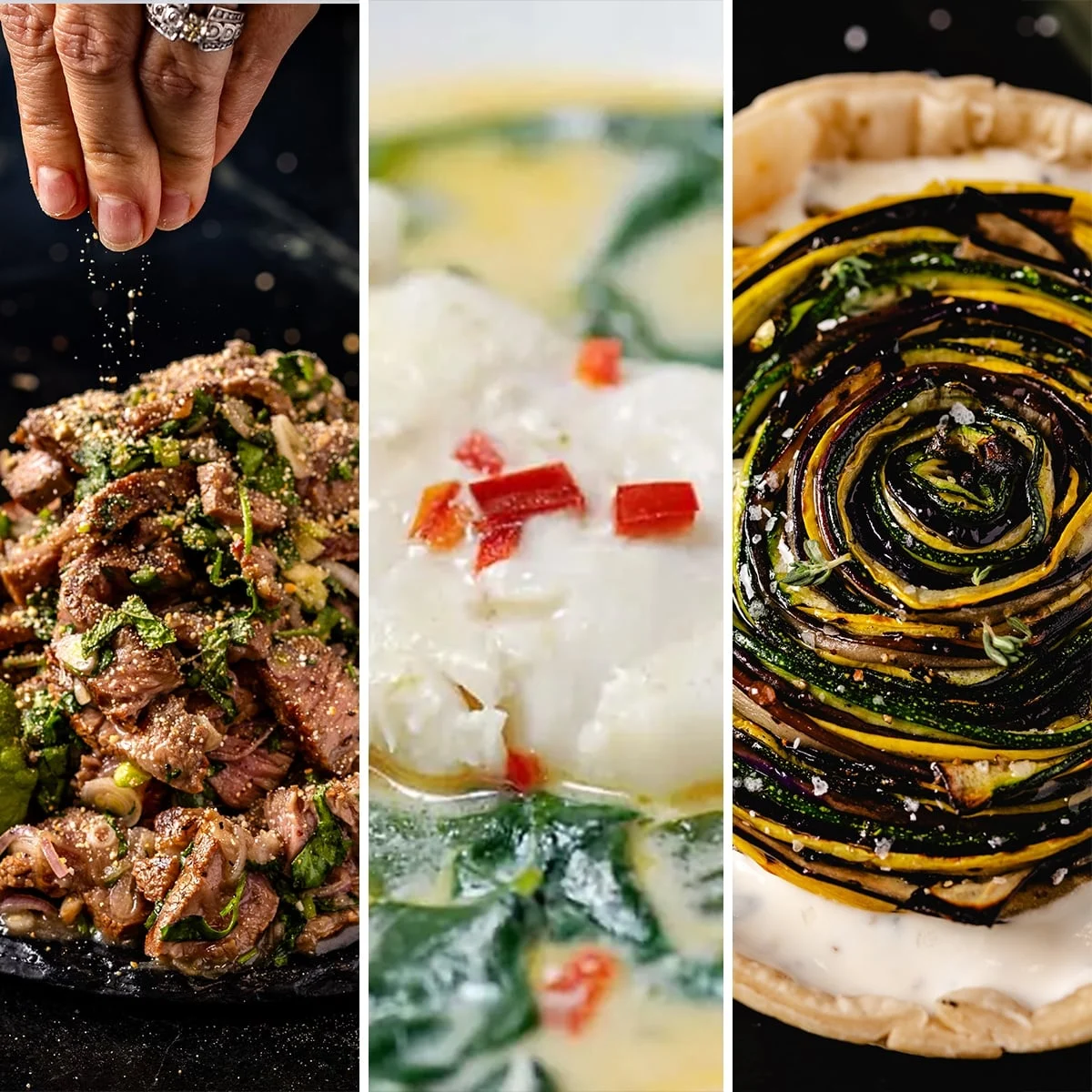
Bulloch and Vanover opted for a technically demanding Grilled Summer Vegetable Tart. The execution involved several distinct stages:
- Pastry Construction: Fabricating a butter-based crust from scratch, a task rarely seen in outdoor cooking due to the difficulty of maintaining fat consistency in heat.
- Cast-Iron Baking: Utilizing Lodge cast-iron skillets placed within the smoker to bake the crust, followed by a direct-coal finish to ensure structural integrity.
- Vegetable Preparation: Thinly slicing eggplant, zucchini, and squash to create a "rosette" pattern, which was then charred over an open flame.
- Flavor Layering: Incorporating a ricotta and mascarpone base and finishing the dish with a honey drizzle.
The decision to bake a pastry over live fire was noted by judge Jess Pryles as a significant risk, eventually earning the team a "hats off" commendation for their successful execution of the crust.
The Big Burn: A Test of Multi-Protein Coordination
Following the Flash Burn, the contestants moved into the Big Burn, the episode’s primary challenge. The theme was "Surf and Turf," a classic culinary pairing that presents unique difficulties in a barbecue context. Seafood and beef require vastly different temperature profiles and cooking durations; overcooking a delicate white fish or under-rendering the fat in a steak can lead to immediate disqualification.

The contestants were allotted a three-hour window to complete the task. Bulloch and Vanover divided the labor to leverage their respective strengths, focusing on a fusion of coastal and Southeast Asian flavors.
The "Surf" Component: Plank-Roasted Halibut
Vanover spearheaded the seafood portion, selecting halibut as the primary protein. The technique involved:
- Plank Roasting: Utilizing wood planks to shield the delicate fish from direct heat while infusing it with aromatic smoke.
- Aromatic Infusion: The fillets were tied with butcher’s twine over fresh mint and parsley.
- Poaching Finish: The fish was finished in a coconut milk broth enriched with Fresno chilis and lime, a method derived from Vanover’s established poached cod recipes.
The "Turf" Component: Thai Beef Waterfall Salad
Bulloch managed the beef portion, executing a variation of Nam Tok Neua, or Thai Beef Waterfall Salad. This dish is characterized by its high protein-to-vegetable ratio and bold umami profile.
- Marination: The steak was treated with soy sauce and black pepper.
- Reverse Sear Method: The meat was initially placed under indirect heat to absorb smoke before being transferred directly onto the coals for a high-temperature sear.
- Finishing Touches: The dish was dressed with fish sauce and topped with toasted rice powder, providing the essential "crunch" and nutty flavor profile characteristic of the dish.
Analytical Perspective: The Technical Challenges of Outdoor Judging
The judging process for Pitmasters Episode 3 took place at a hilltop location, requiring contestants to transport their finished dishes from their cooking stations to the judges’ table. This logistical hurdle is more than a mere physical challenge; it affects the "resting" period of the meat and the temperature of the sauces.
In a professional kitchen, a dish moves from the pass to the table in seconds. In this competition, the delay can lead to the "carry-over cooking" effect, where the internal temperature of a steak continues to rise, potentially moving it from a perfect medium-rare to an overcooked medium. Bulloch and Vanover had to account for this transit time in their preparation, demonstrating a high level of situational awareness.

Official Responses and Judge Feedback
The panel of judges, consisting of Andrew Zimmern, Jess Pryles, and Ernest Servantes, provided critical evaluations that highlighted the high caliber of the episode’s entries. Andrew Zimmern, a four-time James Beard Award winner, was particularly vocal regarding the beef dish. Zimmern stated that the Thai Beef Waterfall Salad was among the best beef dishes he had encountered since the start of the competition.
The judges noted that the "Surf and Turf" elements were not merely served side-by-side but felt "cohesive," a common pitfall in this type of challenge where the two proteins often feel disjointed. A notable moment from the unedited footage revealed the judges providing immediate reassurance to Bulloch and Vanover, informing them they would not be eliminated and could "relax through the results."
Broader Impact and Industry Implications
The performance of Bulloch and Vanover in Episode 3 has broader implications for the representation of women in the barbecue industry. Historically, competitive barbecue has been a male-dominated field. However, according to a 2023 report on outdoor cooking trends, women now account for nearly 40% of primary grillers in American households, a 10% increase from the previous decade.
The success of the Hey Grill Hey and Girls Can Grill brands on a national stage serves as a catalyst for this demographic shift. By successfully navigating challenges that range from delicate pastry baking to high-heat steak searing, the duo is redefining the technical boundaries of the genre.
Furthermore, the emphasis on vegetarian barbecue in the Flash Burn challenge signals a shift in how television networks and culinary organizations view the future of the industry. As sustainability and dietary diversity become more prominent in consumer consciousness, the ability of pitmasters to apply smoke and fire to non-meat ingredients will likely become a standard requirement for professional certification and competition.

Conclusion and Future Outlook
As Pitmasters moves toward its concluding episodes, the competition remains fierce. Bulloch and Vanover have demonstrated that they possess the mental fortitude and physical endurance required to compete against award-winning chefs in harsh elements. Their ability to integrate complex international flavors—such as the Thai influences in the Big Burn—with traditional live-fire techniques has established them as frontrunners in the eyes of both the judges and the viewing audience.
New episodes of Pitmasters continue to air on Food Network, with streaming availability on HBO Max and Discovery+. The series serves as a testament to the evolving nature of American barbecue, proving that the discipline is as much about innovation and global influence as it is about tradition. For Bulloch and Vanover, the journey through Episode 3 was a definitive victory in technical execution, regardless of the final standings, cementing their status as elite practitioners of the craft.
