

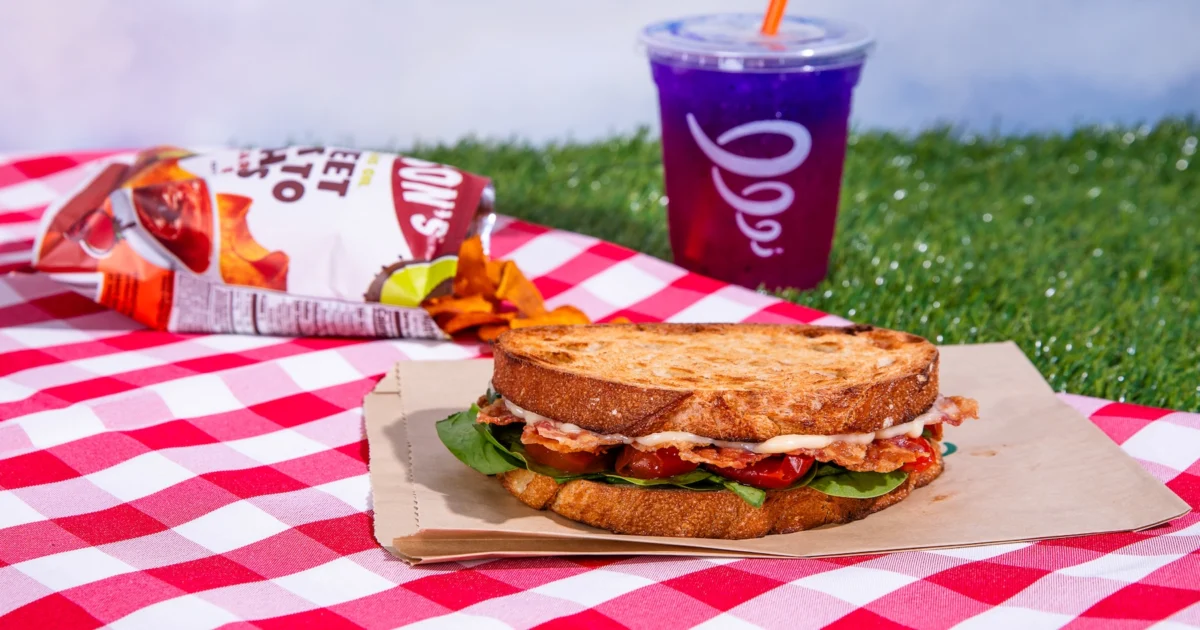
Jamba, a brand long synonymous with vibrant smoothies and refreshing juices, is embarking on a significant culinary exploration, venturing into the competitive realm of sandwiches with a limited-time market test. This strategic initiative, launched on Tuesday, aims to gauge consumer reception for a new line of seven sandwiches, primarily featuring rotisserie chicken, across select Jamba locations in California, Colorado, Nevada, and Arizona. The test is scheduled to run through October 14, providing a defined window for data collection and analysis before any potential broader rollout. This move signifies a deliberate effort by Jamba, a prominent member of the Atlanta-based GoTo Foods portfolio, to expand its menu beyond its traditional beverage offerings and tap into the burgeoning demand for more substantial, snackable food options.
Strategic Pivot Towards Food Offerings
For years, Jamba has been strategically cultivating the food side of its menu, recognizing the potential for incremental sales through add-on items and the growing consumer appetite for convenient, on-the-go snacks. This latest sandwich test represents a more ambitious step in that direction, moving beyond smaller snack items to offer a more complete meal solution. The parent company, GoTo Foods, has actively fostered synergy between its sister brands, including Jamba, Auntie Anne’s, and Cinnabon, through cobranding initiatives. This collaborative approach suggests a broader strategy to leverage cross-promotional opportunities and create a more comprehensive dining experience for customers visiting these affiliated outlets. The introduction of sandwiches at Jamba aligns with this overarching goal, aiming to attract a wider customer base and increase visit frequency by offering more diverse choices.
Unveiling the New Savory Lineup
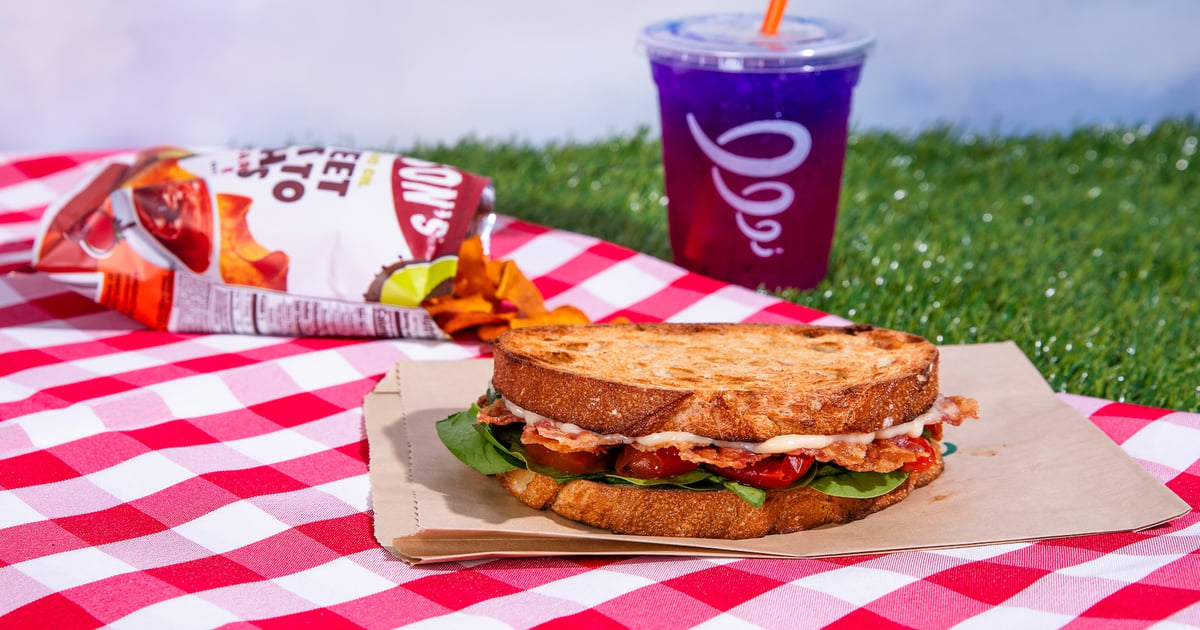
The limited-time offering introduces seven distinct sandwich creations, with a strong emphasis on rotisserie chicken as a core protein. While the specific details of each sandwich were not fully enumerated in the initial announcement, the focus on rotisserie chicken suggests a commitment to quality and a popular, versatile ingredient. This choice likely aims to appeal to a broad demographic, as rotisserie chicken is a familiar and widely accepted flavor profile. The strategic decision to test these items in a limited geographic area allows Jamba to gather crucial market intelligence without a full-scale operational commitment. This phased approach is a common practice in the food service industry, enabling brands to refine their offerings, operational processes, and marketing strategies based on real-world consumer feedback.
Market Performance and Industry Context
The introduction of sandwiches comes at a pivotal moment for Jamba, which has experienced fluctuations in its domestic sales and unit count in recent years. According to data from Technomic, Jamba’s domestic sales declined by nearly 5% in the past year, reaching $462 million. This decline was accompanied by a 2% reduction in its unit count, bringing the total to 710 locations. These figures underscore the imperative for Jamba to innovate and find new avenues for growth. Expanding the menu to include more substantial food items is a well-established strategy for quick-service and fast-casual brands seeking to boost average check sizes and attract customers who may be looking for more than just a beverage. By offering a compelling food menu, Jamba aims to become a more comprehensive destination, potentially capturing a larger share of the quick-service market.
Background and Rationale for the Test
The current sandwich test is not an isolated event but rather a culmination of years of strategic planning and market observation by Jamba and its parent company, GoTo Foods. The broader trend in the quick-service restaurant industry has been a move towards more sophisticated and diverse food menus, catering to evolving consumer preferences for healthier options, global flavors, and convenient meal solutions. Jamba’s foray into sandwiches can be seen as a direct response to these market dynamics. By leveraging the popularity of smoothies as a base for healthy eating and then extending that perception to savory options, Jamba aims to reinforce its brand image as a provider of fresh and accessible food choices. The rotisserie chicken focus likely stems from its perceived health benefits and broad appeal, fitting well within a brand that often emphasizes fresh ingredients.
Operational Considerations and Future Implications
The success of this limited-time test will likely hinge on several factors, including the quality and taste of the sandwiches, the efficiency of in-store operations for preparing and serving them, and the effectiveness of Jamba’s marketing efforts to communicate these new offerings to consumers. The logistical challenge of integrating a new food preparation process into existing Jamba locations, which are primarily set up for beverage production, will be a key consideration. However, with the GoTo Foods portfolio’s experience in managing diverse food concepts, it is plausible that operational strategies have been developed to facilitate this transition.
The implications of a successful sandwich test for Jamba are significant. If the new line resonates with consumers, it could lead to a permanent menu expansion, a substantial increase in sales and profitability, and a strengthened competitive position within the quick-service market. It could also pave the way for further food innovation, potentially leading to other new product introductions in the future. Conversely, if the test does not yield the desired results, Jamba will have gathered valuable data to inform future menu development and strategic decisions, mitigating the risk of a larger, less successful rollout.
Broader Industry Impact and Consumer Trends
Jamba’s move into sandwiches is indicative of a larger trend across the food service industry where brands are constantly seeking to diversify their offerings and capture new revenue streams. The lines between traditional beverage-focused establishments and quick-service eateries are becoming increasingly blurred. Consumers are looking for convenience and variety, and brands that can successfully cater to these demands are well-positioned for growth. The success of Jamba’s sandwich test could encourage other beverage-centric brands to explore similar menu expansions, further intensifying competition in the fast-casual and quick-service sectors.
The emphasis on rotisserie chicken also reflects a broader consumer interest in protein-forward, yet relatively healthy, meal options. As consumers become more health-conscious, the demand for lean protein sources continues to rise. Jamba’s ability to capitalize on this trend by offering appealing chicken sandwiches could significantly boost its appeal to a health-conscious demographic that may not have previously considered Jamba as a primary dining destination.
Analysis of the Test Markets
The selection of California, Colorado, Nevada, and Arizona for this test is strategic. These states represent diverse consumer bases and significant markets for quick-service dining. California, in particular, is known for its trend-setting consumer behavior and a strong demand for innovative and health-conscious food options. Colorado and Arizona also have robust quick-service markets, with a growing population that embraces convenience and varied dining experiences. Nevada, with its significant tourism industry, offers another dynamic environment to test new food concepts. The performance of Jamba’s sandwiches in these varied markets will provide a comprehensive understanding of their appeal across different demographics and regional preferences.
Official Statements and Future Outlook
While specific quotes from Jamba or GoTo Foods executives were not available in the initial announcement, the decision to conduct a market test speaks volumes about the company’s commitment to exploring new growth avenues. The phrasing "extension of the menu" suggests a deliberate and considered approach to integration, aiming to complement rather than detract from Jamba’s existing brand identity. The company’s history of adapting to market demands, coupled with its affiliation with GoTo Foods’ broader strategic vision, indicates a forward-thinking approach to menu development and brand evolution. The coming weeks, leading up to October 14, will be critical in observing consumer engagement with these new savory offerings and will undoubtedly shape the future direction of Jamba’s food menu. The data gathered from this test will be instrumental in determining whether Jamba will become a more prominent player in the sandwich market, further solidifying its position as a versatile and evolving brand in the competitive food service landscape.
