

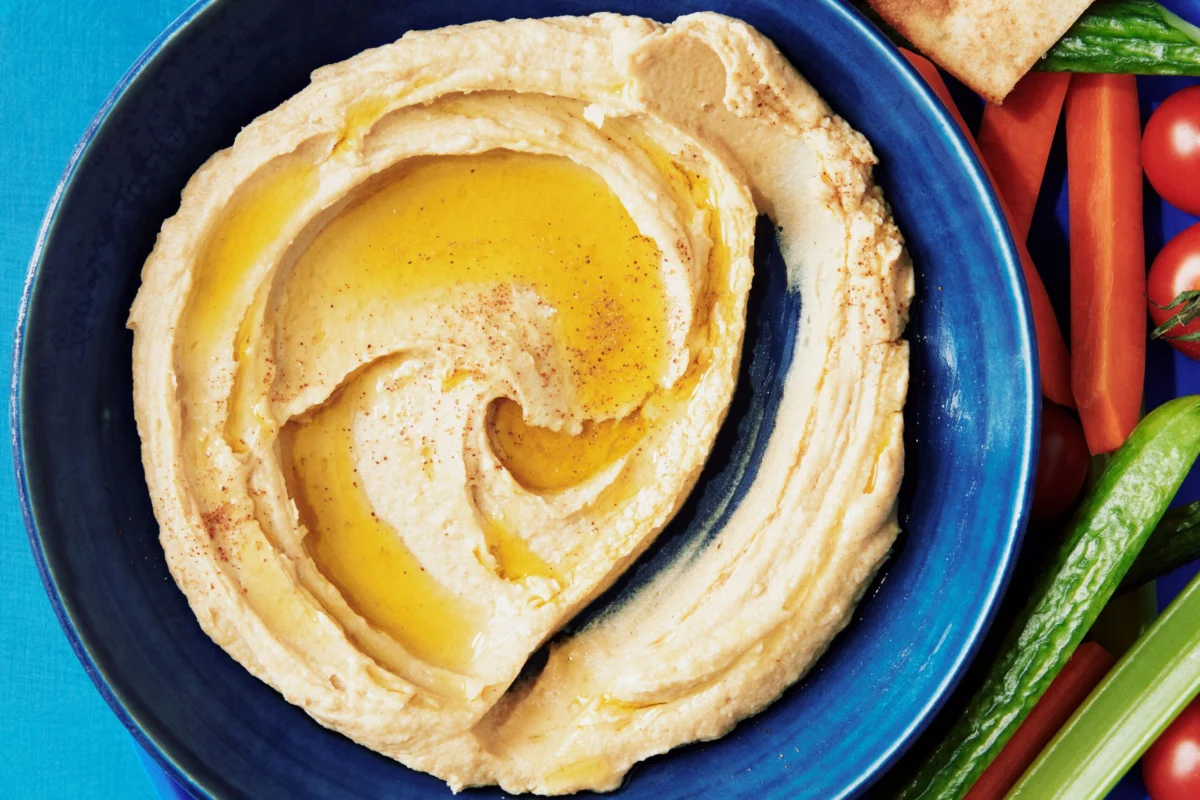
The pursuit of culinary perfection often hinges on subtle techniques, and for many home cooks, the quest for truly silky, airy hummus has long remained an elusive endeavor. While homemade hummus is widely recognized as one of the simplest dips to prepare, bridging the gap between a rustic, grainy rendition and the ethereal smoothness found in high-end restaurants or premium store-bought versions has presented a significant challenge. Recent insights from the culinary world, however, reveal a surprisingly straightforward yet highly effective method to achieve this coveted texture: the strategic incorporation of ice cubes during the blending process. This innovative approach, combining common pantry staples with the power of modern kitchen appliances, has begun to revolutionize how enthusiasts approach this ancient Levantine staple.
At its core, this refined hummus recipe relies on a foundation of readily available ingredients: canned chickpeas, high-quality tahini, fresh lemon juice, garlic, and olive oil. What elevates it beyond a standard preparation, transforming it into an exceptionally light and creamy dip, is the judicious use of ice cubes. Far from merely diluting the mixture, these frozen water fragments play a critical role in emulsifying the ingredients, creating a consistency that is both rich and remarkably airy. The entire process, from assembly to serving, can be completed in approximately ten minutes, making gourmet-quality hummus accessible to even the busiest home chef. The finished product is versatile, pairing exquisitely with warm homemade pita and crisp vegetables, serving as a delectable spread for sandwiches and wraps, or enhancing the depth of flavor in grain bowls and mezze platters.
The Science Behind the Silky Smoothness
The transformation of humble chickpeas into a luxuriously smooth dip is a testament to the interplay of ingredients and technique, particularly the often-underestimated role of temperature and mechanical force. Achieving creamy hummus involves more than just throwing ingredients into a blender; it requires an understanding of emulsification and the physics of friction.
Emulsification is the process of mixing two immiscible liquids, like oil and water, by dispersing one as tiny droplets throughout the other. In hummus, the tahini (sesame paste) and olive oil provide the fat component, while the liquid from the canned chickpeas and, crucially, the ice cubes, provide the water. When these are blended at high speed, the fats are broken down into microscopic particles and suspended evenly throughout the water-based mixture, resulting in a stable, homogenous, and creamy consistency.
The introduction of ice cubes is a critical innovation in this process. Blending, especially with high-powered machines, generates significant friction and heat. This heat can negatively impact the emulsion, causing the fats to separate or the tahini to become bitter. By introducing ice, the temperature of the mixture is actively cooled. This cooling effect helps maintain the stability of the emulsion, preventing the oils from breaking down or becoming greasy. Furthermore, the cold temperature can cause the proteins and starches in the chickpeas to behave differently, contributing to a lighter, fluffier texture. The ice cubes also break down into incredibly fine water particles, which integrate more seamlessly into the emulsion than simply adding cold water, resulting in a silkier finish without watering down the flavor. This controlled cooling is a subtle yet profound factor in achieving the desired airy, exceptionally light, yet creamy texture that distinguishes restaurant-grade hummus.
The efficacy of a high-powered blender in this context cannot be overstated. Unlike traditional food processors, which can create a delicious, albeit slightly coarser, hummus, high-powered blenders operate at speeds that generate immense shear force. This force is instrumental in completely pulverizing the outer skins of the chickpeas, which are often the primary culprits behind a gritty texture. The blades of these blenders can break down ingredients to a microscopic level, ensuring that every component contributes to the overall smoothness. While a food processor will still yield a tasty homemade hummus, the superior blade speed and power of a high-powered blender are essential for truly achieving that coveted velvety mouthfeel. If a food processor is used, adding chilled water gradually and blending for an extended period can help approximate the desired consistency, though it may never fully replicate the ultra-silky result of its more powerful counterpart.
A Brief History of Hummus: From Ancient Staple to Global Phenomenon
The journey of hummus from its ancient origins to a modern culinary sensation is a rich tapestry woven through centuries of Middle Eastern history and cultural exchange. While the exact genesis of hummus bi tahini (chickpeas with tahini) is debated among various Levantine nations, its presence as a dietary staple in the region dates back millennia. Chickpeas themselves have been cultivated for thousands of years, with archaeological evidence suggesting their consumption in the Middle East as early as 7,500 years ago. Early recipes for dishes resembling hummus, though not explicitly named as such, can be found in 13th-century Egyptian cookbooks, indicating a long-standing tradition of preparing mashed chickpeas with vinegar and herbs. The addition of tahini, a key ingredient that gives modern hummus its distinctive flavor and texture, likely evolved over time as sesame cultivation became more widespread.
Historically, hummus was a food of sustenance, providing an affordable and highly nutritious source of protein and fiber. It was consumed across social strata, from peasant tables to royal courts. The traditional preparation involved soaking dried chickpeas overnight, then boiling them until tender, followed by extensive mashing—often by hand with a pestle and mortar—and then combining them with tahini, lemon juice, garlic, and a drizzle of olive oil. This labor-intensive process was a daily ritual for many households, reflecting the dish’s fundamental role in the regional diet.
The global ascent of hummus began in earnest in the latter half of the 20th century. Post-World War II immigration from the Middle East to Western countries introduced these vibrant culinary traditions to new audiences. Initially confined to ethnic restaurants and specialty stores, hummus gradually transcended its niche. The rise of health-conscious eating in the late 20th and early 21st centuries played a pivotal role in its popularization. As consumers sought out plant-based, protein-rich, and naturally gluten-free options, hummus emerged as an ideal candidate. Its versatility as a dip, spread, and ingredient further cemented its place in the global pantry. Today, hummus is a ubiquitous item in supermarkets worldwide, a testament to its successful transition from a regional delicacy to a universal culinary icon.
The Hummus Market: A Global Culinary Powerhouse
The commercial success of hummus reflects its widespread acceptance and growing demand. The global hummus market has experienced significant expansion, driven by factors such as increasing consumer awareness of its health benefits, the rise of vegetarian and vegan diets, and a general appreciation for international cuisines. Market research firms consistently report robust growth in the hummus segment, with projections indicating continued expansion in the coming years. This growth is not only evident in traditional markets like North America and Europe but also in emerging economies where dietary preferences are diversifying.
The nutritional profile of hummus is a key driver of its popularity. Rich in plant-based protein from chickpeas, healthy monounsaturated fats from tahini and olive oil, and abundant dietary fiber, hummus offers a satisfying and wholesome food option. It is naturally cholesterol-free and often gluten-free, appealing to a broad spectrum of dietary needs and preferences. These health attributes align perfectly with contemporary wellness trends, where consumers are increasingly prioritizing foods that offer both taste and functional benefits.
Beyond its nutritional value, hummus’s versatility contributes significantly to its market strength. It functions as a classic dip for pita bread and vegetables, a flavorful spread for sandwiches and wraps, a creamy dressing for salads, and even a base for more elaborate main courses. This adaptability allows hummus to fit seamlessly into various meal occasions, from casual snacking to formal entertaining, ensuring its continued relevance in diverse culinary contexts. The market has also seen an explosion of flavor variations, from roasted red pepper and garlic to more adventurous combinations like beet, avocado, or spicy jalapeño, catering to evolving consumer tastes and fostering innovation within the category. This competitive landscape among brands, coupled with the burgeoning interest in gourmet homemade versions, underscores hummus’s status as a dynamic and enduring culinary powerhouse.
Expert Perspectives on the Ice Cube Technique
The emergence of the ice cube technique for superior hummus has garnered considerable attention within the culinary community, prompting discussions among chefs, food scientists, and cookbook authors. Culinary experts widely acknowledge the challenge of replicating the silken texture of professional-grade hummus at home, often attributing it to the specialized equipment and precise ingredient handling typically found in commercial kitchens. The ice cube method is seen as a significant breakthrough, democratizing this previously elusive quality.
Renowned chefs, often at the forefront of culinary innovation, have embraced and endorsed this technique. Chef Yotam Ottolenghi, a prominent figure in modern Middle Eastern cuisine, has emphasized the importance of high-quality tahini and proper blending for creamy hummus, and similar principles underpin the ice cube method. While specific quotes on the ice cube method from particular chefs may vary, the consensus among culinary professionals is that temperature control is paramount. As one prominent culinary instructor noted in a recent seminar on Levantine cuisine, "The thermal regulation offered by ice is critical. It’s not just about adding liquid; it’s about managing the heat generated by friction and ensuring the emulsion remains tight and vibrant. This simple trick elevates homemade hummus to a professional standard, making it indistinguishable from what you’d find in a top mezze bar."

Food scientists further elucidate the mechanisms at play. Dr. Anya Sharma, a food chemist specializing in emulsion stability, explains that "the rapid cooling provided by ice cubes helps to stabilize the oil-in-water emulsion that defines creamy hummus. It slows down the kinetic energy of the fat molecules, preventing them from coalescing and separating. Additionally, the cold helps to maintain the integrity of proteins and starches, contributing to a more cohesive and smooth matrix. It’s a brilliant example of applying basic food science principles to enhance a traditional dish." This scientific validation provides a robust foundation for what might otherwise seem like a mere kitchen hack.
Leading culinary publications and popular cooking shows have also been instrumental in disseminating this technique to a broader audience. Features in magazines like Bon Appétit and online platforms dedicated to home cooking have highlighted the ice cube trick, positioning it as an essential tip for anyone serious about making exceptional hummus. This widespread endorsement from various segments of the food industry underscores the method’s effectiveness and its potential to permanently alter home cooking practices for this beloved dip.
Beyond the Basic Dip: Culinary Applications and Versatility
The allure of perfectly smooth hummus extends far beyond its traditional role as a simple dip. Its rich, earthy flavor profile and creamy texture make it an incredibly versatile ingredient, capable of elevating a multitude of dishes across various cuisines. This adaptability is a key factor in its enduring popularity and continued integration into global culinary practices.
Naturally, the most common way to enjoy hummus is with warm, fluffy pita bread, serving as the centerpiece of a mezze platter alongside olives, feta cheese, and other Mediterranean delights. However, its utility does not end there. Crisp, fresh vegetables such as cucumber slices, carrot sticks, bell pepper strips, and radishes become more enticing when paired with a generous dollop of creamy hummus, offering a refreshing and healthy snack option. For those seeking a heartier accompaniment, pita chips and various crackers provide a satisfying crunch.
Beyond dipping, hummus transforms into a powerhouse ingredient for meal preparation. It makes an excellent spread for sandwiches and wraps, adding moisture, flavor, and a significant nutritional boost. Replacing mayonnaise or other condiments with hummus can enhance the health profile of a meal while introducing complex flavors. In the realm of grain bowls, a substantial scoop of hummus acts as a creamy, binding element, complementing roasted vegetables, grilled proteins, and ancient grains like quinoa or farro. Its presence adds a layer of richness and satiety, turning a simple bowl into a wholesome and flavorful meal. Hummus also serves as a fantastic base for more intricate mezze platters, providing a neutral yet flavorful canvas upon which to build an array of Middle Eastern appetizers.
The versatility of hummus also lends itself to endless flavor variations. While the classic version is undeniably delicious, home cooks and chefs alike are experimenting with additions such as roasted red peppers, sun-dried tomatoes, caramelized onions, fresh herbs like cilantro or parsley, and even unexpected ingredients like beets or avocado. These additions not only alter the color and flavor but can also slightly modify the texture, offering a personalized culinary experience. The ability to adapt this traditional recipe to modern tastes and dietary preferences further solidifies hummus’s position as a dynamic and indispensable component of contemporary cooking. This cultural and culinary bridge between ancient traditions and modern innovation ensures that hummus remains a beloved and endlessly adaptable dish.
Demystifying Common Hummus Questions
Understanding the nuances of hummus preparation can transform a good dip into a truly exceptional one. Several common questions frequently arise among home cooks, highlighting key areas of interest and potential pitfalls.
What makes hummus creamy?
Creaminess in hummus is a delicate balance achieved through both precise ingredient ratios and meticulous blending technique. The quality and quantity of tahini are paramount; a rich, smooth tahini provides the essential fat content that contributes to the luxurious mouthfeel. However, too much tahini can make the hummus heavy or bitter. The optimal balance allows tahini to impart its characteristic nutty flavor and smooth texture without overwhelming the other ingredients. Beyond ingredients, the blending process is crucial. A high-powered blender is recommended to thoroughly break down the chickpea skins and create a homogenous mixture. The addition of liquids—be it cold water, the reserved liquid from the canned chickpeas (aquafaba), or most effectively, ice cubes—is not merely for dilution but for aiding emulsification. Without sufficient liquid, the blended chickpeas and tahini can become a dense, pasty mass rather than a luscious, spreadable dip. The liquid facilitates the smooth movement of the blades and helps the ingredients integrate uniformly.
Why do you add ice cubes to hummus?
The addition of ice cubes to hummus is a sophisticated technique that addresses two critical aspects of texture and emulsification. Firstly, as discussed, blending generates heat through friction. This heat can cause the oils in the tahini and olive oil to warm up, potentially leading to a less stable emulsion or a slightly bitter taste from the heated tahini. Ice cubes actively cool the mixture, maintaining an optimal temperature throughout the blending process. This cooling effect ensures that the fats emulsify more effectively, resulting in a stable and velvety texture. Secondly, the cold temperature helps to create an exceptionally light and fluffy hummus. The ice cubes break down into incredibly fine water particles, which are then incorporated into the mixture, contributing to an airy consistency without making the hummus watery or thin. This method offers a distinct advantage over simply adding cold water, as the ice’s cooling action and gradual release of water into the blend produce a superior silky finish.
Can I make hummus in a food processor?
Yes, it is entirely possible to make delicious homemade hummus using a food processor, though the final texture may differ slightly from that achieved with a high-powered blender. A food processor, while effective at breaking down ingredients, typically operates at lower speeds than a high-powered blender. This means it may struggle to fully pulverize the tough outer skins of the chickpeas, which can result in a slightly less silky, more rustic texture. However, with patience and technique, excellent hummus can still be produced. To maximize smoothness in a food processor, blend the ingredients for a longer duration, pausing occasionally to scrape down the sides. If a looser consistency is desired, chilled water can be added gradually, one splash at a time, while the processor is running, allowing the mixture to emulsify properly. Some cooks also advocate for peeling chickpeas by hand to achieve ultimate smoothness when using a food processor, though this is a time-consuming step.
What do you eat with hummus?
The versatility of hummus is one of its most appealing attributes, making it suitable for a wide array of culinary pairings and applications. Traditionally, hummus is served as a dip with warm, soft pita bread, providing a comforting and satisfying combination. For a healthier alternative, it pairs wonderfully with an assortment of crisp, raw vegetables such as cucumber slices, carrot sticks, celery, bell pepper strips, radishes, and cherry tomatoes. Beyond these classic pairings, hummus excels as a flavorful spread. It can replace mayonnaise or other condiments in sandwiches and wraps, adding a rich, creamy texture and a boost of protein and fiber. Its robust flavor profile also makes it an excellent addition to grain bowls, where it can be swirled in as a base or dolloped on top, complementing roasted vegetables, grilled meats, or plant-based proteins. For entertaining, hummus is a staple on mezze platters, surrounded by olives, pickles, feta cheese, falafel, and other Middle Eastern delicacies. Creative applications extend to using it as a base for pizzas, thickening soups, or even as a unique topping for baked potatoes. The possibilities are truly endless, limited only by culinary imagination.
Implications for Modern Home Cooking
The popularization of techniques like the ice cube method for hummus carries broader implications for modern home cooking. It signifies a growing trend towards the "democratization" of gourmet techniques, allowing home cooks to achieve professional-level results with accessible tools and ingredients. This empowerment encourages experimentation and fosters a deeper engagement with the culinary arts, moving beyond mere recipe following to understanding the science and artistry behind food preparation.
The emphasis on texture, exemplified by the pursuit of silky hummus, highlights a maturing palate among home cooks. Texture is increasingly recognized as a crucial component of culinary excellence, on par with flavor and aroma. Innovations that address textural perfection resonate strongly with a generation of cooks exposed to diverse cuisines and high-quality food media.
Furthermore, this trend reflects the ongoing fusion of traditional recipes with modern scientific understanding. Ancient dishes are not static; they evolve with new knowledge and technologies. The ice cube trick is a perfect example of how contemporary food science can enhance and refine age-old culinary practices, making them more efficient and yielding superior results without sacrificing authenticity. This blending of tradition and innovation ensures that beloved dishes remain relevant and continue to delight new generations.
In conclusion, the seemingly simple addition of ice cubes to a hummus recipe is far more than a mere kitchen hack; it represents a significant step forward in the quest for culinary perfection at home. By leveraging basic food science principles—specifically, the control of temperature during emulsification—this technique transforms everyday ingredients into an exceptionally silky, airy, and restaurant-quality dip. As hummus continues its reign as a global culinary favorite, this innovative approach promises to elevate the homemade experience, empowering cooks to achieve unparalleled results and further cementing hummus’s status as a timeless and endlessly adaptable dish.
