

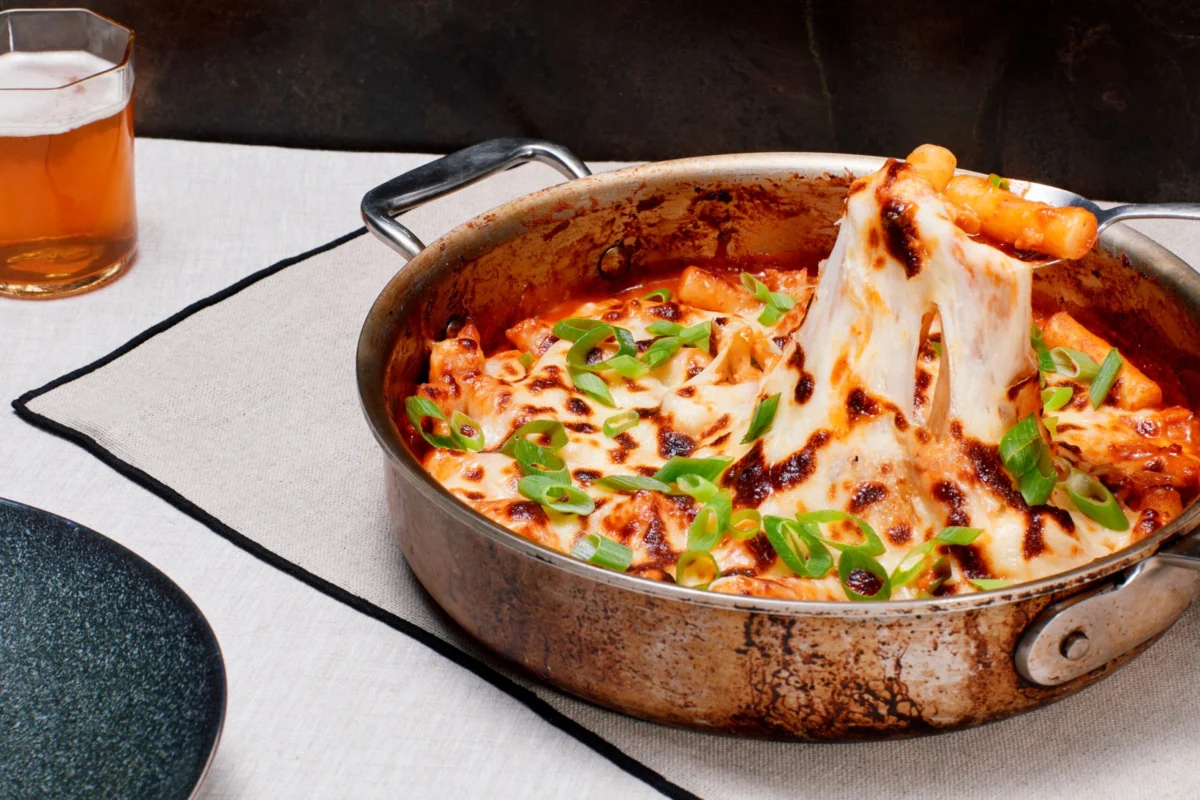
Gochujang, a thick, fermented chili paste, stands as an indispensable pillar of Korean culinary tradition, forming the fundamental backbone of beloved classics such as tteokbokki, dakgalbi, and bibimbap. However, its profound utility and complex flavor profile extend far beyond these iconic dishes, increasingly finding its way into a vast array of global cuisines. This versatile condiment can be seamlessly integrated into marinades and glazes, expertly whisked into sauces and soups, or creatively combined with staples like butter, mayonnaise, or cream to impart an immediate and distinctive umami-rich flavor boost. The expanding repertoire of recipes incorporating gochujang now encompasses quick weeknight dinners, comforting slurpable noodle dishes, bubbling stews, innovative sandwiches, perfectly grilled meats, and vibrant vegetable sides, underscoring its adaptability. Given that gochujang’s heat intensity can vary significantly across different brands, culinary professionals and home cooks alike are advised to taste as they cook, adjusting the quantity to achieve the desired spice level. Crucially, it is imperative not to confuse gochujang with gochugaru; while the latter refers to Korean red pepper powder, gochujang is a distinct, fermented paste characterized by a far more intricate sweet-savory depth.
Historical Roots and Cultural Significance
The history of gochujang is deeply interwoven with the agricultural and cultural evolution of Korea, dating back centuries. Historical records suggest the development of fermented pastes, or jangs, began in ancient Korea, with evidence of their consumption appearing in texts from the Three Kingdoms period (57 BCE – 668 CE). While the exact origin of chili peppers in Korea is debated, generally attributed to introductions from Japan or China in the 16th or 17th century, their subsequent integration into existing fermentation techniques led to the birth of what we now recognize as gochujang. Prior to the advent of chili peppers, early forms of spicy condiments likely relied on ingredients like sansho pepper.
Traditional gochujang production is a meticulous, time-honored process, typically occurring in the late autumn or early winter. It involves grinding dried chili peppers (gochugaru) with glutinous rice flour, fermented soybean powder (meju), malted barley powder, and salt, then mixing them with water to form a thick paste. This mixture is then transferred into large earthenware pots called jangdok or onggi, which are left outdoors, often on elevated platforms called jangdokdae, to ferment naturally under the sun for several months, sometimes even over a year. This prolonged fermentation, facilitated by naturally occurring microorganisms, is what imparts gochujang its characteristic complex, savory, sweet, and pungent flavor profile, along with its rich, deep red hue. This method not only preserved food but also contributed vital nutrients and unique flavors to the Korean diet, making gochujang a staple in rural households and a symbol of Korean culinary identity. The jangdokdae became a symbol of a well-kept home and a source of family pride, signifying self-sufficiency and culinary tradition.
The Art of Fermentation: From Meju to Paste
The fermentation process is central to gochujang’s unique qualities. The meju, or fermented soybean brick, is a critical component, providing the enzymatic activity and microbial cultures necessary for the transformation of starches and proteins into complex sugars, amino acids, and organic acids. This process not only enhances flavor but also contributes to the paste’s nutritional value, often cited for its probiotic benefits. The glutinous rice, typically steamed and then fermented, provides the sweetness and body, while the gochugaru delivers the heat and vibrant color. The interaction of these ingredients over time, guided by ambient temperature and humidity, results in the distinctive umami depth that defines gochujang. Different regions of Korea, such as Sunchang County in North Jeolla Province, are renowned for their gochujang, often attributed to specific local water quality and traditional fermentation techniques passed down through generations. Sunchang gochujang, for instance, is often celebrated for its milder heat and deeper sweetness, believed to be influenced by the region’s specific climate and the use of glutinous rice cultivated locally.
Beyond Tradition: Gochujang’s Culinary Versatility
While its roots are firmly planted in traditional Korean cuisine, gochujang’s adaptability has allowed it to transcend geographical and culinary boundaries. In Korea, its applications are endless:
- Tteokbokki: The iconic spicy rice cakes, simmered in a rich gochujang-based sauce.
- Bibimbap: A colorful mixed rice dish, where a spoonful of gochujang is stirred in for flavor.
- Dakgalbi: Spicy stir-fried chicken and vegetables, coated in a thick gochujang marinade.
- Jjigae (Stews): Central to many hearty stews like Sundubu Jjigae (soft tofu stew) or Kimchi Jjigae, providing depth and spice.
- Marinades: Essential for bulgogi (grilled marinated beef) and samgyeopsal (grilled pork belly), often mixed with soy sauce, garlic, and sesame oil.
- Ssamjang: A popular dipping sauce for grilled meats, typically a blend of gochujang, doenjang (fermented soybean paste), garlic, and sesame oil.
Globally, chefs and home cooks are increasingly experimenting with gochujang, integrating its complex flavor into fusion dishes that span continents. Examples include:
- Gochujang-glazed ribs or wings: Offering a sweet-spicy kick to classic barbecue.
- Gochujang aioli or mayonnaise: A flavorful spread for sandwiches, burgers, or as a dip for fries.
- Gochujang pasta sauces: Adding an unexpected Korean twist to Italian staples.
- Dressings for salads or roasted vegetables: Infusing a vibrant, savory element.
- Soups and broths: Enhancing the depth of non-Korean broths, from ramen to pho.
- Spicy cocktails: A dash of gochujang can introduce an intriguing savory heat.
This innovative usage is driven by gochujang’s unique flavor profile, which provides a harmonious balance of five key tastes: heat from the chili, sweetness from the glutinous rice, umami from the fermented soybeans, saltiness from the curing process, and a subtle tang from fermentation. This complexity allows it to elevate simple dishes and introduce an exotic yet comforting warmth.
Distinguishing Gochujang from Gochugaru
The distinction between gochujang and gochugaru is crucial for anyone exploring Korean cuisine. While both are derived from chili peppers and are fundamental to the Korean pantry, their forms, functions, and flavor profiles are significantly different.
Gochugaru (Korean Red Pepper Powder):
- Form: A coarse or fine powder made from dried, deseeded chili peppers.
- Flavor Profile: Primarily offers pure chili heat and a vibrant red color. While it has some natural pepper flavor, it lacks the fermented depth and sweetness of gochujang.
- Uses: Essential for making kimchi, where it provides both color and heat. It’s also used to season marinades, sprinkle over dishes as a garnish for extra spice, or added to soups and stews for a direct chili kick without altering the texture significantly. Gochugaru comes in varying levels of coarseness and spiciness.
Gochujang (Korean Fermented Chili Paste):
- Form: A thick, viscous paste.
- Flavor Profile: A complex blend of sweet, savory, spicy, and umami, with fermented notes. The sweetness comes from glutinous rice, and the umami depth from fermented soybeans. The heat level can vary.
- Uses: Used as a base for sauces, marinades, and stews. Its thick consistency makes it ideal for coating ingredients, creating rich, flavorful bases, or serving as a condiment where a textural element is desired.
While distinct, these two ingredients often complement each other in Korean cooking. For instance, a marinade for spicy pork might incorporate both gochujang for its deep flavor and gochugaru for an additional layer of heat and color. Understanding their individual characteristics is key to mastering the nuances of Korean flavors.
The Global Phenomenon: Market Growth and Export Trends
The global rise of gochujang is inextricably linked to the broader phenomenon of the Hallyu wave, or the Korean Wave, which has seen Korean pop culture (K-Pop, K-Dramas, K-Beauty) captivate audiences worldwide. This cultural surge has naturally led to a heightened interest in Korean cuisine, with gochujang emerging as a key ambassador.
Market analyses indicate a significant and sustained growth in the global demand for gochujang. Reports suggest the global market for Korean fermented pastes, including gochujang, has been expanding at a compound annual growth rate (CAGR) of over 7% in recent years, projected to reach several billion dollars by the mid-2020s. Major export markets include the United States, China, Japan, and countries in Southeast Asia and Europe. The increasing popularity of plant-based diets has also contributed, with gochujang offering a potent umami flavor for vegetarian and vegan dishes.

Leading Korean food manufacturers, such as CJ CheilJedang, Daesang Corporation, and Sempio Foods Company, have been instrumental in this global expansion. These companies have invested heavily in research and development to create products suitable for international palates, including varying heat levels and convenient packaging. They also actively participate in international food expos and marketing campaigns, collaborating with celebrity chefs and food influencers to promote gochujang’s versatility. For example, CJ CheilJedang reported a significant increase in overseas sales of its gochujang products, with exports to the U.S. alone seeing double-digit growth year-on-year. This expansion is not without its challenges, including adapting to diverse food safety regulations, managing logistics for perishable goods, and educating consumers in markets unfamiliar with fermented foods.
Industry Perspectives and Expert Commentary
"Gochujang is more than just a condiment; it’s a testament to Korea’s rich culinary heritage and ingenious food preservation techniques," states Dr. Min-jun Kim, a culinary historian specializing in East Asian food culture. "Its evolution from a humble household staple to a global ingredient reflects centuries of agricultural wisdom and cultural resilience. The fermentation process itself is a profound example of how nature and human ingenuity can create something truly extraordinary."
Chef David Chang of Momofuku fame, among many international culinary figures, has frequently championed gochujang, integrating it into his innovative menus. "Gochujang brings an incredible depth of flavor that’s hard to replicate," Chang remarked in a recent interview. "It’s got that perfect balance of sweet, spicy, and savory, with a funky umami kick that makes everything taste better. It’s incredibly versatile, and we’re only just scratching the surface of its potential in global cuisine."
Spokespersons from major gochujang manufacturers also express optimism. "We’ve seen an unprecedented surge in demand for gochujang from markets that traditionally had little exposure to Korean food," noted Ms. Lee So-yeon, Head of International Marketing at a prominent Korean food company. "This isn’t just a trend; it’s a fundamental shift in global culinary preferences, driven by a desire for authentic, flavorful, and often healthier fermented foods. Our focus is on maintaining the traditional quality while innovating for broader accessibility and diverse applications."
Looking Ahead: The Future of Gochujang
The continued ascent of gochujang carries significant economic and cultural implications for South Korea. Economically, it strengthens the country’s food export sector, supports traditional agricultural practices, and enhances brand Korea on the international stage. Culturally, it serves as a powerful tool for soft diplomacy, fostering a deeper appreciation for Korean culture through its most universal medium: food. As more people around the world experience the distinctive taste of gochujang, it naturally sparks curiosity about other aspects of Korean life and heritage.
Challenges remain in sustaining the authenticity of gochujang amidst mass production and increasing global demand. Efforts are being made by producers and government bodies to standardize quality, protect geographical indications for specific regional varieties, and educate consumers about the health benefits and proper usage of this complex paste. Furthermore, ongoing research into fermentation science aims to optimize production while preserving traditional flavor profiles.
The future of gochujang appears vibrant and expansive. As global palates become more adventurous and the demand for unique, umami-rich flavors continues to grow, this Korean fermented chili paste is poised to solidify its position not merely as a foreign condiment, but as a truly global ingredient, inspiring new culinary creations and enriching dishes across every continent. Its journey from ancient Korean hearths to international fine dining establishments is a testament to its enduring appeal and remarkable versatility.
