

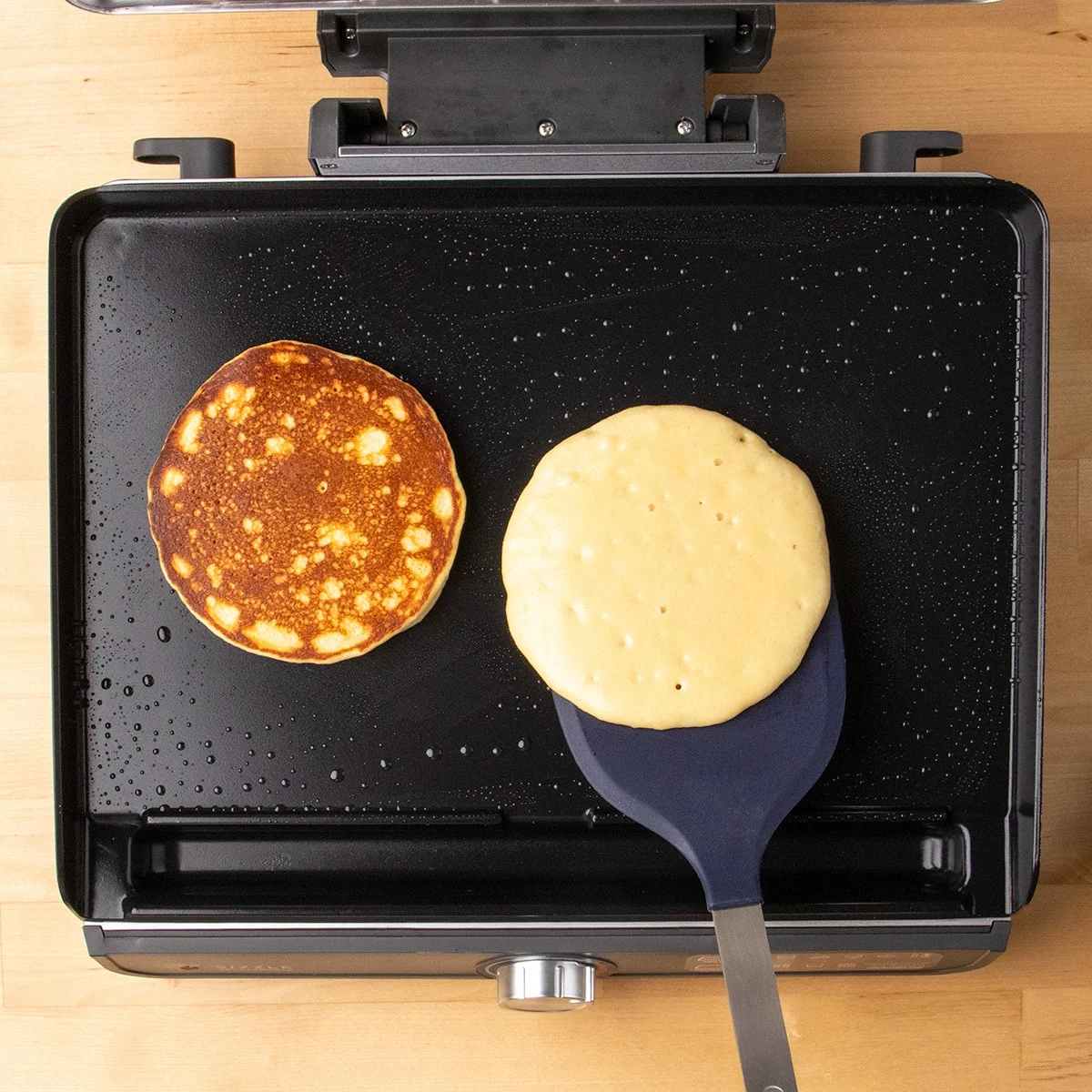
These lightly sweet Paleo pancakes, crafted with almond flour, offer a naturally high-protein start to the day. Enhanced with tapioca starch for structure and a tender crumb, they aim to replicate the satisfying taste and texture of traditional pancakes. The recipe also provides instructions for creating homemade Paleo baking powder, crucial for achieving a fluffy result.
The Appeal of Paleo Pancakes
The appeal of these Paleo pancakes lies in their ability to be both a nutritious and enjoyable breakfast option. They are reported to freeze exceptionally well, making them ideal for meal prepping. The high protein content derived from almond flour contributes to satiety, helping individuals feel full and energized throughout the morning. This characteristic aligns with dietary trends emphasizing whole foods and sustained energy release.
A key aspect of this recipe’s success is the synergistic combination of almond flour and tapioca starch. Almond flour provides the protein and a rich, nutty base, while tapioca starch lends a desirable chewiness and helps bind the ingredients, preventing a crumbly texture. Many almond flour-based baked goods can carry a distinct almond flavor, but this recipe is specifically formulated to minimize that, aiming for a taste profile that closely resembles conventional pancakes. This careful balance of ingredients is designed to offer a satisfying sensory experience, bridging the gap between dietary preferences and classic comfort food.
Understanding the Ingredients
The foundation of these Paleo pancakes rests on carefully selected ingredients, each playing a specific role in achieving the desired outcome.

- Almond Flour: This is the primary flour used, providing a significant source of protein and healthy fats. Its finely ground nature is crucial for a smooth batter and tender texture. Unlike traditional wheat flour, almond flour is naturally gluten-free and low in carbohydrates.
- Tapioca Starch: Derived from the cassava root, tapioca starch acts as a binder and contributes to the pancakes’ texture. It imparts a subtle chewiness and helps create a cohesive batter, essential for preventing the pancakes from falling apart. It also contributes to the "real pancake" feel, offering a lightness that can sometimes be challenging to achieve with solely almond flour.
- Baking Powder: This leavening agent is vital for creating fluffy pancakes. The recipe specifically addresses the need for Paleo-compliant baking powder, offering a DIY alternative to store-bought versions that may contain non-Paleo ingredients like cornstarch.
- Salt: A small amount of salt enhances the overall flavor profile of the pancakes, balancing the sweetness and bringing out the other ingredients’ nuances.
- Milk: The liquid base of the batter. For a strictly Paleo approach, unsweetened almond milk or coconut milk are common choices. The type of milk used can subtly influence the final flavor and moisture content.
- Coconut Oil: Used for its binding properties and to add moisture to the batter. Melted coconut oil also contributes to the richness of the pancakes.
- Eggs: Eggs are essential binders in pancake recipes, providing structure and helping the batter emulsify. They also contribute protein to the overall dish.
- Honey: Serves as the primary sweetener in this recipe. As a natural, unrefined sweetener, it aligns with Paleo dietary principles. The amount of honey can be adjusted to individual taste preferences.
The Crafting Process: A Step-by-Step Guide
Creating these Paleo pancakes involves a straightforward process, emphasizing the importance of proper technique for optimal results.
Making the Batter
- Combine Dry Ingredients: The process begins by thoroughly whisking together the almond flour, tapioca starch, Paleo baking powder, and salt in a large mixing bowl. This step is critical to ensure even distribution of the leavening agent and to break up any clumps, particularly in the almond flour, which can contain a higher fat content that leads to clumping.
- Incorporate Wet Ingredients: The liquid ingredients—milk, melted coconut oil, eggs, and honey—are then added to the dry mixture. These are whisked together until a smooth batter is formed. The consistency should resemble that of heavy cream.
- Allow Batter to Rest: A brief resting period of approximately 10 minutes is recommended. This allows the flours to absorb some of the moisture, leading to a slightly thicker batter. Using the batter immediately can result in thinner pancakes than desired.
Cooking the Pancakes
- Preheat Cooking Surface: An electric griddle set between 325°F and 350°F (163°C and 177°C) is suggested, or a nonstick or well-seasoned cast iron skillet heated over medium heat. It is crucial to avoid overheating the surface, as almond flour’s high fat content makes it prone to burning. Greasing the cooking surface, even if nonstick, is advised to promote even browning, especially around the edges.
- Pour the Batter: Approximately 1/4-cup portions of batter are poured onto the heated surface to form individual pancakes.
- Cook the First Side: The pancakes are cooked until large bubbles appear on the surface and the edges appear set and matte, typically around 1.5 minutes.
- Flip and Finish: Using a wide spatula, the pancakes are carefully flipped. They are then cooked for an additional 30 seconds to one minute, or until golden brown and cooked through on both sides.
- Repeat and Keep Warm: The cooking surface should be re-greased between batches. Cooked pancakes can be kept warm on a covered plate or in a low-temperature oven (around 200°F / 93°C) while the remaining batter is used.
Expert Insights for Optimal Results
To elevate the pancake-making experience, several expert tips can ensure consistent success.
Proactive Preparation: The Dry Mix Advantage
To streamline the morning routine, the dry ingredients—almond flour, tapioca starch, baking powder, and salt—can be pre-mixed and stored. Due to the fat content in almond flour, it’s advisable to store this dry mix in the freezer or refrigerator to prevent rancidity. Before use, allow the mixture to return to room temperature, as cold almond flour can lead to clumping.
Precision in Measurement: The Role of Weight
As with most baking endeavors, precision is key. For almond flour and tapioca starch, measuring by weight using a digital kitchen scale is recommended for accuracy, circumventing the potential for inconsistent volume measurements. This is particularly important in gluten-free baking where ingredient ratios are critical for texture and structure.
The Importance of Finely Ground Almond Flour
The fineness of the almond flour significantly impacts the final texture. Finely ground and sifted almond flour integrates seamlessly into the batter, avoiding a gritty mouthfeel. If the almond flour is not finely ground, sifting it one or two times before measuring can help remove larger granules, ensuring a smoother pancake.

Navigating Ingredient Substitutions
For those with dietary restrictions or ingredient preferences, several substitutions can be explored.
Nut-Free Alternatives
For individuals with nut allergies, alternatives to almond flour are essential. Coconut flour pancakes offer a naturally nut-free option. While not strictly Paleo, finely sifted and blanched hazelnut or sunflower seed flour can be considered. However, it’s important to note that sunflower seed flour may react with baking soda in baking powder, potentially causing a slight green discoloration, though it remains safe for consumption.
Egg-Free Adaptations
When eggs are to be avoided, chia eggs can be used as a substitute, with one "chia egg" (1 tablespoon chia seeds mixed with 3 tablespoons water, left to gel) replacing each whole egg. For two eggs, a mixture of 2 tablespoons tapioca starch, 1/2 teaspoon additional baking powder, and 2 tablespoons of milk can be employed.
Fats and Starches
Coconut oil can be replaced with shortening or butter if dairy is permissible. Tapioca starch, a unique ingredient that contributes flexibility and is Paleo-compliant, can be substituted with arrowroot starch or, if strict Paleo adherence is not required, superfine sweet white rice flour (also known as glutinous rice flour).
Storage and Reheating
Leftover Paleo pancakes can be stored for future enjoyment. After cooling completely, they should be wrapped tightly in single-portion stacks and placed in freezer-safe packaging. To reheat, unwrap the frozen stacks, separate the pancakes, and place them in a toaster oven at approximately 300°F (149°C) for 1 to 2 minutes, or until warm.

Homemade Paleo Baking Powder
For those adhering strictly to Paleo principles, creating a homemade baking powder is a simple process. It typically involves combining 1/2 teaspoon of baking soda, 1 teaspoon of cream of tartar, and 1/4 teaspoon of arrowroot or tapioca starch. This ensures the leavening agent aligns with dietary guidelines.
Nutritional Considerations
A single serving (one pancake) of these Paleo pancakes is estimated to contain approximately 215 calories, 16g of carbohydrates, 7g of protein, and 15g of fat. This nutritional profile highlights the protein and healthy fat content, contributing to its satiating qualities.
Frequently Asked Questions
Is maple syrup Paleo?
Yes, pure maple syrup is considered Paleo-compliant, as it is a natural, unrefined sugar.
Can almond meal be used instead of almond flour?
No, almond meal, which includes the almond skins, will result in a gritty texture and will not emulsify properly in the batter. Finely ground almond flour is essential for the desired smooth consistency.
Pan vs. Griddle for Cooking?
An electric griddle is often preferred for its ability to cook multiple pancakes simultaneously and its consistent temperature control, which is beneficial given almond flour’s tendency to burn easily.

Preventing Burned Pancakes:
Maintaining a moderate temperature on the cooking surface (no higher than 350°F / 177°C on an electric griddle) and allowing the pancakes to set before flipping are key strategies to prevent burning.
Why are my Paleo pancakes flat?
Flat pancakes can result from inaccurate flour measurements (especially if not weighed), using almond meal instead of flour, or potentially issues with the leavening agent. Ensuring the batter has rested and the ingredients are properly combined is crucial.
