

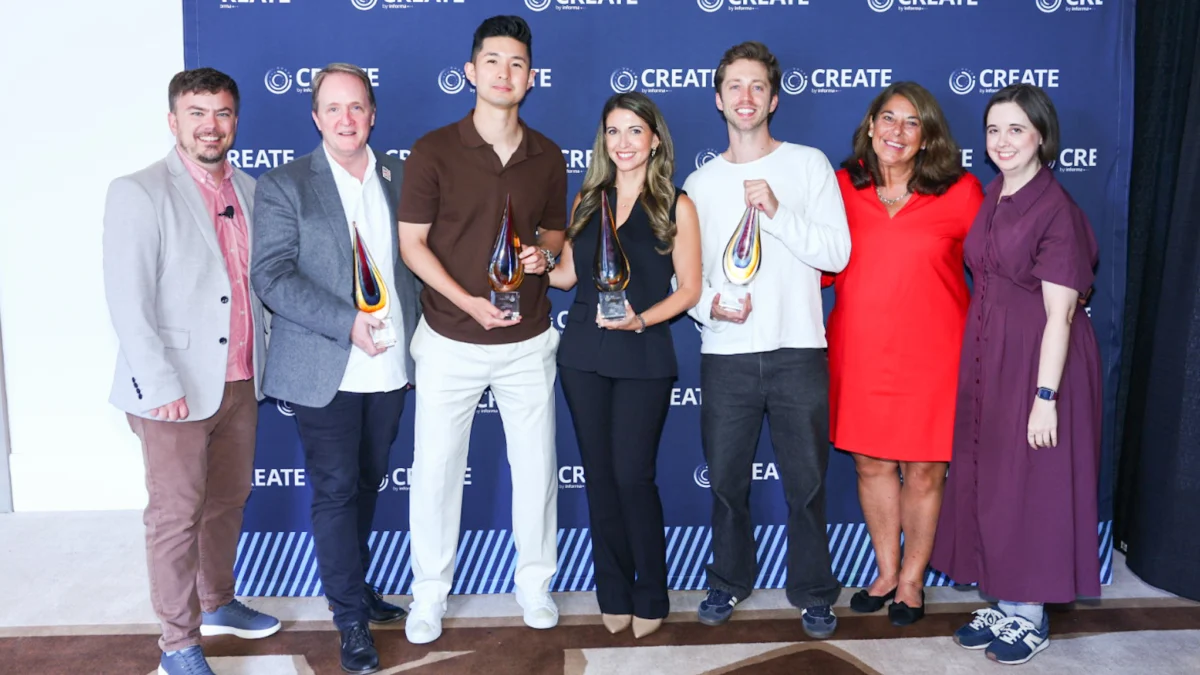
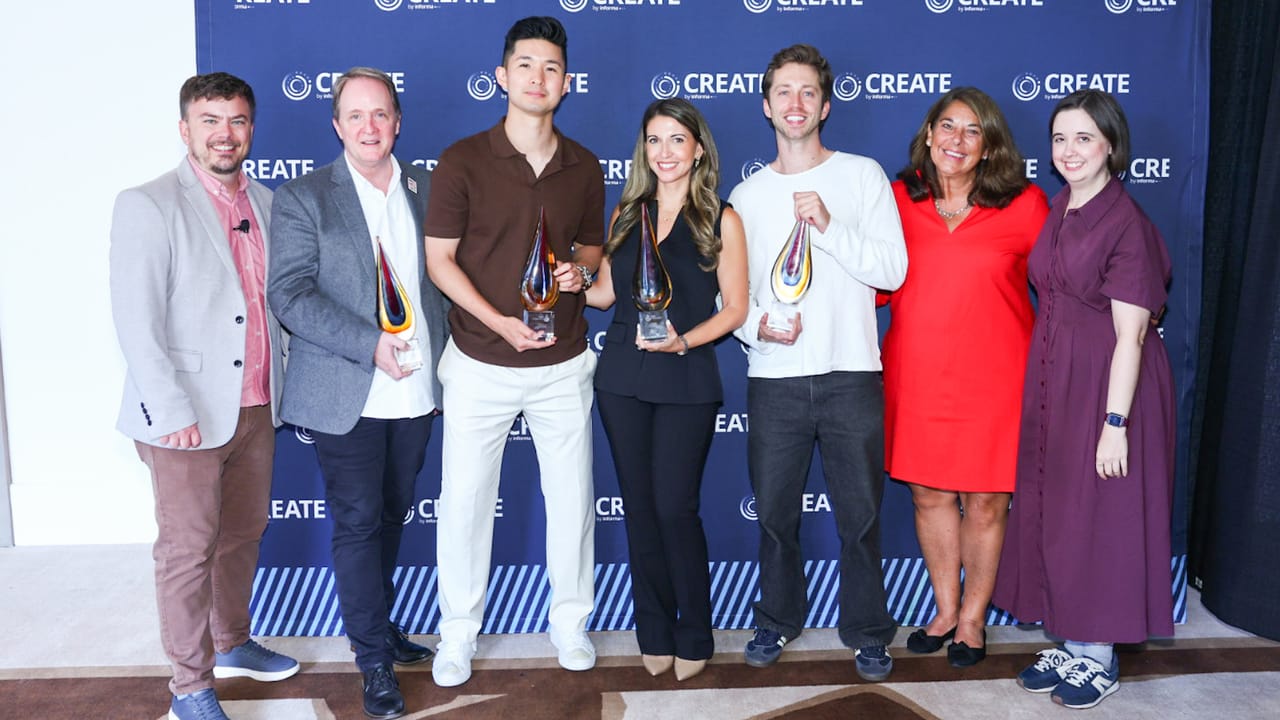
On the opening day of CREATE, the premier event for emerging restaurateurs, four groundbreaking brands were celebrated as the 2026 Hot Concepts winners. Held at the scenic Terranea Resort, the awards ceremony recognized Sushi by Bou, Matcha Magic, Ggiata, and Mike’s Red Tacos for their innovative approaches to dining, spanning full-service, fast-casual, and quick-service sectors. These honorees have not only captured consumer attention but are also demonstrating scalable business models that promise significant future growth.
CREATE, organized by Nation’s Restaurant News (NRN), serves as a vital platform for up-and-coming restaurateurs to connect, learn, and gain recognition within the dynamic food industry. The event typically features panels, workshops, and networking opportunities designed to equip new leaders with the tools and insights needed to navigate the challenges of scaling a restaurant concept. The Hot Concepts awards, presented annually, highlight brands that are setting new trends and achieving remarkable success in their early stages. This year’s event, held on Monday, July 20th, underscored the industry’s continuous evolution, with these four brands showcasing distinct yet highly effective strategies for market penetration and customer engagement. The awards were presented in partnership with The Coca-Cola Company, a long-standing supporter of the foodservice industry.
Sushi by Bou: Crafting Exclusive Experiences in Unconventional Spaces
Sushi by Bou, a concept that redefines the traditional omakase experience, has earned its place among the 2026 Hot Concepts by ingeniously leveraging small, often overlooked spaces to create an air of exclusivity and affordability. The brand offers 30-minute timed omakase meals, a concept where diners entrust the chef’s selection, typically reserved for special occasions. However, Sushi by Bou democratizes this high-end dining experience by making it accessible at a starting price point of $70.
Erika London, CEO of Sushi by Bou, explained that the brand’s success hinges on its ability to operate in compact environments. "Because it’s a sushi concept, we don’t require hoods, we don’t require venting, which makes it a lot easier to identify these nooks and crannies," London stated. This logistical advantage allows them to secure leases in unique locations that might be unappealing to larger, more conventional restaurant formats. The company actively seeks out "twists and turns, going through a bookshelf or underground" spaces, transforming them into intimate dining rooms. This approach not only minimizes overhead but also enhances the customer’s sense of discovery and adventure.
The strategic choice of unconventional locations, often described as "speakeasy" style, contributes significantly to the brand’s appeal. These hidden gems provide a memorable dining experience that encourages repeat business. London highlighted the remarkable profitability of some of their smallest outlets, citing one location that generates $2 million annually from a mere 300-square-foot space formerly used for luggage storage in a hotel. This demonstrates a potent business model where high revenue is achieved through efficient space utilization and a unique customer proposition. The brand’s ability to offer a premium omakase experience at a competitive price, coupled with the thrill of a secret location, has resonated strongly with consumers seeking novel dining adventures.
Ggiata Delicatessen: Rebuilding Community Through Authentic Neighborhood Delis
Ggiata Delicatessen is bringing the nostalgic charm and community spirit of New Jersey delis to Los Angeles, positioning itself as a community hub rather than just a sandwich shop. Founders Jack Biebel, Noah Holton-Raphael, and Max Bahramipour, all transplants from New Jersey, found a void in the Los Angeles market for the kind of neighborhood delis they grew up with—places that were integral to the fabric of their towns, sponsoring local teams and knowing customers by name.
Biebel recalled his upbringing in Montclair, N.J., where delis served as vital community gathering spaces. Upon arriving in LA, they observed a landscape dominated by either franchise operations or high-end artisan sandwich shops with prohibitive price tags. This realization sparked the idea to fill that unmet need by creating a deli that offered both delicious food and a welcoming, familiar atmosphere, reminiscent of the Garden State.
Ggiata’s core strategy centers on fostering a strong sense of community. "We’re walking the block, meeting every local neighbor on the street, offering them catering, inviting them to an opening party, finding a local high school and sponsoring the sports team," Biebel explained. This hands-on approach to community integration aims to embed Ggiata within the neighborhoods it serves. The founders’ philosophy is simple: "If a neighborhood deli wouldn’t do it, we’re probably not doing it." The word "chain" is actively avoided at Ggiata; instead, the aspiration is to embody the essence of "everyone’s neighborhood deli." This commitment to local engagement and authenticity differentiates Ggiata from more corporate models and cultivates a loyal customer base that values personal connection and a sense of belonging. Their success lies in replicating the intimate, community-focused service that defines traditional neighborhood delis, a model that has proven increasingly valuable in an era where consumers seek genuine connections.
Matcha Magic: Capitalizing on a Niche Market with Strategic Location
In an era where matcha has become a staple in many coffee shops, Matcha Magic, co-founded by Norman Wu, stands out by offering a dedicated experience focused on high-quality, ceremonial-grade matcha. Recognizing the growing demand for this vibrant green tea, Wu strategically targeted locations where discerning consumers could fully appreciate their product. The decision to open a franchised location near Arizona State University exemplifies this approach.
Matcha Magic prides itself on using organic, lead-tested matcha, enhanced with house-made syrups and purees. The brand’s appeal has been undeniable, with over 150 franchise requests received within the first three months of operation. Wu emphasized the dual importance of carefully vetting franchisees and meticulously selecting new locations. "In the U.S. right now, there’s probably 100,000 coffee shops and maybe less than 1,000 matcha shops," Wu noted, highlighting the significant untapped potential within the matcha category. "I think from a rising tide standpoint, it’s good for matcha to grow as a category."
The choice of a college town like Tempe, Arizona, was a calculated move to connect with a Gen Z demographic that is already well-acquainted with matcha. This younger generation not only understands the beverage but often has a refined palate for quality and consumes it more frequently than other age groups. By locating near Arizona State University, Matcha Magic tapped into an existing customer base that required minimal education about the product. This strategy allowed the brand to bypass the challenges of building a new market from scratch, instead capitalizing on a demographic that actively seeks out and appreciates high-quality matcha. This data-driven approach to market selection underscores the brand’s forward-thinking expansion strategy.
Mike’s Red Tacos: Scaling with a 1,000-Store Mentality from Day One
Mike’s Red Tacos has experienced meteoric growth since its inception as a food truck in San Diego. Founder Mike Touma observed a consistent pattern: his birria tacos would sell out earlier each week, indicating a rapidly growing, devoted following. This overwhelming demand prompted the swift transition from a mobile operation to a brick-and-mortar storefront, a move made just six months after the business launched. This rapid scaling set the stage for what has become a significant taco takeover across Southern California.
Vincent Montanelli, president and chief operations officer, shared a crucial piece of advice for restaurateurs aspiring to grow: adopt a "1,000-store mentality" from the outset. This philosophy involves forward-thinking planning and forming partnerships with individuals and entities capable of supporting large-scale expansion. This proactive approach ensures that operational decisions, even at the early stages, are made with the future in mind.
Currently operating three locations in San Diego with a fourth slated to open in Pasadena, Mike’s Red Tacos is implementing a robust training program. The new Pasadena store will double as a dedicated training center for general managers and new hires. This initiative aims to cultivate leaders equipped with the skills necessary for managing schedules, handling orders, embodying the brand’s culture, and providing exceptional customer service. This model mirrors the successful expansion strategy of Dave’s Hot Chicken, an investor in Mike’s Red Tacos, which relied on comprehensive training to achieve its significant unit count. By investing in a scalable operational framework and leadership development, Mike’s Red Tacos is laying a solid foundation for sustained growth and market dominance. The brand’s commitment to building internal capacity ensures that its rapid expansion is supported by a well-trained and culture-aligned workforce, a critical factor for achieving multi-unit success.
The 2026 Hot Concepts winners, celebrated at CREATE, represent a diverse array of strategies that are driving innovation and success in the restaurant industry. From the experiential dining of Sushi by Bou to the community-focused approach of Ggiata, the niche market mastery of Matcha Magic, and the scalable operational vision of Mike’s Red Tacos, these brands are not just serving food; they are crafting experiences, building communities, and setting new benchmarks for growth in the competitive culinary landscape. Their achievements underscore the importance of adaptability, strategic planning, and a deep understanding of evolving consumer preferences in the pursuit of lasting restaurant success.
