

Composition and Ingredient Selection
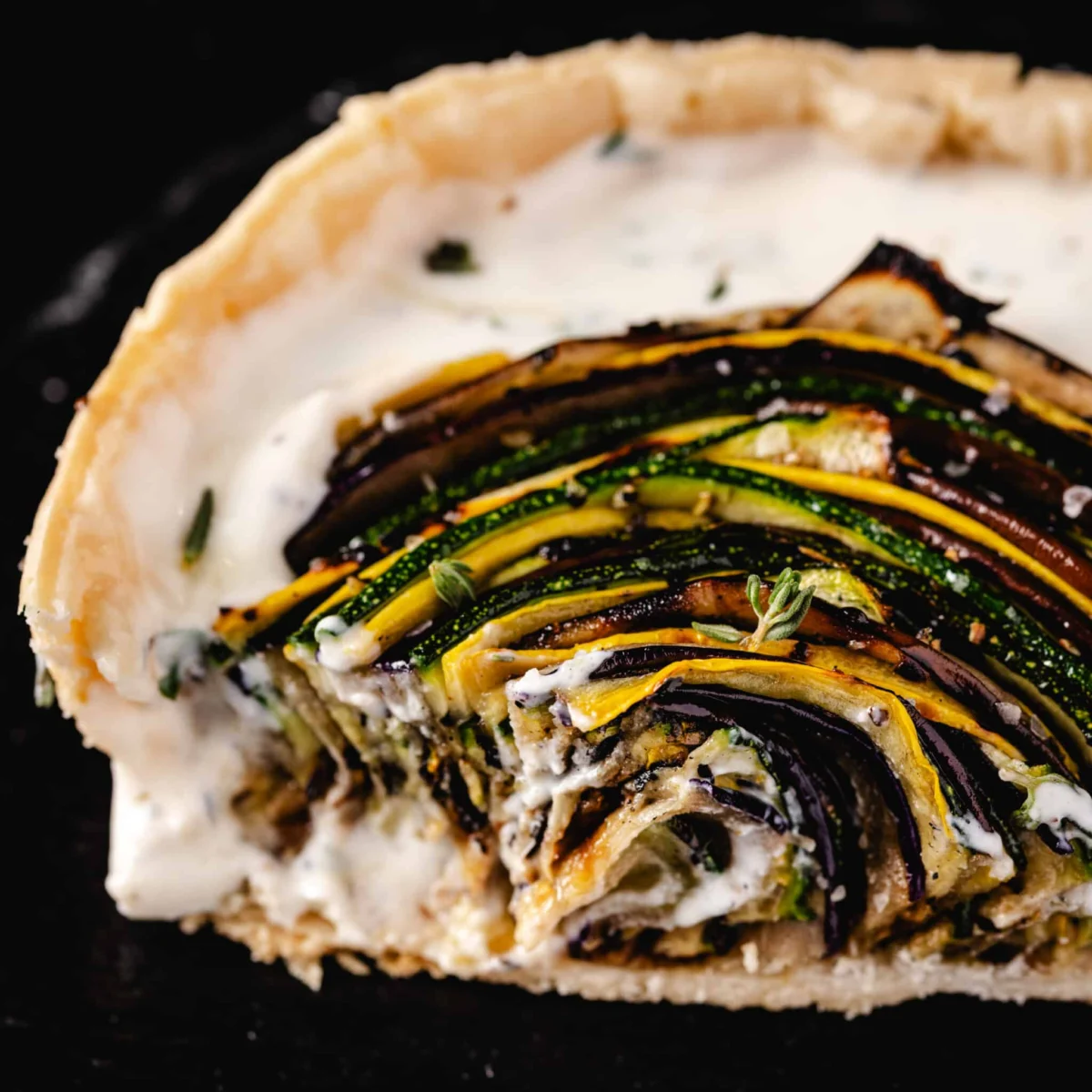
The structural integrity and flavor profile of the summer vegetable tart rely on three distinct components: the crust, the custard, and the vegetable arrangement. According to culinary standards, the foundation begins with a flaky pie crust, often prepared in a compact 5-inch cast iron skillet. The choice of cast iron is significant due to its superior heat retention and distribution, which is essential for ensuring the bottom of the pastry cooks evenly on grill grates.
The internal custard is a departure from sweet tarts, utilizing a blend of cream cheese and ricotta. This combination provides a dense yet creamy texture that serves as an adhesive for the vegetables while offering a savory backdrop. The inclusion of fresh herbs—specifically parsley, basil, and chives—along with lemon zest and garlic, introduces bright, acidic notes that balance the richness of the dairy.
For the vegetable component, the recipe prioritizes seasonal summer produce. Typical selections include:

- Zucchini: Chosen for its mild flavor and ability to soften while maintaining structure.
- Yellow Squash: Provides visual contrast and a slightly sweet undertone.
- Eggplant: Offers an earthy, robust texture that absorbs the flavors of the custard and smoke.
Precision in preparation is a critical factor. Experts in the field emphasize the use of a mandoline to slice vegetables to a consistent thickness of approximately 1/8-inch. This uniformity ensures that all components reach the desired tenderness simultaneously, preventing the textural inconsistency that often plagues vegetable-heavy dishes.
Chronology of Culinary Execution
The production of a grilled vegetable tart follows a specific timeline designed to optimize texture and flavor. The process begins with the preparation of the grill or smoker, which must be stabilized at a temperature of 400°F (204°C). This high-heat environment is necessary to "blind bake" the crust, a technique where the pastry is partially cooked before the filling is added to prevent sogginess.
Once the grill reaches temperature, the pie crust is formed into the skillet, trimmed, and perforated with a fork to allow steam to escape. This initial baking phase lasts approximately 10 to 15 minutes. Simultaneously, the vegetable slices are prepared. Unlike indoor baking, the vegetables for this tart are briefly grilled on the grates for 2 to 3 minutes per side. This step introduces a char and a smoky essence that defines the "grilled" aspect of the dish.
The assembly phase involves blending the custard ingredients until smooth and spreading them over the par-baked crust. The vegetables are then arranged in a concentric pinwheel pattern, starting from the outer edge and working toward the center. This aesthetic choice is not merely for visual appeal; it ensures that the vegetables are packed tightly enough to steam slightly during the final bake while the exposed edges crisp. The assembled tart is then returned to the grill for a final 15 to 20 minutes, or until the custard is set and the pastry is golden brown.

Market Trends: The Rise of Vegetable-Forward Grilling
The emergence of recipes like the grilled summer vegetable tart coincides with a broader shift in American outdoor cooking habits. Data from the Hearth, Patio & Barbecue Association (HPBA) indicates that while traditional meats remain popular, there is a measurable increase in consumers using their grills for side dishes, appetizers, and even desserts.
The "flexitarian" movement—where consumers primarily eat plant-based diets but occasionally consume meat—has driven demand for more sophisticated vegetable options at social gatherings. The grilled tart addresses this market by offering a dish that functions as both a "fancy" appetizer and a substantial side. Furthermore, the aesthetic nature of the "veggie pinwheel" aligns with the growth of food-centric social media, where visual presentation is as valued as taste.
Market analysts suggest that the democratization of high-end cooking techniques, facilitated by platforms like Hey Grill Hey, has empowered home cooks to experiment with textures like custards and pastries on equipment previously reserved for briskets and burgers. This "upscaling" of the backyard experience reflects a desire for restaurant-quality meals in a domestic, outdoor setting.
Nutritional Analysis and Dietary Implications
A detailed nutritional breakdown of the grilled summer vegetable tart reveals a profile that balances indulgence with the benefits of fresh produce. A single serving (based on a four-serving yield) contains approximately 381 calories. The macronutrient distribution is as follows:

- Total Fat: 25g (with 12g of saturated fat, primarily from the dairy custard and pastry).
- Carbohydrates: 30g (including 4g of dietary fiber).
- Protein: 10g.
From a micronutrient perspective, the tart is a significant source of essential vitamins and minerals, largely due to the density of the summer squash and eggplant. One serving provides 910 IU of Vitamin A and 24mg of Vitamin C, both of which are vital for immune function and skin health. Additionally, the dish contains 518mg of potassium and 131mg of calcium.
The sodium content is relatively low for a savory dish at 296mg, making it a viable option for those monitoring salt intake, provided the ingredients are not overly seasoned during the assembly phase. The inclusion of 4g of fiber per serving also aids in digestion, a factor often missing from traditional BBQ fare which tends to be low in roughage.
Expert Perspectives and Cultural Impact
Susie Bulloch, the founder of Hey Grill Hey and a prominent figure in the BBQ industry, has championed the idea that outdoor cooking should be accessible yet impressive. Her development of the vegetable tart recipe is seen as an effort to bridge the gap between "low and slow" traditionalism and modern culinary artistry. Bulloch’s influence, which includes appearances on the Food Network and multiple Guinness World Records, has solidified the role of women in a historically male-dominated industry.
Industry reactions to this shift have been largely positive. Culinary educators note that teaching home cooks how to manage heat for delicate items like tarts improves their overall grilling proficiency. "When a cook learns to manage a smoker for a pastry, they become much more adept at controlling temperatures for proteins," noted one professional chef.

The cultural impact of such dishes extends to the social dynamics of outdoor dining. By serving a dish that requires assembly and aesthetic consideration, the host elevates the event from a casual "cookout" to a curated dining experience. This shift has implications for the luxury outdoor kitchen market, as consumers seek equipment that can handle the nuance of baking as well as the intensity of searing.
Future Outlook for Seasonal Outdoor Cooking
As climate patterns shift and growing seasons evolve, the reliance on "seasonal produce" for dishes like the grilled tart may lead to more regional variations. While the current iteration focuses on summer staples like zucchini and squash, the framework of the recipe allows for adaptation into autumn (using thinly sliced pumpkins or root vegetables) and spring (incorporating asparagus and leeks).
The integration of technology, such as the Hey Grill Hey App, allows for real-time adjustments and community feedback, creating a living database of recipe evolutions. This connectivity suggests that the future of grilling lies in a hybrid model of traditional fire-management and digital precision.
In conclusion, the Simple Grilled Summer Vegetable Tart Recipe is more than a seasonal dish; it is a manifestation of the evolving sophistication of the home griller. By combining the technical requirements of pastry baking with the flavor-enhancing properties of the grill, it offers a blueprint for the future of backyard culinary exploration. As consumers continue to seek out healthier, more visually stunning, and technically challenging recipes, the grilled tart is positioned to remain a staple of the modern outdoor kitchen.
