

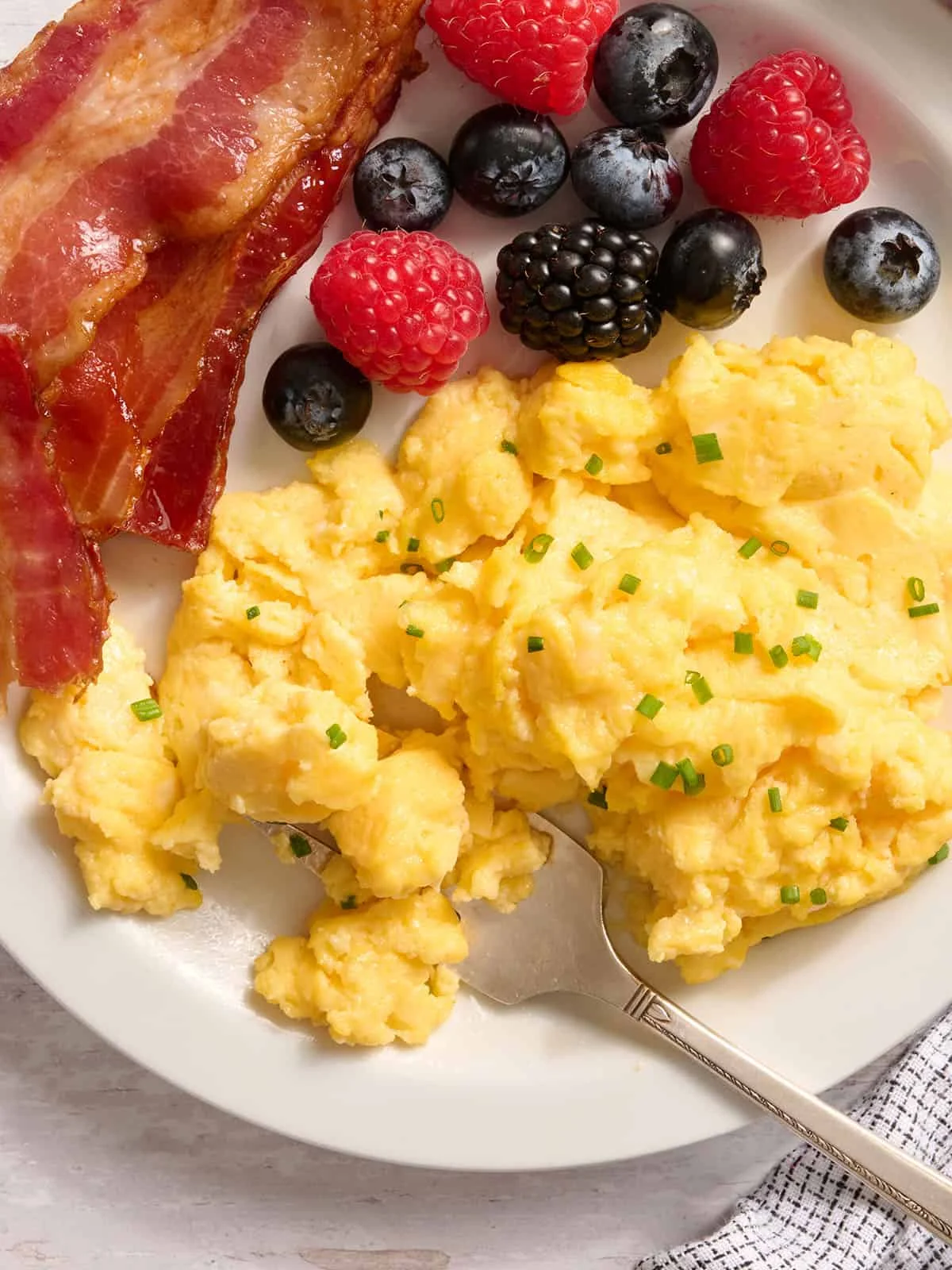
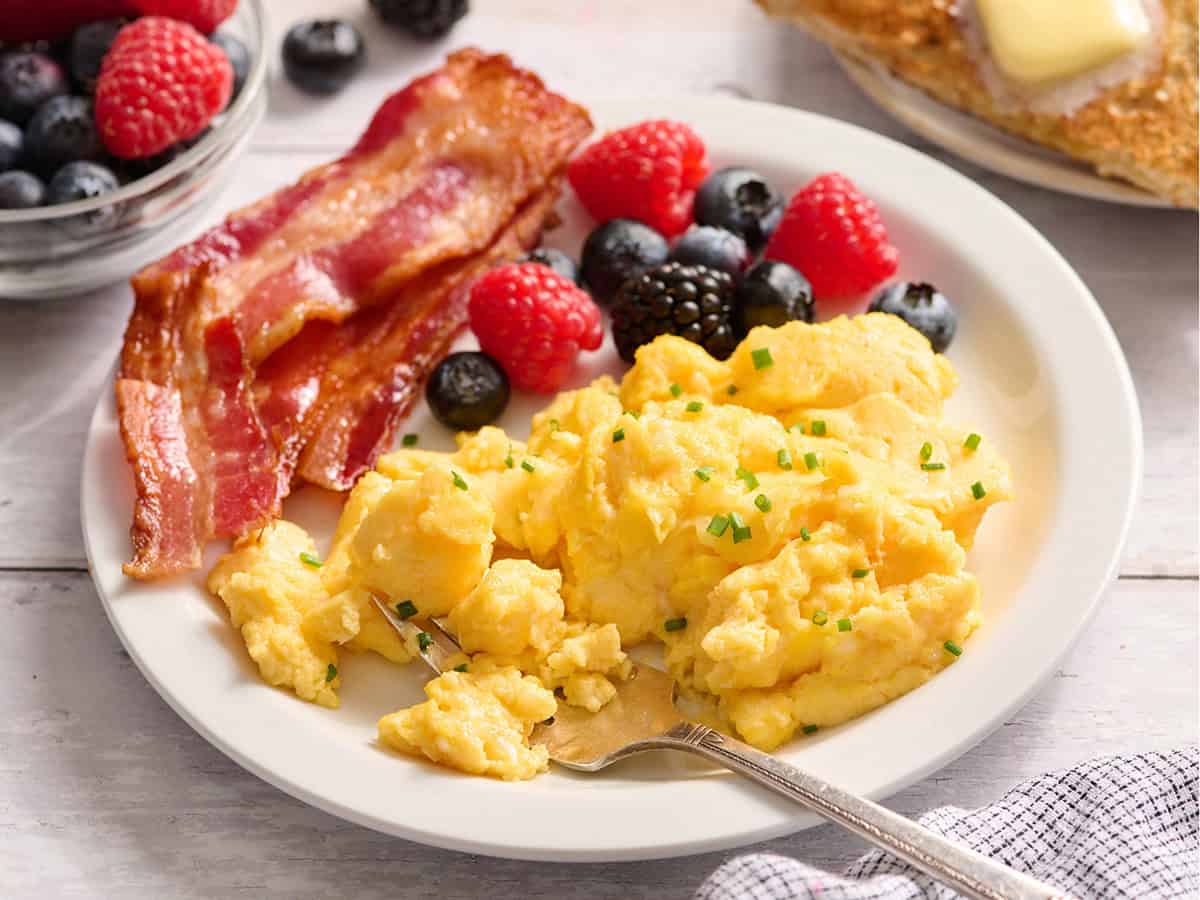
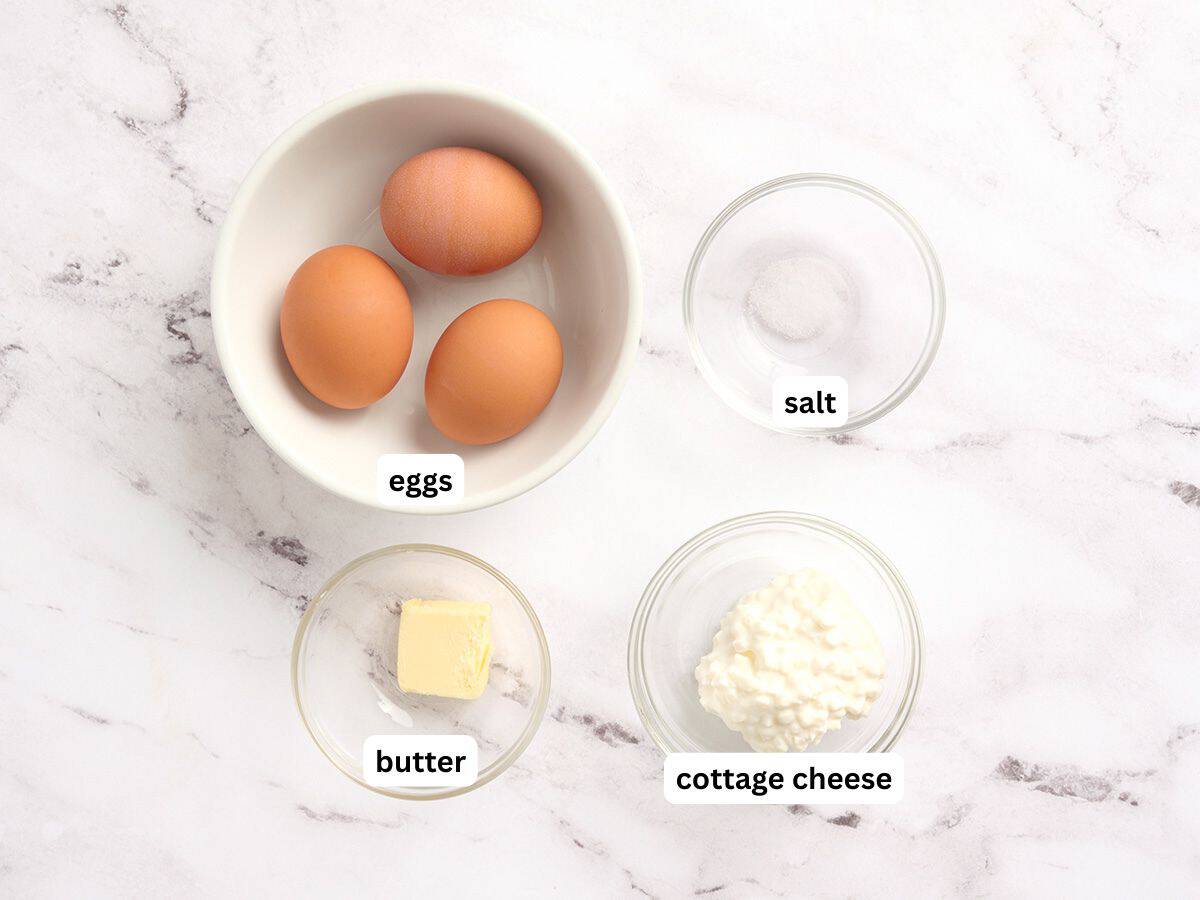
The culinary landscape of 2024 has been marked by a significant shift toward "protein-forward" nutrition and cost-conscious home cooking, a trend exemplified by the recent findings from the Nashville Test Kitchen regarding the integration of cottage cheese into standard egg preparations. This culinary technique, which utilizes only four primary ingredients—eggs, cottage cheese, butter, and salt—represents a broader movement within the food industry to enhance the nutritional density of traditional staples without significantly increasing grocery expenditures. By incorporating approximately two tablespoons of cottage cheese into a standard three-egg scramble, cooks are achieving a moisture-rich, creamy texture that historically required high-fat additives like heavy cream or crème fraîche, but with the added benefit of increased protein and lower overall caloric density.
The Economic Context of Egg Price Stabilization
The emergence of this high-protein breakfast solution comes at a critical juncture for the American consumer. According to data from the Bureau of Labor Statistics (BLS) and the United States Department of Agriculture (USDA), the poultry industry faced unprecedented challenges between 2022 and early 2023 due to outbreaks of Highly Pathogenic Avian Influenza (HPAI). This resulted in a dramatic spike in egg prices, which reached record highs and disrupted household budgets across the country.
However, as of mid-2024, market reports indicate that egg prices have largely leveled out, returning to a status of "affordable protein." This stabilization has allowed developers in the Nashville Test Kitchen to revisit egg-based recipes that emphasize volume and satiety. The cottage cheese egg recipe, calculated at a cost of approximately $0.58 per recipe or $0.29 per serving, positions itself as one of the most cost-effective nutritional interventions available to the modern consumer. In a period of general food inflation, the ability to produce a restaurant-quality, protein-dense meal for under thirty cents per serving carries significant economic implications for low-to-middle-income households.
The Renaissance of Cottage Cheese in the Digital Era
The specific choice of cottage cheese as an additive is not incidental. The dairy industry has reported a notable "renaissance" of cottage cheese, driven largely by social media trends on platforms such as TikTok and Instagram. Once viewed as a relic of 1970s diet culture, cottage cheese has been rebranded by nutritional influencers and culinary professionals as a versatile "superfood" due to its high casein protein content and probiotic potential.
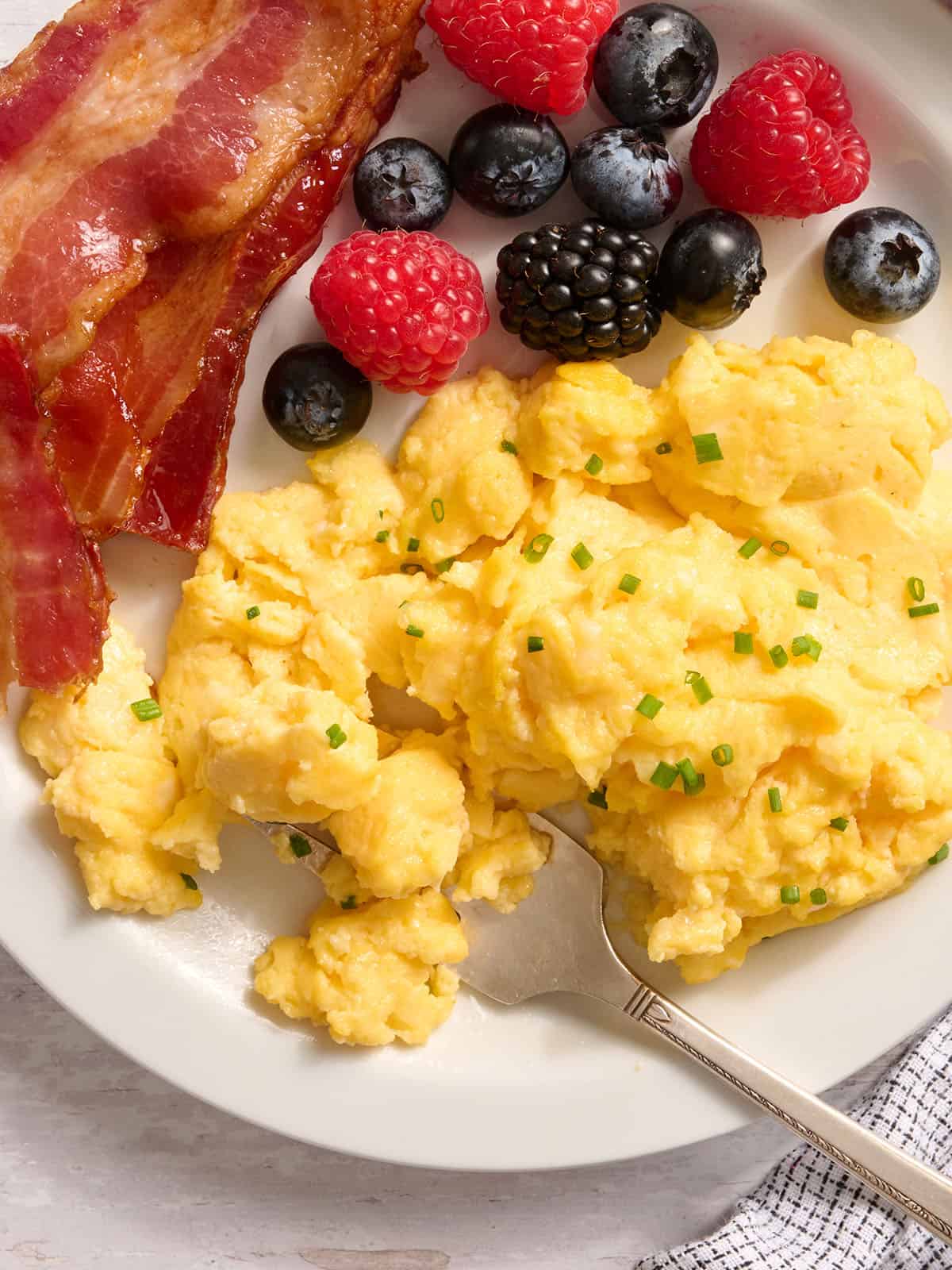
Culinary experts, including Chef Jess Rice, a former professor at Niagara College, note that the curd structure of cottage cheese provides a unique textural contrast when folded into eggs. Unlike milk or water, which can dilute the flavor and cause "weeping" (syneresis) in scrambled eggs, the curds in cottage cheese remain partially intact or melt into pockets of creaminess. This allows for a soft, tender curd that mimics the "slow-scramble" style popularized by high-end French bistros, yet can be achieved in a standard home kitchen in under 15 minutes.
Technical Analysis of the Preparation Process
The Nashville Test Kitchen has standardized the preparation of cottage cheese eggs to ensure replicability and safety. The process follows a specific chronological sequence designed to optimize the protein structure of the final dish:
- Homogenization of the Egg Base: Three large eggs are whisked with 1/8 teaspoon of salt until the mixture is uniform. This step is crucial for breaking down the chalazae and ensuring that the yolk and white are fully integrated, which prevents "streaky" eggs and ensures a consistent cook.
- Strategic Dairy Integration: Two tablespoons of 4% milkfat cottage cheese are added. Testing indicates that full-fat cottage cheese provides superior mouthfeel and stability compared to fat-free versions, which may contain higher water content and stabilizers that react poorly to heat.
- Thermal Regulation: The use of a non-stick skillet over medium-low heat is mandated. High heat causes egg proteins to contract too tightly, squeezing out moisture and resulting in a rubbery texture. The inclusion of cottage cheese adds additional moisture that must be managed through gentle folding rather than aggressive whisking.
- Residual Heat Management: The instructions emphasize removing the pan from the heat source while the eggs are still slightly "glossy." This acknowledges the scientific principle of carryover cooking, where the internal temperature of the eggs continues to rise for 60 to 90 seconds after being plated.
Nutritional Profile and Health Implications
From a dietary standpoint, the cottage cheese egg preparation offers a robust nutritional profile that aligns with current wellness standards. A single serving provides approximately 11 grams of high-quality protein and 172 calories.
The combination of egg protein (which contains all nine essential amino acids) and the casein protein found in cottage cheese (which is slow-digesting) provides a sustained release of energy. Clinical nutritionists often recommend such combinations for breakfast to improve satiety and reduce "ghrelin" (the hunger hormone) spikes throughout the morning. Furthermore, the recipe is naturally gluten-free and soy-free, making it accessible to a wide demographic of consumers with specific dietary restrictions or inflammatory concerns.
Chronology of Recipe Development and Testing
The development of this recipe by the Budget Bytes team followed a rigorous testing protocol in Nashville. The goal was to solve the common issue of "dry eggs" often found in low-cost breakfast preparations.

- Phase 1 (Initial Testing): Developers experimented with different ratios of cottage cheese to eggs. Early iterations using four tablespoons of cottage cheese resulted in excess moisture and a "soupy" consistency.
- Phase 2 (Texture Refinement): The team tested the difference between blended cottage cheese (smooth) and whole curd cottage cheese. While blended cottage cheese was aesthetic, the whole curd version provided the "magic" texture mentioned in the findings, leading to the final recommendation of leaving curds intact.
- Phase 3 (Cost Analysis): Final pricing was determined based on national averages for large eggs and store-brand cottage cheese, confirming the recipe’s status as a "Recipe Under $3."
Broader Impact on Home Cooking Habits
The success of the cottage cheese egg trend reflects a broader shift in how Americans approach home cooking in the post-pandemic era. There is an increasing demand for "hacks"—simple modifications to basic ingredients that yield professional-grade results.
Industry analysts suggest that as consumers continue to balance busy schedules with a desire for healthy living, recipes that require fewer than five ingredients and less than 20 minutes of preparation will continue to dominate the market. The cottage cheese egg recipe serves as a case study in this "efficiency-first" culinary philosophy. It bridges the gap between the speed of a processed breakfast bar and the nutritional quality of a cooked-from-scratch meal.

Expert Reactions and Culinary Forecasts
Professional chefs have largely responded positively to the integration of cottage cheese in hot preparations. Chef Jess Rice emphasizes that the versatility of the dish allows for significant customization, which is key to consumer longevity. Suggestions for adding chives, green onions, or "tomato butter" indicate that while the base recipe is utilitarian, it serves as a canvas for culinary expression.
Looking forward, the Nashville Test Kitchen and similar institutions are expected to continue exploring the "upgrading" of affordable staples. As the dairy industry continues to innovate with flavored cottage cheeses and high-protein additives, it is likely that the "scrambled egg 2.0" movement will expand to include savory herb infusions and aged-cheese hybrids.

In conclusion, the Cottage Cheese Egg recipe is more than a simple breakfast trend; it is a scientifically backed, economically sound response to the modern consumer’s needs. By leveraging the unique properties of cottage cheese, home cooks can transform the humble egg into a sophisticated, protein-rich meal that supports both physical health and financial stability. As the culinary world continues to prioritize nutrient density and affordability, such innovations are set to become permanent fixtures in the American breakfast repertoire.
