

The Finnish long drink, colloquially known as "lonkero," represents a unique intersection of mid-century logistical necessity and enduring cultural heritage that has evolved from a temporary Olympic solution into a multi-continental beverage phenomenon. Originally conceived to streamline alcohol service during the 1952 Summer Olympics in Helsinki, this pre-mixed cocktail—traditionally a blend of gin and grapefruit soda—has transcended its status as a domestic staple to become a significant player in the global ready-to-drink (RTD) market. As the beverage industry continues to shift toward convenience and premiumization, the trajectory of the Finnish long drink provides a case study in how heritage brands can successfully navigate international expansion while maintaining a distinct national identity.
Historical Origins: The 1952 Helsinki Olympic Catalyst
To understand the contemporary success of the long drink, one must look back to the post-war era of the early 1950s. Finland was preparing to host the XV Olympiad, an event of immense national pride and significant logistical challenge. The Finnish government and the state-owned alcohol monopoly, Alko, faced a specific problem: how to serve large volumes of alcohol to an international audience in a country still navigating the complexities of post-war rationing and a limited service infrastructure.
In 1952, the beverage company Hartwall was commissioned to create a product that could be served quickly and efficiently at bars and restaurants. The result was the "Original Long Drink." It was designed to be served straight from the bottle or on draft, eliminating the need for bartenders to manually mix gin and juice during the rush of the games. While the 1952 Olympics are often noted by historians for being the first Summer Games since 1912 where medals were not awarded for art—a shift that ended the era of "Pentathlon of the Muses"—the introduction of the lonkero proved to be a different kind of cultural contribution.
Initially, the product was intended to be a seasonal offering, strictly for the duration of the Olympics. However, the combination of crisp gin and tart grapefruit proved so popular with both locals and tourists that production continued long after the closing ceremonies. Although the product faced a brief hiatus in the 1970s due to changing regulations and market shifts, it was eventually reintroduced, fueled by a wave of consumer nostalgia and a demand for traditional Finnish flavors.
Chronology of International Expansion and Market Growth
For decades, the long drink remained a well-kept secret within the Nordic region. Visitors to Finland would encounter the beverage in saunas, at midsummer festivals, and in local pubs, often returning home with stories of the "refreshing gray drink." The timeline of its international breakout began in earnest during the mid-2010s:
- 2015: Hartwall, the primary producer of the original recipe, initiated a strategic push into Western Europe. The company signed distribution agreements to place the drink on retail shelves in the Netherlands, Sweden, and Belgium. This move targeted markets with high gin consumption and a growing interest in RTD alternatives.
- 2016: The expansion moved eastward. Hartwall successfully entered Asian markets, including Japan, where the palate for low-ABV, citrus-based alcoholic beverages (such as Chu-hi) aligned perfectly with the lonkero profile.
- 2017–2019: The "cult following" phase began in the United Kingdom and North America. Boutique bars, such as the Northern Lights in Brighton, UK, began featuring the drink as a "quirky" specialty item, while American entrepreneurs began noticing the gap in the U.S. market for a gin-based RTD that wasn’t a standard Gin and Tonic.
- 2020–Present: The category saw an explosion in North America, spearheaded by both Finnish imports and domestic startups using the "Finnish Long Drink" branding. High-profile celebrity endorsements and significant venture capital investment have propelled the category into mainstream liquor stores across the United States.
Product Composition and Sensory Analysis
The standard Finnish long drink typically maintains an alcohol by volume (ABV) of between 5% and 8%. The core profile is defined by a balance of three elements: the botanical bitterness of juniper-forward gin, the acidity of grapefruit, and the carbonation of soda.
Market leaders provide slightly different interpretations of this classic formula:
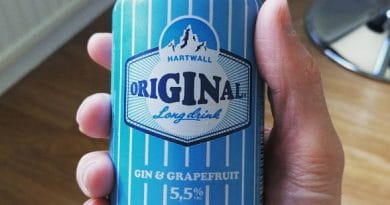
Hartwall Original Long Drink
Widely considered the industry benchmark, Hartwall’s version is characterized by its "gray" appearance and a sophisticated balance of flavors. Sensory evaluations highlight a nose of white grapefruit flesh and a palate that is notably less saccharine than contemporary American malt beverages. The mid-palate features strong gin notes—juniper and coriander—while the finish is crisp, dry, and refreshing. It functions similarly to a Gin and Tonic but with a softer bitterness profile.
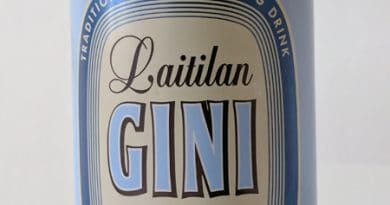
Laitilan Gini Long Drink
Laitilan offers a variation that leans more heavily into the fruit profile. Reviews suggest a nose reminiscent of ruby red grapefruit and traditional citrus sodas. On the palate, the fruit presence is dominant, which can sometimes overshadow the gin’s botanical complexity. This version is often preferred by consumers who prioritize a fruit-forward experience over the dry, spirituous nature of the Hartwall original.
The Global RTD Revolution and Economic Impact
The rise of the lonkero coincides with a massive shift in global drinking habits. According to industry data from IWSR Drinks Market Analysis, the RTD category has been the fastest-growing alcohol segment for several consecutive years. In the United States alone, the RTD market is projected to reach a valuation of over $21 billion by 2027.
The Finnish long drink fits into a specific sub-segment of this market: the "premium spirit-based RTD." Unlike many "hard seltzers" which are fermented from cane sugar or malt, the authentic lonkero uses distilled gin. This distinction is crucial for modern consumers who are increasingly label-conscious and seeking products with perceived "cleaner" ingredients and authentic origins.
The economic implications for Finland are significant. What was once a domestic commodity has become a viable export. The success of lonkero has paved the way for other Finnish spirits and craft breweries to find international distributors, positioning Finland as a hub for high-quality, nature-inspired beverage production.
Consumer Adaptability: The DIY Lonkero Phenomenon
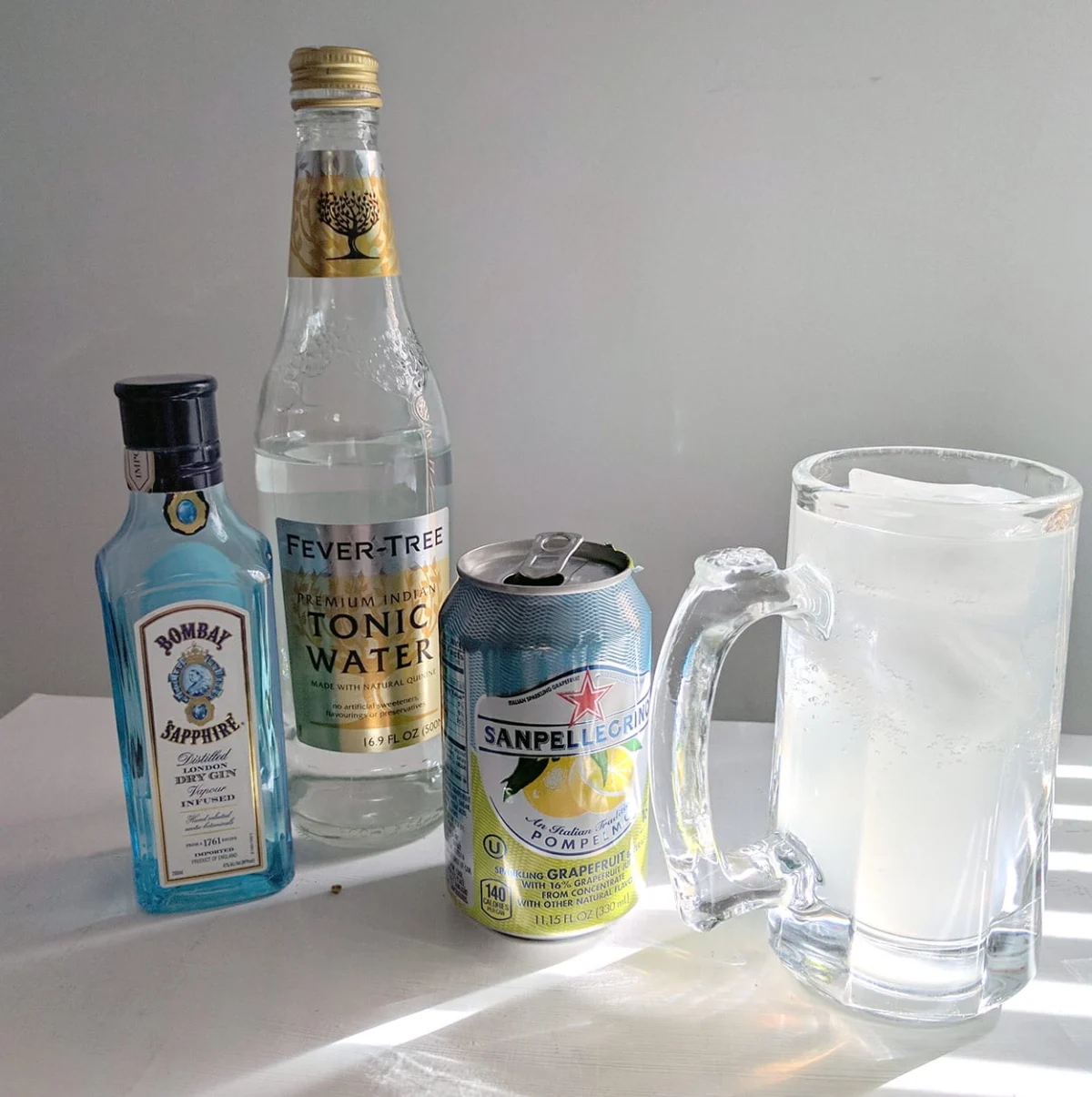
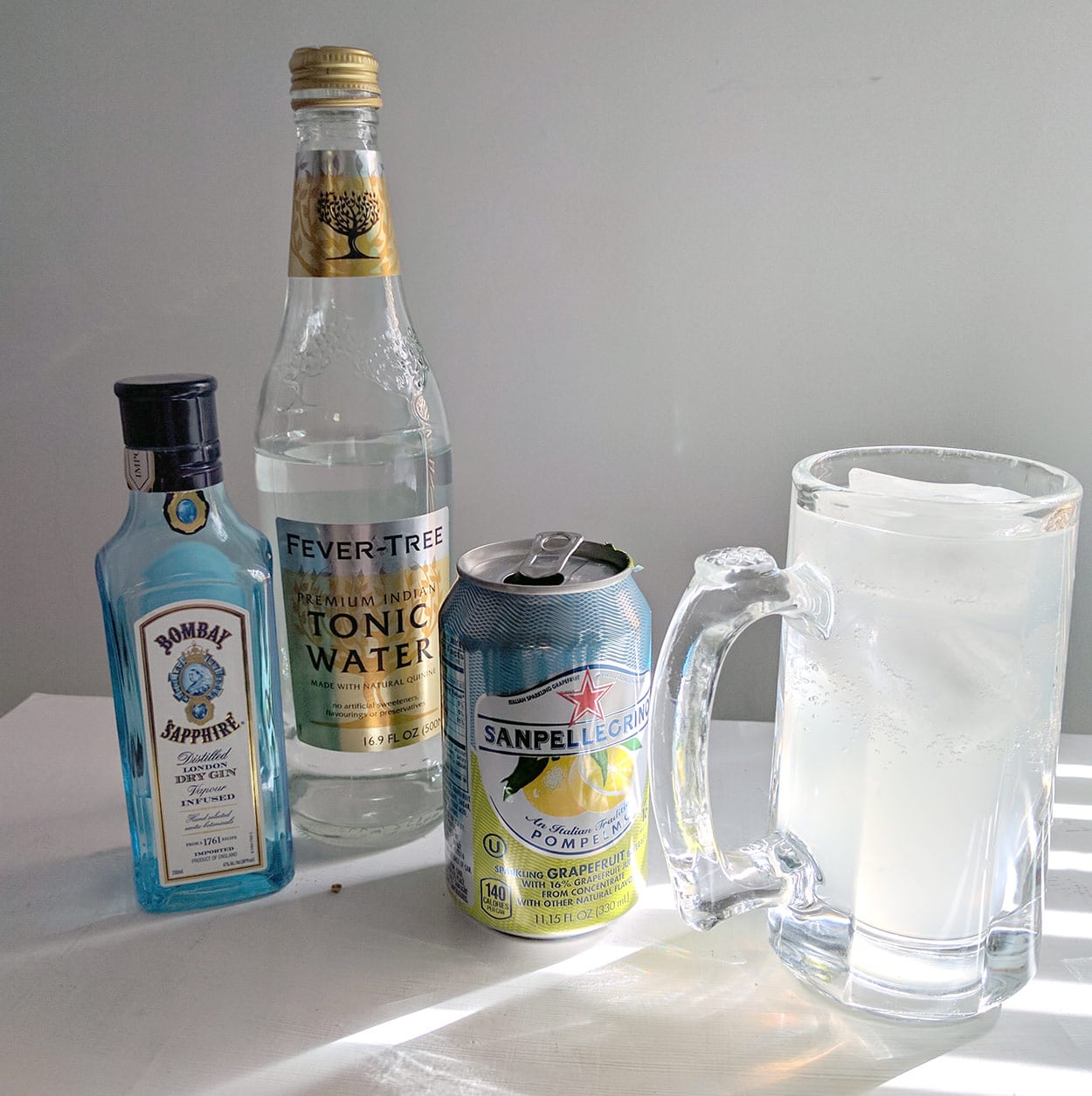
In regions where authentic Finnish brands remain difficult to source, a robust "Do-It-Yourself" culture has emerged. Enthusiasts and mixologists have sought to replicate the specific flavor profile of the lonkero using locally available ingredients. This experimentation has led to several standardized home recipes that attempt to mimic the industrial balance of the bottled product.
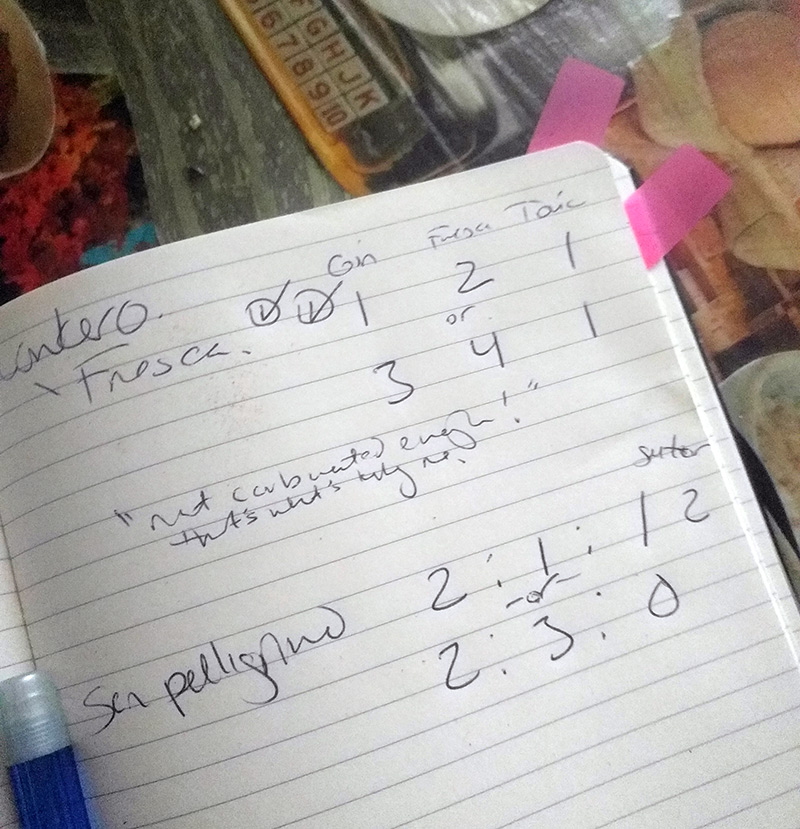
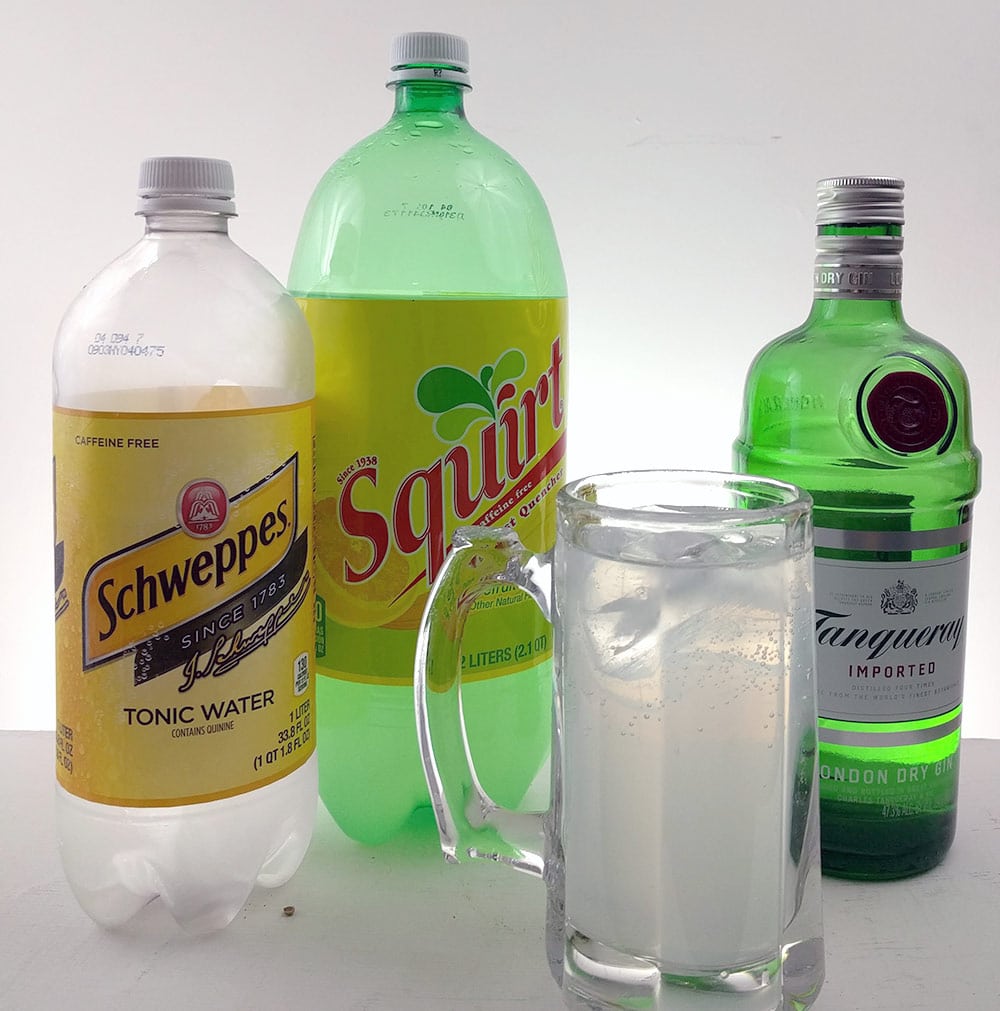
Analysis of these home-brewed versions reveals that the choice of grapefruit soda is the most critical variable. In the United States, the soda "Fresca" is frequently cited as the most accurate substitute for the Finnish grapefruit base, due to its lack of heavy syrups and its specific citrus oil profile. Other variations involve using "Squirt," though critics often find the sugar content too high, requiring the addition of tonic water to introduce the necessary bitterness.
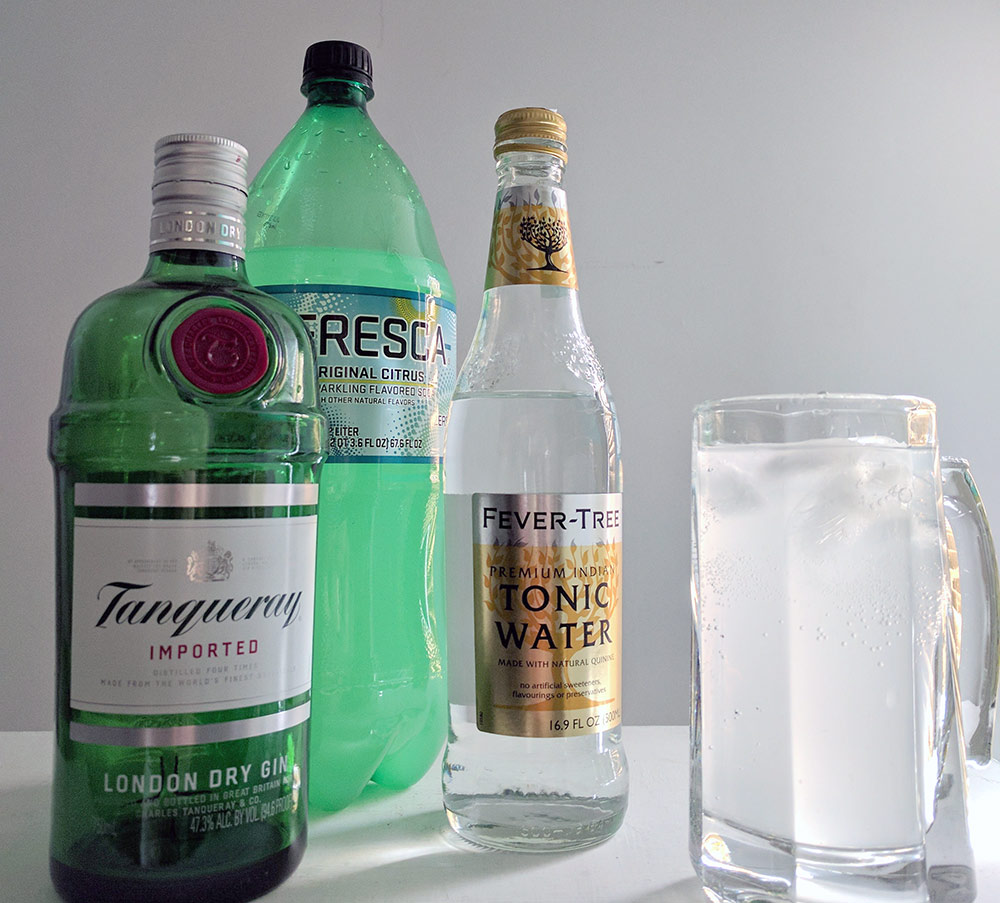
The "Perfect Home Ratio" often cited by enthusiasts involves:
- 3 parts London Dry Gin (such as Tanqueray)
- 4 parts Fresca or a high-quality sparkling grapefruit juice
- 1 part Tonic Water (to provide the quinine bite)
- A splash of fresh lemon juice to brighten the acidity
This DIY trend has served as a grassroots marketing tool, building brand awareness in North America before the physical products were even available on shelves.
Broader Cultural Impact and Future Implications
The longevity of the Finnish long drink is a testament to the power of functional design. A drink created for the specific purpose of "speed of service" ended up defining a national palate. In Finland, the lonkero is more than a cocktail; it is a social equalizer, consumed by all demographics and associated with the country’s most cherished traditions, particularly the sauna culture.
Looking forward, the lonkero faces the challenge of maintaining its "Finnishness" as it becomes a global commodity. As more domestic producers in the U.S. and UK launch their own "long drinks," the original Finnish brands must lean into their heritage and the quality of their ingredients to maintain market share.
The success of the lonkero also suggests a shift in the "Gin Renaissance." While the last decade was defined by artisanal tonic waters and complex botanicals, the next phase may be defined by the "Long Drink" style—a more accessible, sessionable way to enjoy gin that appeals to a broader audience.
In conclusion, the Finnish long drink has moved far beyond the stadiums of 1952. It stands today as a robust export, a staple of the RTD revolution, and a symbol of Finnish ingenuity. Whether enjoyed from a can in a Helsinki sauna or from a glass in a high-end London bar, the lonkero continues to win hearts through its simplicity, its refreshing profile, and its storied history. As distribution networks continue to expand into North America and beyond, the "gray drink" is well-positioned to become a permanent fixture in the global spirits landscape.
