

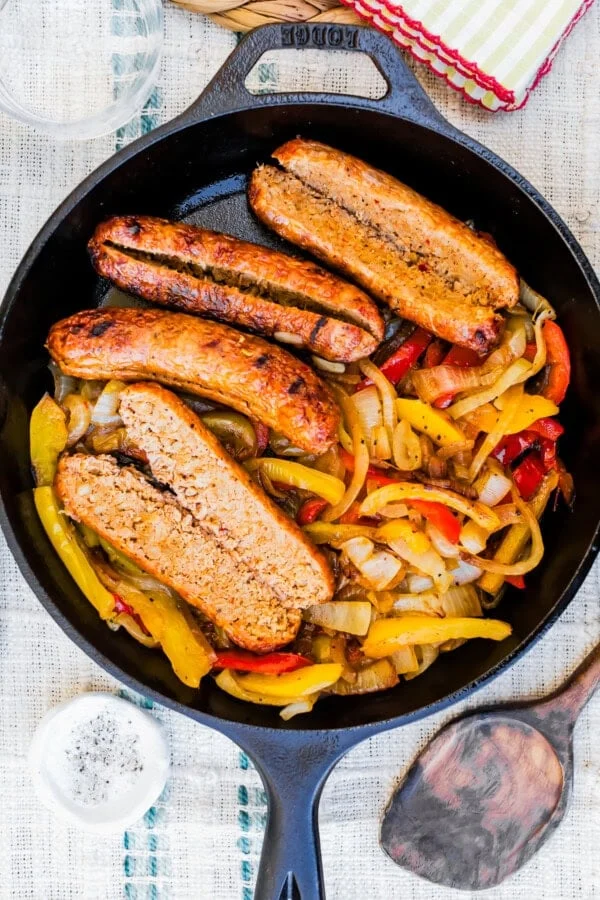
The Enduring Appeal and Culinary Heritage of Sausage and Peppers
The enduring popularity of sausage and peppers is deeply rooted in its historical and cultural significance, particularly within Italian-American communities. This dish emerged as Italian immigrants adapted traditional European ingredients and cooking methods to the resources available in their new homeland. Sausage, a long-standing staple in Italian cuisine, often made from pork and seasoned with fennel, garlic, and red pepper, found new interpretations in America. Coupled with the readily available bell peppers and onions, it formed a hearty, economical, and flavorful meal. This culinary fusion quickly became a symbol of comfort and community, frequently served at street festivals, family gatherings, and everyday dinners. Its evolution from a humble immigrant dish to a widely beloved American classic underscores its universal appeal, bridging generations and culinary preferences.
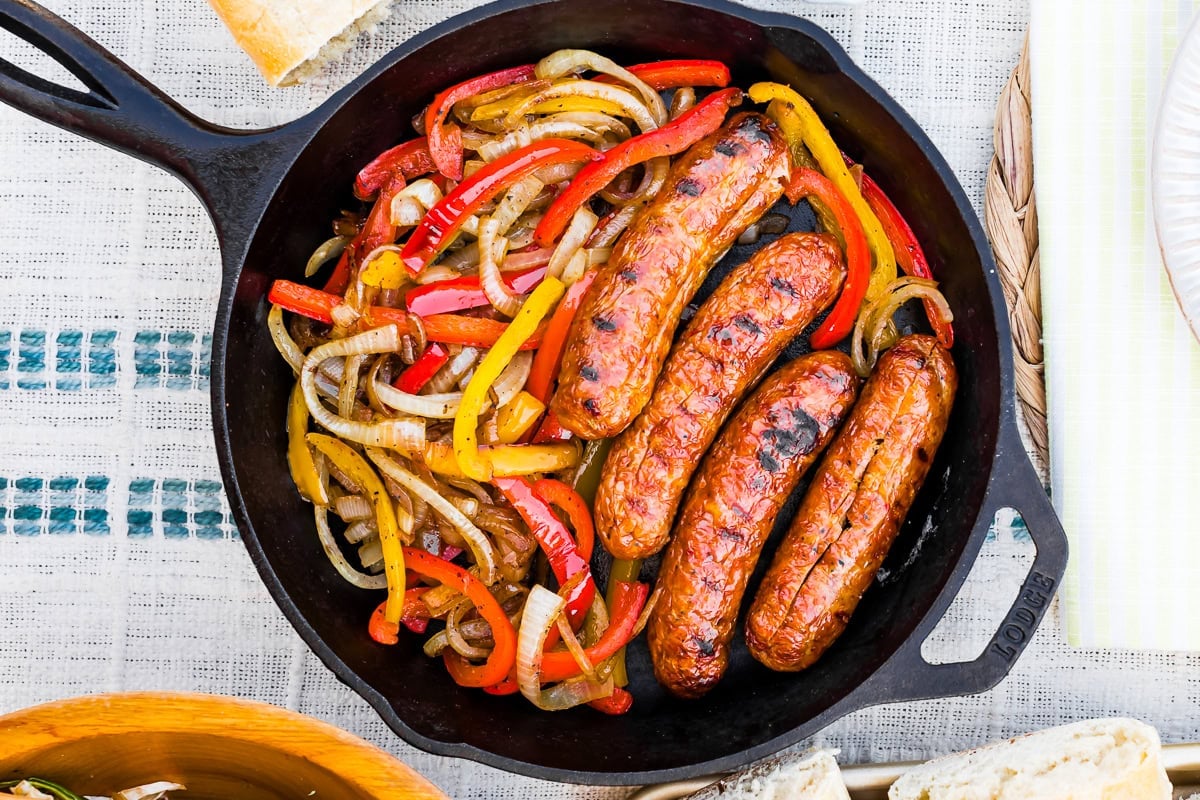
The inherent ease of preparation further cements its status as a go-to meal. As noted by many home cooks, including culinary experts, the dish’s straightforward nature makes it ideal for both weeknight dinners and larger entertaining scenarios. The minimal active cooking time and simple ingredient list mean that even novice cooks can achieve delicious results, making it an accessible entry point into Italian-American cooking. This blend of historical depth, cultural resonance, and practical simplicity ensures that sausage and peppers continues to be celebrated across diverse households.
A Deep Dive into Key Ingredients and Their Contributions
The success of any sausage and peppers recipe hinges on the quality and characteristics of its core components: the sausage, peppers, and onions. Each plays a crucial role in developing the dish’s signature flavor profile and texture.
Italian Sausage: A Foundation of Flavor and Protein
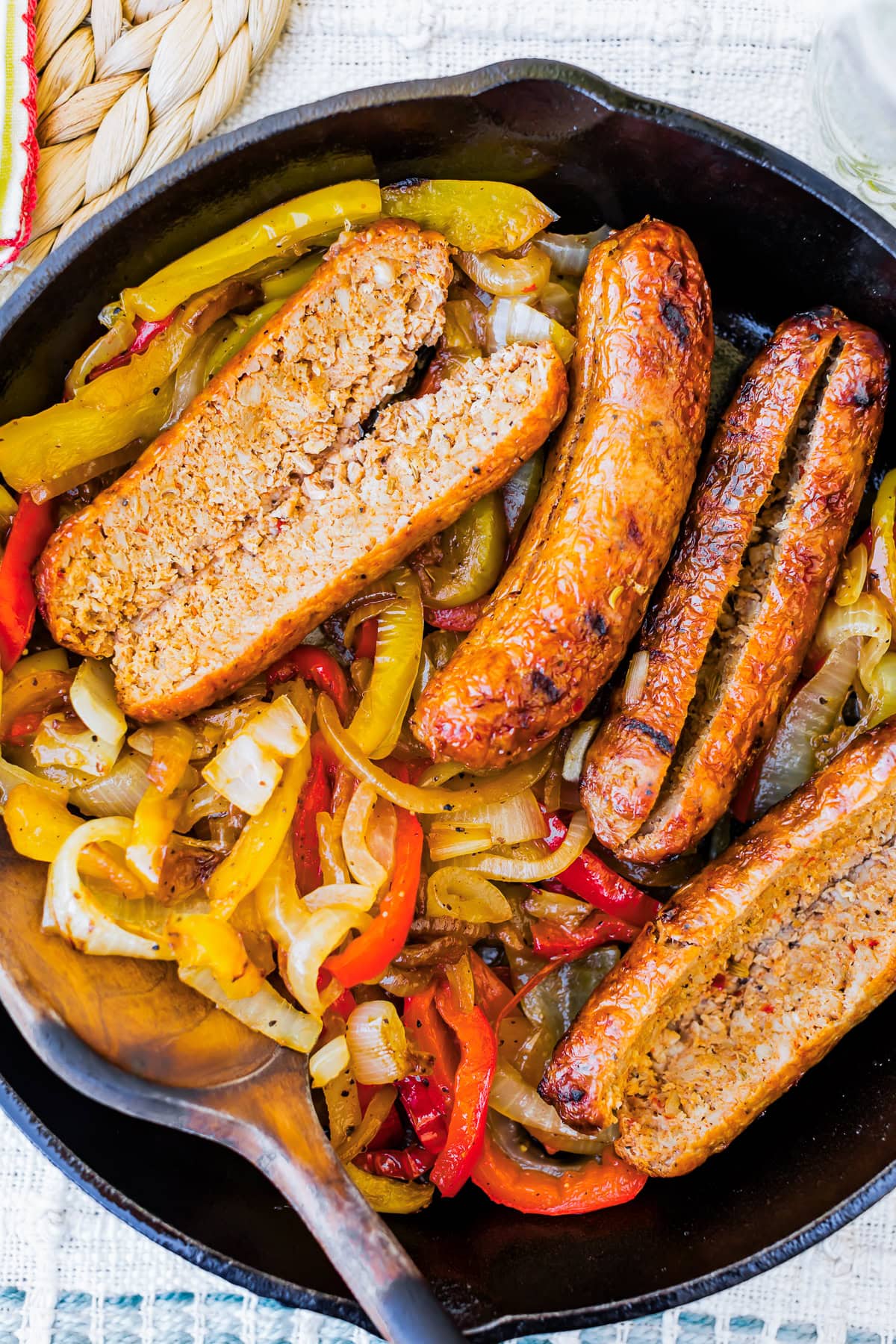
Traditionally, Italian sausage is made from pork, available in sweet (mild), hot, or sometimes a combination. It is typically seasoned with fennel seeds, garlic, salt, and black pepper, with hot versions incorporating red pepper flakes. The fat content in traditional pork sausage contributes significantly to its juiciness and flavor, rendering down during cooking to baste the meat and vegetables. However, contemporary dietary trends and health consciousness have led to popular alternatives. Italian chicken sausage, for instance, has gained considerable traction. It offers a leaner protein source with significantly less fat and saturated fat compared to its pork counterpart, while still delivering the characteristic Italian seasoning profile. Brands have successfully replicated the authentic taste, making chicken sausage a viable and often preferred option for those seeking a lighter meal without compromising on flavor. When selecting sausage, ensuring it is fresh and from a reputable source is paramount for both taste and food safety. Whether opting for pork or chicken, the quality of the sausage forms the backbone of the dish.
Bell Peppers: Sweetness, Color, and Nutritional Value
Sweet bell peppers are indispensable to this recipe, contributing vibrant color, natural sweetness, and a pleasant crunch when perfectly cooked. A medley of red, yellow, and orange bell peppers is often favored not just for their aesthetic appeal but also for their slightly varying sugar content and flavor nuances. Green bell peppers, while traditional, possess a more assertive, slightly bitter flavor that some prefer. From a nutritional standpoint, bell peppers are rich in Vitamin C, a powerful antioxidant, and Vitamin A, important for vision and immune function. They also contain various other vitamins and minerals, adding a healthy dose of micronutrients to the meal. As they cook, their sugars caramelize, intensifying their sweetness and softening their texture, providing a delightful contrast to the savory sausage.
Onions: The Aromatic Backbone
Onions, often overlooked, are a foundational aromatic in many cuisines, and sausage and peppers is no exception. Yellow or sweet onions are typically used, providing a pungent raw flavor that transforms into a mellow, sweet, and complex note upon cooking. Like bell peppers, onions caramelize when sautéed or grilled, contributing depth and richness to the overall flavor profile. They release their natural sugars and aromatic compounds, which infuse into the sausage and peppers, creating a cohesive and well-rounded taste. Nutritionally, onions offer various vitamins, minerals, and potent antioxidants, including quercetin.

Other Essential Elements for a Complete Dish
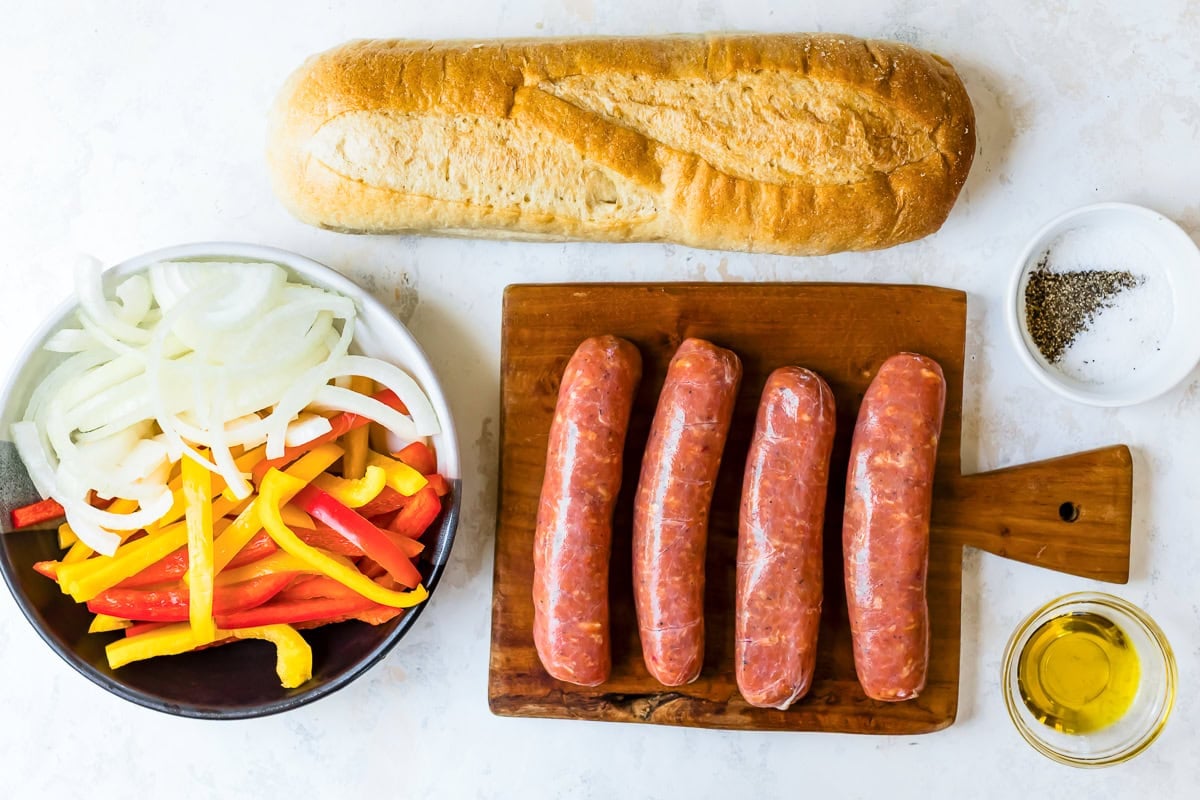
Beyond the primary ingredients, a few kitchen staples complete the dish. Olive oil is crucial for sautéing vegetables and preventing sticking, while also adding a subtle fruity note. Crusty bread, typically Italian bread or a baguette, serves as an ideal accompaniment, perfect for soaking up the flavorful juices and completing the meal. Simple seasonings like salt and freshly ground black pepper enhance the natural flavors of the ingredients without overpowering them. Some recipes also incorporate garlic, either minced and sautéed with the onions and peppers, or roasted whole, for an added layer of pungent aroma and flavor.
Mastering the Preparation: Techniques for Every Season and Setting
The beauty of sausage and peppers lies in its adaptability to various cooking methods, making it a year-round delight. While grilling is a quintessential summer method, equally delicious results can be achieved indoors, ensuring the dish is accessible regardless of equipment or weather.

The Grilling Method: A Summer Tradition
Grilling imbues sausage and peppers with an unparalleled smoky char that is difficult to replicate indoors. For the sausage, grilling directly over medium heat allows for even cooking and a beautifully browned exterior. It’s crucial to turn the sausages regularly to ensure they cook through without burning, reaching an internal temperature of 165°F (74°C) for food safety. The Maillard reaction, a chemical reaction between amino acids and reducing sugars, is responsible for the desirable browning and complex flavors developed on the grill.
The vegetables—peppers and onions—can also be grilled. One effective method is to place them in a cast-iron skillet directly on the grill grates over low heat. This technique allows the vegetables to soften and caramelize slowly, absorbing some of the smoky flavor from the grill, while preventing smaller pieces from falling through the grates. Closing the grill lid helps create a convection effect, cooking the vegetables more evenly and tenderly. Alternatively, larger slices of peppers and onions can be skewered or placed directly on the grill grates for a more pronounced char, though this requires more vigilance to prevent burning and ensure even tenderness. The combination of charred sausage and tender, smoky vegetables is a hallmark of summer cookouts and backyard gatherings.
Indoor Alternatives: Year-Round Enjoyment and Versatility
For those without access to an outdoor grill, or during colder months, several indoor cooking methods yield equally satisfying results, each offering slightly different textures and flavor nuances.
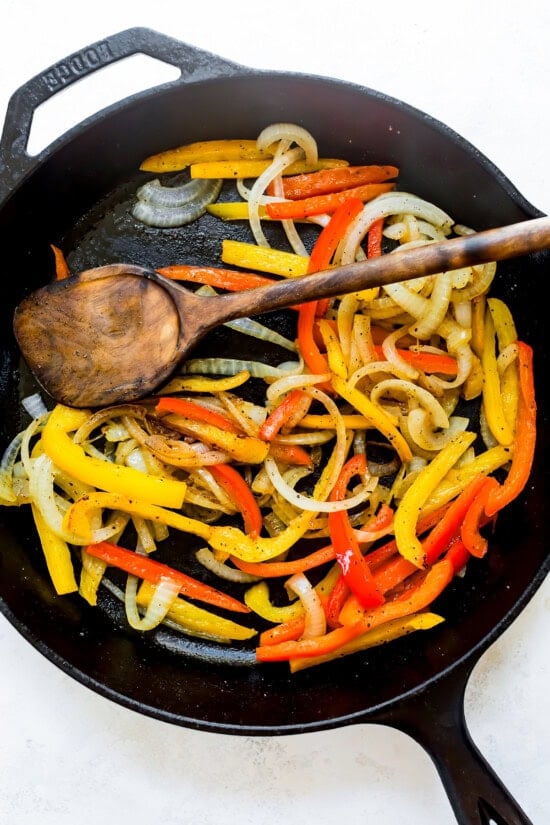
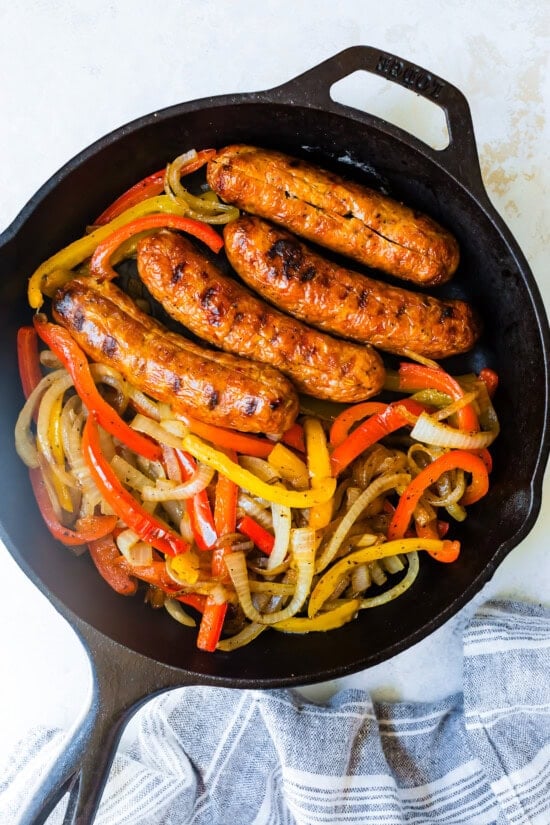
- Stovetop Sautéing: This is perhaps the most common indoor method. The sausage can be browned in a large skillet, then removed. In the same skillet, the peppers and onions are sautéed until tender and lightly caramelized. This method allows the vegetables to absorb the flavorful rendered fats from the sausage, intensifying the taste. A heavy-bottomed skillet, particularly cast iron, is effective for achieving a good sear and even heat distribution. A touch of broth or water can be added towards the end to deglaze the pan and create a flavorful pan sauce.
- Oven Roasting (Sheet Pan Method): As hinted at by related recipes, oven roasting is an excellent hands-off approach. Sausage, peppers, and onions can be chopped, tossed with a little olive oil and seasonings, then spread out on a sheet pan and roasted in a hot oven (e.g., 400°F/200°C). This method results in beautifully caramelized vegetables and evenly cooked sausage, often requiring less active supervision than stovetop cooking. It’s particularly praised for its minimal cleanup and consistent results, making it ideal for busy weeknights.
- Baking/Braising: For a softer, more saucy version, the sausage and vegetables can be baked in a casserole dish, sometimes with a splash of broth or tomato sauce. This method creates a tender, melt-in-your-mouth texture for both the sausage and vegetables, with the flavors melding together more deeply. This can be done at a slightly lower temperature (e.g., 375°F/190°C) for a longer duration, allowing flavors to fully develop.
- Air Fryer: For smaller batches or quicker cooking, an air fryer can crisp the sausage and tenderize the vegetables effectively. The circulating hot air mimics deep-frying results with significantly less oil, making it a healthy and convenient option. Preheating the air fryer and cooking in batches if necessary will ensure optimal results.
Regardless of the chosen method, the key to perfectly cooked sausage lies in ensuring it reaches an internal temperature of 165°F (74°C). An instant-read thermometer is an invaluable tool for this, guaranteeing both food safety and optimal texture. For pre-cooked sausages, the goal is simply to heat them through until warm in the center, which will significantly reduce cooking time.
Nutritional Profile and Dietary Considerations
Sausage and peppers, particularly when prepared with leaner chicken sausage, offers a well-balanced nutritional profile that can fit into various dietary plans. A typical serving, for instance, approximately 1 cup of sausage and peppers with 2 oz of crusty bread, provides around 413 kcal, 28g protein, 17g fat (with 5g saturated fat), 38g carbohydrates, 2.5g fiber, and 9.5g sugar. These figures can vary based on specific ingredient choices and portion sizes.

Protein Powerhouse: The sausage is an excellent source of protein, essential for muscle repair, growth, and overall satiety. Opting for chicken sausage significantly reduces the saturated fat and cholesterol content, making it a heart-healthier choice without sacrificing the protein punch. This aligns with public health recommendations for reducing intake of saturated fats.
Vitamin and Mineral Rich: Bell peppers are packed with Vitamin C, a powerful antioxidant and immune booster, as well as Vitamin A, important for vision and skin health. Onions contribute various B vitamins and potassium. The vibrant colors of the peppers indicate a rich profile of phytonutrients and carotenoids.
Fiber Content: While not exceptionally high, the fiber from the peppers, onions, and whole-grain bread (if chosen) aids in digestion, promotes gut health, and contributes to feelings of fullness, which can be beneficial for weight management.
Carbohydrate Considerations: The carbohydrate content is moderate, largely coming from the vegetables and the accompanying bread. For those managing carbohydrate intake, the dish can be served without bread or with a low-carb alternative such as cauliflower rice, zucchini noodles, or a large green salad.
Sodium Levels: It’s important to note the sodium content, which can be high due to the sausage and seasonings. Choosing lower-sodium sausages and controlling added salt during preparation can help manage this, especially for individuals monitoring their sodium intake.
This dish represents a satisfying way to incorporate lean protein and a substantial serving of vegetables into one’s diet, offering a balance of macronutrients and essential micronutrients, making it a commendable option for a balanced meal.
Creative Variations and Expanded Serving Suggestions
The foundational recipe for sausage and peppers is incredibly versatile, lending itself to numerous variations that cater to different tastes, dietary needs, and culinary occasions.
- Herb and Spice Enhancements: Beyond the basic salt and pepper, incorporating fresh herbs like oregano, basil, thyme, or chopped fresh parsley can brighten the flavors considerably. A pinch of red pepper flakes can add an extra kick, even to sweet sausage, appealing to those who enjoy a bit of heat. Smoked paprika can introduce a deeper, smoky flavor dimension, particularly when cooking indoors.
- Adding Tomatoes and Sauces: A common and highly popular variation involves simmering the sausage and peppers in a light tomato sauce, transforming it into a richer, stew-like dish perfect for serving over pasta or polenta. Diced canned tomatoes, crushed tomatoes, or a simple marinara can be added during the last phase of cooking, allowing the flavors to meld. This creates a more substantial and saucy meal, ideal for colder weather.
- Cheese Inclusion: As seen in related preparations like "Cheesy Sausage and Peppers in foil packets," adding a sprinkle of shredded mozzarella, provolone, or even a sharper Parmesan cheese towards the end of cooking can create a gooey, comforting layer, especially when baked or grilled in foil. The melting cheese adds richness and a delightful textural contrast.
- Expanded Vegetable Additions: Beyond peppers and onions, other vegetables can be incorporated to increase bulk, nutritional value, and flavor complexity. Zucchini, mushrooms, cherry tomatoes, eggplant, or even hearty greens like spinach or kale can be added during the last few minutes of cooking. Potatoes, as demonstrated in recipes like "Sheet Pan Roasted Potatoes, Sausage, and Peppers," can turn it into a complete one-pan meal.
- Serving Versatility:
- Classic Sandwich: The most iconic way to enjoy sausage and peppers is piled high on a crusty Italian roll, hero bread, or sub roll, often with a drizzle of olive oil or a spoonful of tomato sauce.
- Platter Style: Served as a visually appealing main course on a large platter, perhaps with a fresh side salad, roasted potatoes, or a grain pilaf.
- Pasta Topping: Cut into smaller pieces and tossed with your favorite pasta and a light sauce, it transforms into a quick and satisfying pasta dish.
- Low-Carb Options: For those following low-carb or ketogenic diets, the dish can be served over cauliflower rice, spiralized zucchini or sweet potato noodles, or simply as a standalone meal, focusing on the protein and vegetable components.
- Breakfast/Brunch: Leftovers can be creatively repurposed by chopping them and adding to omelets, frittatas, or breakfast burritos for a hearty morning meal.
- Pizza Topping: The cooked mixture can be spread over pizza dough with cheese for a unique homemade pizza.
Storage and Meal Preparation Efficiency
Sausage and peppers is an excellent candidate for meal preparation, as it stores and reheats beautifully, making it a convenient option for busy lifestyles.
- Refrigeration: Leftovers should be stored in an airtight container in the refrigerator for up to 3-4 days. The flavors often meld and deepen overnight, enhancing the taste, a common phenomenon in dishes with robust, cooked vegetables and proteins.
- Freezing: For longer storage, cooked sausage and peppers can be frozen. Allow the dish to cool completely before transferring it to freezer-safe bags or containers. It can be stored in the freezer for up to 2-3 months without significant loss of quality. Thaw overnight in the refrigerator before reheating for best results.
- Reheating: Reheat gently on the stovetop over medium-low heat to prevent drying out, in the microwave for speed, or in the oven until warmed through. Adding a splash of water or broth can help maintain moisture, especially if a sauce was not originally included. This flexibility in reheating methods further underscores its suitability for meal prepping.
The ability to prepare this dish in advance and enjoy it over several days or to freeze portions for future quick meals makes it a highly practical option for busy individuals and families, aligning seamlessly with modern trends towards efficient meal planning and reducing food waste.
Conclusion: A Culinary Staple with Enduring Relevance
The Sausage and Peppers Recipe embodies the best of approachable, flavorful, and versatile cooking. From its humble origins in Italian-American kitchens to its current status as a widely cherished dish, it consistently delivers on taste and satisfaction. Its ease of preparation, combined with its nutritional flexibility and adaptability to various cooking environments—from the backyard grill to the indoor stovetop—ensures its continued relevance in contemporary culinary landscapes. As a dish that effortlessly combines hearty protein with vibrant, sweet vegetables, it remains a beloved staple, offering comfort, convenience, and a rich tapestry of flavors to all who enjoy it. Its story is one of culinary evolution, cultural integration, and the simple, enduring joy of a well-prepared meal that brings people together.
