

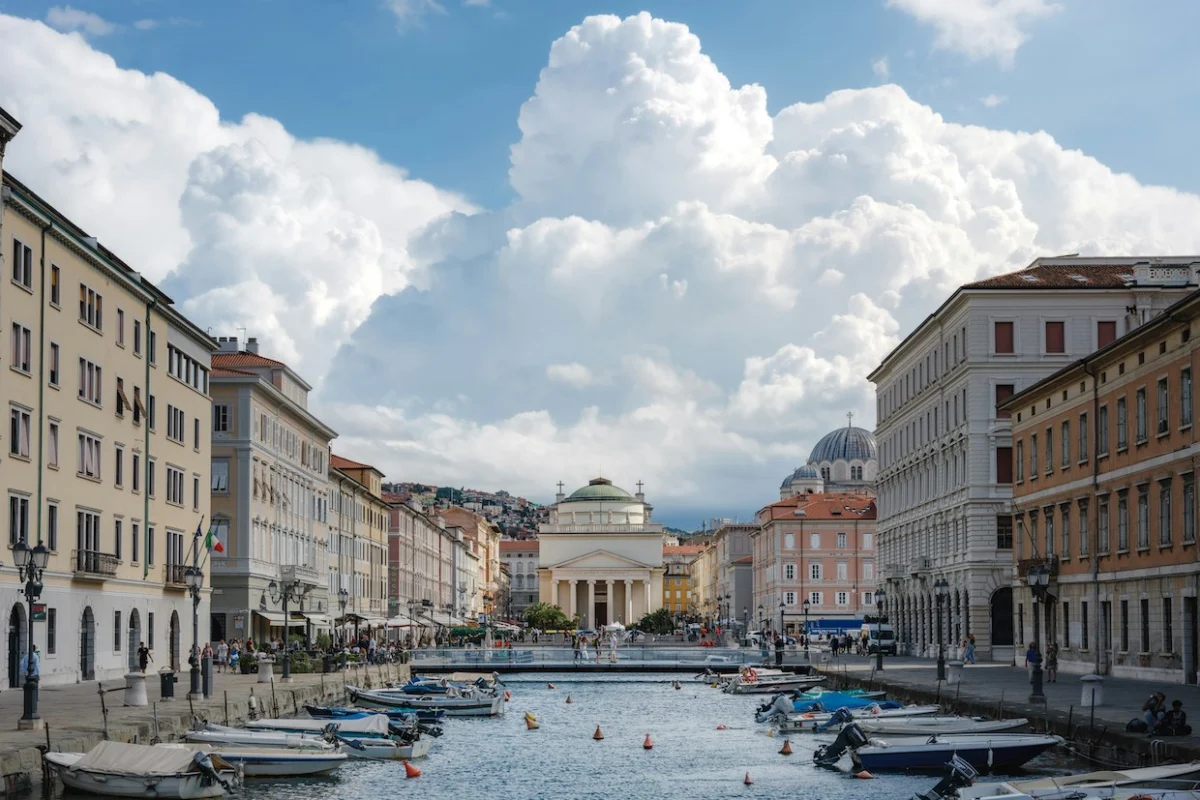
The International Coffee Convention (ICC), a premier event renowned for its deep dive into coffee science and industry innovation, is set to make its debut in the historic port city of Trieste, Italy, on October 16-17, 2026. This marks a significant geographical shift for the convention, which has previously been hosted in Mannheim, Germany, for its past two editions. The move to Trieste, a city intrinsically linked with the historical development of coffee culture in Europe, signals a deliberate effort to situate the scientific discourse within a landscape rich with coffee heritage.
Organized by the Coffee Consulate, an independent training and research center founded by Steffen Schwarz, the ICC has evolved from a series of symposia, beginning with the Stuttgart Coffee Symposium in 2018. The formal establishment of the International Coffee Convention in 2023 solidified its commitment to bridging the gap between academic research and practical industry application. The convention’s core mission is to foster interdisciplinary dialogue, bringing together experts from fields as diverse as agronomy, genetics, chemistry, sensory science, economics, and behavioral science. The format is designed to place researchers and practitioners on the same platform, facilitating robust discussions on every facet of the coffee value chain, from cultivation and trade to processing and the final preparation of the beverage.
The 2026 edition in Trieste promises a comprehensive agenda, with several key thematic tracks planned. These include an exploration of "Climate and Agriculture," addressing the critical challenges facing coffee cultivation; "Sustainability and Processing," focusing on environmentally responsible methods and advancements; "Market and Consumers," delving into evolving preferences and economic dynamics; "Technology and Innovation," showcasing cutting-edge developments; "Ethics and Society," examining the social impact of the coffee industry; and "Trade and Regulation," navigating the complex global landscape of coffee commerce.
The organizers have emphasized the timeliness of this gathering, stating, "Set against the backdrop of a city with deep roots in European coffee culture, ICC 2026 arrives at a moment when coffee is under growing pressure from climate volatility, changing consumer behavior, regulatory change, supply-chain complexity and the urgent need for credible sustainability." This statement underscores the critical junctures the global coffee industry is navigating, making the scientific and collaborative environment of the ICC more vital than ever.
Abstract Submissions Open for Scientific and Industry Professionals
A crucial element of the ICC’s preparatory phase is the call for abstract submissions, which is currently open and will close on June 30, 2026. The organizers are actively seeking contributions from a wide spectrum of stakeholders within the coffee ecosystem. This inclusive approach is fundamental to the convention’s ethos, aiming to capture a holistic view of the industry’s challenges and opportunities. The call is specifically targeted at researchers, graduate students, R&D professionals, farmers, cooperative representatives, roasters, traders, retailers, sustainability experts, policy specialists, and non-governmental organizations (NGOs).
Submissions are welcomed for both oral presentations, which will typically be 15 to 20 minutes in length followed by a discussion period, and poster presentations. All submitted abstracts will undergo a rigorous single-blind peer review process conducted by the ICC Scientific Committee. This ensures the scientific integrity and relevance of the content presented at the convention, upholding its reputation as a knowledge-sharing platform.
The chosen venue for ICC 2026 is the Generali Convention Center in Trieste, a modern facility that will provide the infrastructure necessary to host a high-caliber international event. While attendee pricing has not yet been announced, organizers are also actively seeking sponsors and additional industry engagement to support the convention and broaden its reach. Further updates and information regarding the 2026 International Coffee Convention will be made available on the official event website.
Historical Context and Evolution of the International Coffee Convention
The International Coffee Convention’s trajectory from local symposia to a global scientific forum is a testament to the growing recognition of the need for evidence-based approaches in the coffee sector. The initial series of symposia, initiated by Steffen Schwarz through Coffee Consulate, began in 2018 in Stuttgart. These events were designed to foster a deeper understanding of coffee science among industry professionals, moving beyond anecdotal evidence and subjective experiences.
The symposia covered a range of topics, gradually expanding their scope and ambition. Over time, they evolved to include virtual formats, broadening accessibility for participants across different geographies. The formal launch of the International Coffee Convention in 2023 marked a significant milestone, establishing a dedicated platform for the formal presentation of research and industry-led innovation. The convention’s previous editions in Mannheim, Germany, laid the groundwork for its scientific rigor and interdisciplinary approach.
The decision to hold the convention in Trieste for 2026 is particularly poignant. Trieste has a storied past as a major port for coffee imports into Europe, particularly during the Austro-Hungarian Empire. The city’s cafés were once vibrant centers of intellectual and commercial exchange, and its identity is deeply intertwined with the history of coffee consumption and trade. This historical resonance provides a unique and inspiring backdrop for discussions on the future of coffee, connecting contemporary challenges with centuries of coffee heritage. The port of Trieste itself played a pivotal role in the early dissemination of coffee throughout Europe, and its continued importance in global trade offers a tangible link to the complexities of the modern coffee supply chain.
Supporting Data and Industry Trends
The significance of the ICC’s focus on scientific inquiry is amplified by current trends and data within the coffee industry. Climate change poses one of the most significant threats, with studies indicating that global coffee production could decline by as much as 50% by 2050 under current warming scenarios. Specific regions, particularly those at lower altitudes, are already experiencing significant impacts from rising temperatures and changing rainfall patterns, affecting bean quality and yield. This reality underscores the urgency for research into climate-resilient coffee varieties and sustainable farming practices, which will undoubtedly be a key area of discussion at the ICC.
Furthermore, consumer behavior is in constant flux. There is a growing demand for transparency, ethical sourcing, and sustainable practices. Consumers are increasingly interested in the journey of their coffee from farm to cup, leading to greater scrutiny of supply chains. This necessitates innovative approaches to traceability, certification, and community engagement, all of which fall under the purview of the convention’s thematic tracks. Economic volatility, fluctuating commodity prices, and geopolitical instability in coffee-producing regions add another layer of complexity to the industry, requiring robust economic and behavioral science research to understand and mitigate these challenges.
The convention’s emphasis on a broad range of disciplines, including economics and behavioral science, is therefore highly relevant. Understanding market dynamics, consumer psychology, and the economic viability of sustainable practices is crucial for the long-term health of the coffee industry. For instance, research into consumer willingness to pay for ethically sourced or sustainably produced coffee can inform pricing strategies and marketing efforts, ultimately benefiting farmers.
Fact-Based Analysis of Implications
The relocation of the International Coffee Convention to Trieste is more than just a geographical change; it represents a strategic alignment with the historical and cultural significance of coffee. By choosing a city that has been a cornerstone of coffee’s journey into Europe, the organizers are not only tapping into a rich heritage but also positioning the convention as a bridge between past legacies and future innovations. This setting can inspire a deeper appreciation for the complexities of the coffee industry and foster a more profound understanding of the human element involved in its production and consumption.
The broadened call for abstract submissions, encompassing a wide array of professionals and stakeholders, is likely to yield a more comprehensive and diverse set of insights. This inclusivity is essential for addressing the multifaceted challenges facing the coffee sector. When farmers, scientists, traders, and consumers engage in dialogue, it fosters a more holistic understanding of the issues at hand and can lead to more effective and collaborative solutions. The peer-review process further ensures that the discussions are grounded in evidence and scientific merit, elevating the discourse beyond mere opinion.
The convention’s focus on specific tracks like "Climate and Agriculture" and "Sustainability and Processing" directly addresses some of the most pressing concerns for the industry. For example, research presented on drought-resistant coffee varietals or innovative water management techniques in agriculture could have direct implications for the livelihoods of millions of coffee farmers and the long-term availability of coffee. Similarly, discussions on circular economy principles in coffee processing or the reduction of waste throughout the supply chain can lead to significant environmental benefits and cost savings.
The involvement of technology and innovation tracks signals a forward-looking approach. advancements in areas such as precision agriculture, blockchain for supply chain transparency, or novel roasting technologies can revolutionize how coffee is produced, processed, and consumed. The convention provides a vital platform for showcasing these innovations and facilitating their adoption across the industry.
The inclusion of "Ethics and Society" and "Trade and Regulation" tracks highlights the convention’s commitment to addressing the social and economic dimensions of coffee. This includes fair labor practices, land rights, community development, and the impact of trade policies on producing countries. By bringing together policy experts, NGOs, and industry leaders, the ICC can contribute to the development of more equitable and sustainable trade frameworks.
The success of the International Coffee Convention in Trieste in 2026 will be measured not only by the quality of the scientific presentations but also by the concrete actions and collaborations it inspires. The gathering offers a unique opportunity for networking, knowledge exchange, and the forging of partnerships that can drive meaningful change in the global coffee industry. As the industry grapples with unprecedented challenges, the scientific dialogue and collaborative spirit fostered by the ICC are more critical than ever for ensuring a sustainable and prosperous future for coffee.
