

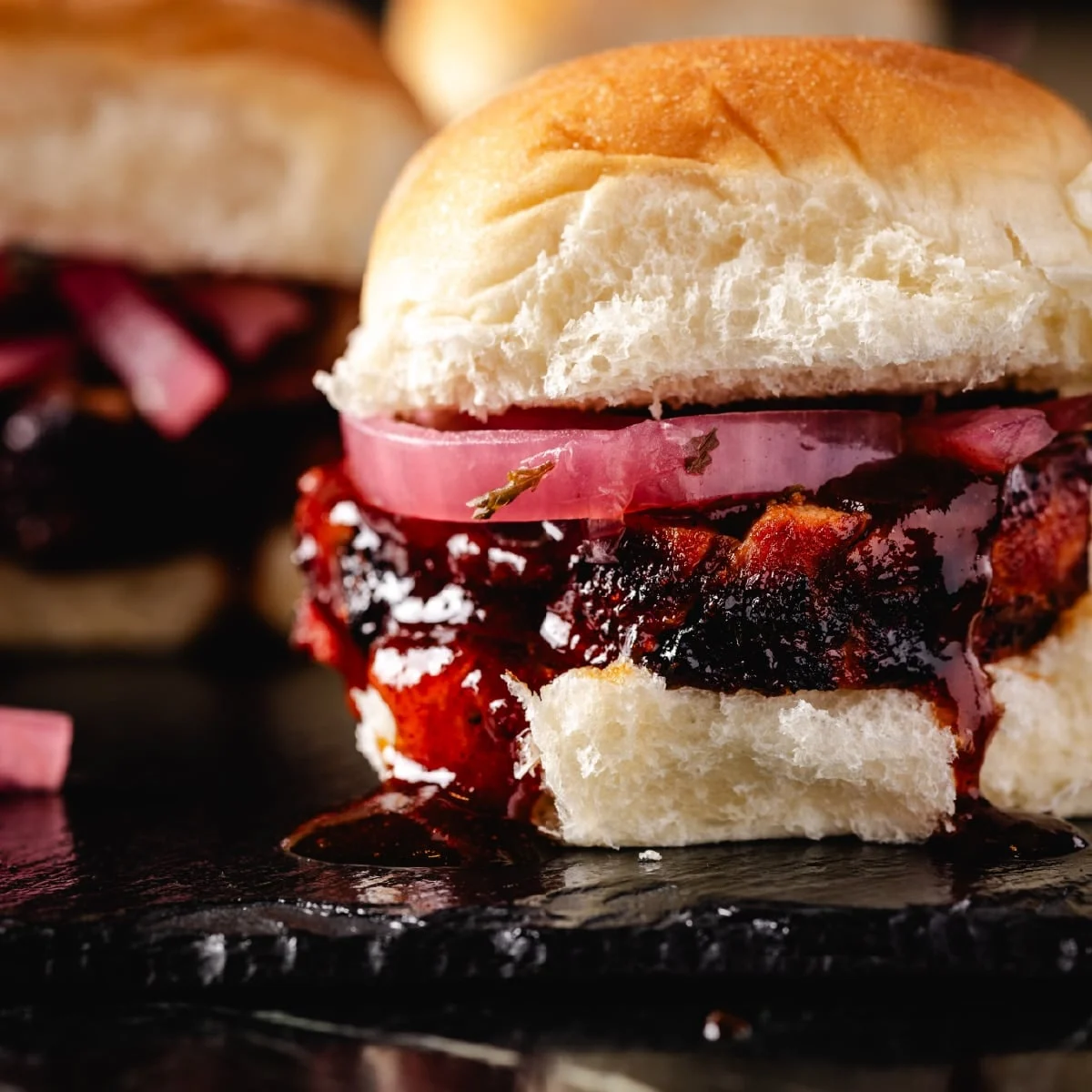
The Evolution of the Slider at the Winter Fancy Food Show
The Winter Fancy Food Show, hosted by the Specialty Food Association, serves as a premier destination for the discovery of innovative food products and culinary techniques. It was at the San Diego iteration of this event that the Hot Honey Pork Tenderloin Slider was first introduced as a demonstration piece. Industry analysts noted that the dish’s success stemmed from its ability to provide a "barbecue joint" experience within the confines of a small-format appetizer.
The demonstration highlighted a broader industry shift toward "premiumization" of affordable cuts. While beef brisket and pork shoulder have traditionally dominated the barbecue scene, the use of pork tenderloin represents a strategic pivot toward leaner, faster-cooking proteins that do not sacrifice the depth of flavor associated with traditional low-and-slow smoking methods. This shift is particularly relevant as consumer preferences move toward "micro-entertaining," where high-quality, shareable snacks like sliders take center stage over heavy, single-protein entrees.

Technical Specifications and Ingredient Composition
The construction of the Hot Honey Pork Tenderloin Slider relies on a six-ingredient foundation designed to hit multiple sensory points: salt, sugar, heat, acid, and fat. Each component serves a distinct functional purpose in the final flavor architecture:
- Pork Tenderloin: Chosen for its tenderness and lack of connective tissue, which allows for a quick sear-to-glaze transition.
- Hey Grill Hey Sweet Rub: A dry seasoning blend that facilitates the Maillard reaction, creating a caramelized crust on the exterior of the meat.
- Hot Honey BBQ Sauce: A viscosity-controlled glaze that introduces capsaicin and glucose, providing a glossy finish and a progressive heat profile.
- Hawaiian Rolls: These soft, enriched buns provide a structural sweetness that complements the spicy glaze.
- Pickled Red Onions: The acetic acid in the onions serves as a palate cleanser, cutting through the richness of the pork and the sugar content of the sauce.
- Butter: Used for toasting the rolls, which adds a crucial textural contrast between the soft interior and a crisp bite surface.
Chronology of Preparation and Thermal Management
The preparation of the sliders follows a precise chronological sequence to ensure food safety and optimal texture. According to culinary standards and USDA guidelines, the management of internal temperatures is the most critical variable in the process.
Phase I: Preparation and Seasoning
The process begins with the trimming of the silver skin from the pork tenderloin to ensure uniform tenderness. The meat is then coated liberally with the sweet rub. Unlike tougher cuts of meat that require long brine periods, pork tenderloin absorbs surface seasonings quickly due to its lean structure.

Phase II: The Grilling Process
The tenderloin is placed on a preheated grill. The average cooking time is approximately 25 minutes, though this is subject to variables such as ambient temperature and grill type. The objective is to maintain a consistent medium-high heat that allows the exterior to brown without drying out the interior.
Phase III: The Glazing Interval
A critical technical step occurs when the pork reaches an internal temperature of 135°F (57°C). At this juncture, the Hot Honey BBQ Sauce is applied. Glazing too early can lead to the burning of sugars in the sauce, while glazing too late prevents the sauce from "setting" or tacking up onto the meat.
Phase IV: Final Internal Temperature and Resting
The pork is removed from the heat once it reaches the USDA-recommended internal temperature of 145°F (63°C). A mandatory resting period of 5 to 10 minutes follows. During this time, the muscle fibers relax, allowing the internal juices to redistribute, ensuring that the meat remains succulent when sliced for the sliders.

Nutritional Analysis and Dietary Impact
For health-conscious consumers and institutional nutritionists, the profile of the pork tenderloin slider offers a relatively high protein-to-fat ratio compared to traditional beef-based sliders. A standard serving of these sliders (calculated for six servings) yields the following data:
- Calories: 425 kcal
- Protein: 38g
- Total Fat: 10g (Saturated Fat: 4g)
- Carbohydrates: 44g
- Sugars: 17g
- Sodium: 494mg
- Cholesterol: 118mg
The high protein content (38g) makes the dish a viable option for those prioritizing muscle maintenance, while the moderate fat content distinguishes it from more caloric barbecue options like pulled pork shoulder or beef ribs. However, the sodium and sugar levels, primarily derived from the BBQ sauce and the Hawaiian rolls, are factors that dietary planners may need to monitor.
Economic Implications of Pork Tenderloin in Modern BBQ
The rise of pork tenderloin in casual dining and home grilling is not merely a matter of taste but also of economic necessity. In the current inflationary environment, beef prices have seen significant volatility. Pork tenderloin remains one of the most affordable "premium" cuts on the market.

Market data suggests that by utilizing pork tenderloin, home cooks can achieve a high-end dining experience at a fraction of the cost of ribeye or brisket. Furthermore, the efficiency of the cut—boasting a nearly 100% yield with minimal waste—increases its value proposition for both the domestic kitchen and the commercial food service provider. The "slider" format further extends the value of the protein, as a single tenderloin can produce a dozen or more individual servings, making it an ideal choice for large-scale catering or game-day events.
Official Responses and Culinary Philosophy
Susie Bulloch, the architect of the recipe, has frequently commented on the democratization of barbecue. Through her platform, Hey Grill Hey, she emphasizes the "Backyard BBQ Hero" concept, which encourages amateur grillers to adopt professional techniques. "Pork tenderloin is one of the most underrated cuts you can grill," Bulloch stated during the San Diego demonstration. "It’s affordable, fast, and takes on flavor beautifully."
This philosophy aligns with a broader movement in the culinary world toward "accessible excellence." By providing clear, temperature-based instructions rather than vague timing guidelines, Bulloch and other modern BBQ influencers are reducing the barrier to entry for high-quality meat preparation. The integration of digital tools, such as the Hey Grill Hey App, further illustrates the intersection of traditional cooking and modern technology in the pursuit of culinary consistency.

Broader Impact and Future Culinary Trends
The success of the Hot Honey Pork Tenderloin Slider at industry events suggests that the "swicy" trend is far from over. As capsaicin-linked products continue to grow in popularity, the pairing of spicy elements with natural sweeteners like honey and fruit-based barbecue sauces is expected to expand into other protein categories.
Moreover, the slider’s versatility—serving as either a "shareable, standout snack" for sporting events or a "main dish" for weeknight dinners—reflects the changing nature of American meal structures. The traditional "meat and two sides" format is increasingly being replaced by flexible, modular meals that can be adapted to various social contexts.
In conclusion, the Hot Honey Pork Tenderloin Slider represents more than a simple recipe; it is a case study in modern culinary adaptation. By leveraging the economic advantages of pork, the popularity of spicy-sweet flavors, and the technical precision of temperature-based cooking, this dish has secured its place as a significant contributor to the contemporary barbecue canon. As the industry continues to evolve, the principles of affordability, speed, and bold flavor profiles demonstrated here will likely remain the benchmarks for successful recipe development in the years to come.
