

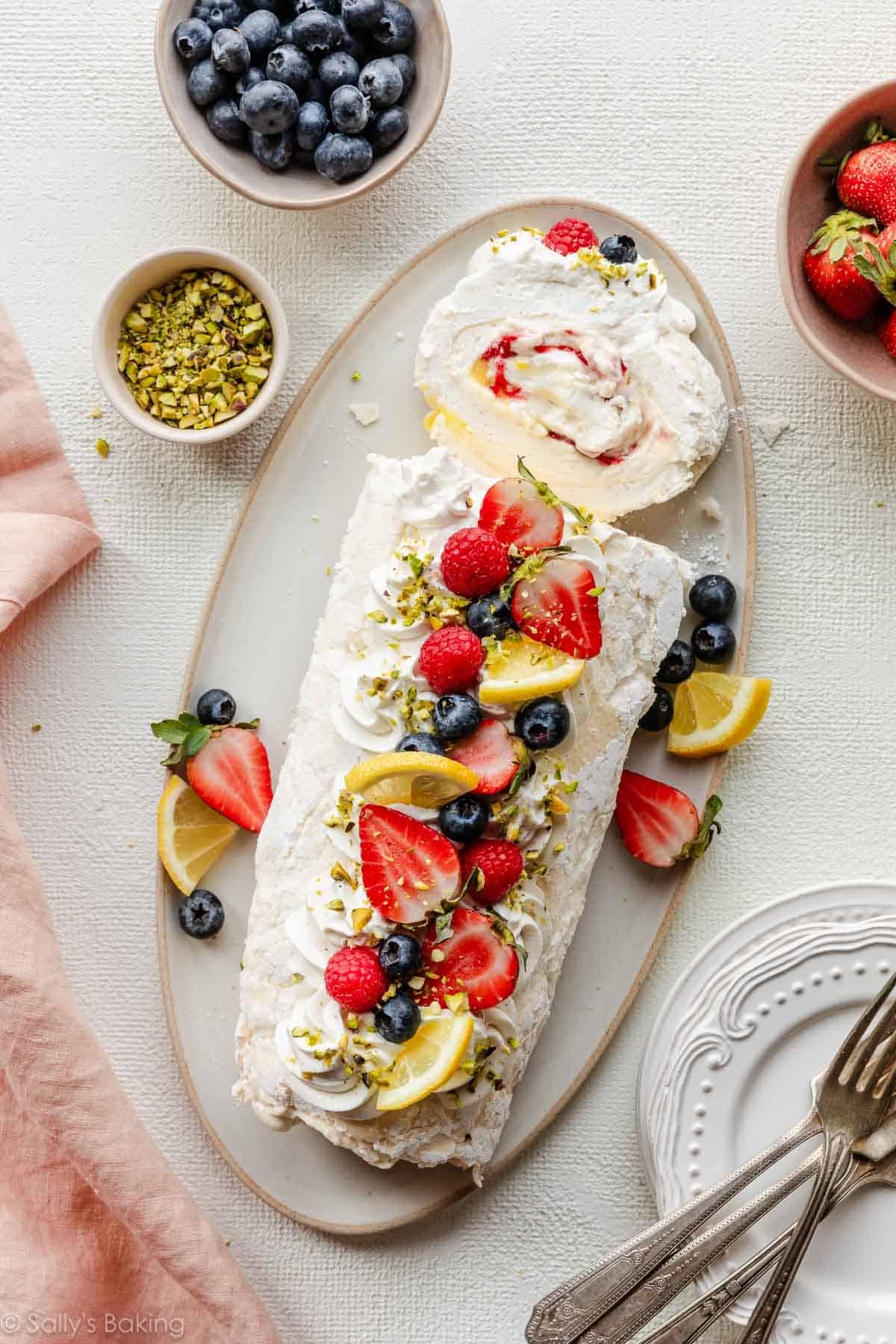
The culinary world is currently witnessing a notable resurgence in intricate home baking, with desserts that combine elegance and technical precision capturing the imagination of enthusiasts worldwide. Among these, the meringue roulade stands out as a quintessential example: a dessert celebrated for its ethereal lightness, a delicate crisp exterior, and a sumptuously soft, marshmallow-like interior. This naturally gluten-free confection, often filled with clouds of cream, tangy fruit curds, or vibrant jams, transcends a mere sweet treat, embodying a show-stopping centerpiece suitable for the most special occasions. Its visual appeal, characterized by a graceful spiral and often adorned with fresh fruits or subtle dustings of sugar, belies the exacting methodology required for its perfect execution, making it a compelling challenge for aspiring and experienced bakers alike. The journey from simple ingredients to a flawlessly rolled meringue is a testament to patience and technique, culminating in a dessert that frequently surpasses its own stunning appearance in taste and texture.
The Historical Roots and Culinary Science of Meringue
The origins of meringue are often traced back to the 17th or 18th century, with popular lore attributing its invention to a Swiss confectioner named Gasparini in the village of Meiringen, from which the dessert supposedly derives its name. Early meringues were simpler affairs, primarily composed of whipped egg whites and sugar, baked until crisp. Over centuries, culinary innovators adapted this basic structure, leading to variations like the French meringue (light and airy), Italian meringue (stabilized with hot sugar syrup), and Swiss meringue (heated over a double boiler for stability). The roulade, or "roll," concept itself has European origins, traditionally applied to sponge cakes, but its application to meringue is a more delicate evolution, combining the structural integrity of a rolled cake with the delicate fragility of meringue. This adaptation is often likened to a more flexible cousin of the Pavlova, another celebrated meringue-based dessert, though the roulade is specifically designed for its pliability, allowing it to be rolled without shattering.
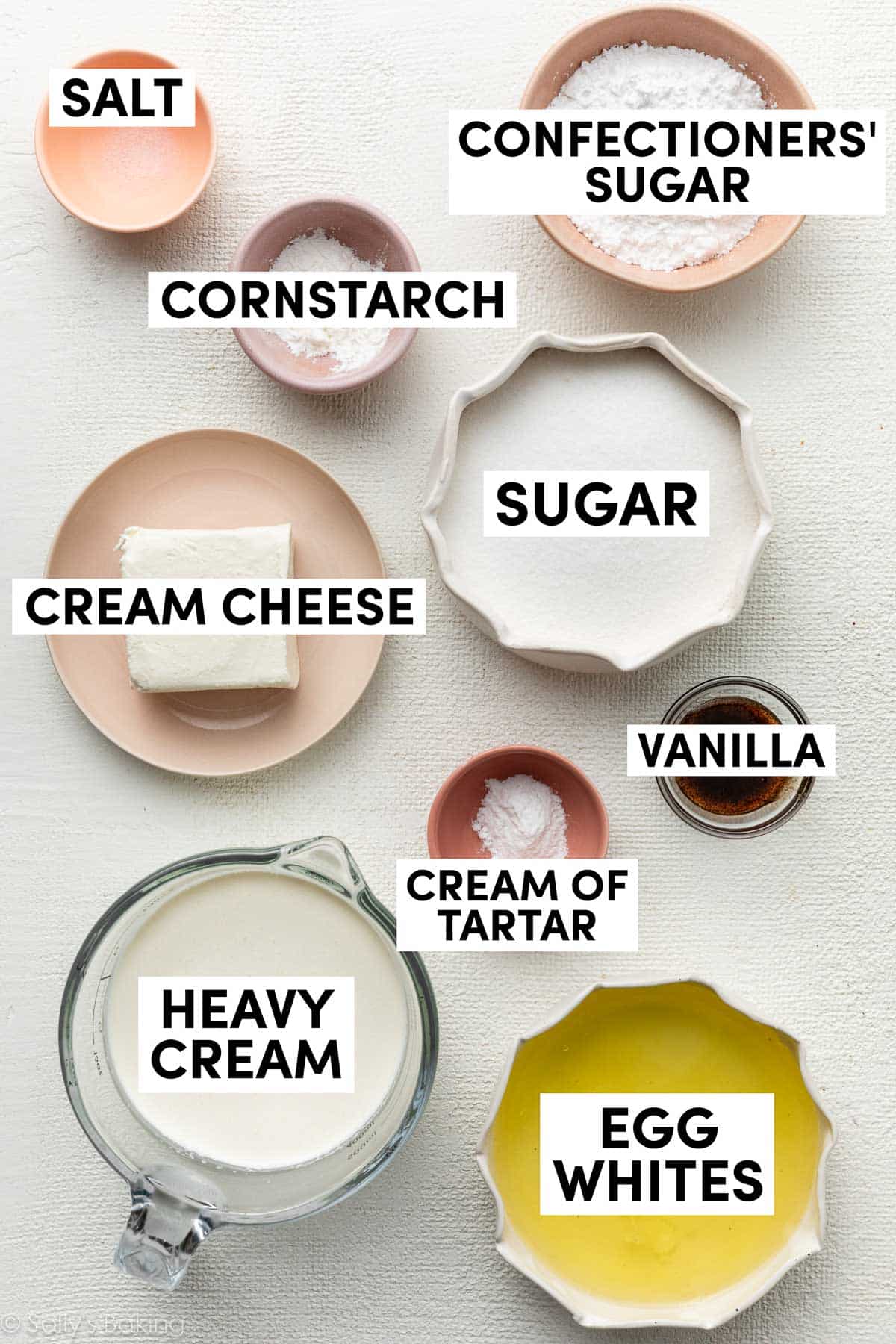
The distinct texture of a meringue roulade is a triumph of culinary science. At its core, meringue is an emulsion of air and egg white proteins, stabilized by sugar. When egg whites are whipped, the mechanical action denatures their proteins, causing them to unfold and create a network that traps air bubbles. Sugar, introduced gradually, dissolves into this protein-air matrix, forming a stable foam. Crucially, the sugar not only sweetens but also strengthens the protein structure, preventing the air from escaping. Ingredients like cream of tartar or a touch of acid (lemon juice, vinegar) further aid in stabilizing the egg white proteins, ensuring a robust, voluminous meringue that can withstand the baking process. Cornstarch, often included, contributes to the soft, marshmallowy interior, absorbing moisture and preventing excessive drying, which is critical for the meringue to remain pliable enough for rolling. The precise balance of these ingredients and the meticulous whipping process are fundamental to achieving the desired crisp exterior and soft, yielding crumb that defines an exceptional meringue roulade.
Navigating the Technical Demands: A Baker’s Journey
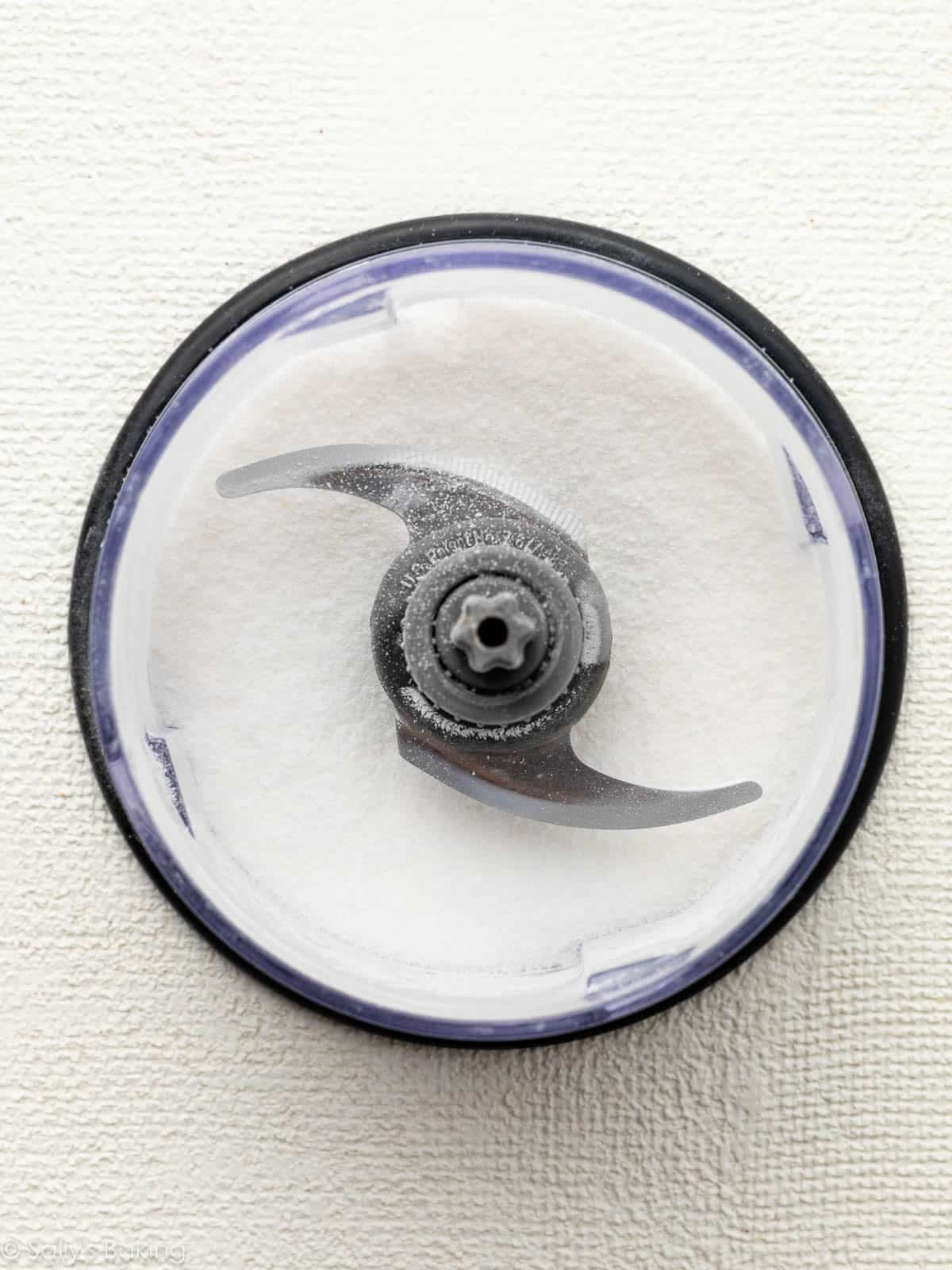
Crafting a meringue roulade is often considered an advanced baking endeavor, placing it in the same category of technical difficulty as delicate French macarons or temperamental soufflés. The process demands not just adherence to a recipe but a keen understanding of visual cues and an almost intuitive touch. The journey begins with the preparation of the sugar; granulated sugar is often pulsed into a finer consistency, known as caster or superfine sugar, to ensure it dissolves more readily into the egg whites, preventing a gritty texture and promoting stability.
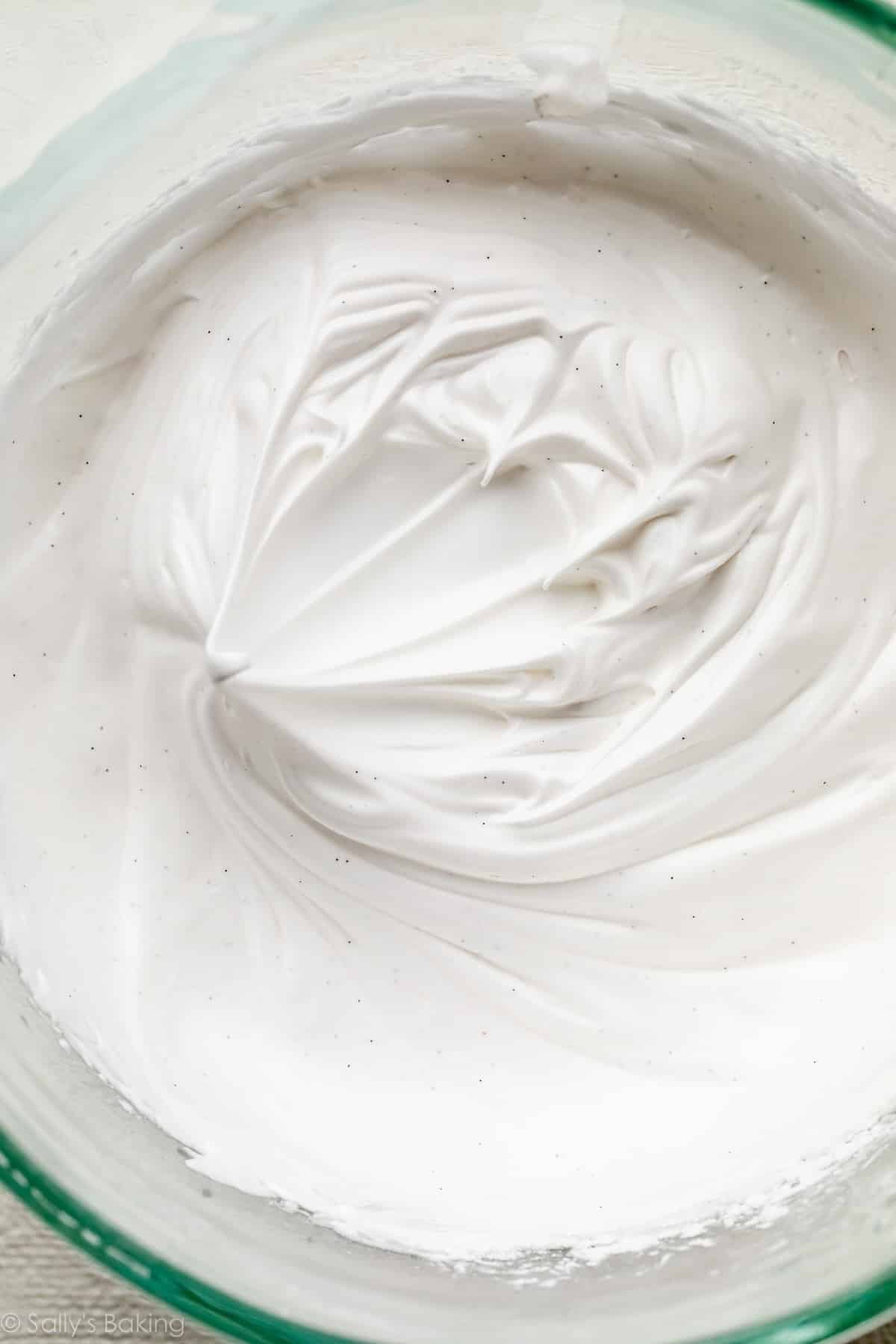
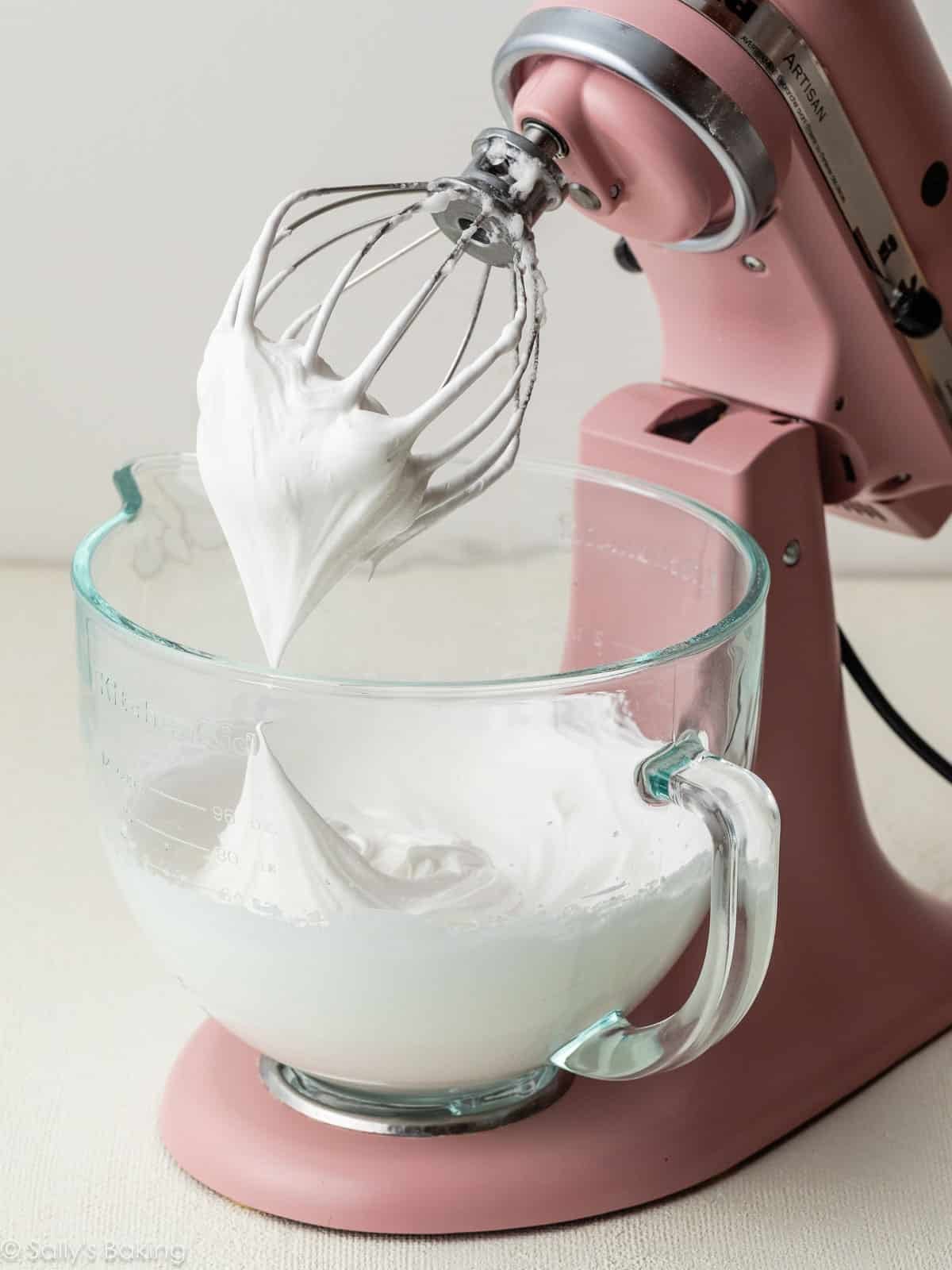
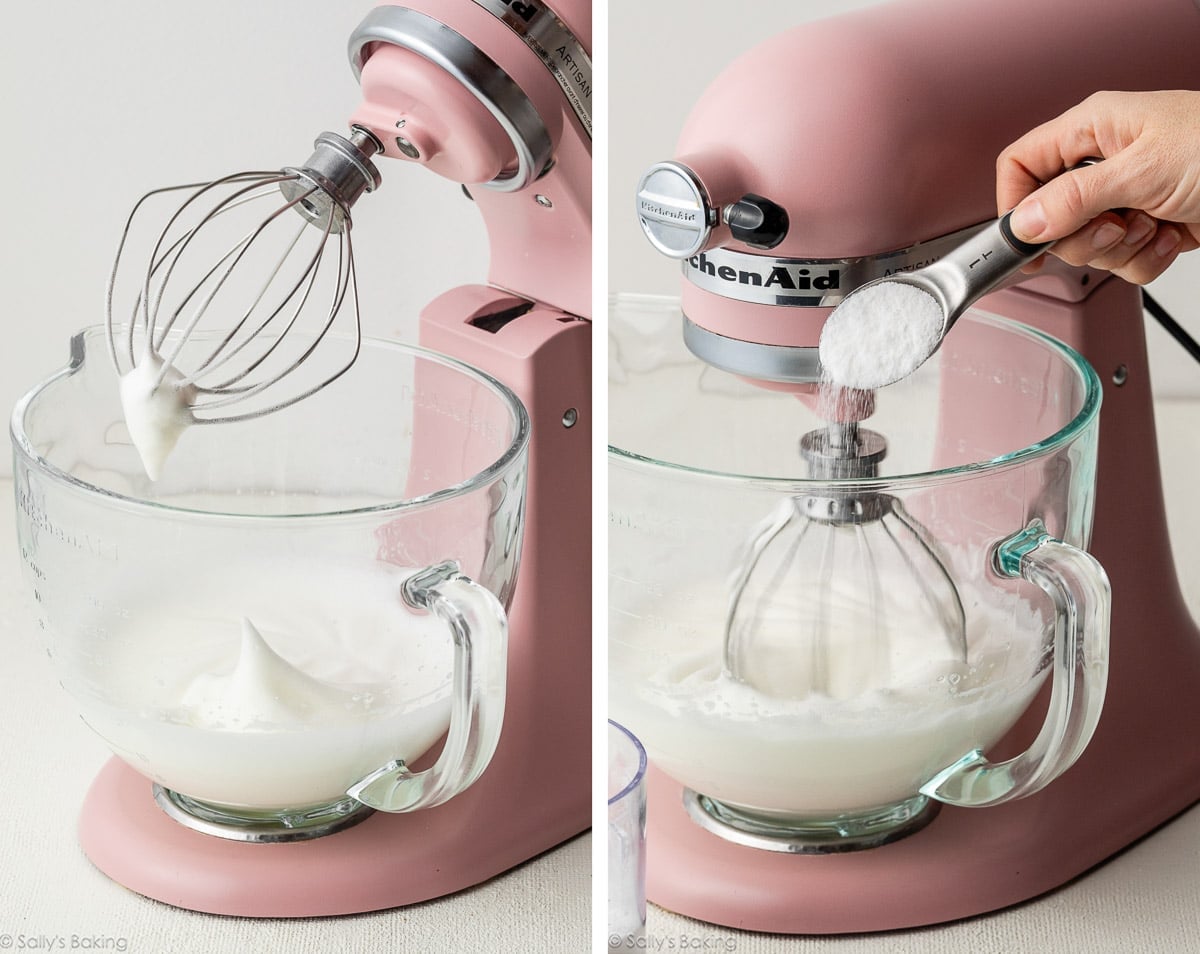
The whipping of egg whites is perhaps the most critical stage. Beginning with foamy egg whites, cream of tartar is added, a crucial acidic salt that aids in stabilizing the protein structure. Sugar is then incorporated gradually, often a tablespoon at a time, while the mixer runs continuously. This slow addition allows the sugar crystals to dissolve fully, preventing the meringue from "weeping" later – a common issue where undissolved sugar can break down and release syrup. The goal is to achieve stiff, glossy peaks that hold their shape firmly when the whisk is lifted, indicating a stable and robust meringue base. Over-whipping or under-whipping can both compromise the final texture, making the meringue either too dry and brittle or too weak and prone to collapse.
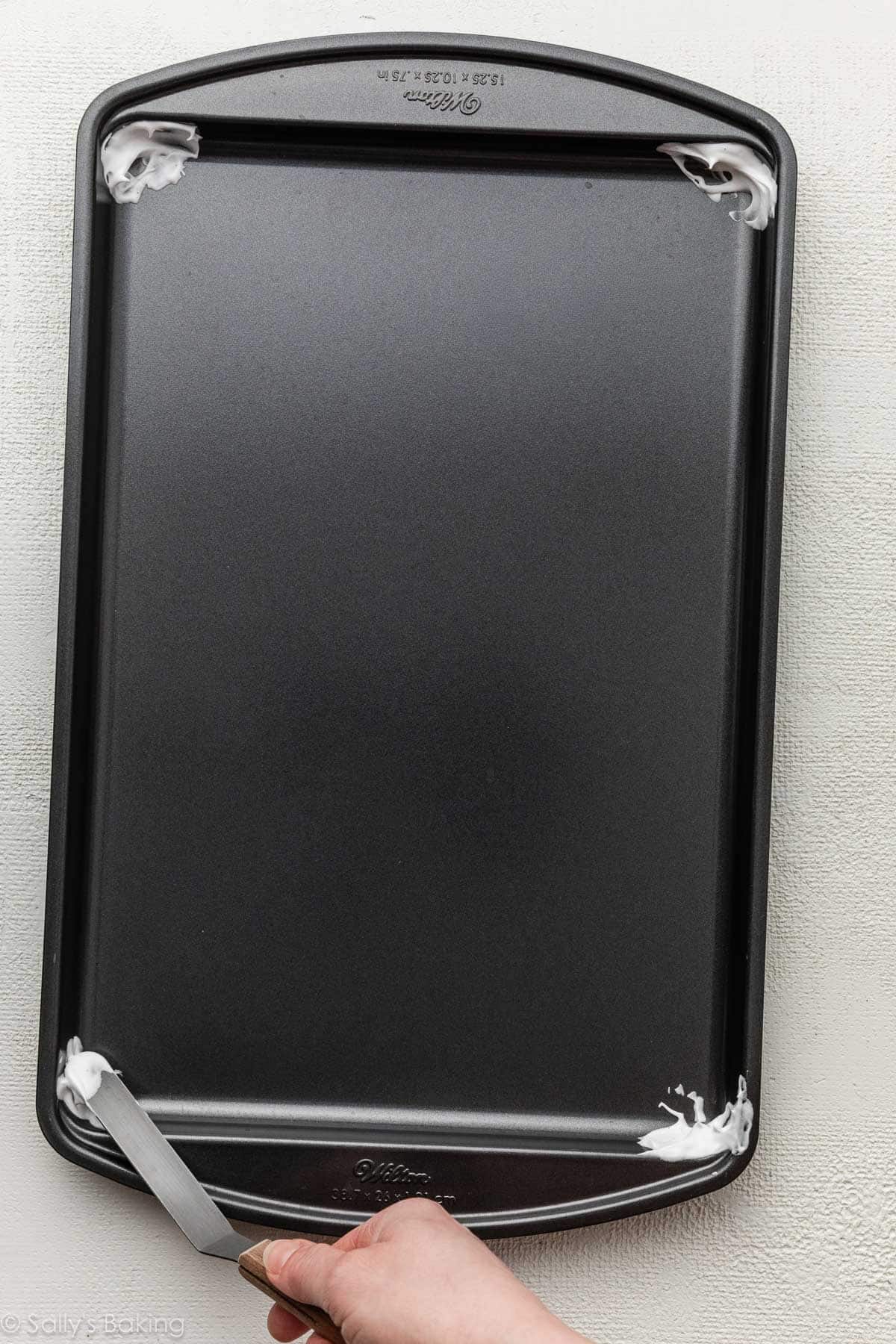
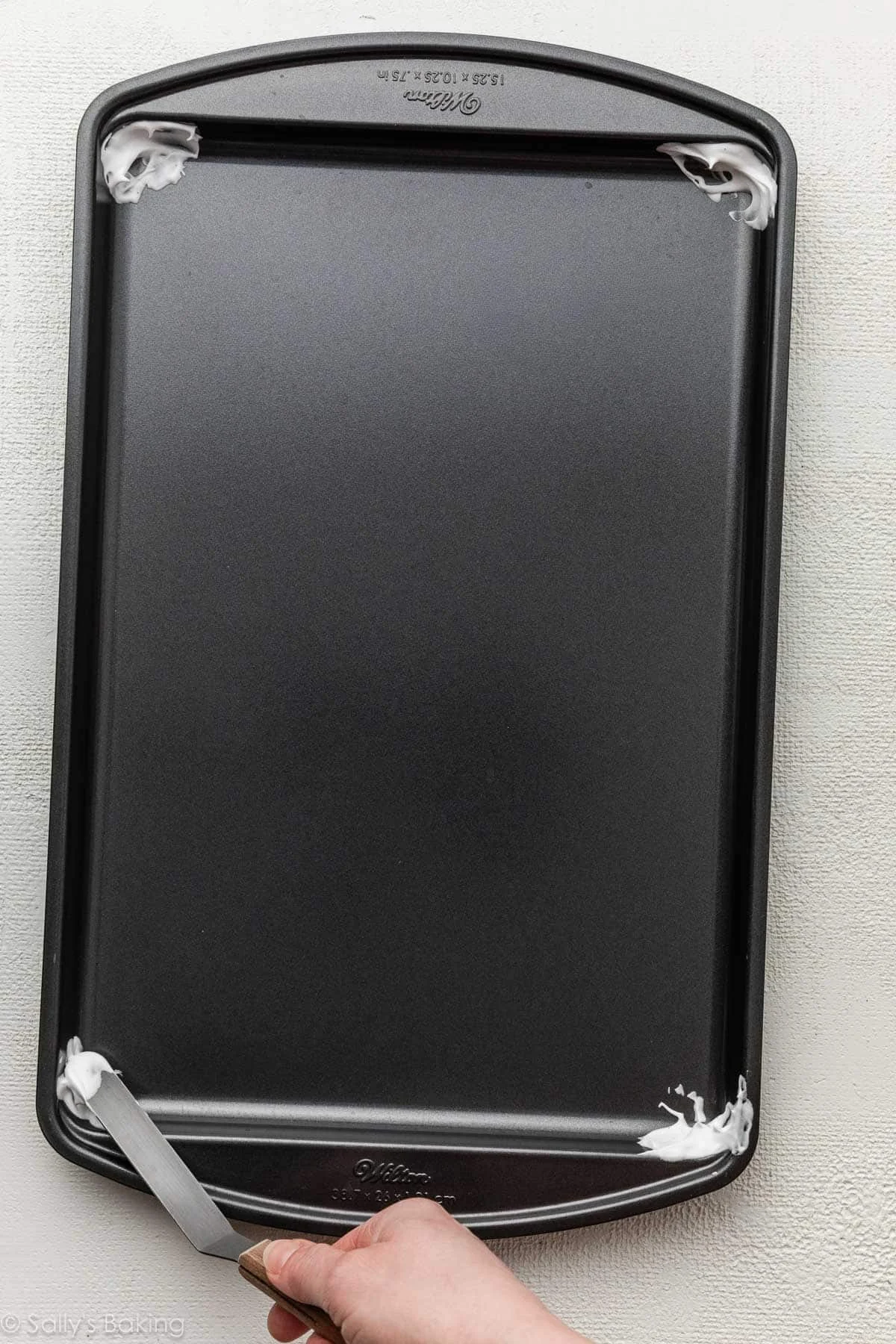
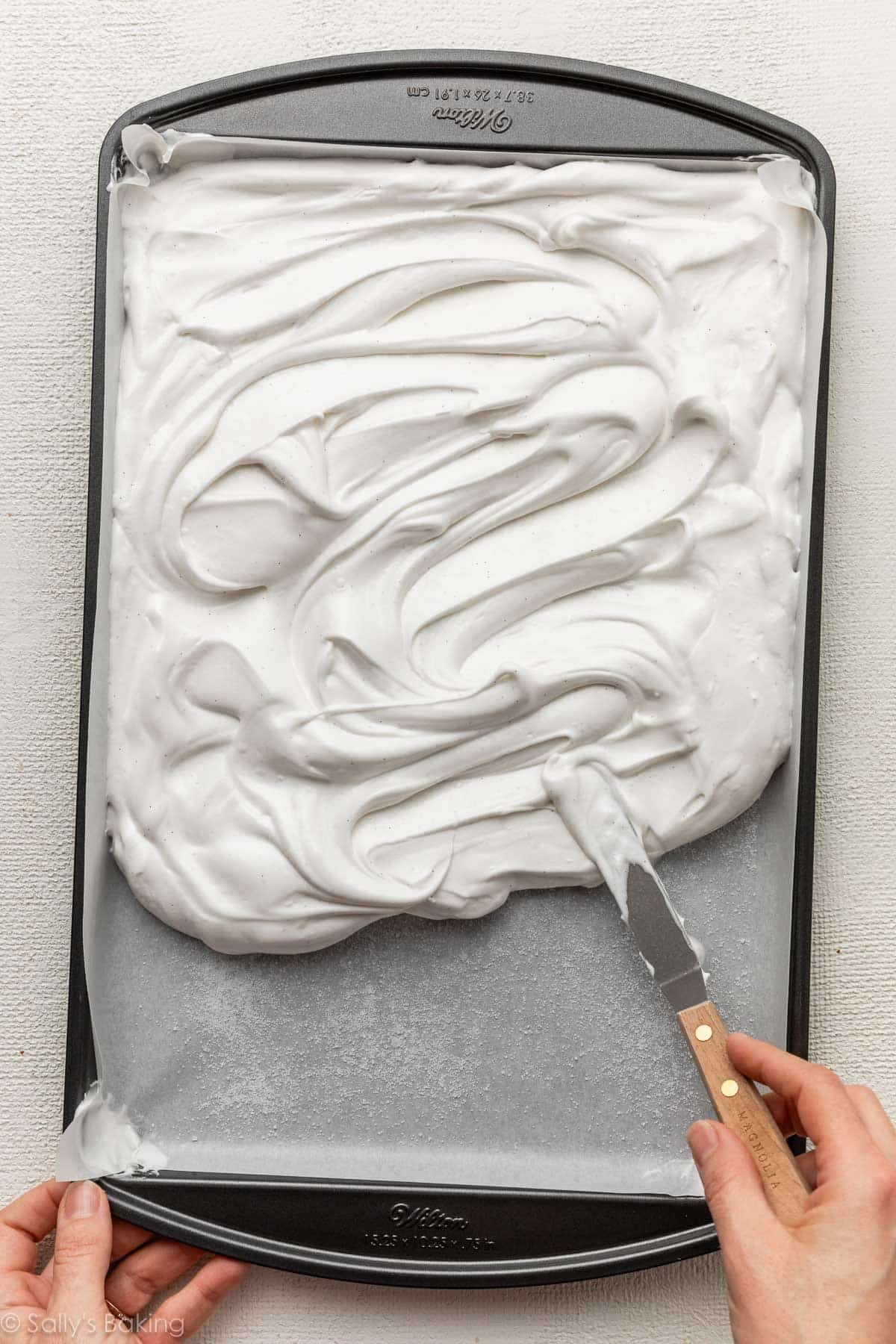
Once the meringue is perfectly whipped, it is carefully spread onto a parchment-lined baking sheet. A key trick, often employed by seasoned bakers, involves using small dabs of meringue to "glue" the parchment paper to the corners of the pan, preventing it from shifting during spreading. A light dusting of granulated sugar on the parchment before spreading also acts as a release agent, minimizing stickiness. The baking process itself is a delicate balance: the meringue needs to be baked just until it is set, lightly crisp on the surface, and springy beneath, with a pale, barely golden hue. Over-baking will lead to a dry, brittle meringue that is guaranteed to crack upon rolling, while under-baking will result in a tacky, unstable structure.
The Art of the Roll: Precision and Patience
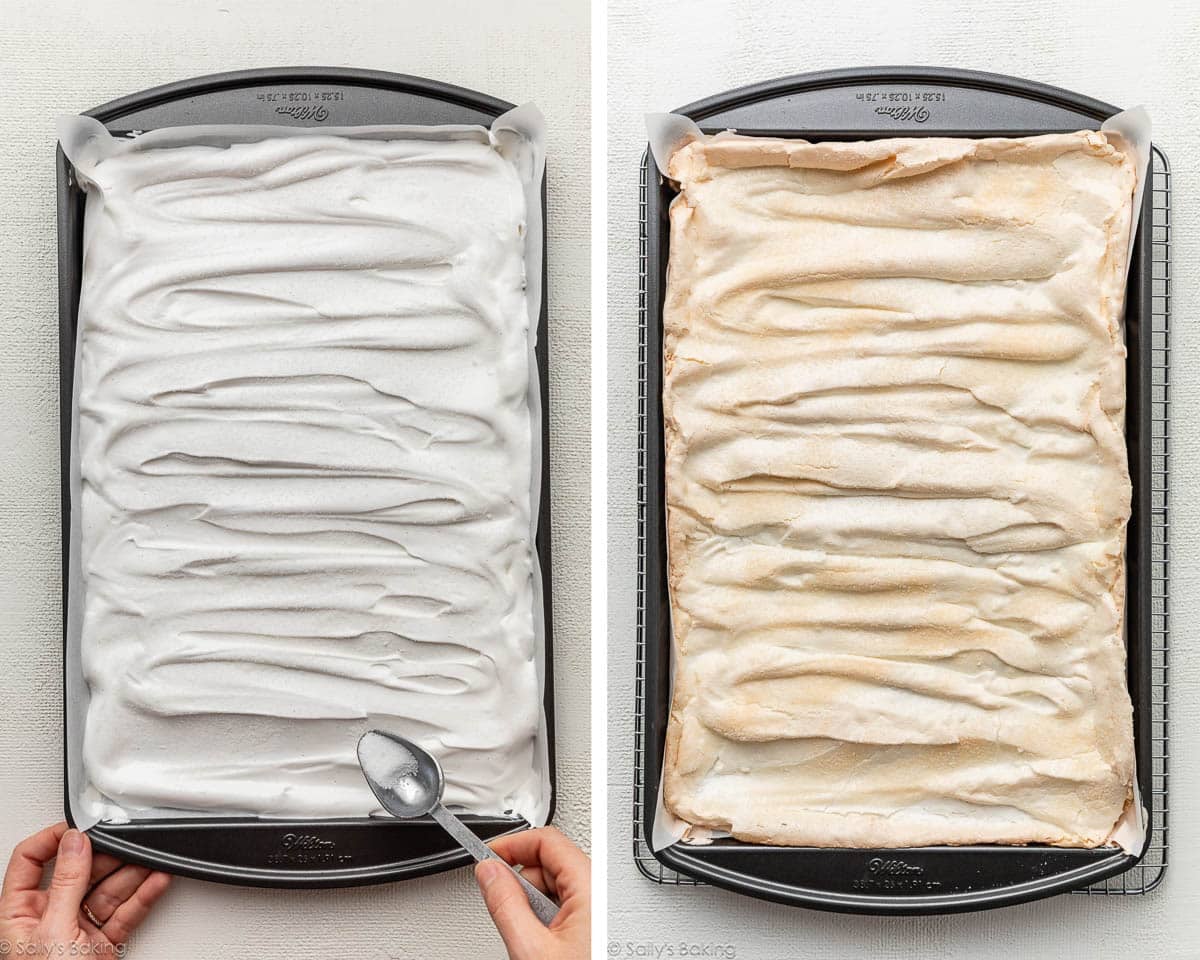
The rolling of the meringue is arguably the most nerve-wracking stage, a moment of truth that separates a successful roulade from a potential meringue "mess." Experience has taught that the meringue must be rolled while still warm, but not hot. A cooling period of approximately 10 minutes post-baking is typically identified as the optimal window. If cooled for too long, the meringue becomes rigid and inflexible, leading to inevitable cracks.
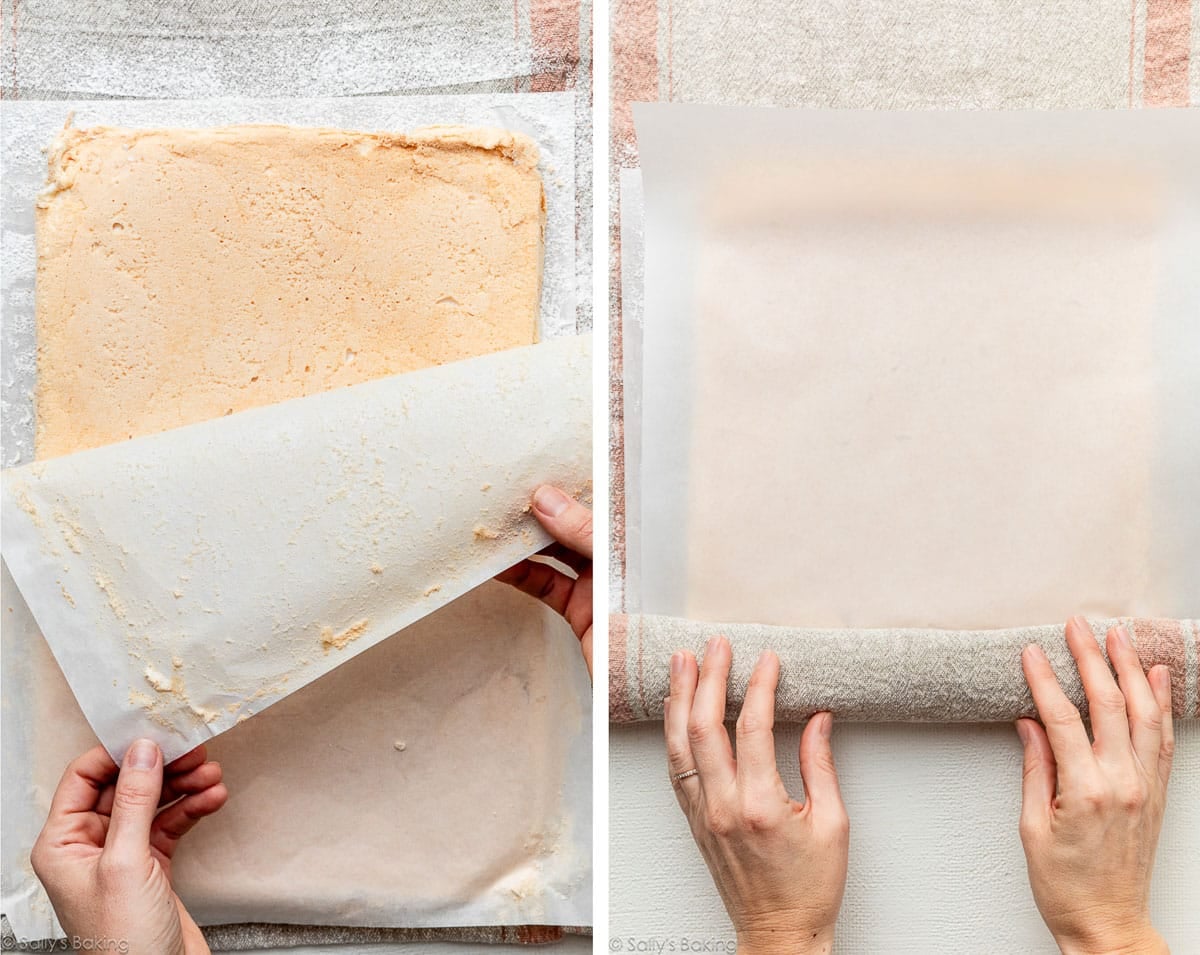
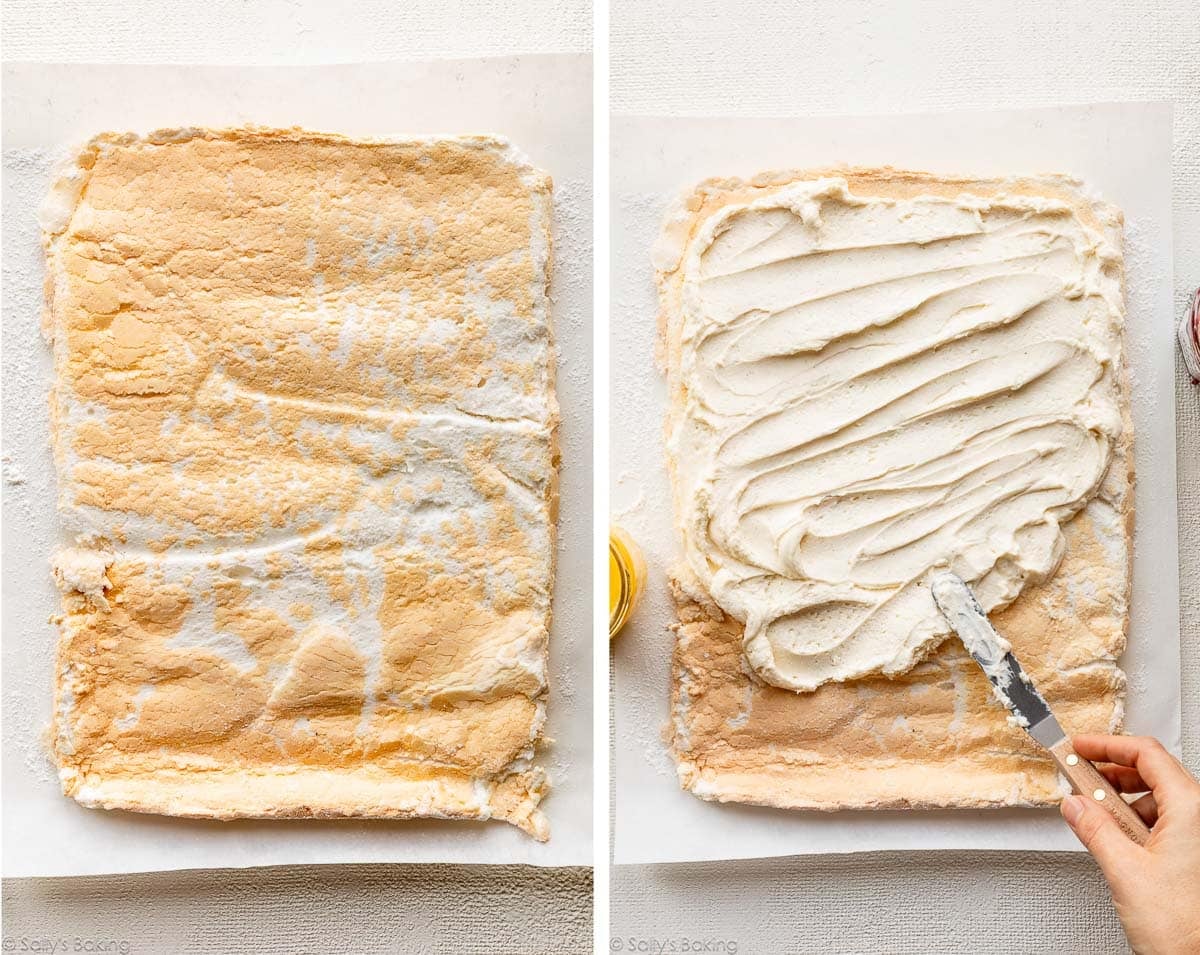
To facilitate the roll, the baked meringue is inverted onto a fresh sheet of parchment paper dusted with confectioners’ sugar, often supported by a clean kitchen towel. The original baking parchment is then carefully peeled away. The initial roll is performed without the filling, a technique known as "training" the meringue. This gentle, incremental roll, using the parchment and towel as guides, allows the meringue to establish its spiral shape and develop muscle memory, significantly reducing the likelihood of severe cracking when the filling is added. The key is a firm but gentle hand, preventing both loose, unstable rolls and overly tight ones that could cause structural failure.
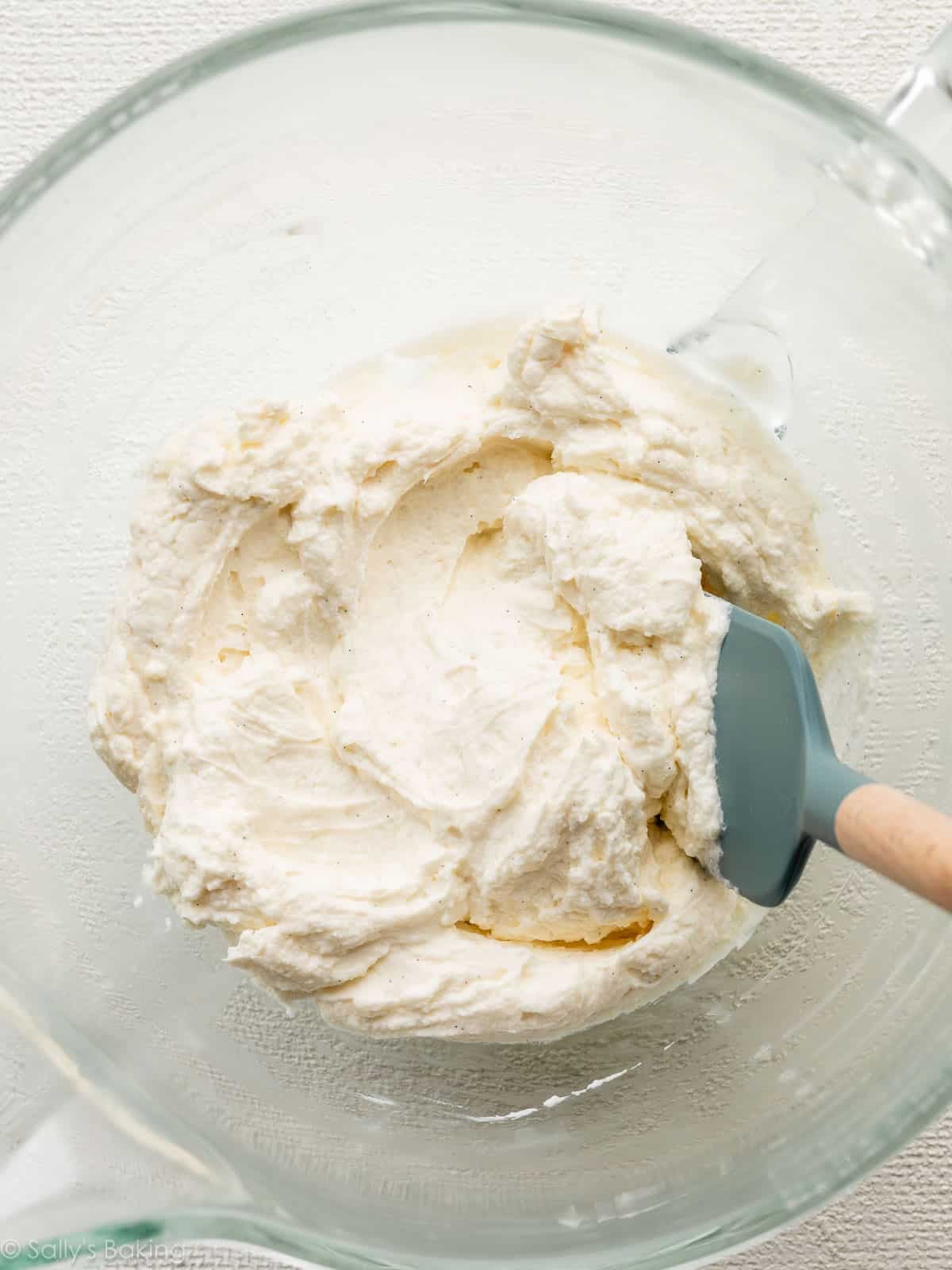
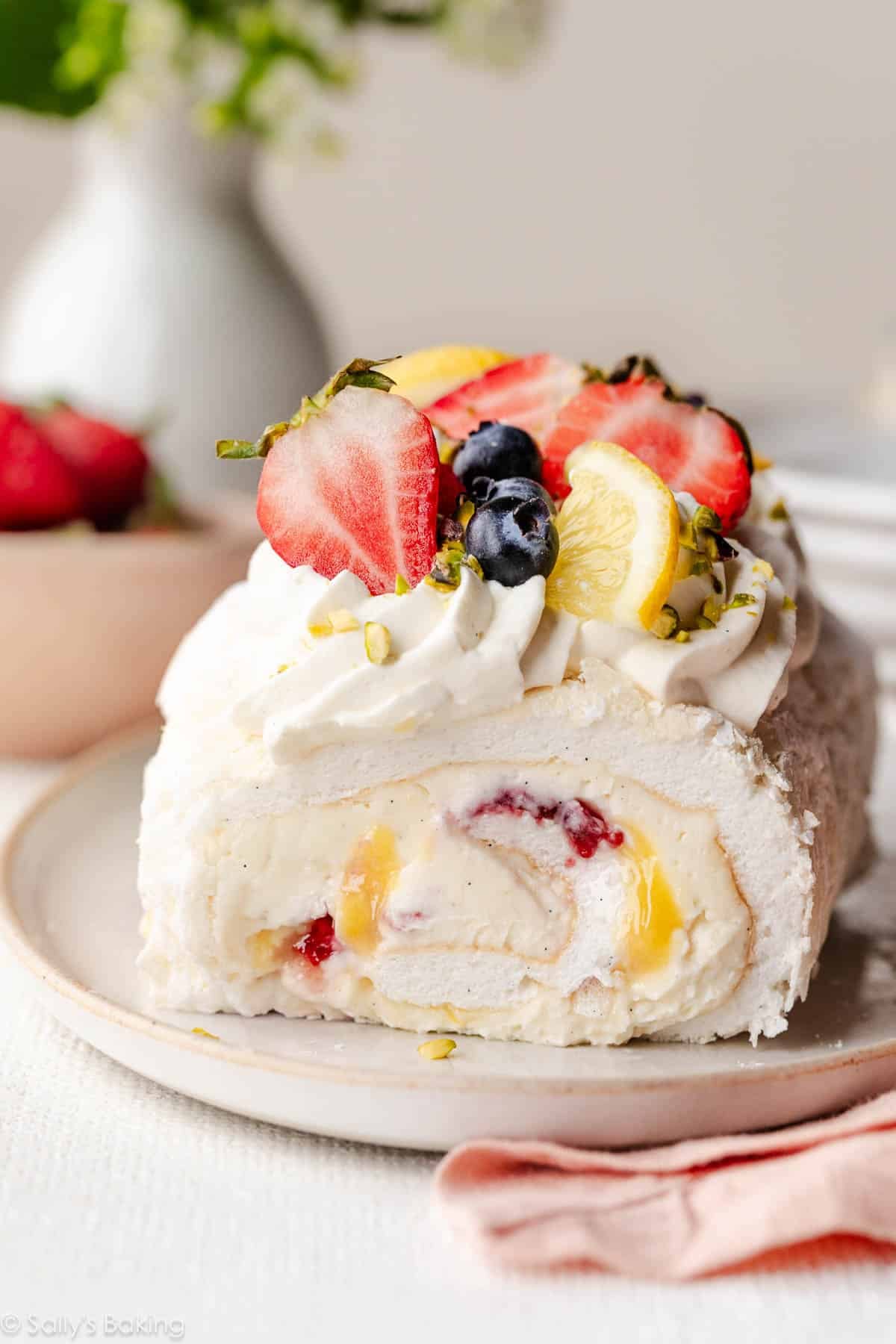
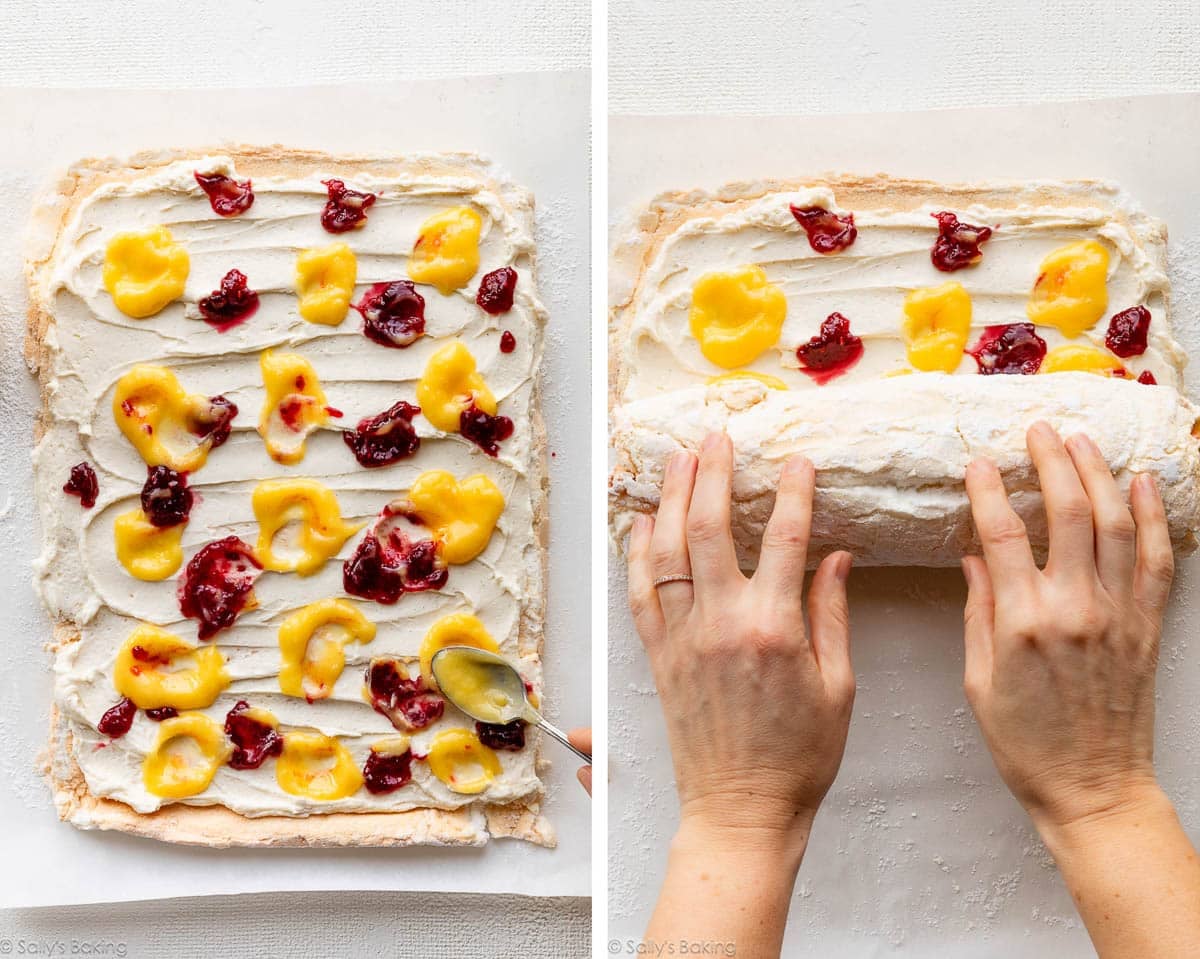
Once the meringue has cooled completely in its rolled form, it is unrolled, ready for its creamy interior. The standard filling often involves a stable vanilla cream, frequently enhanced with cream cheese or mascarpone. These ingredients lend richness and body, providing a more robust structure than simple whipped cream, which can easily weep or flatten. The cream is spread evenly, followed by dollops of complementary flavors such as tart lemon curd or sweet raspberry jam, creating beautiful swirls and adding layers of flavor. The final re-rolling, this time with the filling, must be executed with the same practiced care, ensuring the elegant spiral remains intact.
Community Insights and Broader Implications
Feedback from the baking community underscores the unique gratification derived from mastering such a recipe. Home bakers frequently report a profound sense of accomplishment. Kalani, a dedicated enthusiast, shared her excitement after successfully creating the roulade for Easter, praising its lightness and beauty, particularly when paired with homemade lemon curd. Jordan noted the recipe’s "challenging yet rewarding" nature, attributing success to detailed instructions that minimize the chances of error. Amy, another baker, expressed her surprise at being able to create such an "elegant dessert," acknowledging the time investment but deeming it "so worth it." These testimonials highlight a broader trend in home baking: a growing desire to tackle more complex recipes, driven by the satisfaction of creating something truly exceptional from scratch.
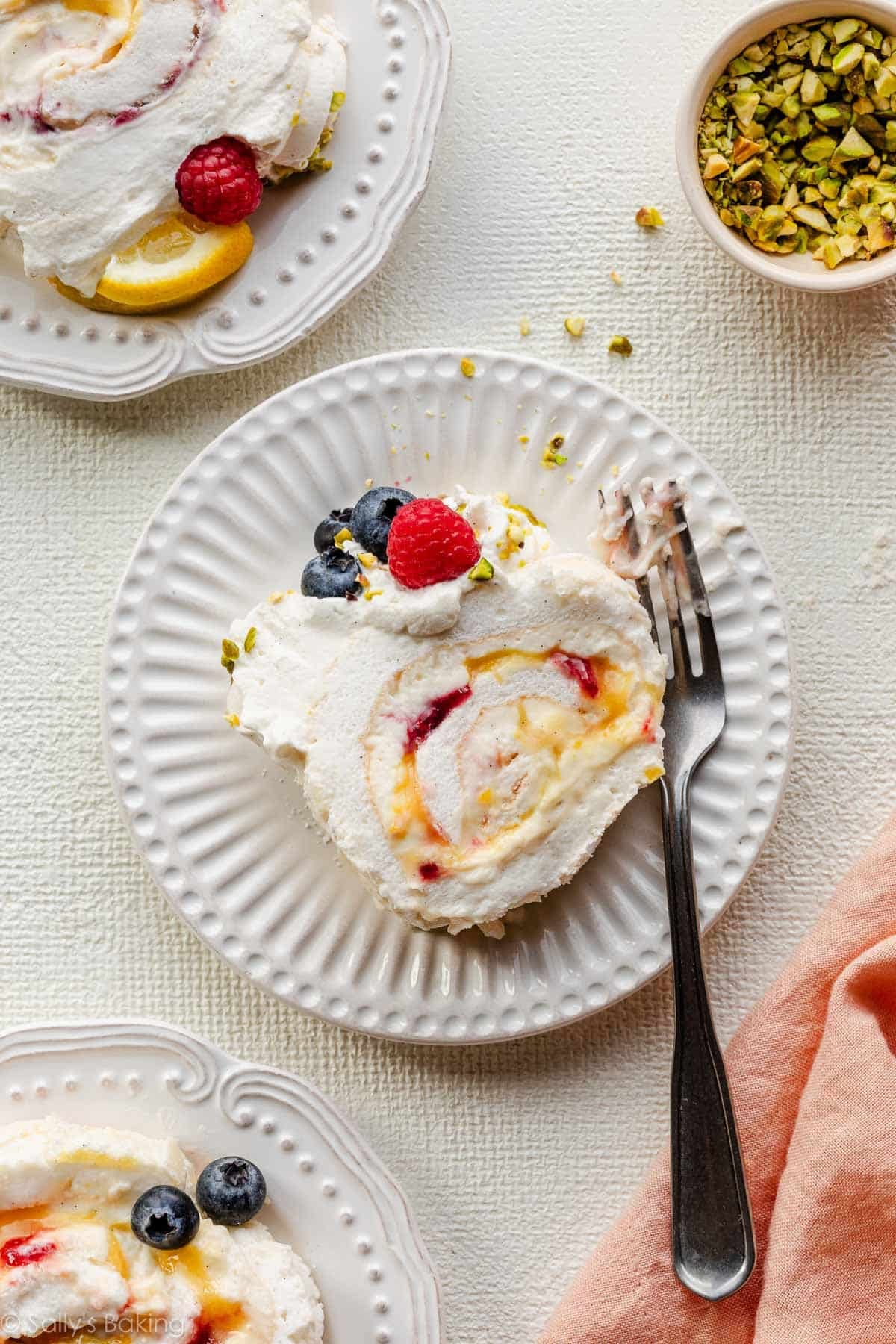
This phenomenon is further supported by industry data. Reports indicate a sustained interest in home baking, particularly for more elaborate desserts, a trend that accelerated during periods of lockdown and has continued to thrive. The global baking ingredients market is projected to grow significantly, reflecting increased consumer engagement in preparing sophisticated dishes at home. Social media platforms also play a pivotal role, with visually stunning desserts like the meringue roulade garnering immense popularity, inspiring more individuals to venture into advanced baking. The ability to customize the roulade with various fillings—from traditional vanilla cream and fruit curds to more adventurous mocha, pistachio, or chocolate combinations—further enhances its appeal, allowing bakers to personalize their creations and express culinary creativity.
The meringue roulade, while demanding precision, ultimately offers a remarkable reward. Its naturally gluten-free nature makes it an inclusive option for various dietary needs, expanding its reach and appeal. The journey through its creation, from the careful whipping of egg whites to the delicate roll, cultivates valuable baking skills and fosters confidence. While the pursuit of aesthetic perfection is a natural inclination, the inherent charm of a homemade meringue roulade lies not just in its flawless appearance but in its taste and the effort invested. A few minor cracks are often seen as hallmarks of a lovingly crafted, artisanal dessert, adding to its rustic elegance. In the end, the experience of creating and sharing this delicate, impressive dessert offers a unique blend of challenge, creativity, and undeniable culinary pleasure, reinforcing the enduring appeal of the advanced home kitchen.
