

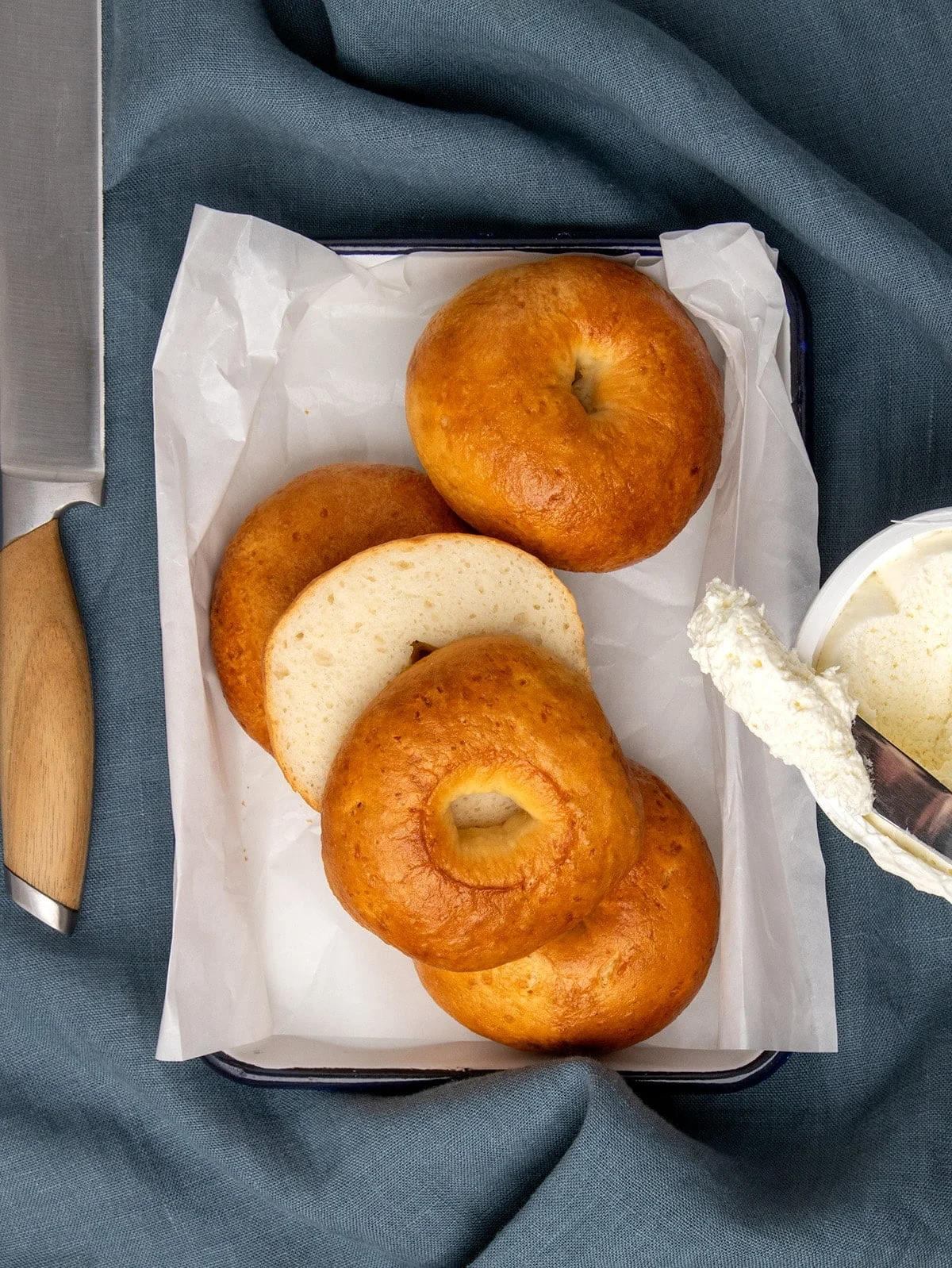
For many individuals managing a gluten-free diet, the joy of a classic, chewy New York bagel has long been a distant memory. However, a new recipe promises to bring this beloved bakery staple back to the table, offering an authentic taste and texture that has eluded gluten-free bakers for years. Developed by Nicole Hunn, a self-proclaimed "born and raised New Yorker" and proprietor of Gluten Free on a Shoestring, this recipe aims to replicate the iconic chewiness and crust of a traditional bagel, all without gluten.
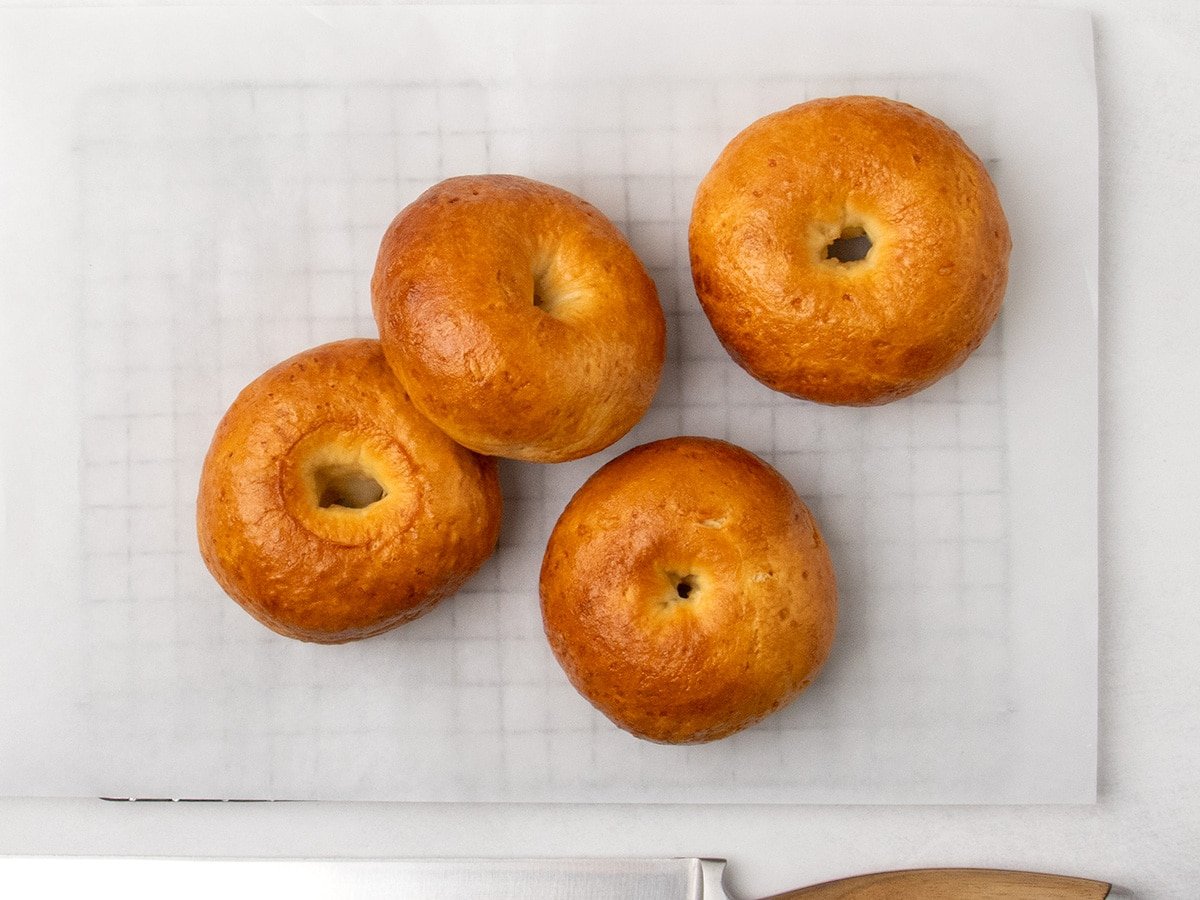
The secret, according to Hunn, lies in a two-pronged approach: a cold rise for an easy-to-handle dough and a molasses bath before baking to achieve that signature chewy crust. This method addresses two common challenges in gluten-free baking: dough manageability and the development of a satisfyingly crisp exterior.
The Science Behind the Chewy Crust
The characteristic chewiness of a New York bagel is a result of several factors, including high gluten content in traditional flour blends, the boiling process, and the baking method. Gluten, a protein network formed when wheat flour is mixed with water, provides elasticity and structure, allowing dough to be stretched and retain its shape. In gluten-free baking, replicating this structure is a significant hurdle.
Hunn’s recipe incorporates specific ingredients and techniques to compensate for the absence of gluten. Extra tapioca starch is a key component, contributing to the dough’s structure, stretch, and smooth texture. The cold rise, performed for at least 30 minutes and potentially up to two days, allows the gluten-free flours to fully absorb moisture and the fats to firm up, making the dough more pliable and easier to shape. This extended resting period also aids in developing a richer, yeasty flavor profile.
The crucial step of boiling the shaped bagels in a molasses bath before baking is what truly sets these gluten-free creations apart. This process gelatinizes the starches on the exterior of the bagel. According to food science principles, this gelatinization limits the bagel’s oven spring, preventing it from puffing up too much and losing its dense, chewy interior. The molasses not only contributes to the characteristic deep brown color of the crust but also imparts a subtle sweetness and complexity to the flavor.
A Taste of New York, Anywhere
For Hunn, the inspiration stems from a deep-seated appreciation for authentic New York bagels. "Chewy, crusty New York-style bagels have always been very important to me," she states, emphasizing her commitment to delivering an experience that rivals traditional bakeries. This recipe is presented not just as a gluten-free alternative, but as a true rendition of a beloved classic.
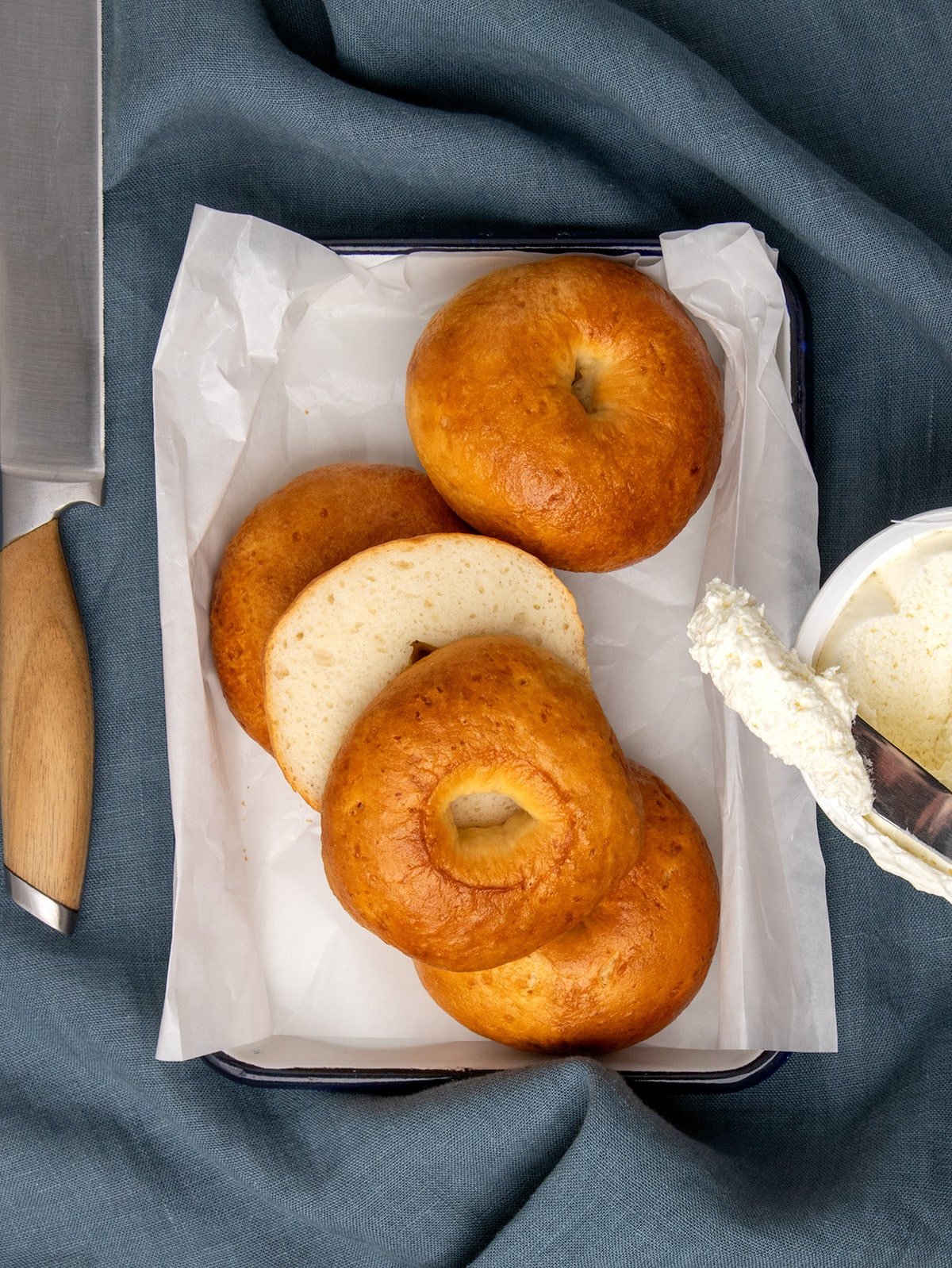
The versatility of these gluten-free bagels is also highlighted. They can be enjoyed in a variety of ways: plain, toasted with butter or cream cheese, or as the foundation for elaborate sandwiches. For those seeking a touch of sweetness, the bagels can be garnished with sesame seeds, poppy seeds, everything seasoning, or even a cinnamon-sugar topping after being brushed with an egg wash.
Key Ingredients and Their Roles
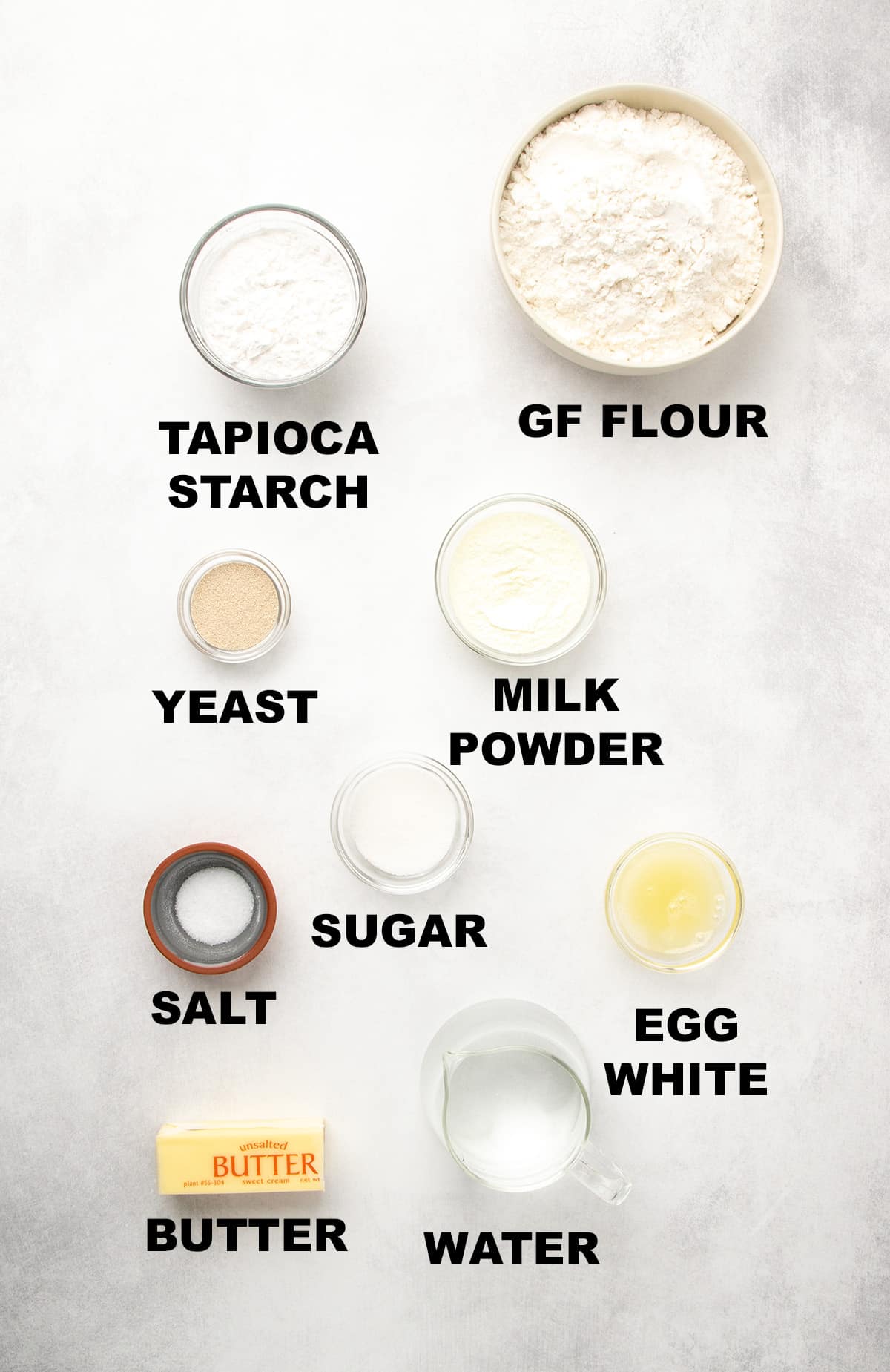
The success of this recipe hinges on the careful selection and application of its ingredients:
- Gluten-Free Flour Blend: A well-balanced blend is crucial. Hunn specifically recommends blends like Nicole’s Best multipurpose gluten-free flour blend, Vitacost’s Multi-Blend Gluten Free Flour (with added xanthan gum), or Better Batter’s original all-purpose blend (without additional xanthan gum). The quality and composition of the flour blend significantly impact the dough’s texture and rise.
- Tapioca Starch: This ingredient is vital for providing structure, stretch, and a smooth consistency to the gluten-free dough. The recipe calls for extra tapioca starch beyond what might be included in a standard flour blend.
- Yeast: Instant yeast is used for its convenience and reliability in gluten-free baking. The recipe provides an alternative for active dry yeast, which requires proofing.
- Milk Powder: This ingredient contributes to browning and adds a subtle richness to the bagel. For dairy-free adaptations, coconut milk powder is suggested.
- Sugar: Feeds the yeast and aids in browning.
- Salt: Essential for flavor and controlling yeast activity. It’s important to add salt after the other dry ingredients to prevent it from inhibiting the yeast.
- Butter: Adds richness and tenderness to the dough. Vegan butter alternatives are recommended for dairy-free versions.
- Egg White: Used in the dough to help the bagels hold their shape as they cool and for the egg wash applied before baking to achieve a shiny, golden-brown finish.
- Warm Water: Activates the yeast and brings the dough together.
- Unsulfured Molasses: The key ingredient for the boiling bath, providing the characteristic chewy crust and flavor.
Step-by-Step Guide to Crafting Gluten-Free Bagels
The process of creating these authentic gluten-free bagels involves several distinct stages:
Making the Raw Dough
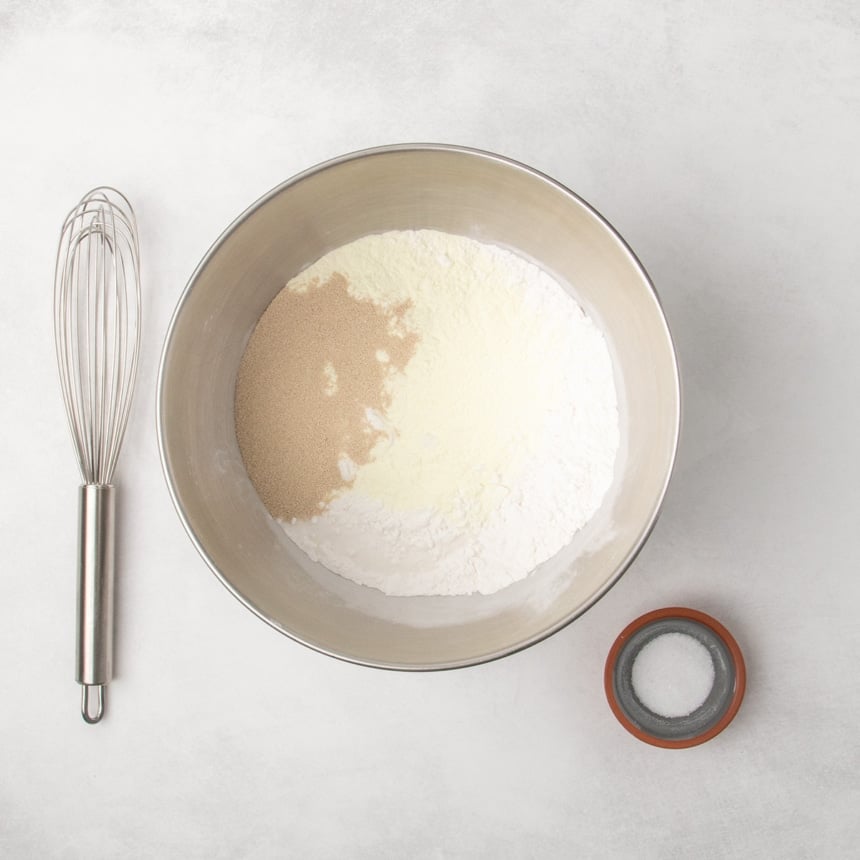
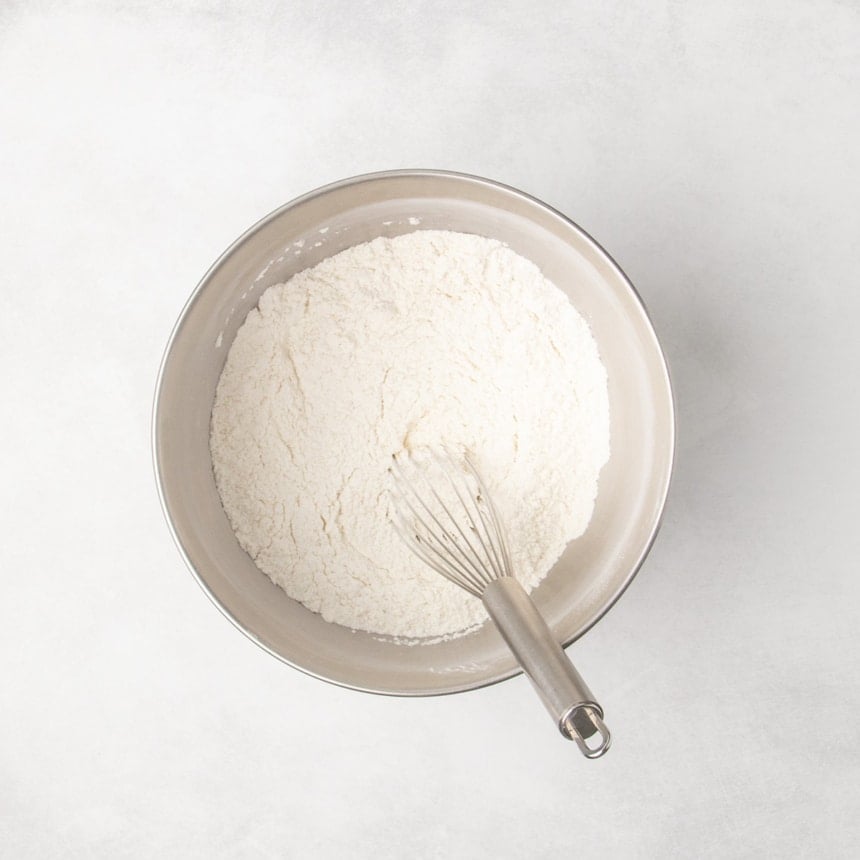
- Whisk Dry Ingredients: In the bowl of a stand mixer, combine the gluten-free flour blend, tapioca starch, milk powder, yeast, and sugar. Whisk thoroughly to ensure even distribution. Then, add the salt and whisk again. This step prevents direct contact between salt and yeast, which can hinder yeast activity.
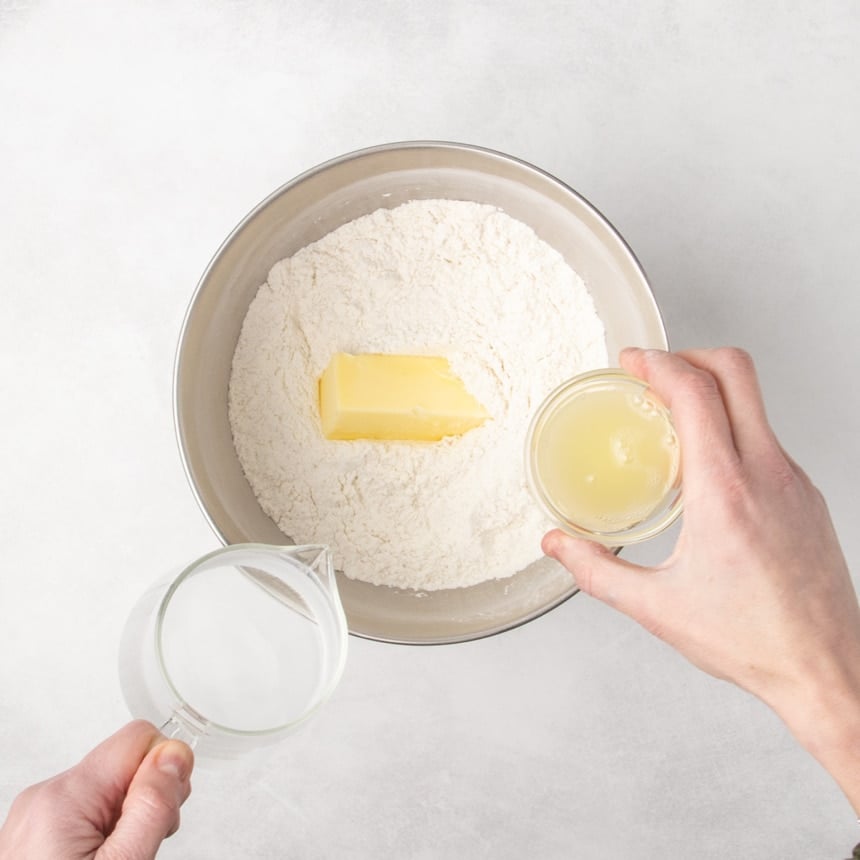
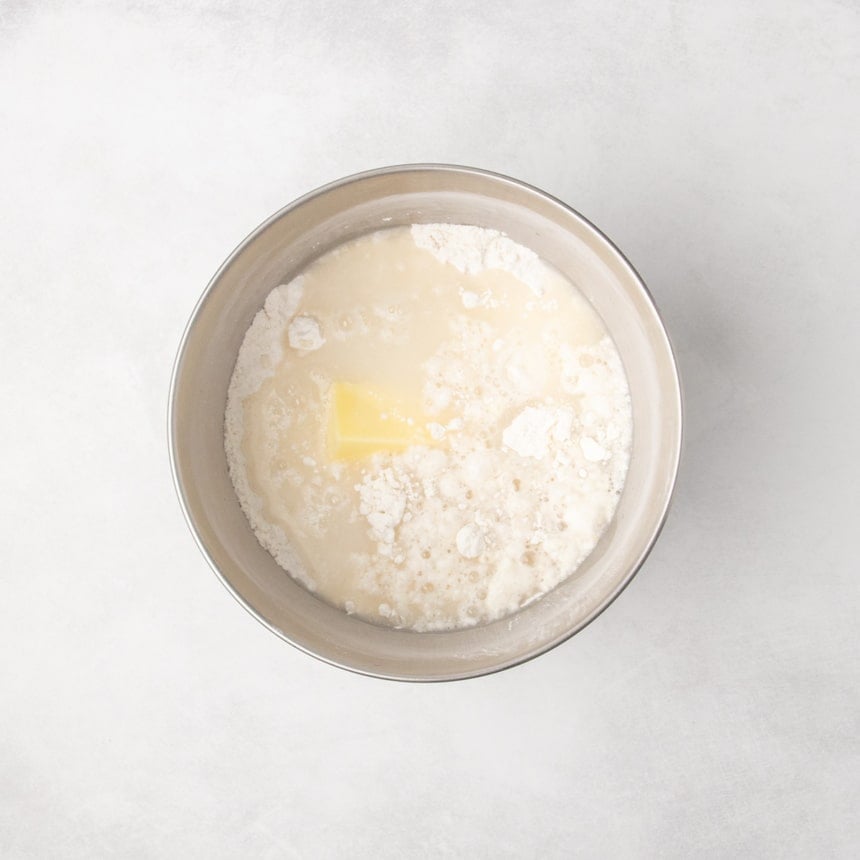
- Incorporate Wet Ingredients: Add the softened butter, room temperature egg white, and warm water to the dry ingredients. If using a large mixing bowl, a brief stir with a spatula can help begin the mixing process.
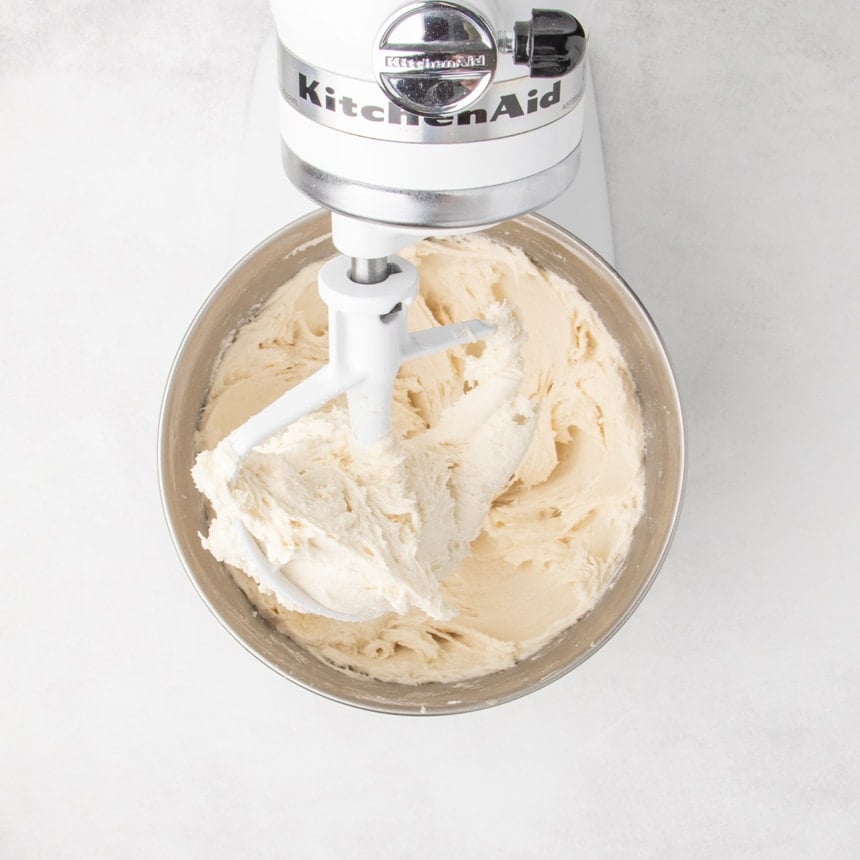
- Mix the Dough: Attach the paddle attachment to the stand mixer. Mix on medium-low speed for approximately one minute until the dry ingredients are moistened. The dough will initially clump around the paddle. Increase the speed to medium-high and mix for about four minutes. The dough should start to cling to the sides of the bowl and develop an airy, whipped appearance.
Chilling the Unshaped Dough
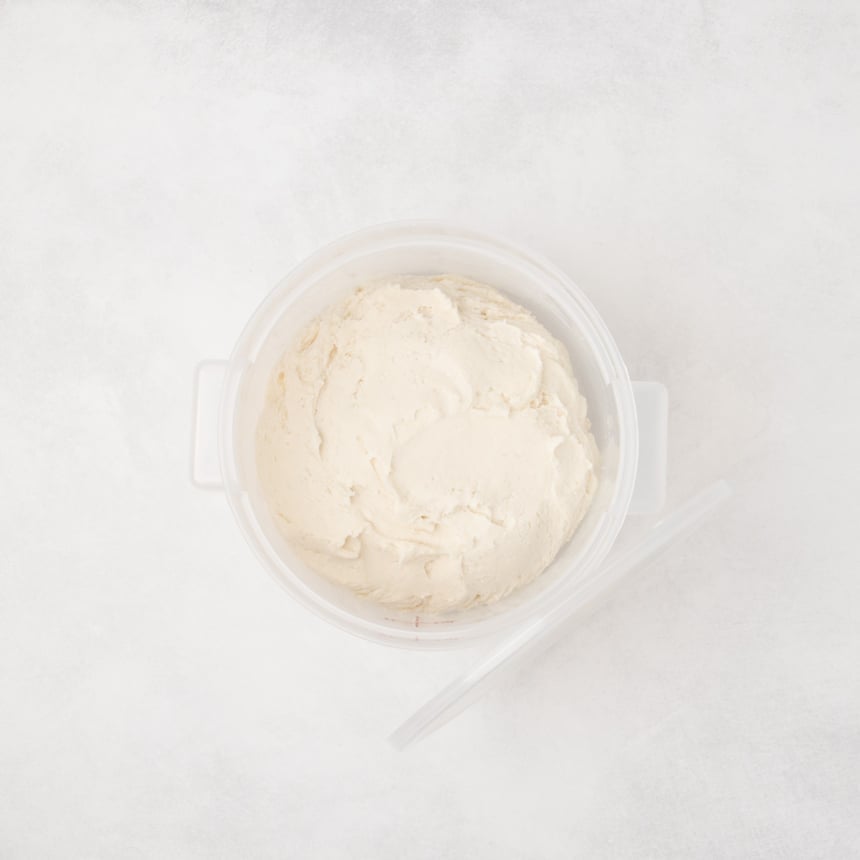
- Refrigerate: Transfer the prepared raw dough to a container or bowl, cover it tightly, and refrigerate for at least 30 minutes, or up to two days. This cold rise is crucial for developing flavor and making the dough easier to handle.
Shaping the Bagels
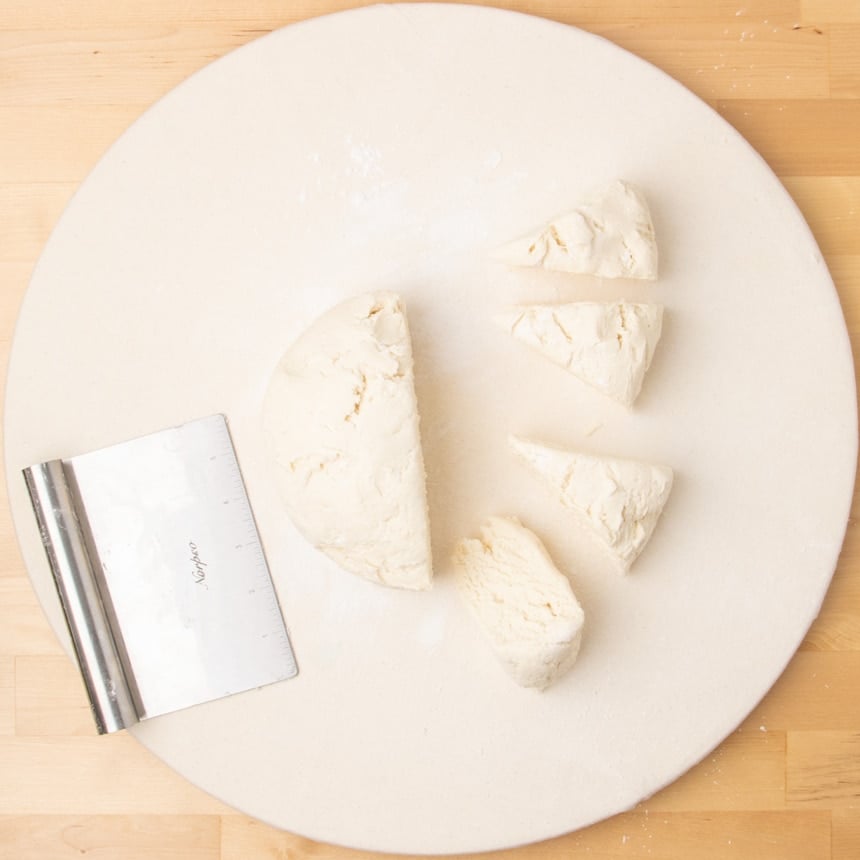
- Divide the Dough: Lightly dust a flat surface with tapioca starch. Turn out the chilled dough and sprinkle it lightly with more tapioca starch. Using a bench scraper or sharp knife, divide the dough into eight equal portions, each weighing slightly over four ounces. Evenly portioned dough ensures uniform baking.
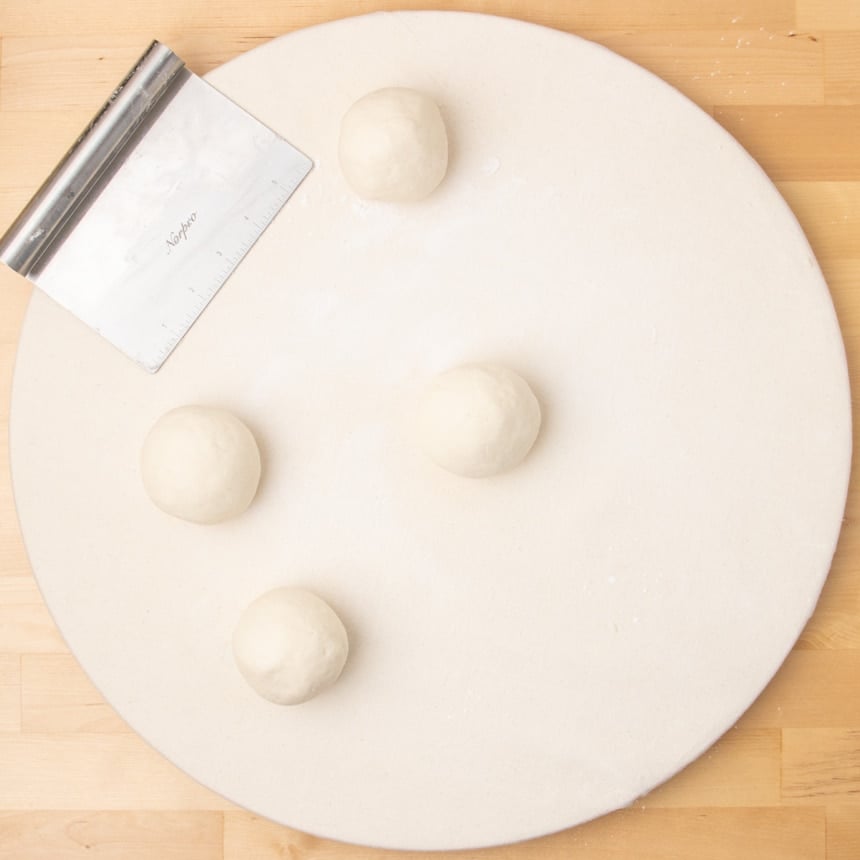
- Form Rounds: Work with one piece of dough at a time. Cup your hand around the dough, resting your pinky edge on the work surface. Move your hand in a circular motion to create a smooth, round ball. Use additional tapioca starch sparingly if needed to prevent sticking.
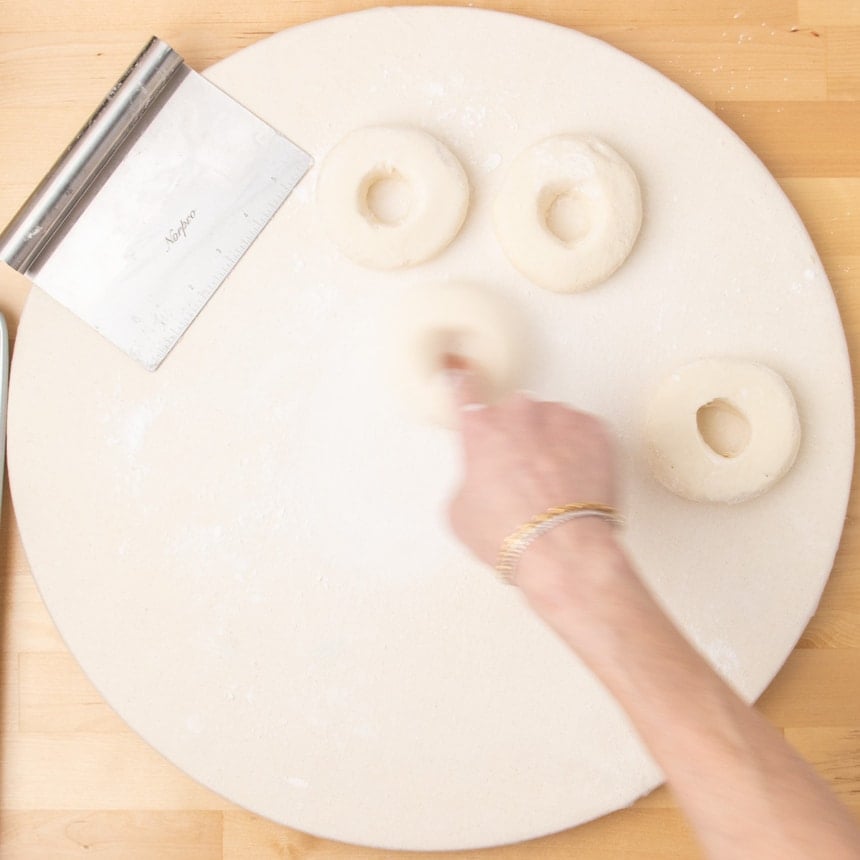
- Create Bagel Holes: Gently press each round into a disk with your palm. Using a floured finger, press into the center from both sides and rotate the dough to widen the hole. This method helps maintain the bagel’s structure during the boiling and baking process, preventing the hole from closing.
Letting the Shaped Bagels Rise
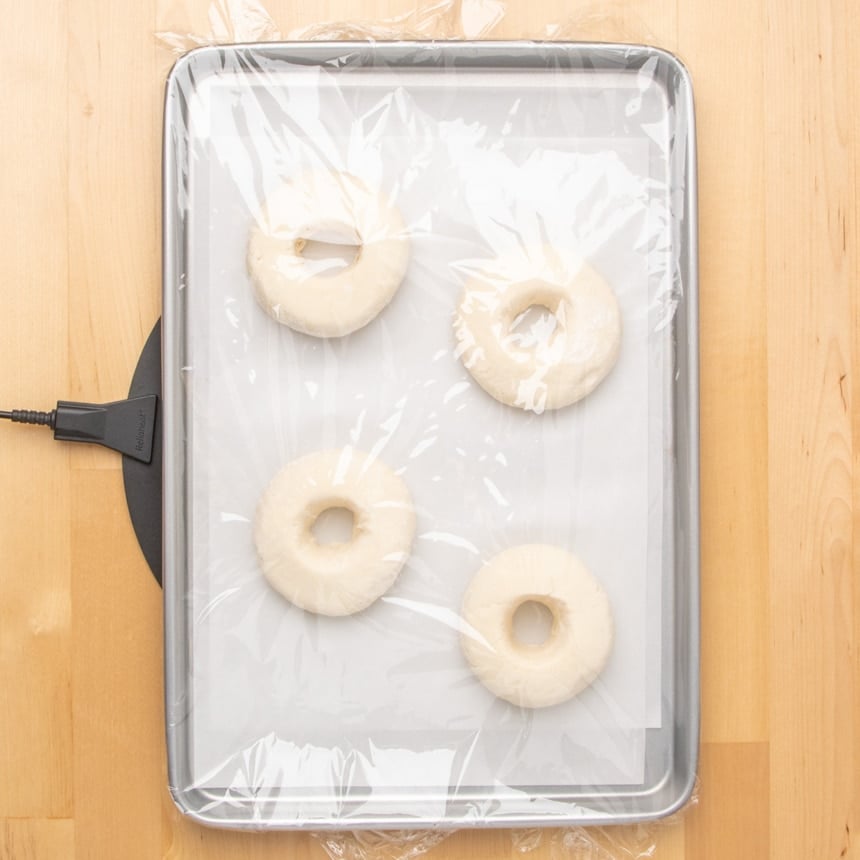
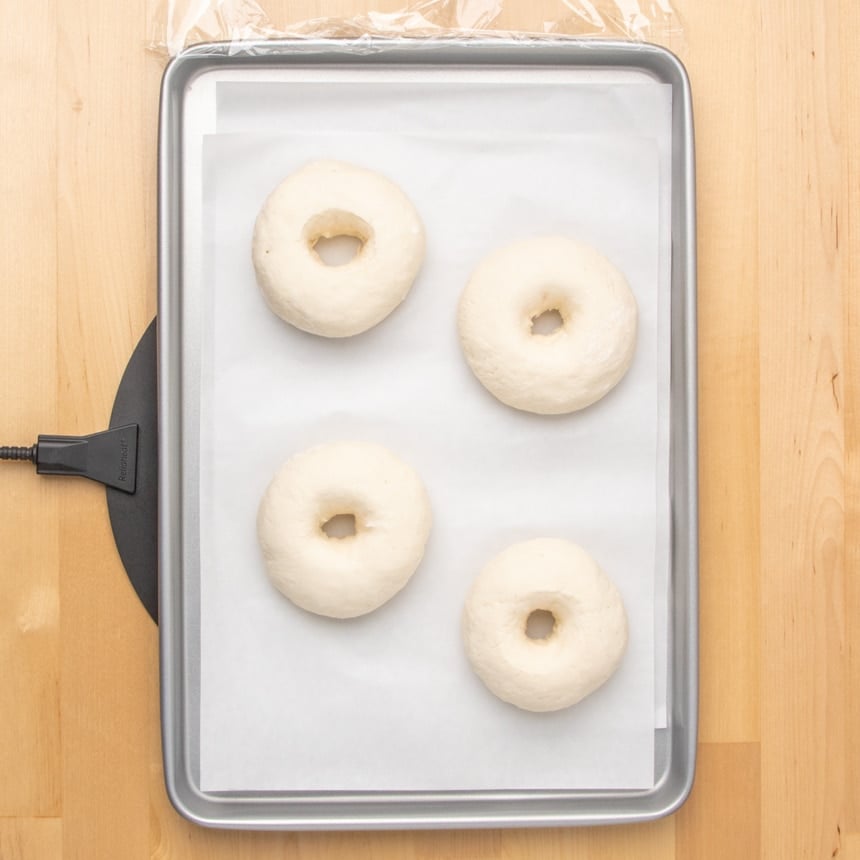
- Second Rise: Arrange the shaped bagels on parchment-lined baking sheets, ensuring they are about two inches apart. Cover lightly with plastic wrap. Allow them to rise until they have increased in size by approximately 50%. This rise is dependent on ambient temperature and humidity. Avoid overproofing, which can be identified by a dimpled appearance in the dough. Overproofed dough can disintegrate during boiling.
Boiling the Risen Raw Bagels
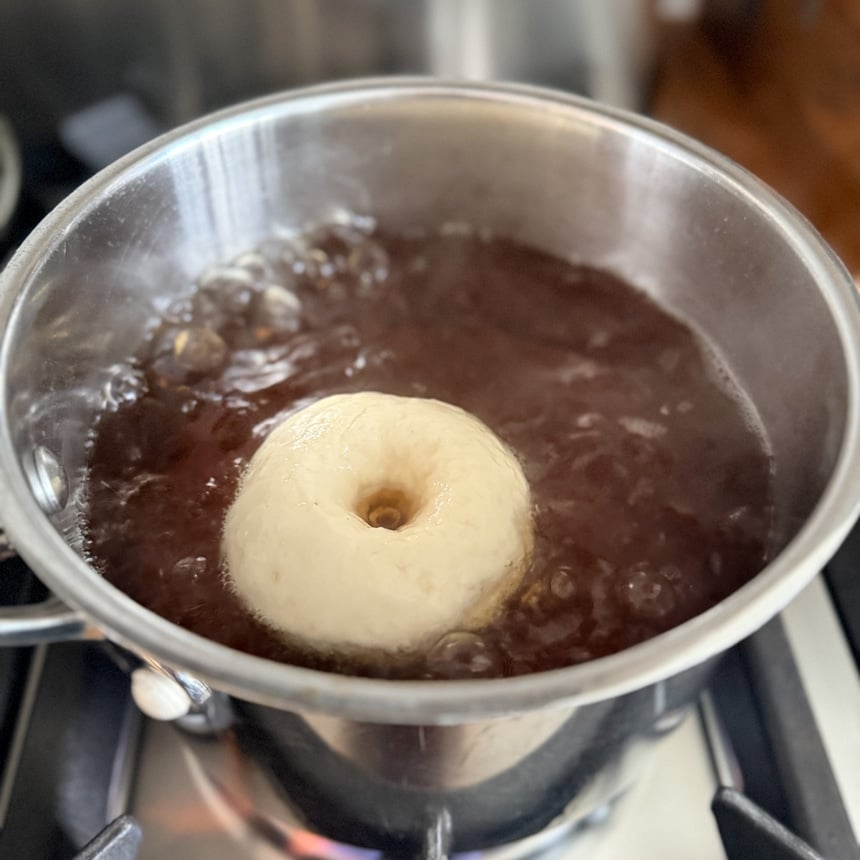
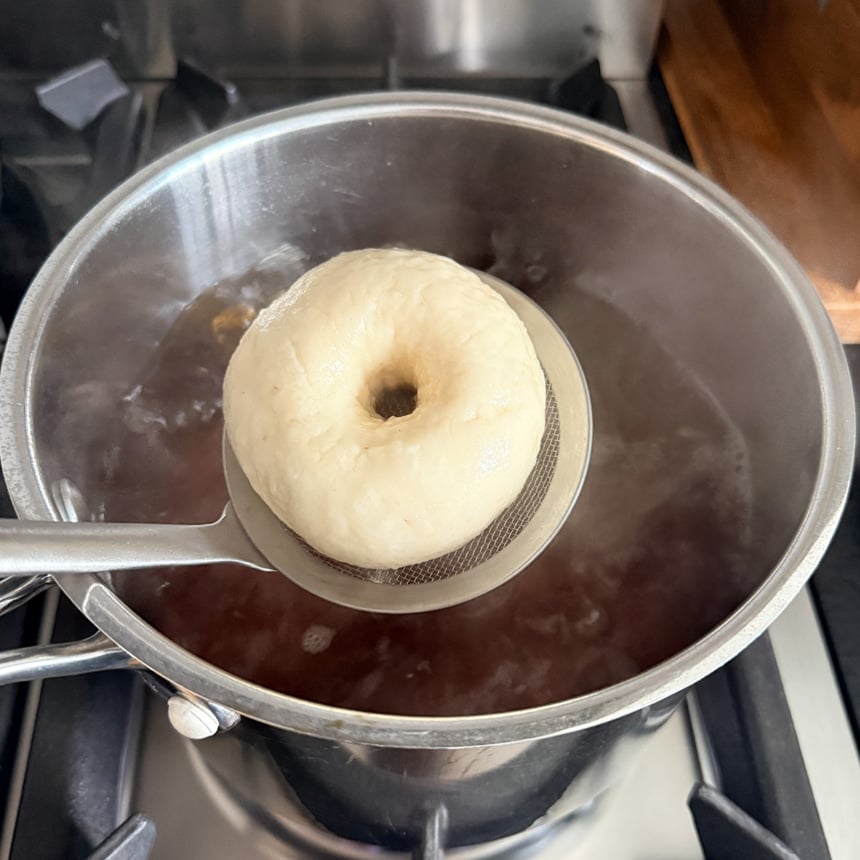
- Prepare the Bath: In a large pot, combine water and unsulfured molasses, bringing the mixture to a rolling boil.
- Boil and Flip: Carefully add the risen bagels to the boiling molasses water, one or two at a time. Boil for less than one minute total, flipping each bagel halfway through to ensure even cooking. This step is critical for achieving the characteristic chewy texture.
- Return to Baking Sheet: Remove the boiled bagels from the water using a slotted spoon or skimmer and return them to the parchment-lined baking sheets.
Baking the Bagels
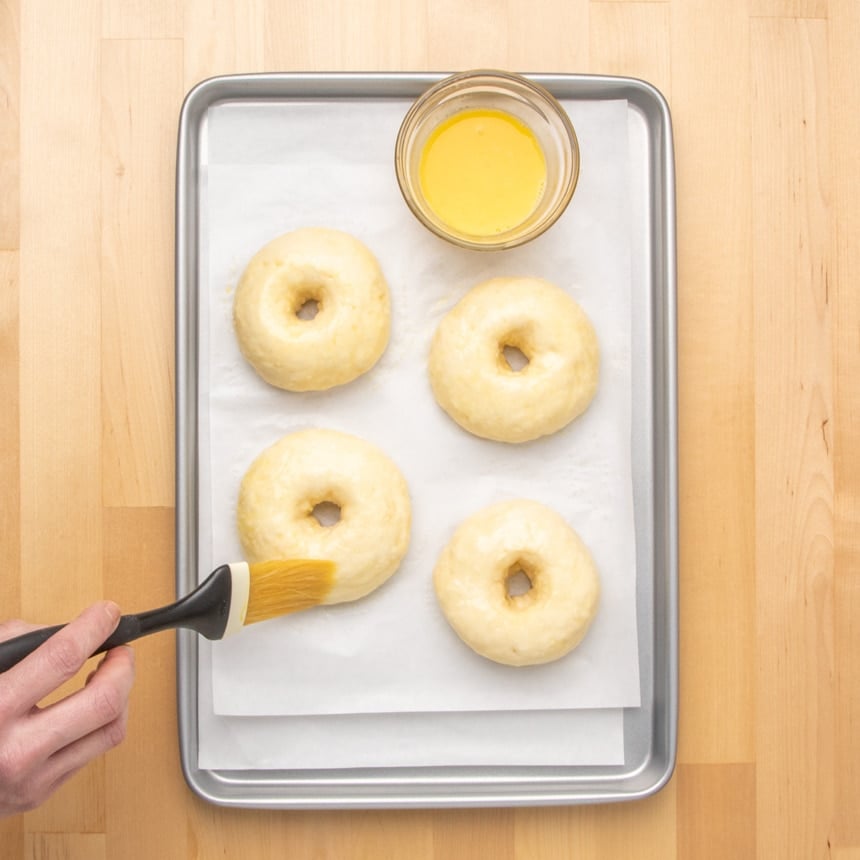
- Egg Wash: Brush the boiled bagels with an egg wash (beaten egg white mixed with a tablespoon of water). This promotes browning and gives the bagels a glossy finish.
- Bake: Preheat your oven to 375°F (190°C). Bake the bagels for approximately 25 minutes, rotating the baking sheet halfway through. The bagels are done when they are a deep golden brown and register an internal temperature of around 180°F (82°C) on an instant-read thermometer. They should spring back when gently pressed.
Expert Tips for Bagel Perfection
- Flour Blend Matters: The choice of gluten-free flour blend is paramount. A well-balanced blend with adequate binders like xanthan gum is essential for achieving the correct texture and structure.
- Stand Mixer Alternative: While a stand mixer with a paddle attachment is ideal for achieving the necessary dough aeration, a food processor with a plastic dough blade can be used as an alternative. Pulse the ingredients until a cohesive dough forms, being careful not to overprocess.
- Avoiding Overproofing: Pay close attention to the second rise. The dough should increase in size by about 50%, not double. Overproofing can compromise the final texture.
- The Significance of Boiling: The boiling step is non-negotiable for authentic bagel texture. It sets the exterior starches, preventing excessive puffing in the oven and creating the desired chewy interior.
Ingredient Substitutions for Dietary Needs
- Dairy-Free: Replace milk powder with coconut milk powder and butter with a high-quality vegan butter alternative.
- Egg-Free: The egg white in the dough can be substituted with an equal weight of aquafaba (chickpea brine), beaten until foamy. For the egg wash, melted butter or cream can be used.
Storage and Enjoyment
Freshly baked gluten-free bagels are best consumed within a day. For longer storage, wrap them tightly in plastic wrap to maintain freshness for an additional day or two, toasting them for optimal enjoyment. For extended preservation, these bagels freeze exceptionally well. Slice them in half horizontally, seal them in an airtight container or freezer bag, and freeze for up to three months. Thaw at room temperature or gently microwave, then toast to recapture their fresh-baked appeal.
This recipe represents a significant step forward in gluten-free baking, offering a tangible solution for those who have missed the simple pleasure of a perfectly crafted bagel. By understanding the science behind bagel making and employing thoughtful ingredient choices and techniques, authentic New York-style gluten-free bagels are now within reach.
