

This post may contain affiliate links. Please read our disclosure policy.
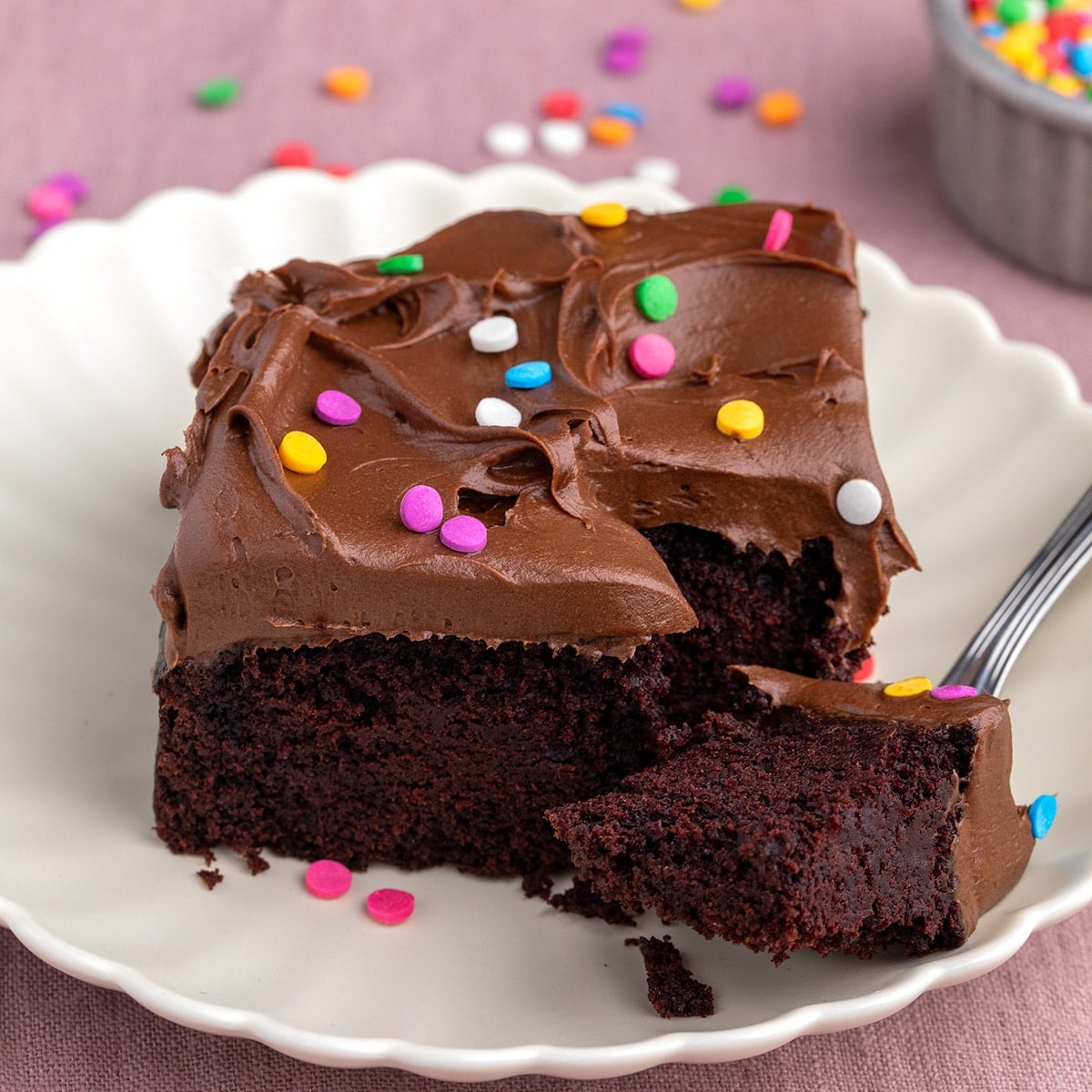
The quest for a truly exceptional gluten-free and dairy-free chocolate cake has often led to compromises in texture, flavor, or the need for specialized, hard-to-find ingredients. However, a recent culinary innovation promises to redefine inclusive baking with a recipe designed to deliver rich chocolate flavor, remarkable freshness, and a tender crumb, all without relying on common dairy-free butter or milk substitutes. This development is particularly significant for individuals managing dietary restrictions, offering a delicious and accessible option for celebrations and everyday enjoyment.
The Ingenuity of a Dairy-Free Foundation
The core of this groundbreaking recipe lies in its deliberate omission of common dairy-free substitutes like vegan butter or milk alternatives. This approach is not merely an inconvenience-avoidance strategy; it’s rooted in a deeper understanding of ingredient interactions and flavor profiles. Many vegan butter substitutes, while functional, can introduce artificial tastes due to added culturing agents, potentially detracting from the pure chocolate experience. By bypassing these, the recipe allows the natural richness of cocoa and chocolate to take center stage.
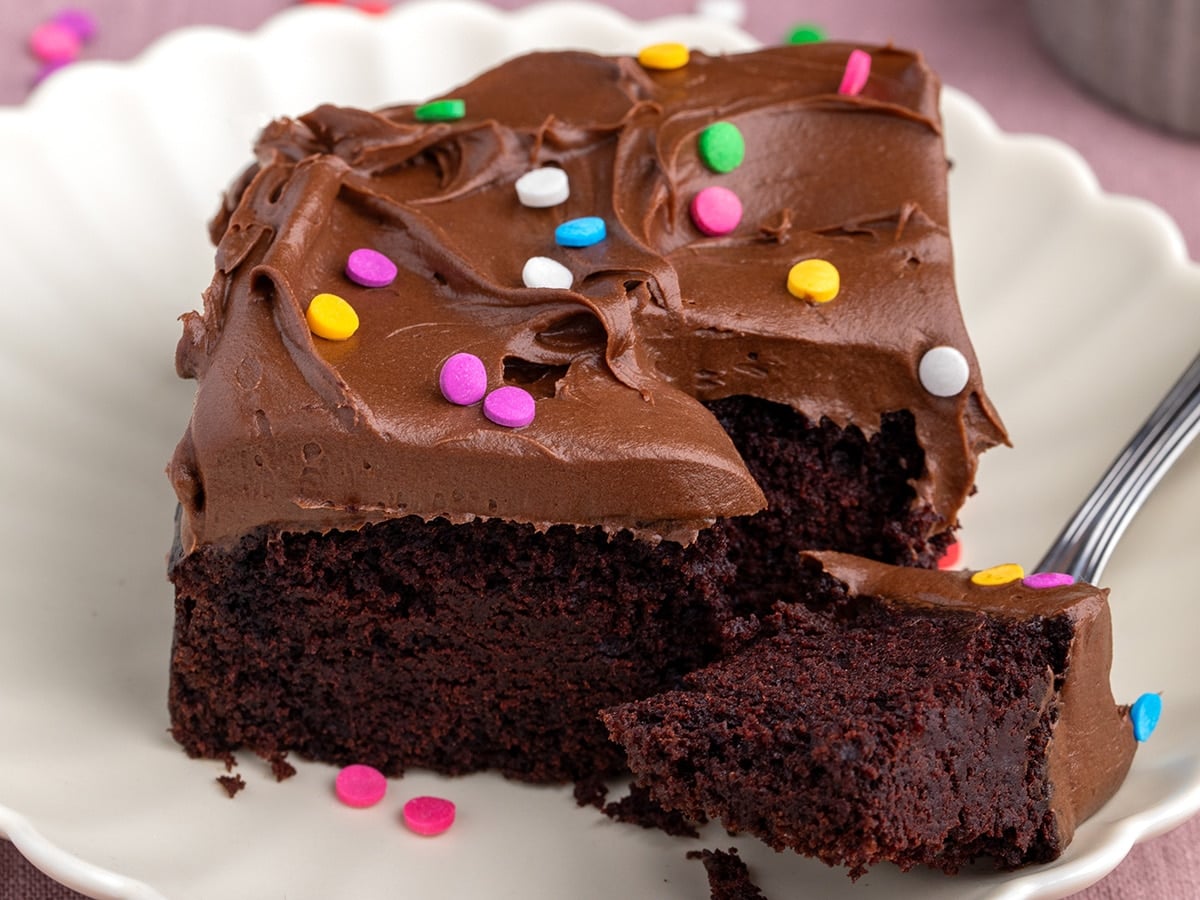
Furthermore, the recipe ingeniously adapts a classic baking technique that previously utilized mayonnaise. Traditionally, mayonnaise served as a binder and emulsifier, replacing a combination of eggs and oil. This foundational element has been expertly modified to create an egg-free and dairy-free cake with a profound cocoa depth. The inherent properties of mayonnaise, when formulated with appropriate ingredients, contribute to a moist and tender cake structure, a characteristic often elusive in dairy-free baking.
Recipe Pillars: Understanding the Ingredients
The success of this gluten-free, dairy-free chocolate cake hinges on a carefully selected set of ingredients, each playing a crucial role in achieving its exceptional qualities.
-
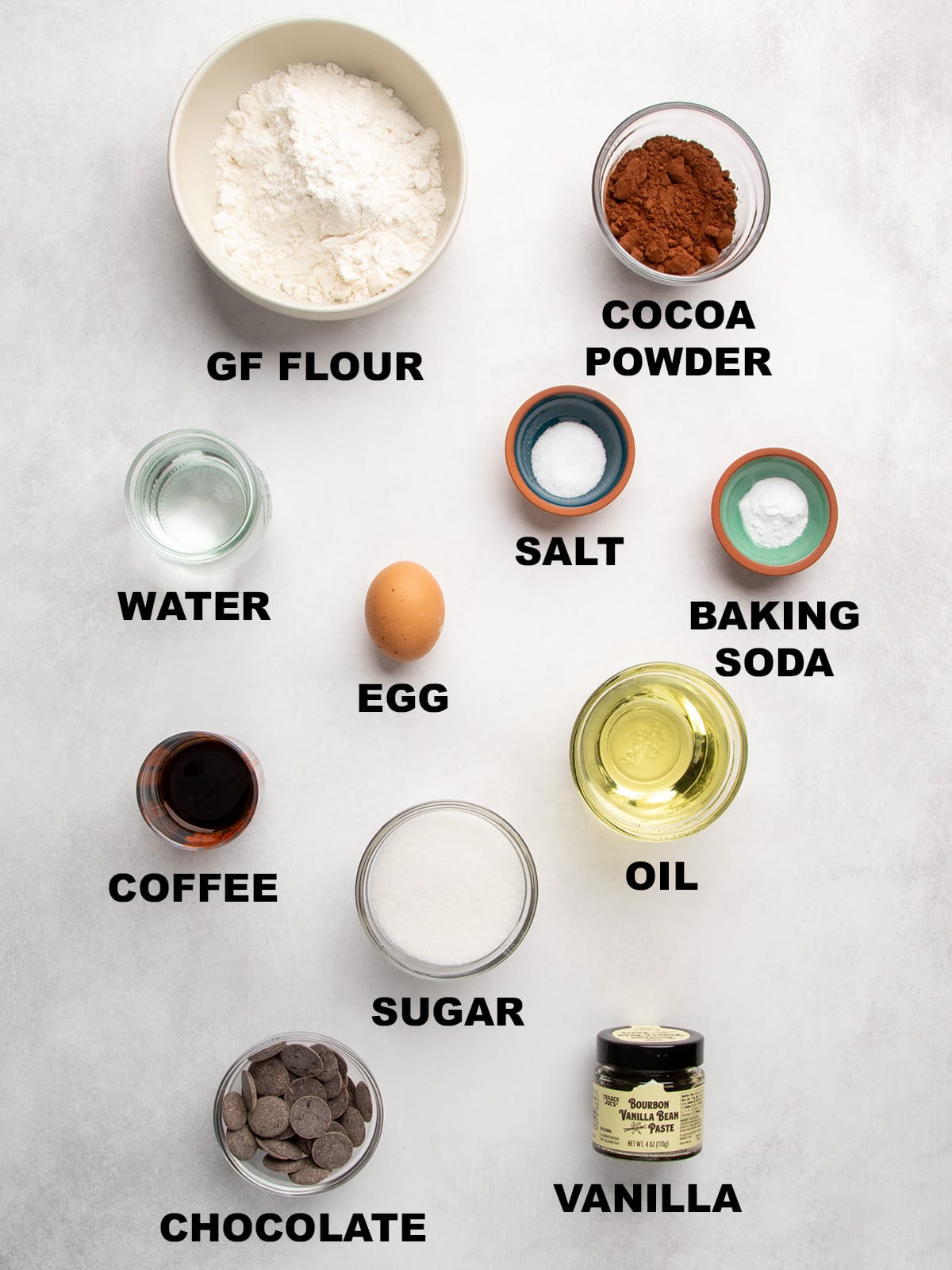
Gluten-Free Flour Blend: The choice of a suitable gluten-free flour blend is paramount. For optimal results, the recipe recommends specific blends such as Better Batter’s original all-purpose blend, or Bob’s Red Mill 1-to-1 baking flour, with a slight adjustment for xanthan gum content. For those preferring to create their own blend, resources are available to guide this process, ensuring the correct balance of starches and flours for structure and texture. It is crucial to note that blends containing dairy, such as Nicole’s Best, are not suitable for this recipe.
-
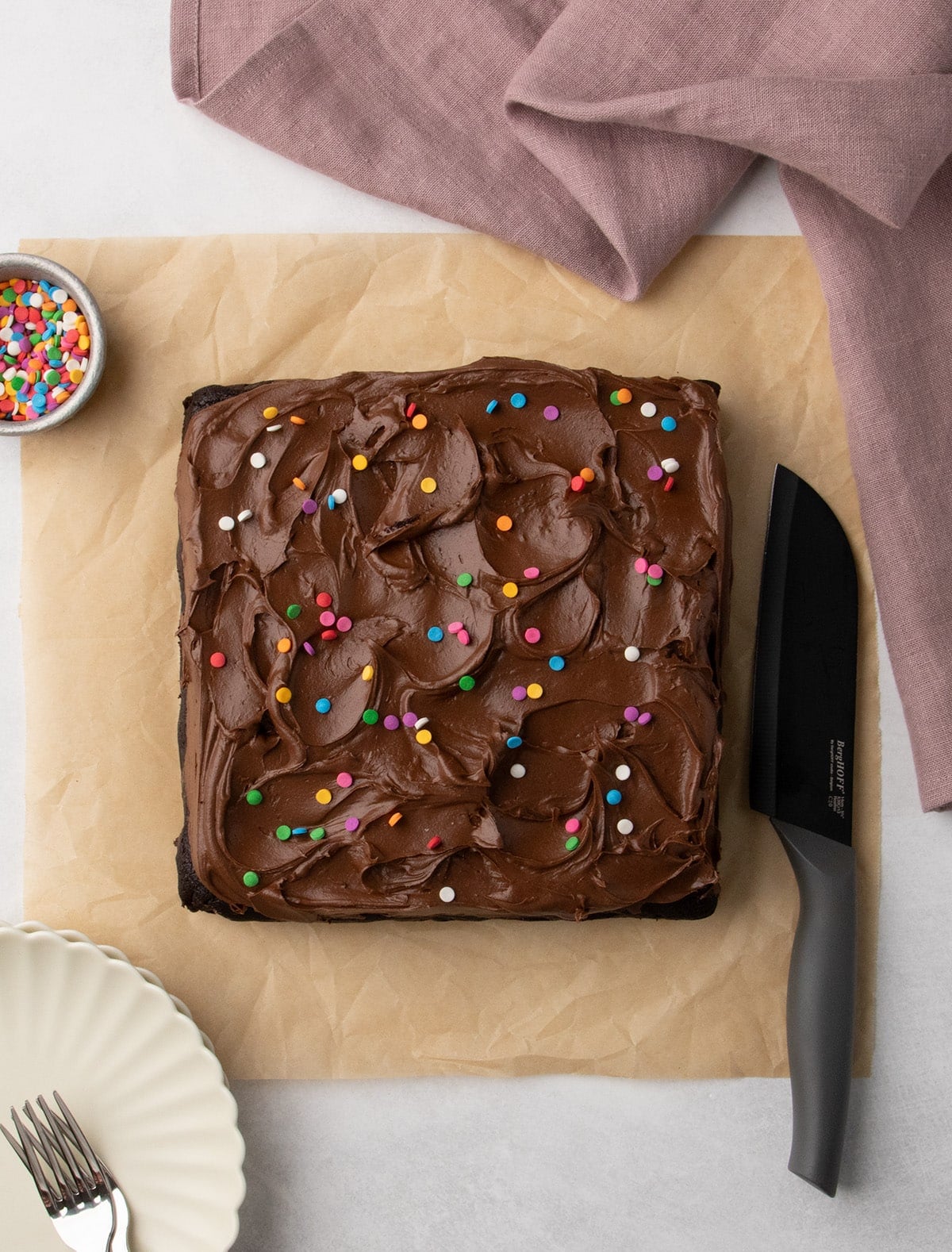
Cocoa Powder: High-quality cocoa powder is the bedrock of the cake’s intense chocolate flavor. Its ability to bloom and develop its full flavor potential when heated is a key step in the recipe.
-
Coffee: The inclusion of brewed coffee might raise eyebrows for some, but it serves a vital purpose. Coffee acts as a flavor enhancer, deepening and intensifying the chocolate notes without imparting a discernible coffee taste. Even decaffeinated coffee can be used effectively, and for those seeking an even more robust chocolate profile, the water portion can be partially or fully substituted with more coffee.
-
Oil: A neutral-flavored oil is essential. Olive oil, with its distinct fruity and earthy notes, is specifically advised against as it can compete with the chocolate. Instead, neutral oils such as canola, vegetable, grapeseed, avocado, or peanut oil are recommended. This choice ensures the oil contributes moisture and tenderness without altering the desired chocolate flavor.
-
Sugar: Granulated sugar provides sweetness and contributes to the cake’s overall moisture and tenderness.
-
Egg: The egg acts as a binder and contributes to the cake’s structure and richness. For those seeking an egg-free version, several viable substitutions are outlined, including vegan mayonnaise, specialized egg replacers, or chia/flax eggs.
-
Dairy-Free Chocolate: The inclusion of dairy-free chocolate, both in the batter and potentially as an addition, amplifies the chocolate intensity and contributes to the cake’s decadent quality.
-
Baking Soda and Salt: These leavening and flavor-enhancing agents are crucial for the cake’s rise and overall taste balance.
The Art of Preparation: A Step-by-Step Culinary Journey
The creation of this gluten-free, dairy-free chocolate cake is a methodical process, designed for clarity and success.
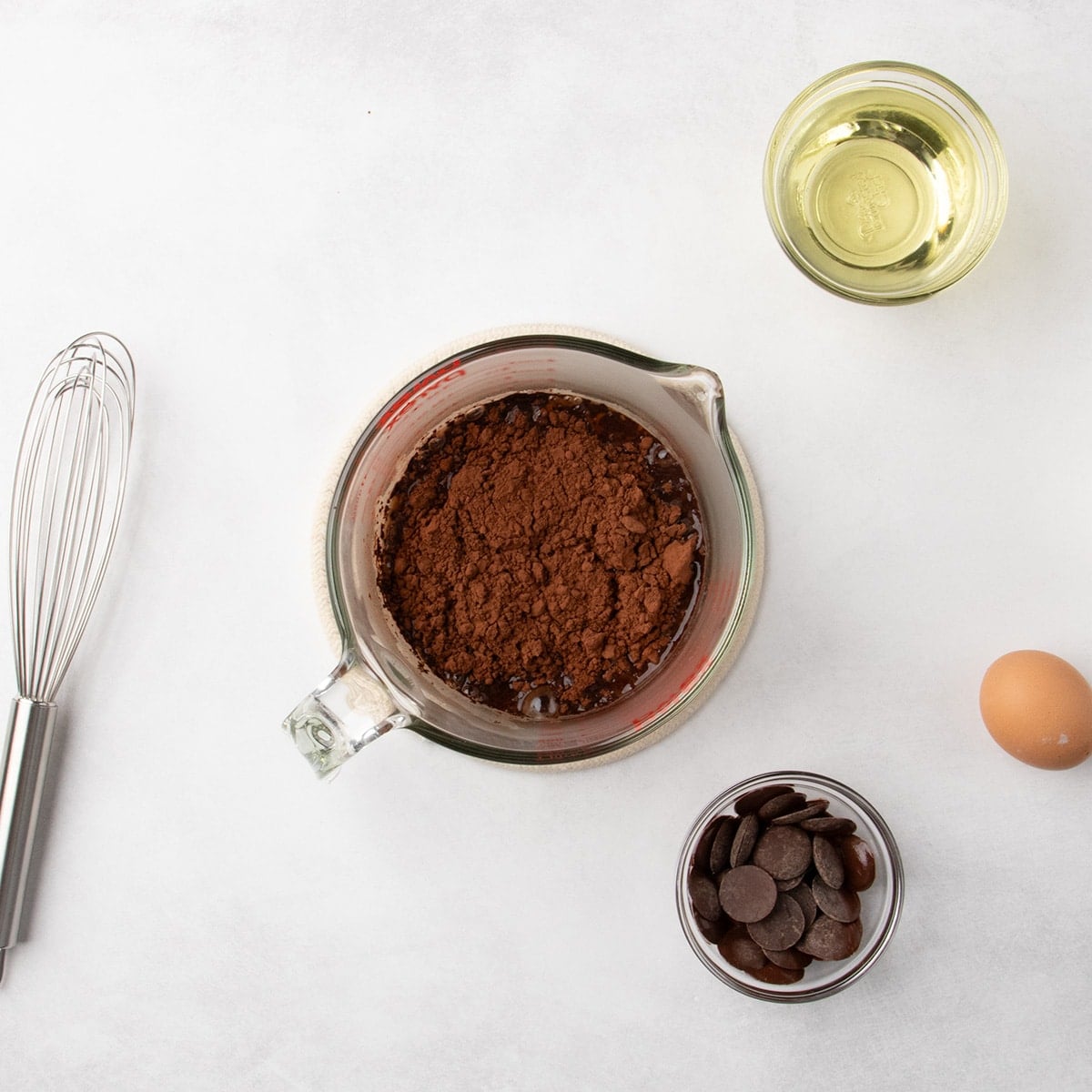
1. The Hot Chocolate Elixir: The process begins by combining boiling water, hot brewed coffee, and cocoa powder in a heat-safe vessel. The initial resistance of the cocoa powder to combine is overcome with consistent whisking, leading to a smooth, rich base.
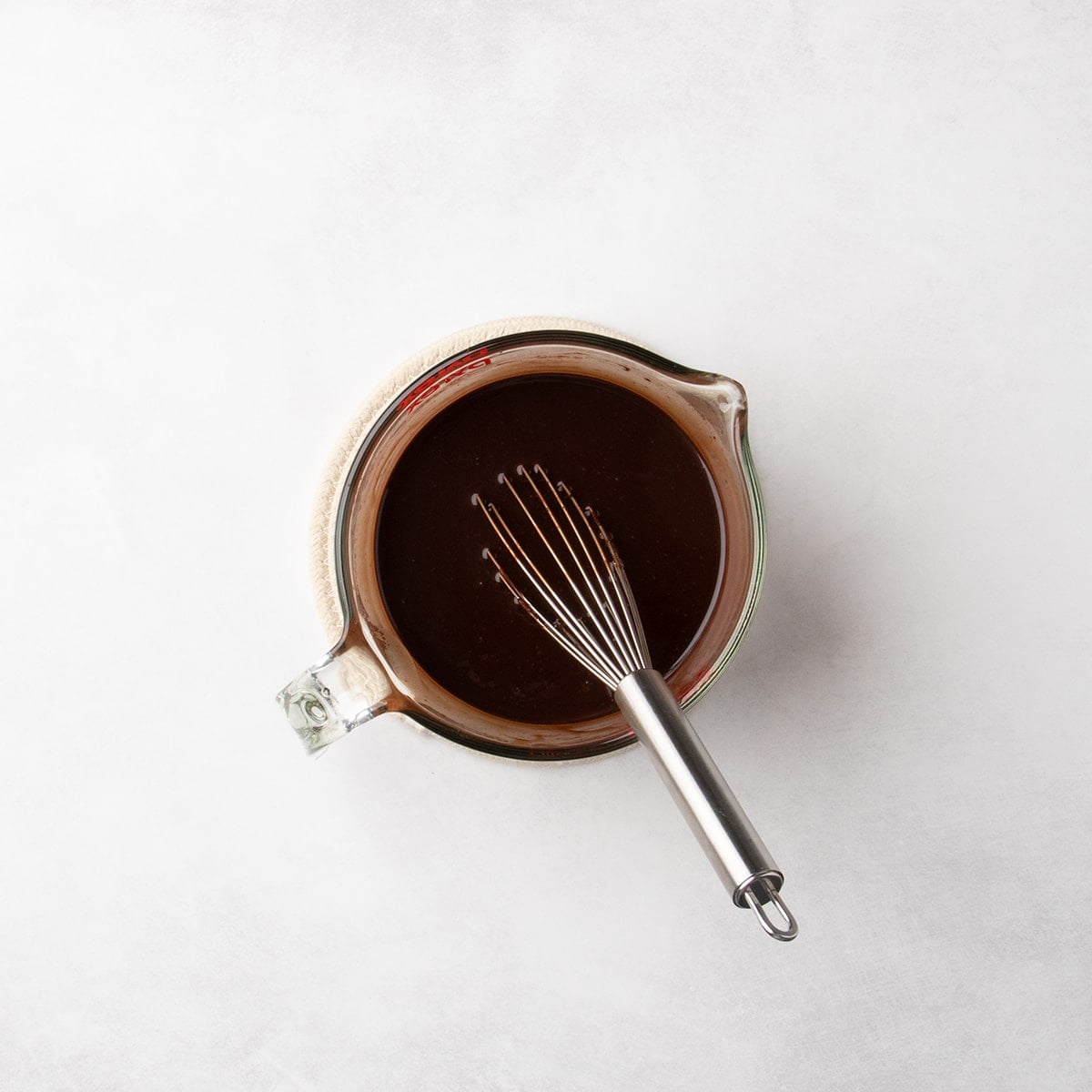
2. Infusing with Chocolate: Chopped dairy-free chocolate is then incorporated into this warm mixture, melting to create a glossy, intensely chocolatey liquid. This step is followed by a crucial resting period, allowing the cocoa powder to "bloom"—a process that unlocks its full flavor potential and deepens the cake’s chocolate character.
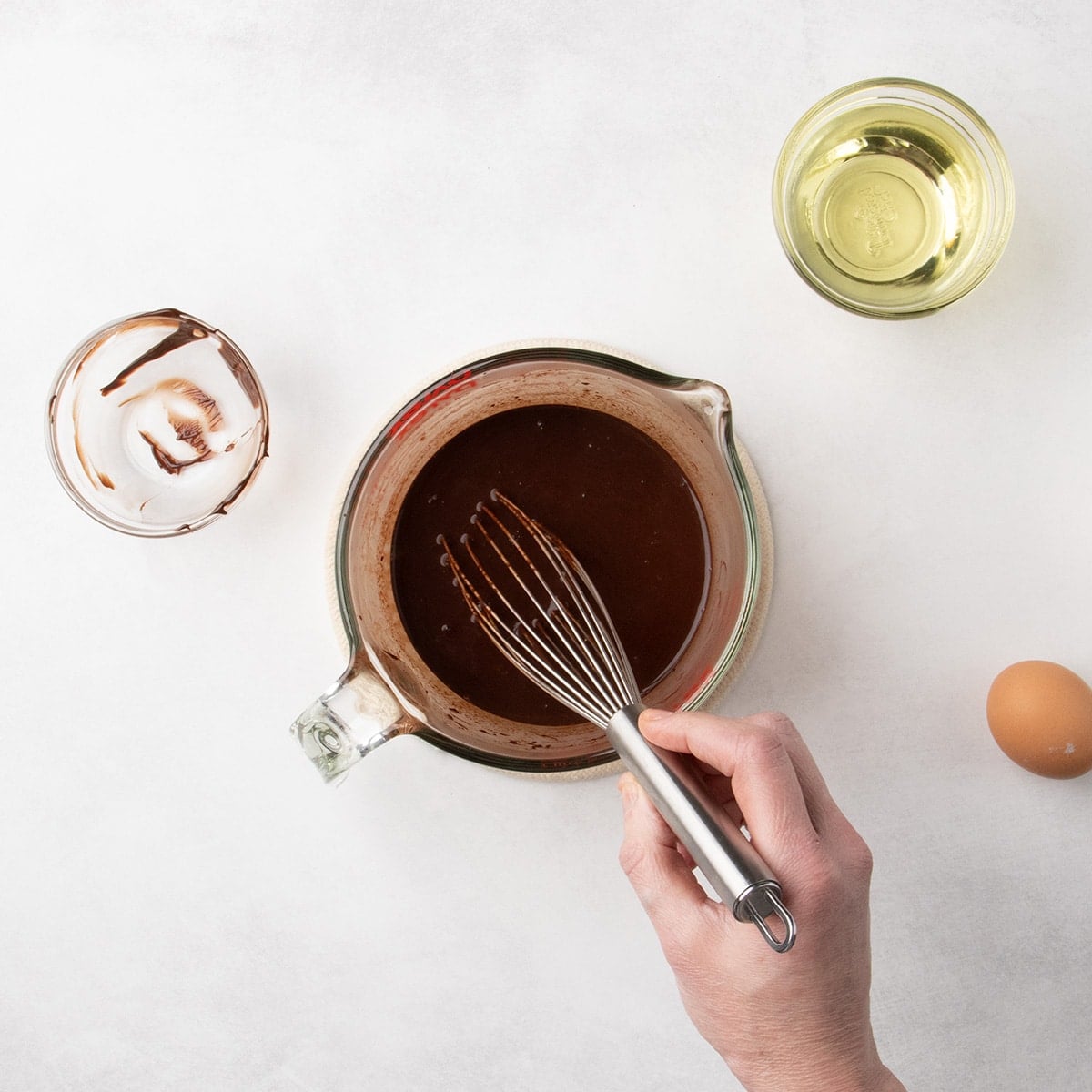
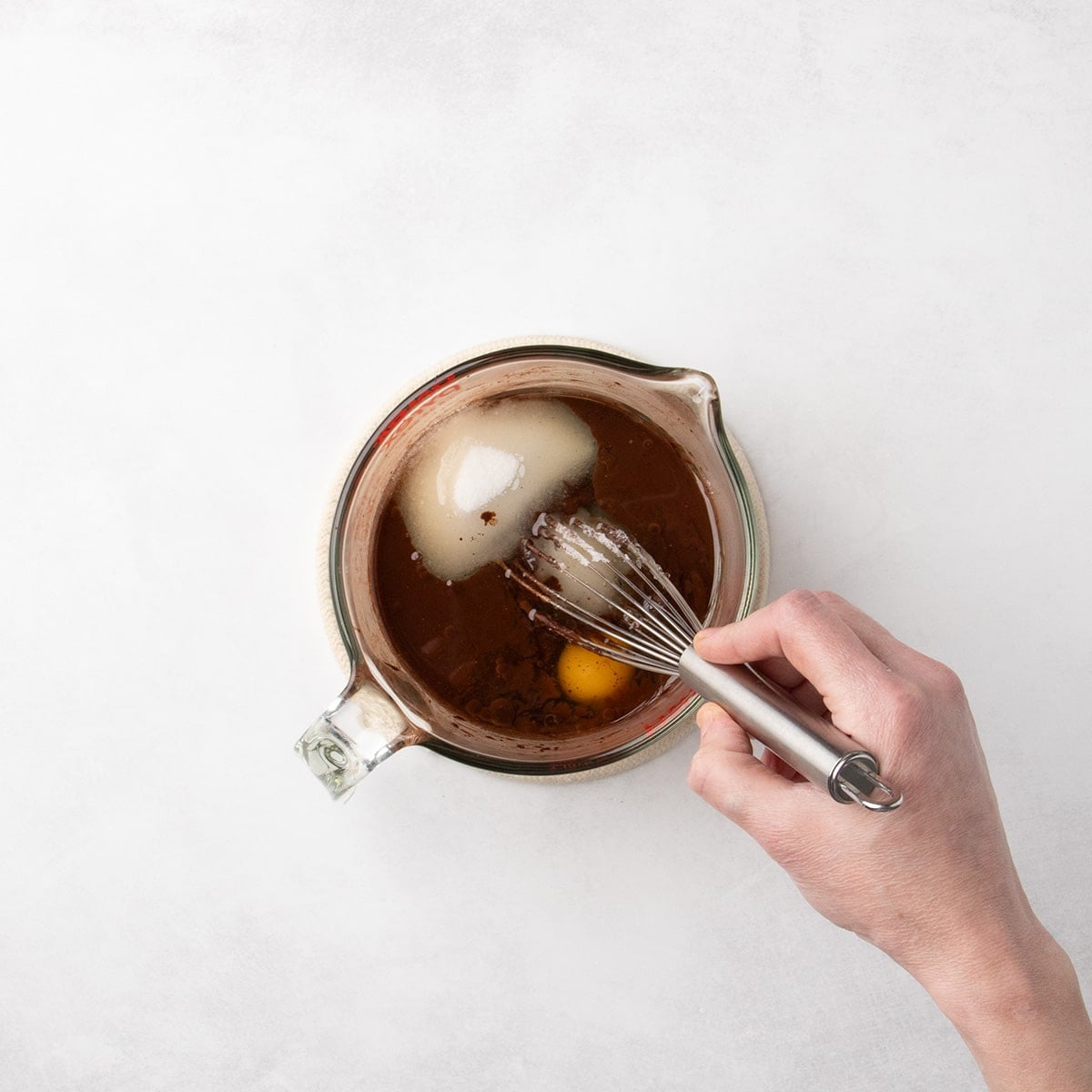
3. Emulsifying the Elements: Once the chocolate mixture has cooled to a point where it won’t cook the egg, the remaining wet ingredients—the egg, oil, sugar, and vanilla—are added. Vigorous whisking is key here, creating a stable emulsion of egg, oil, and water. This emulsification is vital for ensuring even moisture distribution throughout the cake, preventing greasiness and contributing to a smooth, unified batter.
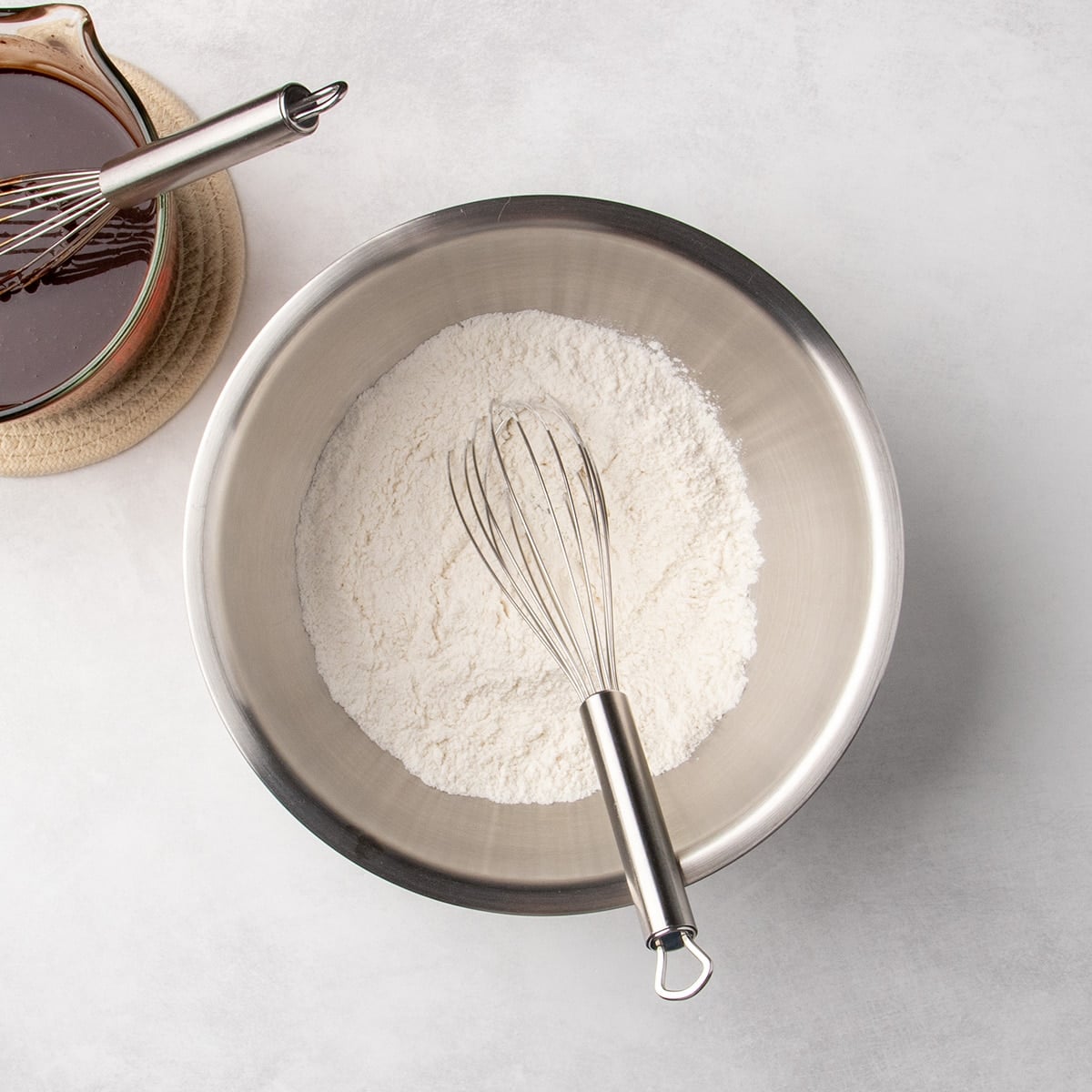
4. The Dry Foundation: In a separate bowl, the dry ingredients—gluten-free flour, xanthan gum, salt, and baking soda—are thoroughly whisked together. This step is critical for preventing pockets of leavening agents, ensuring an even rise and consistent texture.
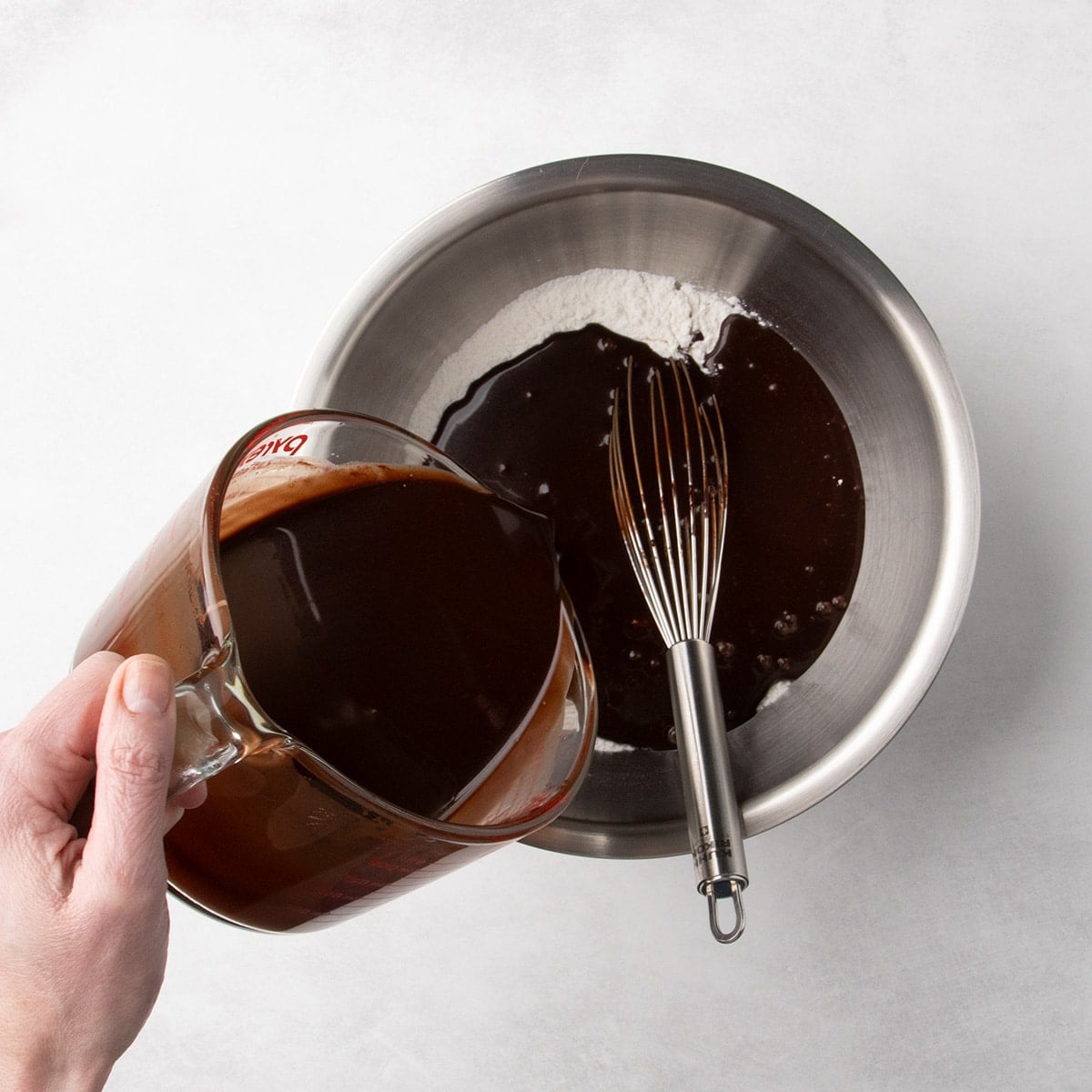
5. Harmonizing Wet and Dry: A well is created in the center of the dry ingredients, and the liquid chocolate mixture is gradually poured in. This method facilitates a more controlled incorporation, minimizing mess and promoting the rapid development of a uniform batter.
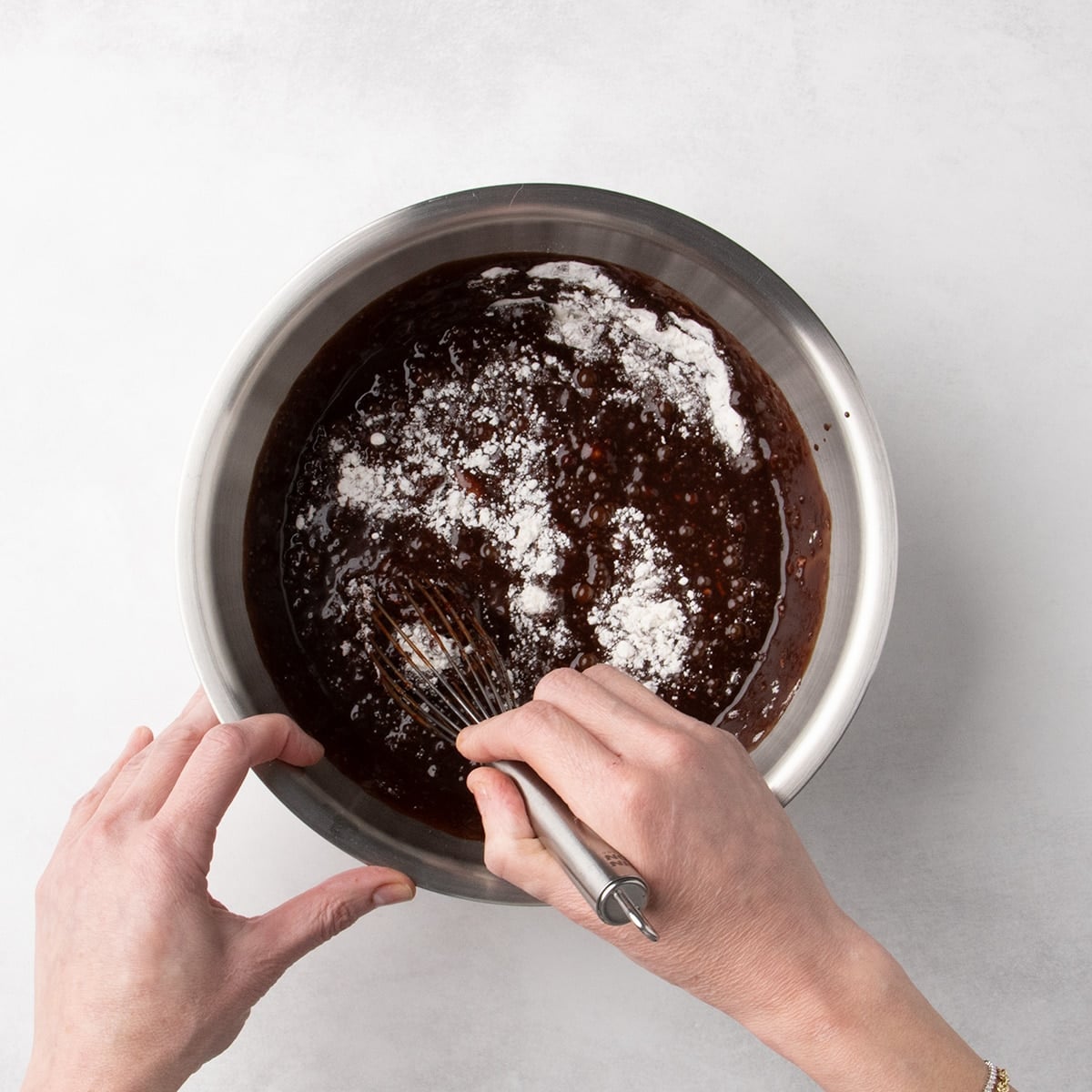
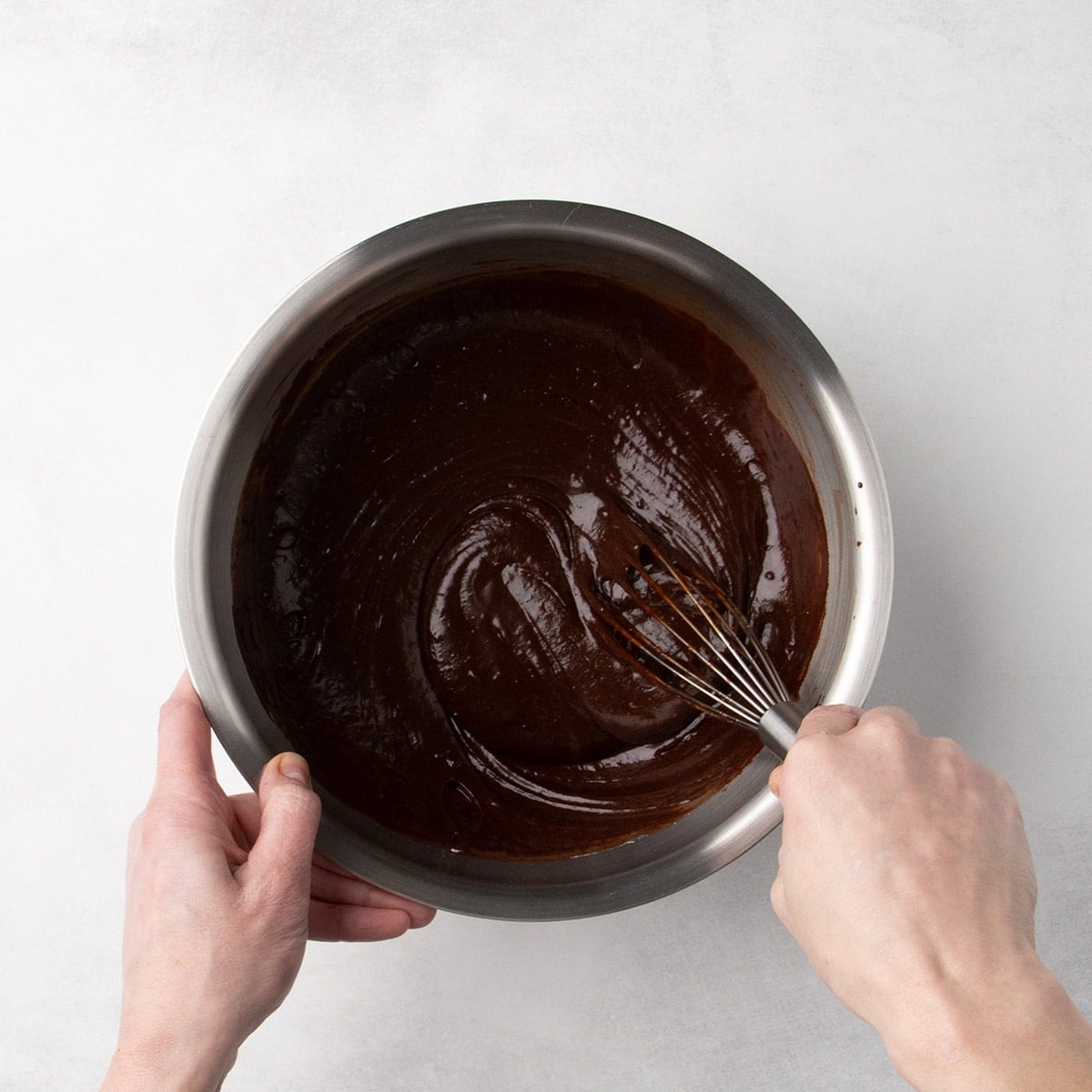
6. Achieving Batter Perfection: The wet and dry ingredients are whisked together until the batter is smooth and glossy. Care is taken to scrape the bottom of the mixing bowl to ensure all dry patches are fully incorporated. For an added layer of chocolate richness, dairy-free chocolate chips can be folded into the batter at this stage, or sprinkled on top before baking.
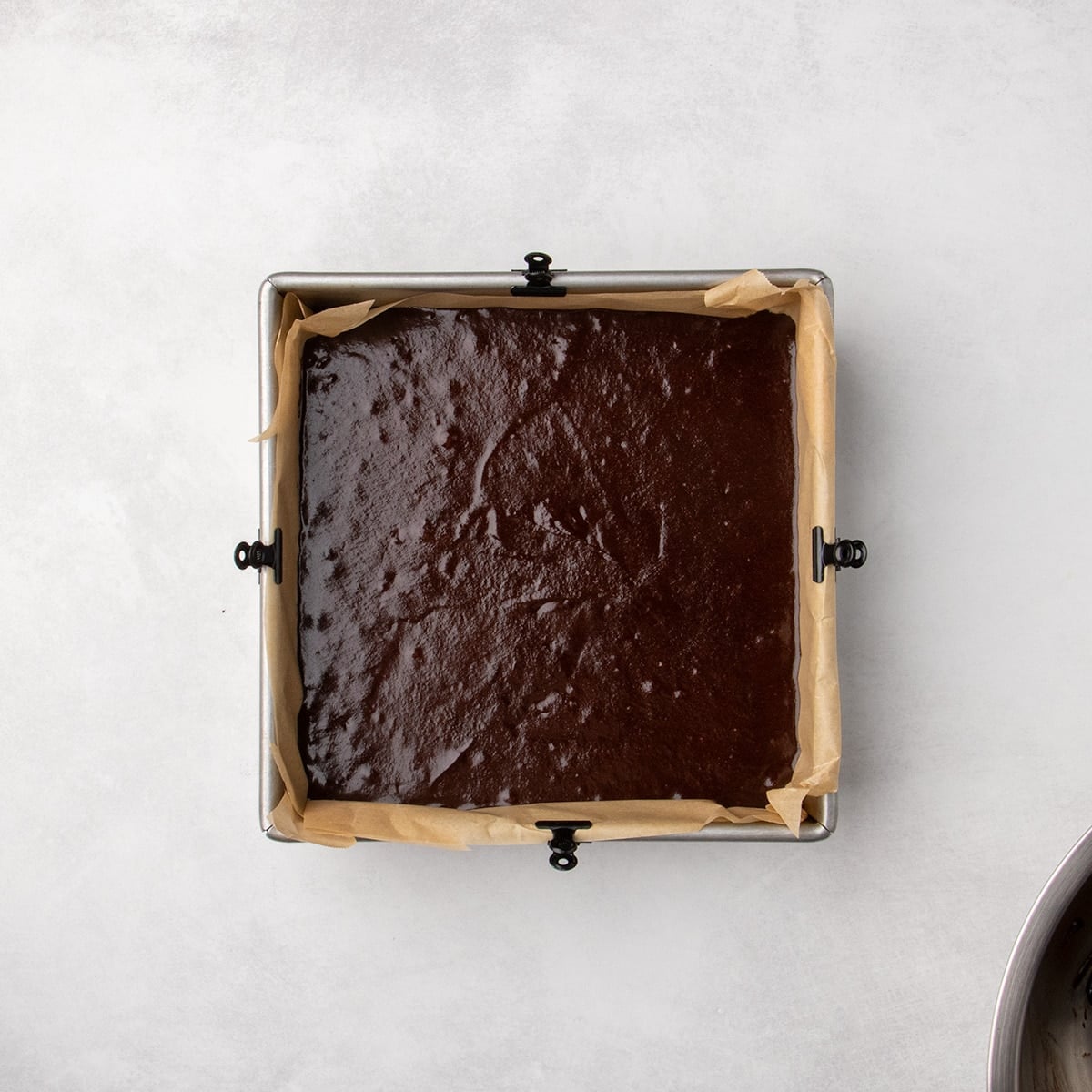
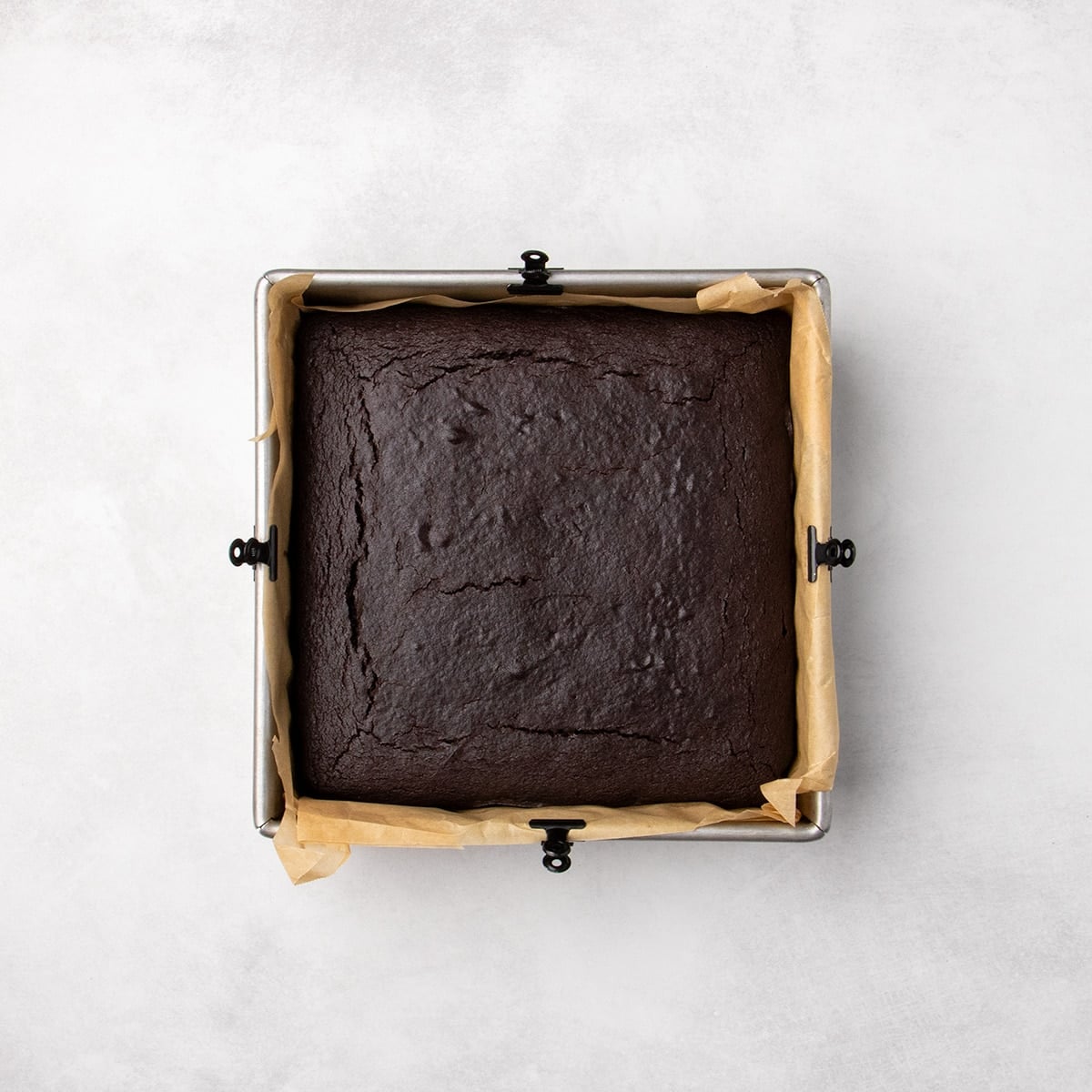
7. The Baking Ritual: The batter is transferred into a prepared baking pan, smoothed into an even layer, and baked at 350°F (175°C). The cake is considered done when the edges are rounded and a tester inserted into the center emerges with moist crumbs attached, but not wet batter. If the cake appears to be browning too quickly, the oven temperature can be reduced to 325°F (160°C) to ensure thorough cooking without over-baking.
8. The Patience of Cooling: A critical step in achieving the cake’s signature moistness and tender crumb is allowing it to cool completely in the pan. Attempting to invert the cake too soon can lead to sticking and a compromised texture.
Expert Insights and Creative Adaptations
Beyond the fundamental recipe, several expert tips and ingredient substitutions can further enhance the baking experience and cater to individual preferences.
Maximizing Flavor and Texture:
- Avoiding Olive Oil: As previously mentioned, the distinct flavor of olive oil can detract from the chocolate. Opting for neutral oils ensures the chocolate remains the star.
- The Power of Coffee: The recipe’s emphasis on coffee underscores its role as a flavor amplifier. Even for non-coffee drinkers, its inclusion is highly recommended for achieving the most intense chocolate flavor.
- Canned Frosting Convenience: For those seeking a quick and easy frosting solution, commercially available canned frostings can be a viable option. Many brands offer gluten-free and dairy-free varieties, but careful label reading is essential. A simple technique of beating the frosting with a single beater from a handheld mixer can improve its texture for a more homemade consistency.
Accommodating Dietary Needs:
- Egg-Free Alternatives: For an egg-free cake, several substitutes are effective. Vegan mayonnaise offers a rich, emulsifying alternative. Other options include commercially available egg replacers like Bob’s Red Mill, or natural alternatives such as chia or flax eggs. For a more direct replacement, a liquid egg replacer such as JustEgg can also be used.
- Mayonnaise as a Substitute: The original formulation of this cake concept involved mayonnaise as a primary ingredient, replacing both oil and eggs. While the current recipe utilizes oil and an egg for a more refined crumb, a full-fat mayonnaise (specifically Hellmann’s brand is recommended for its neutral flavor and consistent results) can still be used to replace both the oil and egg, yielding a moist but potentially slightly more fragile cake. Light mayonnaises or those with added flavors or olive oil are not advised.
- Coffee Substitutions: If coffee is to be avoided, plain boiling water can be used as a direct substitute. Decaffeinated coffee also works perfectly, maintaining the flavor-enhancing benefits without the caffeine.
- Chocolate Variations: While cocoa powder and chocolate are integral to this recipe’s identity, the quantity of separate chocolate can be adjusted. Omitting the separate chocolate will result in a milder chocolate flavor and a less rich cake. For a distinctly different flavor profile, a separate vanilla cake recipe is available.
Storage and Enjoyment: Preserving Freshness
The inherent moistness of this gluten-free, dairy-free chocolate cake allows it to remain fresh at room temperature for several days when properly stored. For unfrosted cake, tightly wrapping it in plastic wrap will keep it fresh for three to five days. Once frosted, it is best enjoyed the same day, as frosting can make airtight wrapping more challenging.
For longer-term storage, the cake can be frozen, either frosted or unfrosted. Wrapping it securely in freezer-safe material is recommended. Individual frosted slices can also be frozen for convenient portioning and defrosting.
Nutritional Considerations
A standard serving of this gluten-free, dairy-free chocolate cake (approximately one slice) is estimated to contain around 586 calories, with 55g of carbohydrates, 6g of protein, and 40g of fat. This nutritional profile is an approximation and can vary based on specific ingredient brands and preparation methods.
Frequently Asked Questions
Q: How is this cake dairy-free if mayonnaise is used?
A: Mayonnaise is inherently dairy-free. Its creamy texture can sometimes lead to confusion, but it is a stable emulsion of oil and egg, containing no dairy products.
Q: Can this cake batter be used to make cupcakes?
A: While not explicitly tested in the original recipe development, it is highly probable that this batter can be successfully used for cupcakes. Filling muffin tins two-thirds full and checking for doneness around the 20-minute mark is a recommended approach.
This gluten-free, dairy-free chocolate cake represents a significant advancement in inclusive baking. By thoughtfully reformulating traditional recipes and understanding the fundamental science of baking, it offers a delicious and accessible dessert for everyone to enjoy.
