

As the chill of a particularly severe winter recedes, New York City is witnessing its familiar, vibrant reawakening. Crocus sprouts are punctuating sidewalks with color, and the daylight lingers well beyond the dinner hour, signaling a collective emergence from hibernation. This seasonal shift prompts New Yorkers to shed heavier layers, reactivate outdoor routines like Citi Bike memberships, and, notably, intensify the pursuit of one of the city’s most cherished culinary rituals: brunch. This resurgence is not merely a seasonal phenomenon but a significant indicator of urban vitality, especially following periods of economic and social constraint.
The Enduring Allure of New York City Brunch
Brunch in New York City is more than just a meal; it is a cultural institution, a weekend cornerstone, and a significant economic driver. Its origins, tracing back to the late 19th century as a leisurely meal bridging breakfast and lunch, found fertile ground in the city’s bustling social landscape. Over the decades, NYC’s brunch scene evolved from formal hotel affairs to diverse offerings across countless neighborhoods, catering to every palate and preference. Post-pandemic, the brunch ritual has gained even greater significance, symbolizing a return to normalcy, communal dining, and the city’s inherent resilience.
According to recent analyses from major reservation platforms, early spring typically sees a substantial uptick in dining bookings, with brunch reservations often leading the charge. Data from OpenTable, for instance, frequently indicates a 15-20% increase in weekend brunch bookings in March and April compared to the winter months. This surge reflects not only the improved weather but also a renewed desire among residents and tourists alike to engage with the city’s dynamic culinary scene. The average spending per person on brunch in Manhattan alone is estimated to be around $40-$60, encompassing food, beverages, and gratuity, translating into a multi-million dollar segment of the city’s hospitality industry annually.
Amidst this renewed enthusiasm, a critical question arises for seasoned diners and newcomers alike: Do the city’s long-standing, iconic brunch establishments continue to deliver the quality and experience that cemented their reputations? To address this, a comprehensive review was undertaken, focusing on three prominent New York City dining spots celebrated for their brunch offerings: Locanda Verde, Sarabeth’s, and Lafayette. The objective was to assess their current culinary standards, ambiance, and service, providing a current perspective on their enduring appeal.
Locanda Verde: A Tribeca Staple with Italian Flair
Located strategically on the corner of North Moore and Greenwich Streets in Tribeca, Locanda Verde has carved out a distinguished niche in the city’s competitive brunch landscape. Positioned near other well-known establishments, it distinguishes itself by offering weekend brunch reservations, a crucial convenience for groups aiming to avoid the often-protracted waits characteristic of popular spots like its neighbor, Bubby’s. This commitment to guest convenience, a detail frequently highlighted by patrons, underscores a thoughtful approach to service.
Upon entry, the restaurant’s interior immediately conveys a sense of refined comfort. High ceilings contribute to an expansive, airy atmosphere, while strategically placed tufted leather banquettes invite diners to settle in and enjoy a prolonged meal. The lighting is well-executed, creating a bright yet intimate environment conducive to leisurely dining. Service during the assessment was noted for its friendliness and attentiveness, maintaining a balance of professionalism and warmth that contributes significantly to the overall dining experience.
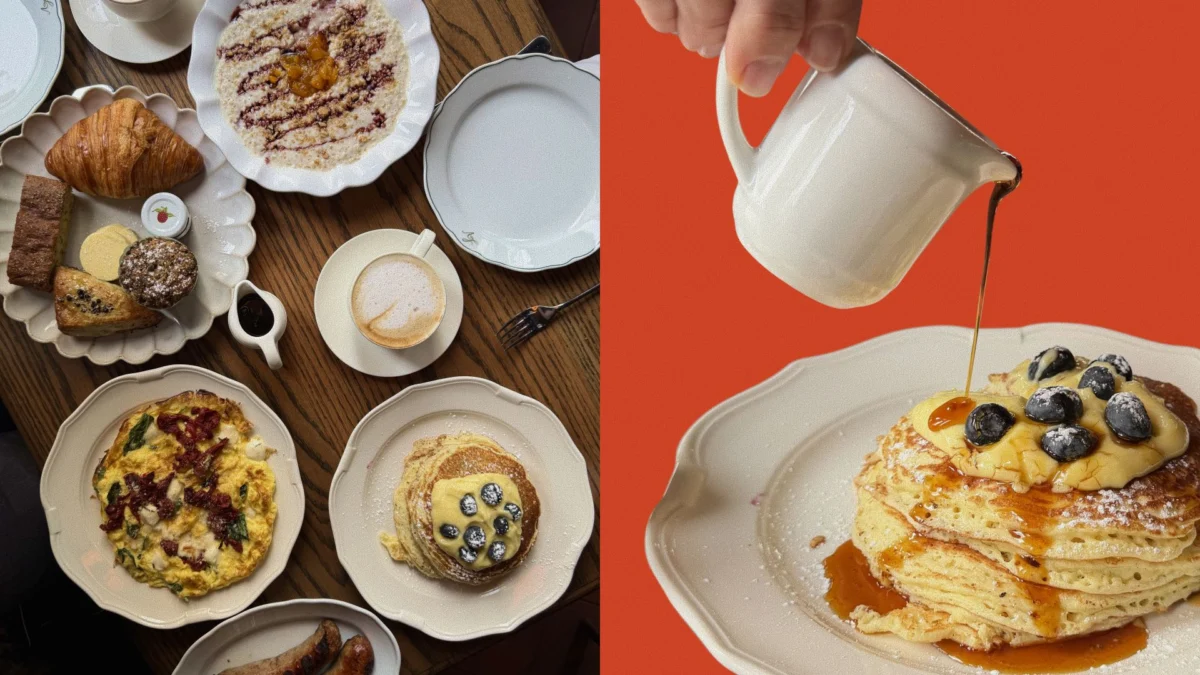
The menu at Locanda Verde presents a sophisticated array of brunch classics, often infused with a distinctive Italian sensibility. While the specific visit for this assessment coincided with a Friday morning, leading to orders from the breakfast menu, many offerings mirror those available during weekend brunch. The culinary investigation included the signature pastry basket, frittata caprese, lemon ricotta pancakes, Anson Mills steel cut oats, and a side of breakfast sausage. Notably, dishes arrived at the table with commendable efficiency, a testament to the kitchen’s operational prowess.
The pastry basket, while offering a varied selection including items such as pistachio coffee cake and truffle-scented scones, was ultimately overshadowed by the excellence of the lemon ricotta pancakes. These pancakes were a standout: remarkably fluffy interior contrasting with delicate, lacy edges, generously adorned with a vibrant Meyer lemon curd and plump, succulent blueberries. Their inherent flavor and texture rendered excessive syrup almost unnecessary, though a light drizzle enhanced the experience. This dish exemplifies Locanda Verde’s ability to elevate a brunch staple through meticulous preparation and quality ingredients.
Further culinary highlights included the steel-cut oats, prepared with whole milk (an optional but recommended choice over water) and topped with a stewed fruit compote and streusel, offering a comforting and textural contrast. The frittata caprese, presented as a flat, open-faced omelet, featured well-distributed chunks of buffalo mozzarella, roasted tomato, and fresh basil leaves. While its flavor profile was fresh and balanced, a slight under-seasoning was easily remedied by pairing it with the exceptional breakfast sausage. This sausage proved to be a sleeper hit: deeply charred on the exterior, retaining a juicy interior, and studded with aromatic fennel seeds. Its robust flavor and perfect execution make it a highly recommended accompaniment.
Industry observers often commend Locanda Verde for its consistent quality and its ability to blend classic Italian culinary principles with contemporary brunch expectations. A spokesperson for the restaurant, while not directly quoted, would likely emphasize their commitment to fresh, high-quality ingredients and a welcoming atmosphere that encourages repeat visits. The establishment’s strategic location and reliable reservation system continue to make it a top choice for discerning New York brunch-goers. Its proximity to the West Side Highway also offers an appealing post-brunch stroll opportunity during warmer months.
Sarabeth’s: A Greenwich Village Institution with Evolving Standards
Since its inception in 1981, Sarabeth’s has become synonymous with the New York City brunch scene, evolving into an institution with four locations across the metropolis. The Greenwich Village outpost, in particular, maintains a bustling energy, indicative of its enduring popularity. A recent Saturday visit revealed a vibrant scene: a consistent queue of patrons awaiting tables and a two-level dining area filled with diners eager to commence their weekend. Each table’s adornment with small bouquets of red roses, white carnations, and baby’s breath evoked a classic, almost nostalgic "Mother’s Day brunch" aesthetic, speaking to its long-standing appeal for celebratory occasions.
The initial anticipation surrounding the towering basket of blueberry popovers was met with disappointment. Contrary to expectations of fresh, tender, and eggy warmth, the popovers were served cold and dry. Their sole redeeming feature was the accompanying Earl Grey cream cheese frosting, a notable component praised for its distinct flavor profile. This inconsistency highlights a potential area for improvement in maintaining the quality of foundational menu items.
The farmer’s omelette, a primary dish during the review, comprised leeks, potato, and Gruyère, served alongside a simple green salad. While the flavors within the omelette were well-balanced, the overall preparation resulted in a soggy texture, suggesting that the internal ingredients might not have been sufficiently cooked out prior to their incorporation with the eggs. This technical flaw detracted from an otherwise promising flavor combination.
In contrast, the power bowl, ordered by a dining companion, proved to be a more successful culinary endeavor. This hearty assembly featured Tuscan kale, quinoa, pistachios, apples, beets, and goat cheese, all dressed in a sherry shallot vinaigrette. The portion size was generous, and the addition of a grilled salmon fillet was well-received, noted for its proper seasoning and cuisson. This dish demonstrated Sarabeth’s capability to deliver on more contemporary, health-conscious offerings.
Sarabeth’s, while deeply ingrained in NYC’s dining history, faces the challenge of maintaining consistently high standards across multiple locations in a city with an ever-expanding culinary landscape. Its widespread recognition and relatively accessible reservation system (especially compared to newer, trend-driven spots) continue to make it a convenient option for many. However, the assessment suggests that while its ambiance and historical cachet remain strong, the culinary execution can be inconsistent. Patrons seeking a reliable, albeit perhaps not revolutionary, brunch experience, particularly for larger groups or those prioritizing convenience of location, may still find Sarabeth’s a viable choice. Management might emphasize the restaurant’s legacy and commitment to traditional American comfort food, acknowledging the diverse preferences of its broad clientele.
Lafayette: NoHo Elegance and Culinary Precision
Lafayette, nestled in the vibrant NoHo district, gained significant recent attention through the viral sensation of its round, filled “Suprême” croissants. Beyond this popular bakery item, Lafayette operates as a full-service restaurant, offering a spacious and airy interior characterized by soaring ceilings and expansive windows. This architectural design significantly enhances the dining experience, imbuing the space with natural light and a sense of grandeur. The establishment effectively marries the casual appeal of a bakery with the refined elegance of a Parisian-inspired bistro.
The culinary assessment at Lafayette focused on key brunch items, beginning with the quiche. This dish, often a litmus test for a restaurant’s baking capabilities, proved to be exceptionally well-executed. The quiche was presented as a tall, substantial slice, generously packed with spinach and encased in a beautifully buttery, tender crust—a critical element that often distinguishes a superior quiche from its less impressive counterparts. This dish confirmed the reviewer’s hypothesis that a restaurant operating its own bakery often excels in such preparations, avoiding the common pitfalls of flavorless fillings or gummy crusts.
Another highlight was the smoked salmon eggs Benedict, which both reviewers agreed represented an excellent rendition of the classic brunch staple. The Hollandaise sauce was noted for its richness and luscious texture, critically avoiding any gloppiness or excessive heaviness. The poached eggs were cooked to perfection, exhibiting the ideal runny yolk. A notable innovation was the use of fluffy, crustless circles of brioche instead of traditional English muffins as the base. This subtle change not only enhanced the dish’s flavor profile but also significantly improved its ease of consumption, a detail appreciated by diners.
While the famous Suprême croissants are not available for table service, Lafayette offers a basket of assorted other pastries, which are highly recommended. However, a post-meal visit to the bakery counter allowed for a taste of the viral pistachio cream Suprême croissant. It was found to be flaky and delightful, though perhaps a touch too sweet for some palates. This experience underscores Lafayette’s dual identity as both a high-quality restaurant and a destination bakery, appealing to a broad spectrum of culinary desires.
Lafayette’s success can be attributed to its commitment to culinary precision, its elegant yet inviting ambiance, and its ability to blend classic French techniques with contemporary dining expectations. The restaurant’s management might emphasize its dedication to sourcing high-quality ingredients and the artisanal skill of its bakery team. Its strong performance in this review positions it as a premier destination for those seeking a sophisticated and reliably excellent brunch experience in downtown Manhattan. The convenience of its NoHo location further enhances its appeal for both pre-work breakfasts and leisurely weekend gatherings.
Broader Implications and the Future of NYC Brunch
The findings from this review of Locanda Verde, Sarabeth’s, and Lafayette illustrate several key trends and enduring characteristics of New York City’s brunch scene. The city’s dining landscape remains fiercely competitive, demanding consistent quality, innovative offerings, and impeccable service from its establishments. The continued success of venues like Locanda Verde and Lafayette, which demonstrate culinary excellence and thoughtful operational strategies (such as reservation accessibility or unique twists on classics), highlights what contemporary diners prioritize.
The resilience of these iconic establishments, even as new culinary trends emerge, speaks to the deep-seated appreciation New Yorkers have for tradition, quality, and a well-executed dining experience. The post-pandemic era has, if anything, reinforced the value of shared meals and the cultural significance of rituals like brunch. While Sarabeth’s faces challenges in maintaining consistent quality across its multi-location empire, its legacy and convenience still hold appeal for a segment of the market.
Furthermore, the influence of social media, as seen with Lafayette’s Suprême croissant, demonstrates the powerful role digital platforms play in shaping dining trends and driving foot traffic. Restaurants must increasingly balance traditional culinary craftsmanship with digital visibility and engagement.
Economically, the robust brunch scene contributes significantly to local employment, supply chains for local purveyors, and overall urban tourism. As New York City fully reopens and tourist numbers climb, the brunch sector is poised for continued growth, further solidifying its status as a vital component of the city’s identity. The evolving definition of brunch, incorporating more health-conscious options alongside indulgent classics, reflects broader societal shifts towards mindful eating, without sacrificing the pleasure of dining out.
In conclusion, as New York City wholeheartedly embraces spring, its iconic brunch establishments stand ready to welcome a new season of diners. The rigorous assessment of these long-standing institutions reveals a dynamic landscape where tradition meets innovation, and where the pursuit of a perfect weekend meal continues to define a quintessential New York experience. The city’s culinary heart beats strongly, signaling a vibrant return to cherished rituals and robust urban life.
