


The rising cost of consumer goods, particularly within the protein sector of the grocery industry, has prompted a significant shift in household meal preparation strategies. As inflation continues to impact the Consumer Price Index (CPI) for meat and poultry, culinary researchers and home economists are identifying ground chicken as a primary candidate for budget-conscious, nutrient-dense meal planning. Recent data from the Nashville Test Kitchen suggests that ground chicken, when utilized with specific culinary techniques and pantry-stable ingredients, offers a high degree of versatility that rivals more expensive cuts of beef or pork. By integrating cost-effective add-ins such as legumes, seasonal vegetables, and shelf-stable grains, consumers can effectively reduce the per-serving cost of dinner while maintaining high standards of flavor and nutrition.

The Economic Context of Poultry Consumption Shifts
To understand the current emphasis on ground chicken, one must examine the broader economic landscape of the last decade. According to reports from the U.S. Department of Agriculture (USDA), poultry consumption has seen a steady upward trajectory, largely due to its perceived health benefits and lower production costs compared to red meat. Ground chicken, specifically, has transitioned from a niche dietary product to a supermarket staple.
Between 2021 and 2024, as global supply chain disruptions and avian influenza outbreaks affected poultry pricing, the retail price of whole chicken breasts experienced significant volatility. In response, processing facilities increased the production of ground poultry products, which utilize various trimmings to provide a more affordable entry point for consumers. This shift has allowed for the development of "budget-friendly" culinary frameworks that rely on seasonings and simple sauces rather than premium cuts of meat.
A Chronological Evolution of Ground Poultry in the American Kitchen
The integration of ground chicken into the domestic culinary repertoire has followed a distinct timeline:
- The 1980s and 1990s (The Health Wave): Ground chicken and turkey were introduced primarily as "lean" alternatives to ground beef. Recipes during this era were often criticized for being dry or lacking flavor, as culinary techniques had not yet caught up to the structural differences between bovine and avian proteins.
- The 2000s (The Rise of Global Fusion): As international ingredients like hoisin sauce, soy sauce, and curry pastes became widely available in standard grocery stores, ground chicken found a new purpose in lettuce wraps and stir-fries, where high-moisture sauces mitigated its natural leanness.
- The 2010s (The "Budget" Revolution): The emergence of digital culinary platforms focused on "cost-per-serving" metrics led to the standardization of ground chicken recipes that utilized binders like panko and grated vegetables to increase volume and improve texture.
- 2020 to Present (The Efficiency Era): Current trends prioritize one-pan meals, sheet-pan dinners, and meal-prep-friendly formats that maximize time and minimize waste.
Technical Applications and Recipe Categorization
Professional testing in controlled environments, such as the Nashville Test Kitchen, has identified several key categories where ground chicken excels. These categories prioritize the use of pantry seasonings and budget-friendly add-ins to ensure consistency and affordability.

Innovative Interpretations of Classic Comfort Dishes
The transition of traditional beef-based recipes to ground chicken requires specific technical adjustments to ensure moisture retention. In the case of the Chicken Burger, the Nashville Test Kitchen recommends the inclusion of mayonnaise and panko breadcrumbs within the patty. This creates an emulsion that prevents the protein fibers from tightening and becoming tough during the searing process. Similarly, the Chicken Meatloaf utilizes grated carrots and onions, which release moisture during the baking process, ensuring the loaf remains tender.
For casserole-style applications, such as the Chicken and Biscuit Casserole, ground chicken serves as a structural base that absorbs the flavors of chicken broth and aromatic vegetables. This method is particularly effective for large-scale meal planning, as the dish can be portioned and frozen without significant degradation of texture.

Global Fusion and High-Flavor Profiles
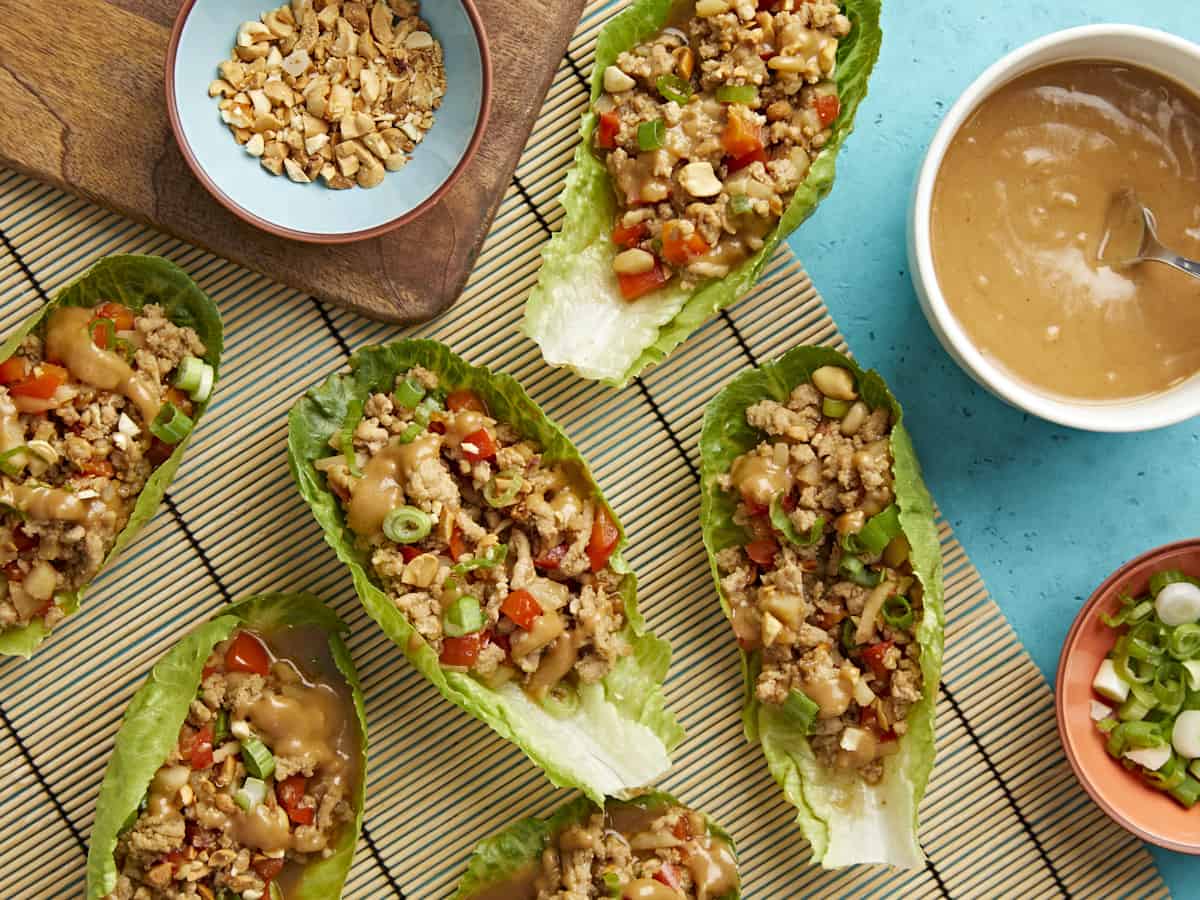
Ground chicken is an ideal canvas for bold, acidic, and umami-forward sauces. The Chicken Lettuce Wraps utilize a tripartite system: a hoisin-soy base, a vegetable-rich filling, and a peanut-lime dressing. This structure allows for a high ratio of vegetables to meat, further driving down the cost per serving.
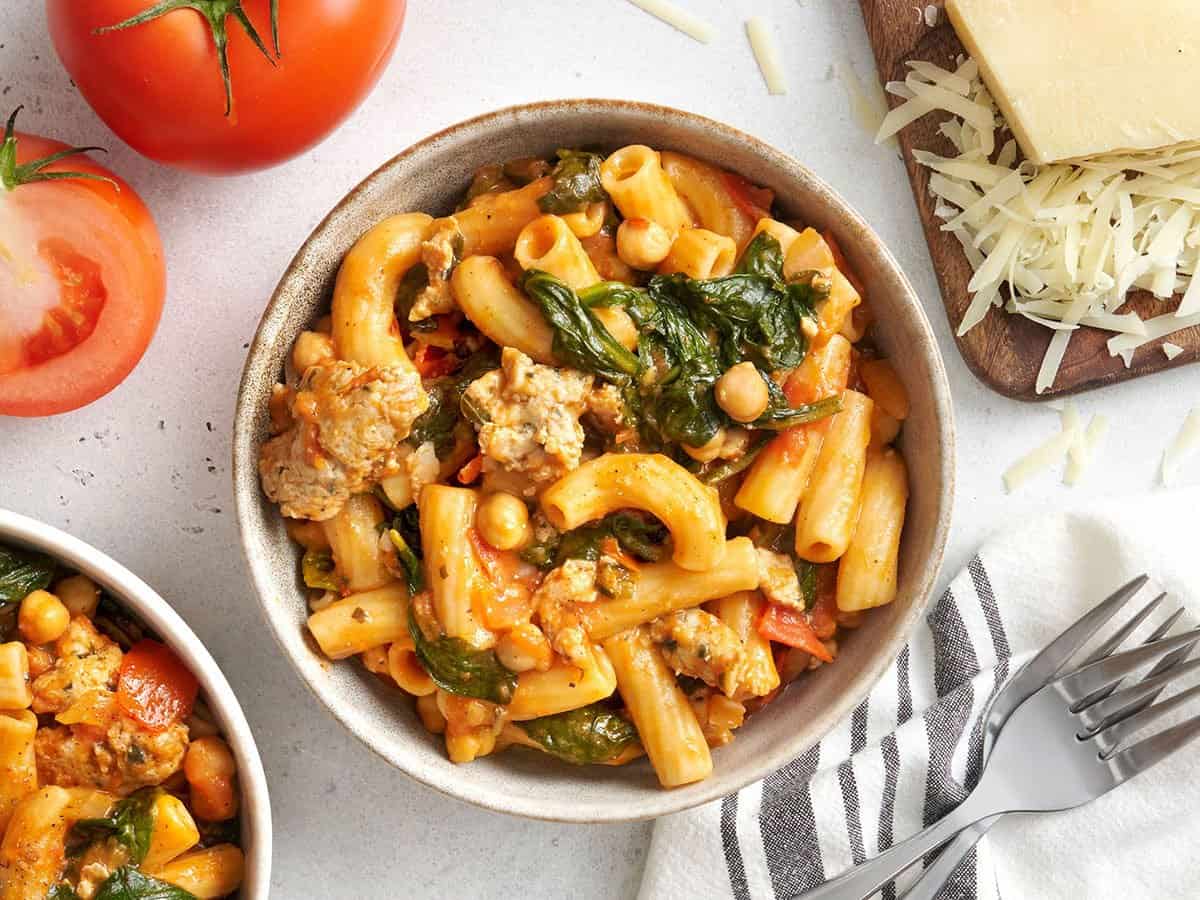
In the realm of Italian-inspired cuisine, ground chicken is being utilized in unconventional ways, such as in Bruschetta Rigatoni alla Vodka. By cooking the pasta directly in a sauce enriched with ground chicken, spinach, and chickpeas, the starch from the pasta thickens the sauce, creating a restaurant-quality texture with minimal equipment and labor.

The Meatball Framework: Versatility in Portioning
Meatballs represent the most efficient use of ground chicken for meal prep. The Nashville Test Kitchen has developed several variations that cater to different flavor profiles:
- Cream Sauce Variations: Utilizing a butter-and-flour roux to create a silky coating for the protein.
- Chicken Parmesan Style: Incorporating cheese directly into the meat mixture to mimic the flavors of the traditional breaded cutlet.
- "Marry Me" Chicken Meatballs: A ground-protein adaptation of the viral cream-and-sun-dried-tomato dish, utilizing toasted breadcrumbs for structural integrity.
- Sheet-Pan BBQ Applications: Combining ground chicken with roasted pineapple and peppers to create a complete meal on a single tray, reducing cleanup time and energy costs.
Supporting Data: The Financial Impact of Protein Swapping
Data analysis of current grocery trends indicates that substituting ground chicken for ground beef can result in a significant reduction in annual food expenditures. As of early 2025, the average price of ground beef (80/20) fluctuates between $4.80 and $5.50 per pound, whereas ground chicken often retails between $3.50 and $4.25 per pound.

Furthermore, ground chicken possesses a unique "bulking" capability. Because it is leaner, it does not shrink as significantly as high-fat ground beef. When combined with budget-friendly fillers like beans or shredded vegetables, one pound of ground chicken can easily yield five to six servings, bringing the protein cost to approximately $0.70 to $0.85 per serving.
Market Reactions and Consumer Sentiment
Industry experts have noted a marked increase in consumer engagement with ground poultry content. "We are seeing a move toward ‘utilitarian’ cooking," states a market analyst specializing in consumer packaged goods. "Home cooks are less interested in ‘aspirational’ ingredients and more focused on the ‘efficiency’ of their pantry. Ground chicken fits perfectly into this shift because it is perceived as a ‘safe’ protein—low in fat, high in protein, and extremely adaptable."
Retailers have responded to this demand by expanding the variety of ground poultry offerings, including pre-seasoned blends and organic options. However, culinary professionals continue to advocate for purchasing plain ground chicken and utilizing home seasonings to avoid the premium pricing associated with pre-packaged convenience items.
Broader Health and Lifestyle Implications
Beyond the financial benefits, the move toward ground chicken has significant health implications. With a lower saturated fat content than traditional red meats, ground chicken aligns with long-standing heart-health recommendations from organizations such as the American Heart Association.

The Nashville Test Kitchen’s focus on "simple sauces" and "veggie add-ins" also encourages a higher intake of dietary fiber and micronutrients. By using ground chicken as a vehicle for spinach, carrots, bell peppers, and legumes, consumers are inadvertently increasing their vegetable consumption, which has long-term positive effects on public health outcomes.
Strategic Outlook and Future Trends
As the culinary landscape continues to evolve under the pressure of economic constraints, the "roundup" of ground chicken recipes serves as more than just a list of dinner ideas; it represents a strategic manual for modern domestic management. The ability to swap proteins—utilizing ground chicken in place of turkey or shredded rotisserie chicken—provides a level of flexibility that is essential for navigating fluctuating market prices.

Future trends in this sector are expected to focus on "zero-waste" poultry cooking, where ground chicken is combined with leftover grains and wilting produce to create nutrient-dense "bowls" or "skillets." The continued success of these recipes relies on the rigorous testing of proportions and seasoning blends to ensure that the transition from expensive proteins to budget-friendly alternatives does not result in "fatigue" for the consumer.
In conclusion, the strategic use of ground chicken is a vital component of a resilient household food economy. Through the application of professional culinary techniques and an emphasis on pantry-stable ingredients, the Nashville Test Kitchen has demonstrated that affordability and high-quality dining are not mutually exclusive. As grocery prices remain a primary concern for the average household, the ground chicken framework offers a sustainable, scalable, and delicious path forward for the American kitchen.
