

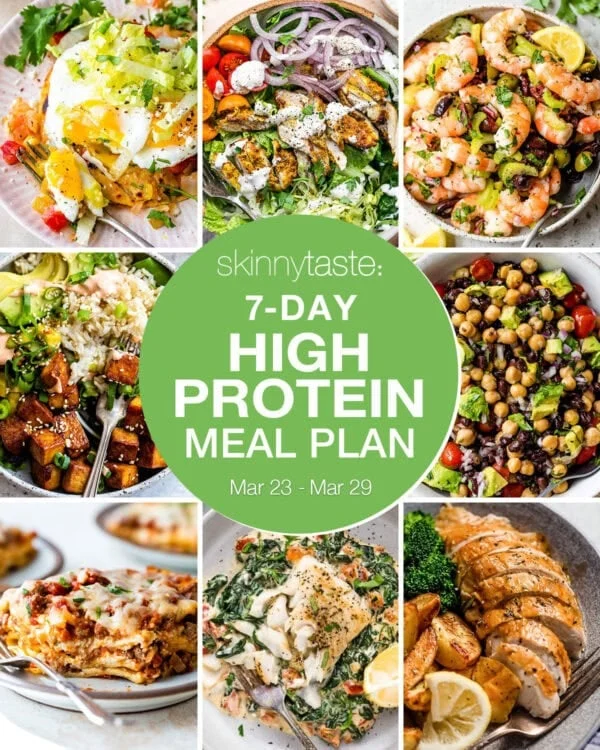
A comprehensive, free 7-day high-protein diet meal plan has been released, offering a structured approach to nutrition focused on muscle gain and sustained satiety. The plan, which covers breakfast, lunch, and dinner, includes a detailed shopping list and provides nutritional information such as macronutrient breakdowns and Weight Watchers (WW) points for all recipes. This initiative aims to assist individuals in achieving their protein intake goals while enjoying flavorful, balanced meals.
The Evolving Landscape of Nutritional Guidance
The introduction of this meal plan comes amidst a growing public interest in the benefits of higher protein consumption for various health and fitness objectives. Protein, a fundamental macronutrient, is crucial for muscle repair and growth, hormone production, and enzyme function. Beyond its structural roles, a high-protein diet has been widely recognized for its ability to enhance satiety, which can be instrumental in weight management by reducing cravings and overall caloric intake. This aligns with the creator’s personal experience, who has advocated for a high-protein diet over the past few years, attributing it to feeling "stronger and more satisfied" and noting a reduction in "reaching for sweets or chips between meals or at the end of the day."

The meal plan also meticulously integrates with popular weight management systems, specifically Weight Watchers. Each recipe features updated WW points, a critical detail for the program’s adherents. The platform providing the meal plan has been actively updating its extensive recipe database to reflect recent changes in the WW points system, including the addition of new 0-point foods like oatmeal. This commitment ensures that users have access to the most current and accurate guidance, with older recipes (from 2018 to 2025) progressively being updated. A notable feature highlighted is the direct link of every recipe to the WW recipe builder, accessible via mobile devices, which automatically calculates the most current points, streamlining the tracking process for users.
A Holistic Approach to Meal Planning
The newly released meal plan, designed for the week of March 23-29, serves as a guide, emphasizing flexibility and personalization. It acknowledges that individual dietary needs vary significantly based on factors such as age, weight, activity level, and specific health goals. While the plan offers a baseline caloric intake, generally advising women to aim for at least 1500 calories per day, it explicitly provides "plenty of wiggle room" for users to augment their meals with additional foods, beverages, fruits, snacks, or desserts as needed. This adaptable framework encourages users to consult with nutritionists or dietitians to determine their precise caloric and macronutrient requirements.
The structure of the plan is thoughtfully segmented to cater to different dining scenarios. Breakfast and lunch recipes from Monday to Friday are proportioned for a single individual, promoting ease of preparation for busy weekdays. Conversely, dinners throughout the week and all meals on Saturday and Sunday are scaled to serve a family of four, fostering communal eating and practical meal preparation for households. The inclusion of recipes that yield leftovers for subsequent meals or lunches further enhances the plan’s efficiency, minimizing food waste and reducing daily cooking demands. To support overall protein goals, the plan also recommends incorporating high-protein snacks, recognizing that reaching optimal protein intake often requires consistent consumption throughout the day, typically divided across three main meals and supplemental snacks. For instance, a target of 120 grams of protein per day might involve aiming for at least 30 grams per meal, supplemented by 10 to 30 grams with each snack.

Seasonal Inspiration and Culinary Variety
The meal plan draws inspiration from the spring season, integrating fresh, vibrant ingredients that align with the lighter, brighter culinary trends associated with this time of year. The advent of spring often ushers in an abundance of green vegetables and a renewed enthusiasm for outdoor activities and gatherings, including brunch. The plan celebrates this by featuring versatile and protein-rich dishes suitable for various occasions. Quiches, in particular, are highlighted as an ideal choice for spring brunches, offering a warm, customizable, and protein-packed option. Examples include a Chicken Quiche and a Crustless Sausage and Spinach Quiche, demonstrating how traditional comfort foods can be adapted to meet specific dietary goals without compromising flavor.
The daily menu showcases a diverse range of protein sources and culinary styles. Monday and Tuesday feature repeat servings of Whipped Cottage Cheese Bowls for breakfast and Chicken Gyros with whole wheat pita and Tzatziki for lunch, demonstrating a strategy for efficient meal prep. Dinners, however, vary significantly: Monday introduces a Tofu Poke Bowl, while Tuesday presents Turkey Enchilada Stuffed Poblano Rellenos with Fiesta Bean Salad. Mid-week, High Protein Enchilada Scrambled Eggs become the breakfast staple, paired again with Chicken Gyros for lunch. Wednesday and Thursday evenings feature Lasagna with Garlic Butter Mushrooms, with Thursday utilizing leftovers, exemplifying the plan’s practicality. Friday diversifies with a Strawberry Banana Smoothie (enhanced with nonfat plain Greek yogurt) for breakfast and Lentil Bowls with Avocado, Eggs, and Cholula for lunch, culminating in Fish Florentine with Homemade Rice Pilaf for dinner. Weekends offer a more relaxed approach, starting with Huevos Rancheros on Saturday morning and Turkey Chorizo Breakfast Bowls on Sunday, providing flexibility for social engagements with a "Dinner Out" option on Saturday. Sunday concludes with a hearty Whole Roasted Chicken with Lemon and Rosemary Smashed Potatoes and Charred Sugar Snap Peas.
Addressing Specific Health Considerations
While a high-protein diet offers numerous benefits for many, the meal plan includes an important caveat regarding individuals with specific health conditions. Those with kidney or liver disease, gout, certain metabolic disorders, or older adults experiencing reduced kidney function are advised to exercise caution and potentially limit protein intake to prevent complications. The strong recommendation is to consult a healthcare provider or dietitian before making significant changes to protein consumption, particularly if underlying health conditions are present. This emphasis on professional medical advice underscores the responsible and health-conscious approach embedded within the meal plan’s design.
Community Engagement and Future Outlook
The launch of this meal plan is part of a broader initiative to foster a supportive community around healthy eating. Users are encouraged to join the Skinnytaste Facebook Community, where members share photos of their culinary creations, exchange ideas, and offer mutual encouragement. An email subscription option is also available to ensure that interested individuals never miss future meal plans or updates. This community-driven approach enhances user engagement and provides a valuable platform for shared experiences and learning.
Furthermore, the meal plan represents a continuing commitment to providing accessible, high-quality nutritional resources. The creator has indicated plans to release one or two high-protein meal plans each month, responding to evident user demand and building upon the success of the initial offering. This sustained effort is complemented by the ongoing development of a dedicated high-protein cookbook, promising an even broader collection of recipes and guidance for those seeking to integrate more protein into their diets. These future endeavors suggest a long-term vision for empowering individuals with the tools and knowledge necessary for sustainable healthy eating habits.
Comprehensive Resources for Meal Preparation
To facilitate seamless meal preparation, the meal plan is accompanied by a comprehensive grocery list. This meticulously compiled list includes all necessary ingredients, categorized for convenience: produce, meat/poultry/fish, condiments/spices, dairy/refrigerated items, grains (with a note for gluten-free options), canned/jarred goods, frozen items, and miscellaneous dry goods. Such a detailed shopping aid simplifies the grocery procurement process, helps in managing food budgets, and ensures that users have all components readily available to execute the weekly menu.
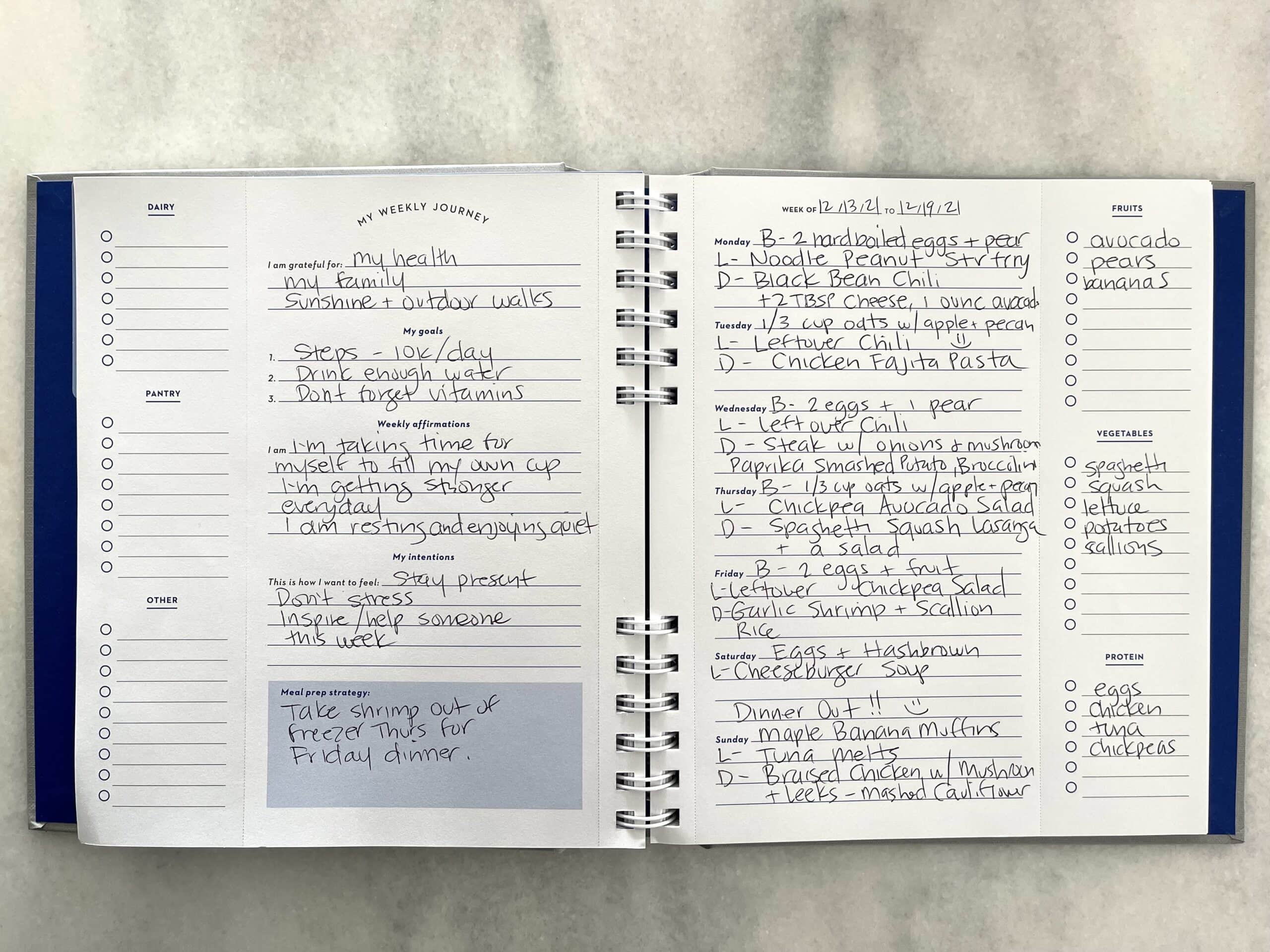
In addition to the digital resources, a tangible tool, the "Ultimate Skinnytaste Meal Planner," is available. This 52-week spiral-bound planner features tear-out weekly meal planning grids that can be affixed to a refrigerator, a 12-week meal plan, 30 recipes (including 15 new ones), and tear-out grocery lists. It also incorporates spaces for gratitude, affirmations, and intentions, promoting a holistic approach to well-being that extends beyond mere nutrition. This physical planner serves as an organizational hub, blending practical meal planning with mindful practices, reinforcing the overarching goal of fostering a balanced and healthy lifestyle.
The introduction of this free, high-protein meal plan, supported by a wealth of resources and a vibrant online community, marks a significant contribution to accessible health and wellness guidance. By combining scientific nutritional principles with practical, family-friendly recipes and adaptable planning tools, it addresses the multifaceted needs of individuals striving for improved health, muscle gain, and enhanced dietary satisfaction.
