

The Culinary Fusion: Unpacking the Stout’s Role in Desserts
At the heart of this evolving culinary trend is the strategic integration of Guinness stout into chocolate desserts. Far from imparting a distinct beer taste, the stout acts as a sophisticated flavor enhancer, elevating the chocolate’s inherent richness with a tapestry of roasted, coffee-like undertones and a delicate hint of caramel sweetness. This synergistic relationship is not novel; culinary professionals and home bakers have long recognized stout’s capacity to deepen the complexity of chocolate-based creations, a principle also observed in popular recipes such as Guinness chocolate cake and Guinness chocolate cupcakes. The chemical compounds present in roasted barley, a key ingredient in Guinness, mirror those found in coffee and cocoa, creating a natural affinity that amplifies existing flavors rather than introducing an overpowering new one. This delicate balance results in a dessert that caters to a more mature palate, offering profound chocolate notes without excessive sweetness.
The popularity of incorporating craft beers, particularly stouts, into baking has steadily risen over the past decade. What was once considered an experimental niche is now recognized as a legitimate technique for adding depth and character to confectionery. Data from culinary trend reports indicates a growing consumer appetite for desserts that feature unexpected flavor pairings and elevated ingredients. The integration of stout into brownies exemplifies this trend, transforming a familiar comfort food into an artisanal treat. This movement reflects a broader shift in consumer preferences towards unique gastronomic experiences, where traditional ingredients are reimagined in innovative ways. The market for gourmet desserts has seen a consistent upward trajectory, with a reported 8% increase in demand for unique flavor combinations in baked goods over the past three years, according to a 2023 industry analysis by Food Insights Group.
A History of Refinement: The Recipe’s Evolution
The foundational recipe for these celebrated Guinness brownies originated in 2018, quickly garnering attention for its innovative use of stout. Its creator, a prominent voice in the home baking community, developed the recipe with the explicit goal of demonstrating how Guinness could enhance, rather than dominate, chocolate flavors. The recent update, implemented to further refine the preparation process and ensure consistent excellence, underscores the enduring appeal and technical precision behind the creation. These updates include detailed success tips, which guide bakers through crucial steps, ensuring that each batch achieves the desired fudgy texture and intense flavor. This iterative development process is characteristic of successful culinary innovations, where feedback and experience contribute to continuous improvement. The continuous engagement with the recipe highlights its status as a proven crowd-pleaser and a staple for St. Patrick’s Day celebrations.
The Science of Flavor Concentration: Reducing the Guinness
A critical technique distinguishing these brownies is the pre-reduction of Guinness stout. This process involves gently simmering a full bottle of Guinness on the stovetop until a significant portion of its water content evaporates, leaving behind a concentrated liquid. This reduction serves a dual purpose: it intensifies the stout’s malty, roasted, and caramel notes, and it prevents the introduction of excess liquid into the brownie batter. Brownie recipes are particularly sensitive to liquid ratios; an imbalance can lead to a cakey, dry, or even gummy texture, deviating from the desired dense and fudgy consistency.

By reducing the Guinness, bakers achieve a potent flavor extract that integrates seamlessly into the batter without compromising its structural integrity. This method is analogous to techniques used in professional kitchens to concentrate the essence of fruits for cakes or ciders for donuts, ensuring maximum flavor impact with minimal dilution. For these Guinness brownies, approximately 1/2 cup (120g/ml) of the reduced stout is incorporated into the brownie batter, with an additional 2.5 tablespoons (40g/ml) reserved for the distinctive frosting. This careful measurement ensures optimal flavor distribution and texture. The remaining alcohol content after simmering and baking is significantly diminished, rendering the dessert suitable for a wider audience while retaining its unique flavor profile. This technique is rooted in fundamental culinary chemistry, where the evaporation of water leaves behind a higher concentration of non-volatile flavor compounds, resulting in a more intense and refined taste.
Key Ingredients for Unrivaled Fudginess
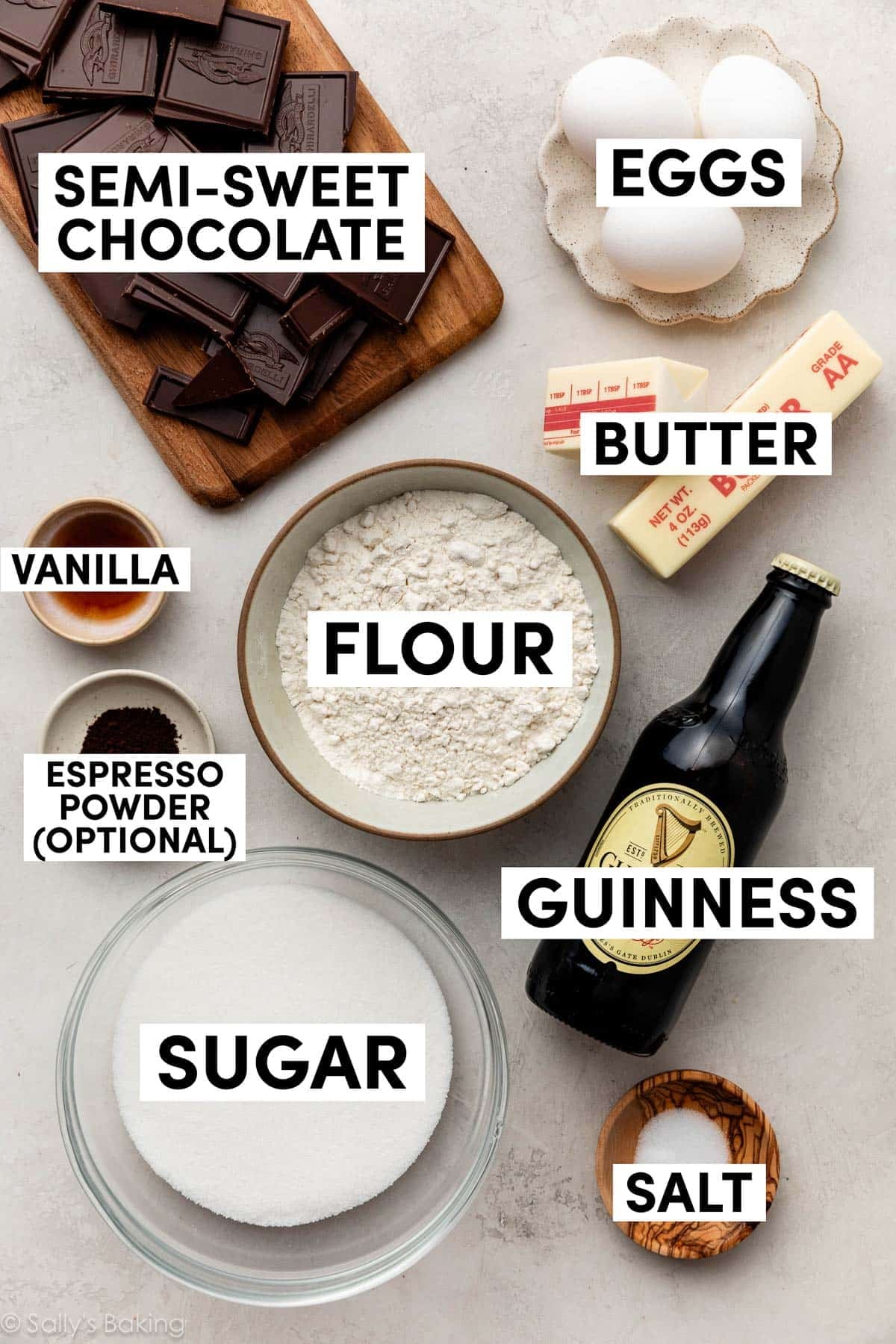
Beyond the signature Guinness reduction, the recipe relies on a curated selection of standard brownie ingredients, each playing a vital role in achieving the desired depth and texture. The core components include high-quality unsalted butter, granulated sugar, large eggs, pure vanilla extract, all-purpose flour, unsweetened cocoa powder, and salt.
Notably absent from the ingredient list are chemical leavening agents such as baking powder or baking soda. This deliberate omission is fundamental to achieving the brownies’ signature ultra-fudgy texture. Leavening agents introduce air and lift, which are desirable in cakes but antithetical to the dense, moist, and almost melt-in-your-mouth quality of a true fudgy brownie. The goal is a product that is just one step removed from pure, solidified chocolate, a characteristic shared with other intensely fudgy brownie recipes. The precise balance of fats (from butter and chocolate) and sugars, combined with a minimal amount of flour, contributes to this luxurious density, making each bite a rich, chocolate-forward experience.
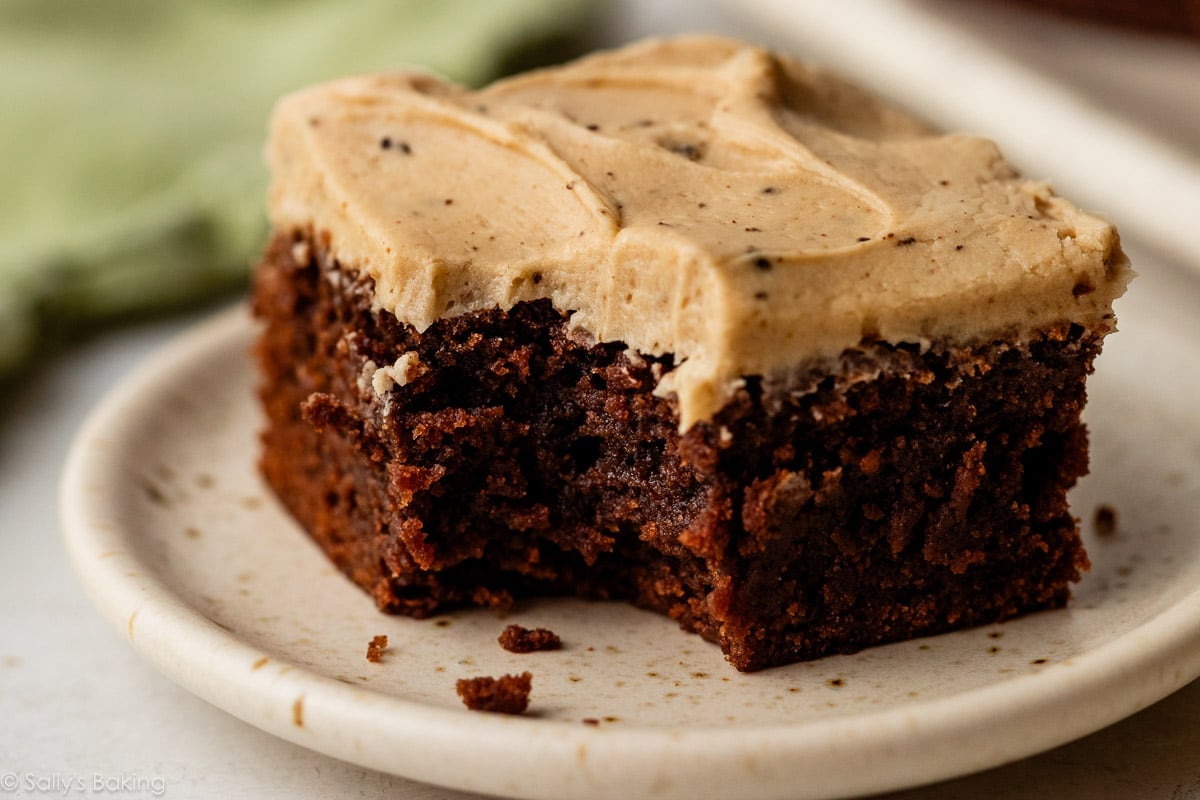
The choice of chocolate is also paramount. While not explicitly detailed in the excerpt, high-quality dark chocolate or cocoa powder ensures the deep, complex chocolate flavor that the Guinness is intended to enhance. The initial step of melting butter and chocolate together creates a smooth, emulsified base, which is crucial for the uniform distribution of fats and flavors throughout the batter, contributing to the glossy, crackled top often associated with premium brownies. The fat content in the melted butter and chocolate also contributes to the rich mouthfeel and moisture retention, ensuring a decadent experience.
Crafting the Perfect Brownie Base
Once the Guinness reduction is prepared and cooled, the brownie batter comes together with relative ease, following a standard yet precise methodology. The process begins by melting the unsalted butter with the chocolate. This can be achieved gently in a microwave or over a double boiler on the stovetop, ensuring the mixture is smooth and fully incorporated. Cutting the butter into smaller pieces facilitates even melting.
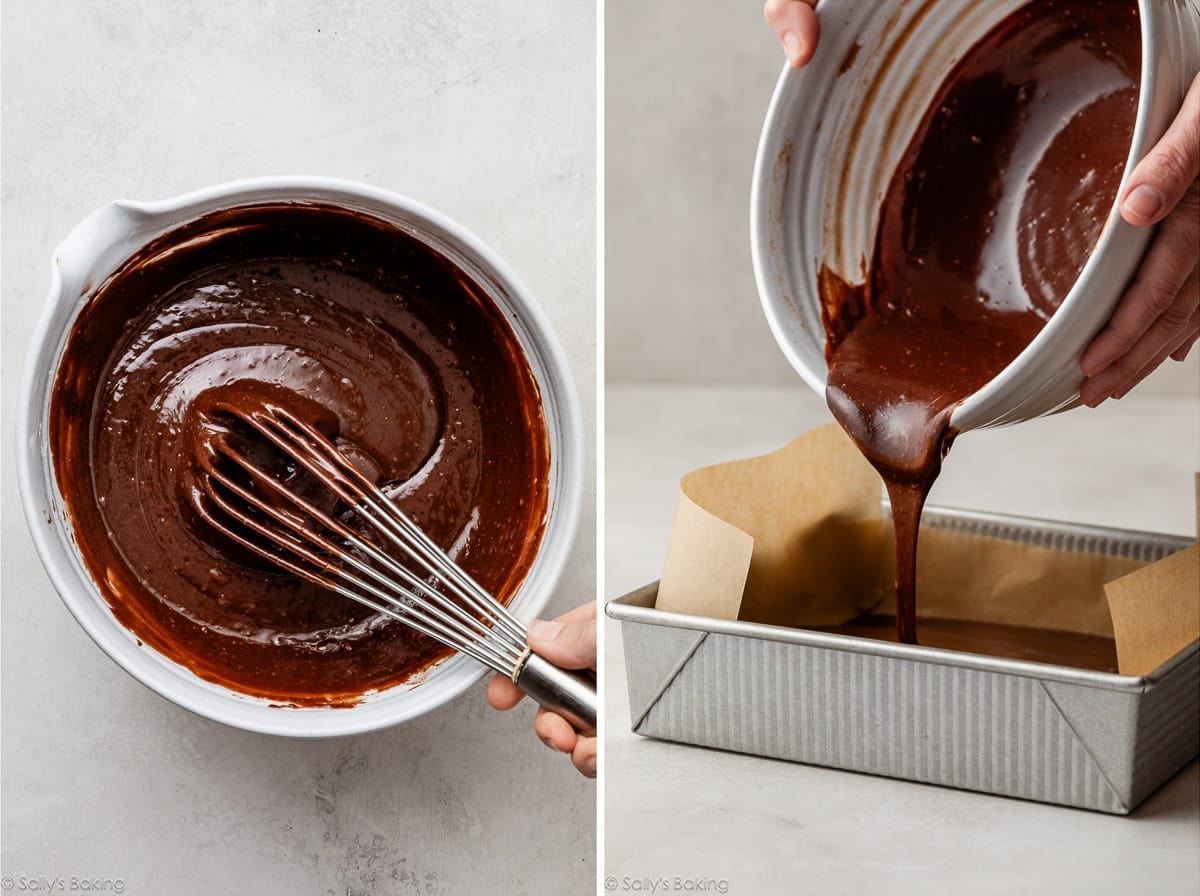
Following this, the granulated sugar is whisked into the warm chocolate-butter mixture, ensuring it dissolves sufficiently to prevent a grainy texture in the final product. The reduced Guinness is then incorporated, followed by the eggs and vanilla extract. The addition of eggs provides structure and richness, while vanilla extract complements the chocolate and stout flavors. Finally, the dry ingredients—all-purpose flour, unsweetened cocoa powder, and salt—are gently folded into the wet mixture until just combined. Overmixing the batter is carefully avoided to prevent the development of gluten, which could lead to a tougher, less tender brownie. The resulting batter is characteristically thick and possesses a beautiful sheen, indicative of its rich composition.
The batter is then evenly spread into a lined 9-inch square metal baking pan. The use of a metal pan over glass or ceramic is a specific recommendation, as metal conducts heat more efficiently and evenly, promoting consistent baking and preventing overcooked edges or underbaked centers. This attention to detail in pan selection is a hallmark of professional baking, ensuring predictable and superior results. The lining of the pan with parchment paper is also a critical step, facilitating easy removal of the baked brownies and contributing to clean, sharp edges.
The Decadent Guinness-Infused Frosting
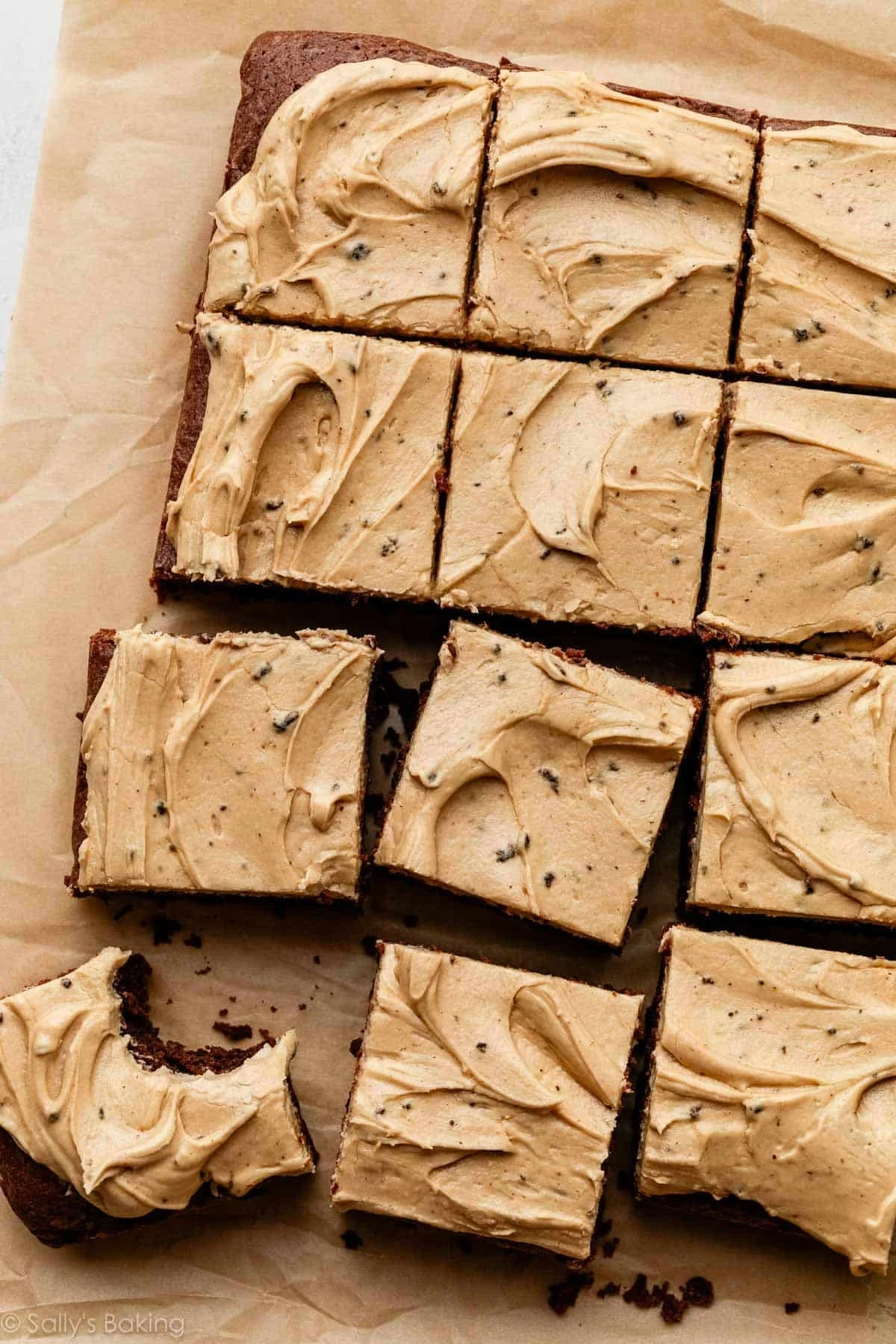
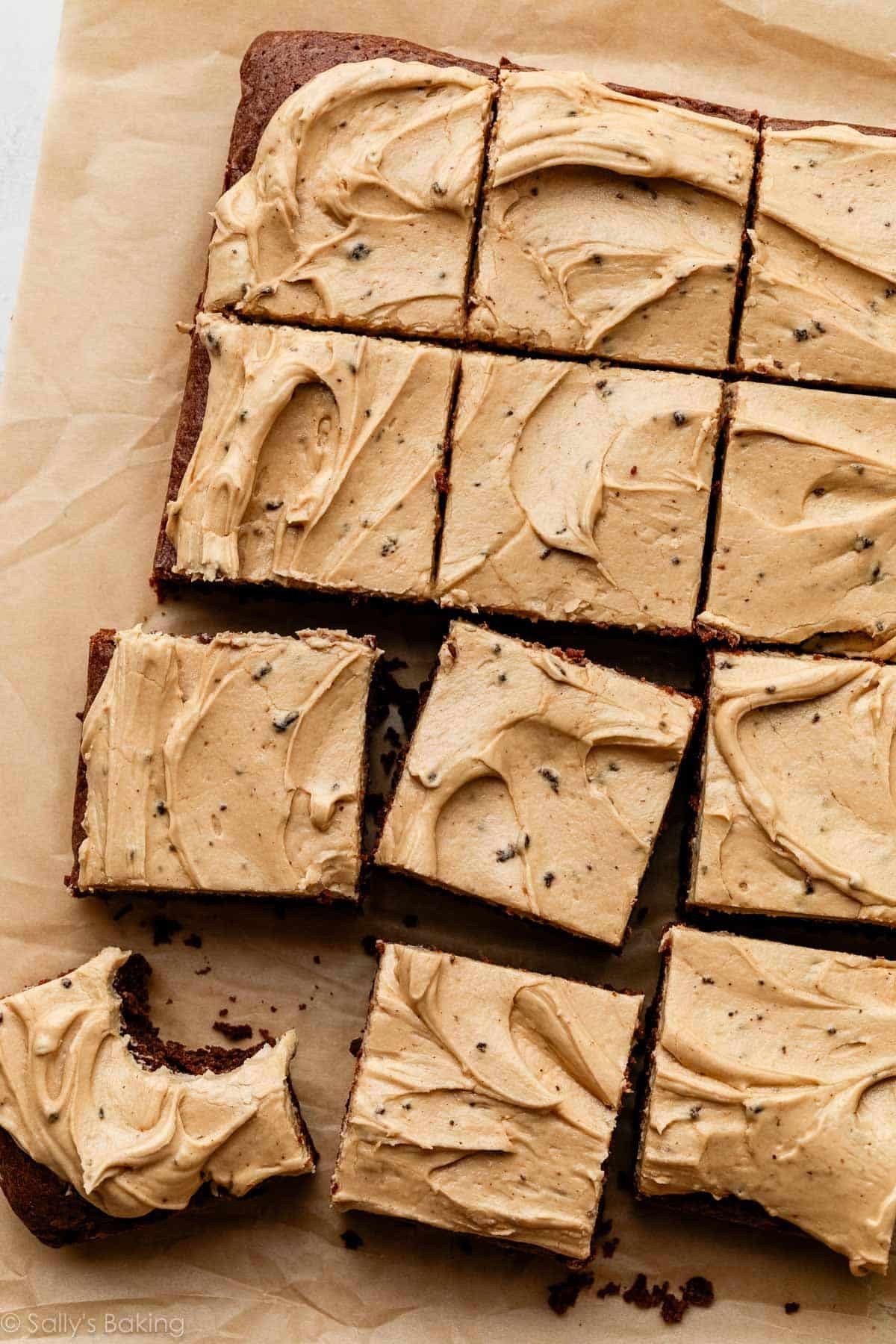
While the brownies themselves offer a profound flavor experience, they are often elevated further by a complementary frosting. The Guinness frosting is a key component, designed to amplify the dessert’s sophistication. This creamy, subtly sweet topping is infused with additional reduced Guinness, a touch of espresso powder, and vanilla extract. The combination typically involves butter, powdered sugar, and a liquid component, in this case, the concentrated stout.
The flavor profile of the frosting is intricate and unique. The espresso powder intensifies the chocolate notes, mirroring the effect of coffee in many chocolate desserts, while the remaining reduced stout contributes its signature malty and caramelized nuances. The combination creates a complex, almost indefinable taste that harmonizes perfectly with the rich brownie base. It’s an understated elegance that enhances the overall experience without overwhelming the palate. The balance of sweetness from the powdered sugar with the slight bitterness and roasted notes from the espresso and stout creates a well-rounded and sophisticated finish.

Alternative toppings could include classic vanilla bean ice cream, freshly whipped cream, or a mocha whipped cream for an added layer of coffee-chocolate fusion. However, the bespoke Guinness frosting remains the preferred choice for those seeking the full, intended flavor spectrum of this sophisticated dessert, embodying the spirit of its unique creation.
Expert Endorsement and Consumer Reception
"The trend of incorporating stouts into desserts, particularly around St. Patrick’s Day, represents a brilliant evolution in holiday baking," stated Dr. Eleanor Vance, a renowned food historian and culinary consultant at the Institute of Gastronomic Studies. "Guinness, with its roasted barley notes, naturally complements chocolate, offering a depth that plain cocoa simply cannot achieve. The technique of reducing the stout is crucial here, transforming a beverage into a potent flavor essence without altering the dessert’s desired texture. It’s a testament to thoughtful ingredient pairing and precise execution, showcasing how traditional elements can be reinterpreted for modern palates."
Consumer feedback on these brownies has consistently highlighted their unique appeal. Many report initial skepticism about "beer brownies" quickly giving way to surprise and delight at the complex, non-alcoholic-tasting flavor profile. "I was hesitant, but these are truly incredible," remarked Sarah J., a home baker from Dublin, Ohio, who frequently seeks out innovative recipes. "The chocolate is so much richer, and the frosting adds this amazing, subtle maltiness. You wouldn’t know it’s Guinness unless you were told, and that’s the genius of it." This sentiment, echoed by numerous online reviews and social media mentions, underscores the success of the recipe in bridging the gap between an adventurous ingredient and broad appeal. The recipe’s viral moments on platforms like Pinterest and Instagram, particularly leading up to St. Patrick’s Day, further confirm its widespread adoption and enthusiastic reception.

Broader Implications for Home Baking and Seasonal Celebrations
The enduring popularity and recent update of the Guinness brownie recipe signal a broader trend in home baking: a move towards more sophisticated flavor profiles and a willingness to experiment with unconventional ingredients. It encourages home bakers to explore beyond traditional recipes, embracing techniques like liquid reduction to unlock new dimensions of flavor. For St. Patrick’s Day celebrations, these brownies offer a refined alternative or addition to classic Irish fare, providing a modern twist on festive culinary traditions. They represent a dessert that is both celebratory and gourmet, appealing to a wide range of tastes.
Furthermore, the recipe’s success reinforces the idea that innovative baking often lies in understanding how ingredients interact on a molecular level. The careful balance between stout’s roasted notes and chocolate’s bitterness, combined with the fudgy texture, creates a sensory experience that is both comforting and exciting. As consumers continue to seek out unique and high-quality food experiences, recipes like the Guinness brownie will likely continue to lead the charge, inspiring creativity in kitchens worldwide. The meticulous attention to detail, from ingredient selection to the crucial reduction step, positions these brownies as more than just a seasonal treat; they are a testament to the art and science of baking. This culinary innovation also serves as an example of how traditional brands, such as Guinness, can successfully integrate into new product categories and consumer experiences, extending their cultural footprint beyond their primary offerings.
Frequently Asked Questions and Best Practices
Addressing common queries, the creators emphasize that the brownies do not taste overtly like beer; the stout’s role is strictly as a flavor enhancer. For optimal results, classic Guinness Draught stout is recommended, though other dark stouts may be used with slight variations in malt intensity. Skipping the reduction of Guinness is strongly advised against, as it directly impacts both flavor concentration and the crucial fudgy texture. For those seeking an entirely alcohol-free option, non-alcoholic stout-style beers can serve as a viable substitute, maintaining a similar flavor profile without the alcohol content, though a slight variation in the final taste profile might be expected.
Determining doneness is also critical for achieving the perfect fudgy brownie. A toothpick inserted into the center should emerge with a few moist crumbs attached, indicating a perfectly baked interior—neither raw nor dry. Overbaking is a common pitfall that can lead to a crumbly, dry texture, diminishing the desired fudginess. Brownies, unlike cakes, continue to set as they cool, so removing them slightly underdone ensures maximum moisture and density. The specific baking time can vary depending on oven calibration and pan material, necessitating careful monitoring.
The Guinness brownie, therefore, stands as a prime example of culinary innovation, transforming a holiday staple into a sophisticated dessert that challenges perceptions and delights palates. Its sustained popularity and thoughtful evolution cement its place as a significant contribution to contemporary baking, particularly within the realm of festive and gourmet confectionery.
