

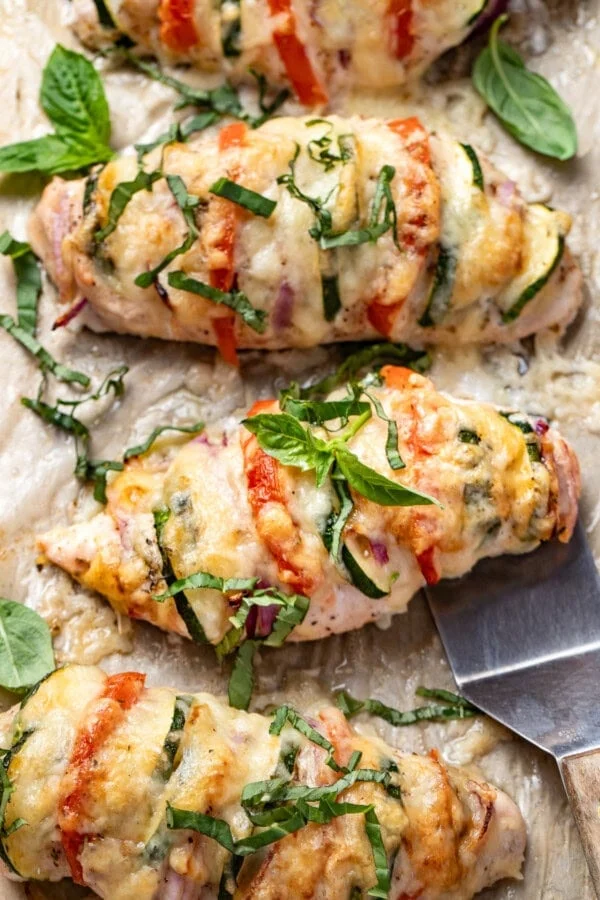
The culinary landscape is consistently evolving, driven by consumer demand for meals that combine health, convenience, and exceptional flavor. A recent innovation capturing attention in home kitchens is the Hasselback Chicken Primavera, a high-protein, vegetable-rich dish that streamlines meal preparation onto a single sheet pan. This inventive adaptation of classic Italian primavera flavors, presented through the visually appealing Hasselback technique, offers a compelling solution for busy individuals seeking nutritious and delicious weeknight dinners. It marks a significant trend in modern gastronomy, emphasizing efficiency without compromising on nutritional value or gourmet appeal.

The genesis of the Hasselback technique dates back to the 1940s at the Hasselbacken Hotel in Stockholm, Sweden, where it was originally applied to potatoes. The method involves making multiple thin, evenly spaced cuts across an item, without slicing all the way through, allowing for a fan-like expansion during cooking. This not only creates a striking visual presentation but also maximizes surface area for seasoning and flavor absorption, while ensuring even cooking. Over the decades, culinary innovators have extended this technique beyond potatoes, applying it to various vegetables and meats. Its application to chicken breasts, as seen in the Hasselback Chicken Primavera, represents a logical progression, transforming a typically plain protein into a vessel for vibrant fillings and enhanced juiciness. This method allows ingredients such as mozzarella, zucchini, tomato, and red onion to be nestled within the chicken, infusing it with flavor from the inside out and contributing to a moist, tender result.

The term "Primavera," Italian for "spring," traditionally denotes a pasta dish generously adorned with fresh, seasonal vegetables. This culinary concept celebrates the bounty of the spring harvest, typically featuring a medley of bright, crisp produce often tossed in a light sauce. The Hasselback Chicken Primavera ingeniously reinterprets this classic, shifting the focus from carbohydrates to a protein-centric main course. By stuffing chicken breasts with quintessential primavera vegetables—zucchini, ripe tomatoes, and pungent red onion—and complementing them with creamy mozzarella, the dish retains the fresh, vibrant essence of its namesake while significantly boosting its protein content. This adaptation aligns perfectly with contemporary dietary trends that prioritize lean protein and abundant vegetables, offering a satisfying and nutritionally dense meal without the reliance on pasta. Culinary experts have noted that such innovations are vital for keeping traditional dishes relevant in modern health-conscious diets, providing familiar flavors in novel, healthier formats.

The rise of sheet pan dinners stands as one of the most significant culinary trends of the past decade, driven primarily by the pursuit of convenience. A 2023 survey by Food Trends Institute revealed that 78% of home cooks prioritize minimal cleanup as a key factor in their weeknight meal choices, with sheet pan recipes consistently ranking among the top solutions. The Hasselback Chicken Primavera epitomizes this trend. By consolidating the main protein and vegetables onto a single baking sheet, it drastically reduces preparation time and post-meal cleanup, making it an ideal choice for busy households. The beauty of sheet pan cooking lies in its simplicity: ingredients are seasoned, arranged, and baked simultaneously, allowing flavors to meld beautifully while requiring minimal active supervision. This method not only simplifies the cooking process but also ensures that the chicken cooks alongside its vegetable accompaniments, absorbing their essences and contributing to a cohesive, flavorful dish.

From a nutritional standpoint, the Hasselback Chicken Primavera is exemplary. Each serving, typically one chicken breast, delivers approximately 307 kcal, with an impressive 44 grams of protein. Carbohydrate content is kept low at around 5.2 grams, alongside 11.5 grams of fat (4 grams saturated), 139.5 mg cholesterol, and 661 mg sodium. The inclusion of zucchini and tomato provides essential vitamins, minerals, and dietary fiber (around 1 gram), contributing to satiety and digestive health. Nutritionists frequently advocate for high-protein meals as they promote fullness, aid in muscle repair and growth, and can be instrumental in weight management strategies. Dr. Evelyn Reed, a leading dietary expert, stated in a recent symposium, "Dishes like the Hasselback Chicken Primavera are perfect examples of how to integrate significant protein with nutrient-dense vegetables, offering a balanced meal that supports overall well-being without feeling restrictive. The fiber and lean protein combination is a powerful tool for maintaining energy levels and satiety."

The appeal of this dish extends beyond its nutritional benefits and ease of preparation to its versatility. While the core recipe features zucchini, tomato, red onion, and mozzarella, it is highly adaptable to various palates and seasonal availability. Home cooks can experiment with different vegetables such as bell peppers, asparagus, spinach, or mushrooms. Cheeses like provolone, feta, or even a dairy-free alternative can replace mozzarella. A sprinkle of fresh herbs like basil, oregano, or thyme before baking can elevate the aromatic profile. Furthermore, incorporating a side of quinoa or a light whole-grain pasta for those who desire a more traditional primavera experience, or a simple green salad, can round out the meal. This adaptability ensures that the dish can remain fresh and exciting throughout the year, encouraging creativity in the kitchen and minimizing meal fatigue.

The impact of such innovative recipes on the broader food industry is noteworthy. The increasing popularity of dishes that combine health, convenience, and culinary technique is prompting grocery retailers and food manufacturers to adapt. There is a growing demand for pre-chopped vegetables, pre-marinated chicken, and high-quality artisanal cheeses, all designed to further reduce prep time for the home cook. Food bloggers and recipe developers, such as Gina from Skinnytaste, who champions healthy, accessible recipes, play a crucial role in disseminating these trends. Their platforms become vital conduits for culinary education, inspiring millions to embrace healthier eating habits without sacrificing flavor or enjoyment. The success of "high-protein" themed cookbooks and online recipe collections underscores a sustained consumer interest in nutritious, yet practical, meal solutions.

Looking ahead, the Hasselback Chicken Primavera serves as a microcosm of the future direction of home cooking. It embodies a culinary philosophy that values both efficiency and nutritional integrity, proving that healthful eating can be both simple and gourmet. As consumers continue to navigate increasingly busy lifestyles, the demand for inventive, one-pan solutions that deliver on flavor and health benefits will only intensify. The technique of Hasselback, the freshness of Primavera, and the practicality of sheet pan cooking converge in this dish to offer a compelling model for future culinary innovations. It underscores a collective desire for meals that nourish the body, delight the senses, and simplify the daily routine, thereby contributing to a more sustainable and enjoyable approach to home dining.
