


Eggs in Purgatory, or "uova in purgatorio" as it’s known in its native Italy, is a deceptively simple yet profoundly satisfying dish that has captured the attention of home cooks worldwide. This one-pan wonder features eggs gently poached in a rich, savory, and often garlicky tomato sauce, a culinary metaphor for souls finding their place amidst the fiery depths of purgatory. The true magic of this dish lies in its rustic charm, its ease of preparation, and its inherent versatility, making it a perfect candidate for weeknight dinners, leisurely brunches, or even a comforting late-night meal.
The allure of Eggs in Purgatory extends beyond its evocative name. Its appeal is rooted in the fundamental pleasure of well-executed comfort food. The vibrant red of the tomato sauce, simmered to a deep, flavorful consistency, cradles the delicate, perfectly cooked eggs. The runny yolks act as a luxurious sauce enhancer, while the firm whites provide a delightful textural contrast. Crucially, the dish is designed to be enjoyed with generous amounts of crusty bread, essential for soaking up every last drop of the flavorful sauce – a practice that underscores its humble origins and its focus on maximizing every ingredient.
Understanding the distinction between Eggs in Purgatory and its well-known cousin, Shakshuka, provides further insight into its unique identity. While both dishes involve eggs poached in a tomato-based sauce, their flavor profiles and ingredient compositions diverge. Shakshuka, with roots in North African cuisine, typically incorporates a more robust spice blend, often featuring cumin and paprika, and frequently includes bell peppers, lending it a distinctly different, though equally delicious, character. Eggs in Purgatory, in contrast, leans into a more straightforward Italian sensibility, often emphasizing garlic, herbs, and a pure, unadulterated tomato flavor. This distinction allows for a cleaner, more focused taste experience that highlights the simplicity of its core components.

The history of Eggs in Purgatory, while not precisely documented with a specific date of origin, is deeply embedded in the traditions of Italian home cooking. It likely evolved as a resourceful way to transform pantry staples – canned tomatoes, garlic, eggs, and stale bread – into a hearty and flavorful meal. The name itself, "uova in purgatorio," is a testament to the Italian penchant for storytelling through food, imbuing everyday dishes with symbolic meaning. The "purgatory" refers to the simmering red sauce, reminiscent of the cleansing fires, while the eggs represent the souls undergoing transformation. This symbolic layer adds a touch of culinary poetry to an otherwise practical dish.
The increasing popularity of Eggs in Purgatory in contemporary kitchens can be attributed to several factors. In an era where time is a precious commodity, its one-pan nature significantly reduces cleanup. Furthermore, its adaptability to various dietary preferences and ingredient availability makes it a universally appealing choice. Whether one opts for a vegetarian rendition or incorporates additions like Italian sausage or leafy greens, the fundamental appeal of the dish remains intact. The global surge in interest in international cuisines has also played a role, with home cooks and chefs alike seeking out authentic and flavorful dishes from around the world. The inherent deliciousness and comforting nature of Eggs in Purgatory naturally propelled it into the spotlight.
Reasons to Embrace Eggs in Purgatory
The compelling reasons to incorporate Eggs in Purgatory into one’s culinary repertoire are numerous and varied. At its core, the dish is a testament to the power of simplicity. It requires minimal culinary expertise, making it an ideal entry point for novice cooks. The "one-pan" aspect is a significant draw for busy individuals and families, as it drastically simplifies the cooking and cleaning process. Imagine the satisfaction of preparing a flavorful, visually appealing meal with minimal dishes to wash – a dream for many.
Furthermore, the economic efficiency of Eggs in Purgatory cannot be overstated. The primary ingredients – eggs, tomatoes, garlic, and bread – are generally affordable and readily available in most households. This makes it a budget-friendly option for feeding a family or a group of friends without compromising on taste or satisfaction. The dish’s ability to be customized with a wide array of additions also allows for creative utilization of leftover ingredients, further enhancing its value proposition.

The nutritional profile of Eggs in Purgatory, when prepared with fresh ingredients, can also be quite favorable. Eggs are a fantastic source of high-quality protein, essential vitamins, and minerals. Tomatoes provide a good dose of Vitamin C and antioxidants like lycopene. When combined with the potential addition of vegetables like spinach, kale, or bell peppers, the dish can become a nutrient-dense meal. The inclusion of whole-grain bread for dipping can also contribute valuable fiber.
Distinguishing Eggs in Purgatory from Shakshuka
While both Eggs in Purgatory and Shakshuka share the fundamental concept of eggs poached in a tomato sauce, understanding their differences offers a deeper appreciation for each dish’s unique culinary identity. Shakshuka, originating from the Middle East and North Africa, is characterized by its robust spice profile. Common additions include cumin, paprika, and sometimes chili flakes, which impart a warm, smoky, and slightly spicy flavor. The inclusion of bell peppers, often sautéed with onions and garlic as a base, adds sweetness and a distinct texture. This combination creates a more complex and layered flavor experience.
Eggs in Purgatory, rooted in Italian culinary traditions, tends to favor a more minimalist approach. The emphasis is on the purity of the tomato flavor, often enhanced by generous amounts of garlic. While herbs like basil and parsley are frequently used for freshness, the spice palette is generally less pronounced than in Shakshuka. The visual presentation of Eggs in Purgatory often features a smoother, more homogeneous tomato sauce, allowing the vibrant yolks of the poached eggs to stand out. This focus on simplicity and the quality of the core ingredients defines the Italian version of this comforting dish.
Tips and Tricks for Culinary Success
Achieving perfection in Eggs in Purgatory is remarkably straightforward, but a few key tips can elevate the dish from good to exceptional. The quality of the tomatoes used for the sauce is paramount. While high-quality canned crushed tomatoes or passata can yield excellent results, using fresh, ripe tomatoes when in season will impart an unparalleled depth of flavor. A slow simmer for the tomato sauce is crucial to allow the flavors to meld and deepen. Rushing this step can result in a less developed taste.

When poaching the eggs, it is essential to control the heat. A gentle simmer, rather than a rolling boil, will ensure that the egg whites cook evenly without becoming rubbery, while the yolks remain perfectly runny. Creating small wells in the simmering sauce for each egg helps them to cook uniformly. Covering the pan for the last few minutes of cooking can help to steam the tops of the eggs, ensuring they are cooked through to your desired consistency.
Pro Tip: Strategic Sauce Preparation
A game-changing strategy for preparing Eggs in Purgatory is to make the tomato sauce ahead of time. This "pro tip" offers significant advantages, particularly for busy individuals or those who enjoy meal prepping. The rich, savory tomato sauce can be prepared up to three days in advance and stored in an airtight container in the refrigerator. This allows the flavors to deepen and mature further, often resulting in an even more delicious base.
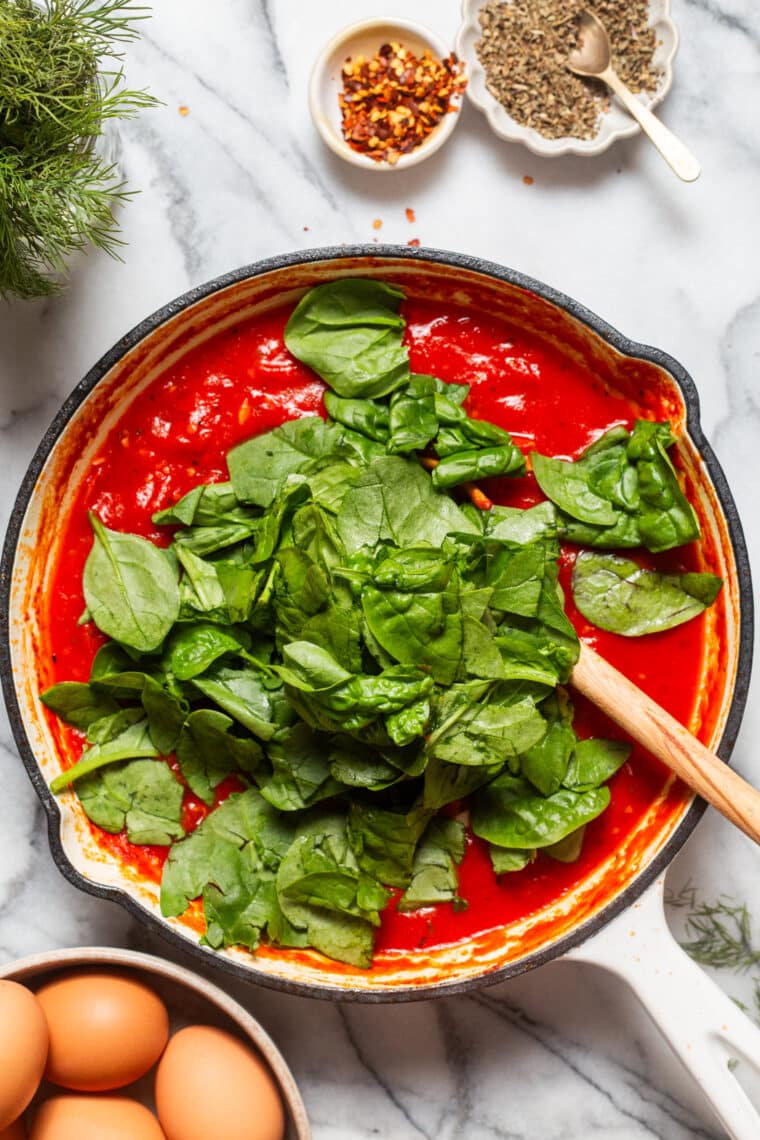
When ready to serve, the pre-made sauce can be gently reheated in the same pan. Once it reaches a simmer, any added ingredients like spinach or the eggs themselves can be introduced. This not only saves time during the cooking process but also allows for a more relaxed and enjoyable meal preparation experience. The ability to have a flavorful sauce ready to go transforms the dish from a time-consuming endeavor to a quick and effortless meal.
Variations and Mix-Ins for Endless Possibilities
The inherent versatility of Eggs in Purgatory is one of its most celebrated attributes. The foundational recipe serves as an excellent canvas for a multitude of creative additions, allowing for endless flavor combinations and adaptations to suit individual preferences and available ingredients.
-
Meaty Delights: For those seeking a heartier dish, the incorporation of cooked meats can elevate the experience. Crumbled Italian sausage, whether sweet or spicy, offers a robust flavor profile. Diced pancetta or bacon, rendered crispy, adds a salty, smoky dimension. These additions can be sautéed before the sauce is added, allowing their rendered fat to contribute to the sauce’s richness.
-
Briny Accents: Olives and capers introduce a welcome briny counterpoint to the richness of the sauce. Black or green olives, pitted and halved, or a tablespoon of briny capers, can add a sophisticated tang that cuts through the tomato base.
-
Hearty Additions: For a more substantial and protein-rich meal, consider adding legumes. Cannellini beans, with their creamy texture, or chickpeas, offering a slightly firmer bite, can be stirred into the simmering sauce, providing both sustenance and texture.
-
Vegetable Medley: The dish readily accommodates a variety of vegetables. Sautéed bell peppers, zucchini, mushrooms, or eggplant can be added to the sauce base, contributing sweetness, earthiness, and additional nutrients.

-
Leafy Greens: A handful of fresh leafy greens is a classic and highly recommended addition. Spinach wilts down beautifully into the sauce, adding a touch of color and a boost of vitamins. Kale, collard greens, or Swiss chard offer a slightly more robust texture and flavor. Even peppery arugula can be stirred in at the very end for a fresh, vibrant finish.
-
Aromatic Herbs: The final flourish of fresh herbs is essential for brightening the dish. Basil and parsley are traditional choices, offering classic Italian flavors. Other herbs like thyme, rosemary, dill, or chives can also be used to impart unique aromatic qualities, depending on the desired flavor profile.
Frequently Asked Questions
What can I substitute for the spinach?
Kale, collard greens, Swiss chard, and arugula are all excellent substitutes for spinach. They offer similar nutritional benefits and complement the tomato sauce beautifully, though they may require slightly longer cooking times depending on their toughness.
Can I make Eggs in Purgatory ahead of time?
Yes, the tomato sauce base (without spinach and eggs) can be made up to three days in advance and stored in an airtight container in the refrigerator. Reheat the sauce gently to a simmer before adding the spinach and cracking in the eggs.

How can I store leftovers?
Leftovers can be stored in an airtight container in the refrigerator for 3-4 days. For optimal quality, it is recommended to store the cooked eggs and the tomato sauce separately, as the texture of the eggs can degrade over time. Reheat gently before serving.
