

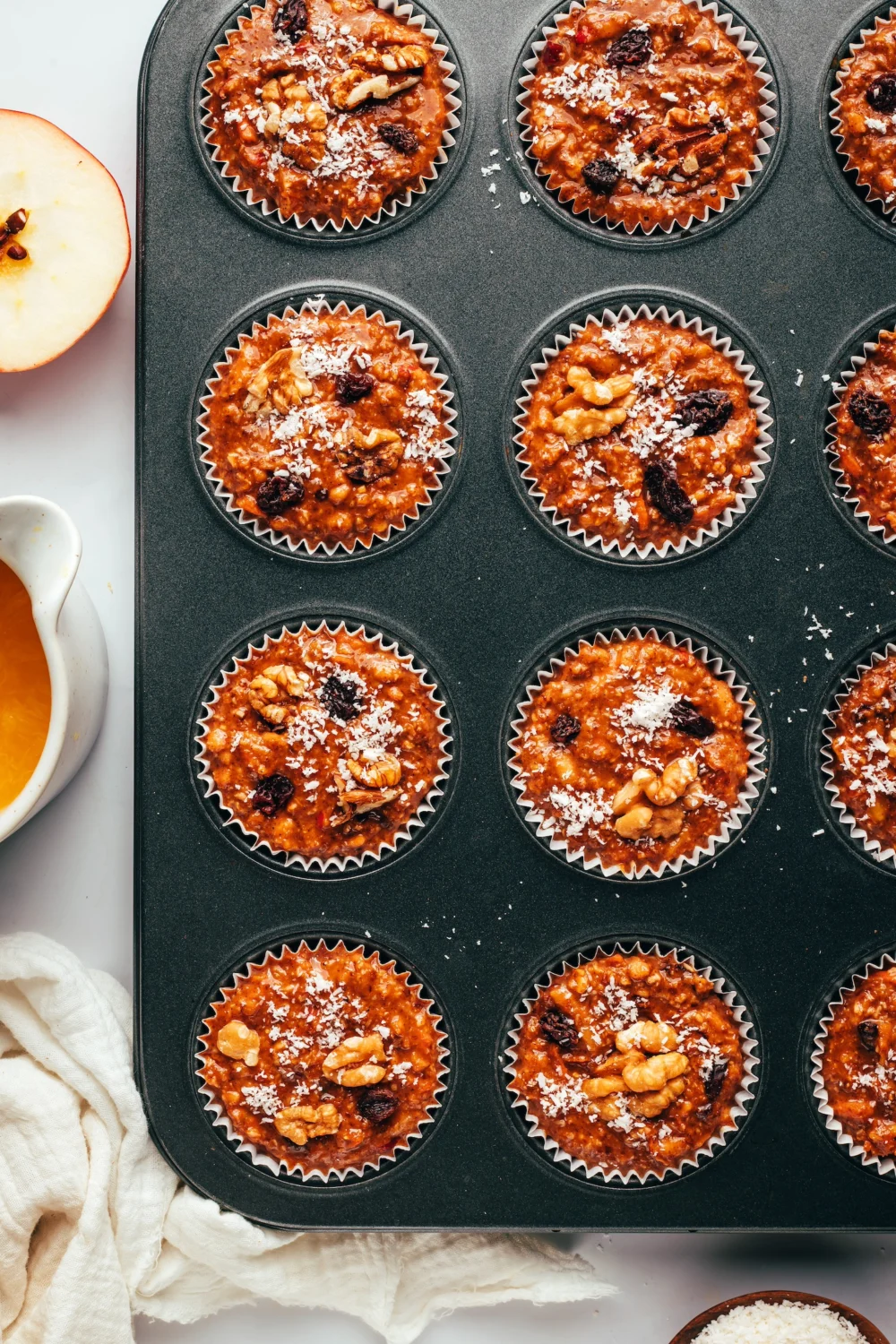
The emergence of the vegan and gluten-free Morning Glory Muffin, as popularized by platforms like Minimalist Baker, represents a significant milestone in contemporary culinary development, marrying a beloved classic with the escalating demands for dietary inclusivity and health-conscious consumption. This modern adaptation transforms the traditional muffin into a tender, wholesome, and satisfying treat, meticulously crafted to be free from animal products and gluten, yet retaining its characteristic lightly sweet, subtly spiced profile and rich inclusion of fruits, vegetables, and nuts. This innovative approach reflects a broader societal shift towards more adaptable and health-aware food choices, underscoring the ingenuity required to reformulate cherished recipes for a diverse palate.
The Storied Origin: A Nantucket Classic
To fully appreciate the modern iteration, one must first acknowledge the enduring legacy of the original Morning Glory Muffin. The classic treat was first conceived in 1978 by Chef Pam McKinstry at her Morning Glory Cafe in Nantucket, Massachusetts. McKinstry’s creation quickly garnered acclaim for its unique blend of robust flavors and nutritious ingredients, distinguishing it from many of its more simplistic muffin counterparts. The original recipe was a hearty affair, typically featuring wheat flour, sugar, eggs, and vegetable oil as its foundational elements. What truly made it "morning glory" were the abundant additions: shredded coconut, plump raisins, finely grated apples and carrots, succulent pineapple chunks, and a generous scattering of pecans or walnuts, all harmonized with a warm dash of cinnamon. This combination resulted in a muffin that was both indulgent and perceived as "wholesome" for its era, quickly becoming a staple in American bakeries and homes, and eventually earning a place in culinary history, including a feature in the New York Times in the early 1980s. Its enduring popularity solidified its status as a breakfast and snack time favorite, setting a high bar for any subsequent adaptations.

Navigating the Modern Dietary Landscape
The culinary world has undergone a profound transformation since the late 1970s, driven by increased awareness of health, ethics, and environmental sustainability. Two of the most impactful dietary shifts have been the rise of veganism and the widespread adoption of gluten-free diets.
The global vegan food market, once a niche segment, has experienced exponential growth. Valued at approximately USD 26.1 billion in 2021, it is projected to reach USD 61.3 billion by 2028, according to reports by Statista. This surge is fueled by a confluence of factors, including ethical concerns regarding animal welfare, a growing understanding of the environmental impact of animal agriculture, and a burgeoning body of research highlighting the health benefits of plant-based diets, such as reduced risk of heart disease, type 2 diabetes, and certain cancers. Consumers are increasingly seeking plant-based alternatives that do not compromise on taste or texture, pushing innovators to develop sophisticated vegan versions of traditional foods.
Concurrently, the gluten-free movement has also expanded dramatically. Celiac disease, an autoimmune condition triggered by gluten, affects approximately 1% of the global population, while non-celiac gluten sensitivity is estimated to impact a larger segment, potentially between 6-10%. This has propelled the gluten-free market to significant dimensions, with market research firm Grand View Research estimating its value at USD 6.4 billion in 2022, with projections for continued growth. For individuals managing these conditions, the availability of safe and palatable gluten-free options is not merely a preference but a medical necessity. The challenge for bakers has been to replicate the desirable elasticity and texture imparted by gluten using alternative flours, often resulting in products that can be dense, crumbly, or gummy if not expertly formulated.

Beyond these specific dietary requirements, there is a broader consumer demand for "wholesome" foods—items that are naturally sweetened, minimally processed, and rich in fiber, vitamins, and minerals. This holistic approach to eating has created a fertile ground for recipes that bridge the gap between indulgence and nutritional value.
Minimalist Baker’s Innovative Adaptation: A Case Study in Inclusivity
In response to these evolving consumer preferences, culinary platforms like Minimalist Baker have stepped forward as pioneers in inclusive recipe development. Their vegan and gluten-free Morning Glory Muffin recipe stands as a testament to this innovation, strategically swapping traditional ingredients for plant-based and gluten-free alternatives without sacrificing the muffin’s iconic character.
The reformulation begins with the flour blend. Instead of conventional wheat flour, the recipe employs a combination of oat flour and potato starch. Oat flour, derived from whole oats, provides a robust, wholesome flavor and contributes significant dietary fiber, particularly beta-glucan, known for its heart-healthy benefits and ability to promote satiety. In gluten-free baking, oat flour offers a desirable structure and a moist crumb. Potato starch, on the other hand, is a fine, white powder that acts as a tenderizer and provides lightness to gluten-free baked goods, counteracting the potential denseness often associated with alternative flours. This specific blend avoids common gluten-free pitfalls and also bypasses almond flour, a frequent ingredient in gluten-free baking, which can be an allergen for some and alter the texture significantly.

For the vegan aspect, the recipe cleverly replaces eggs with a "flax egg"—a mixture of ground flaxseed meal and orange juice. When combined, the flaxseed meal absorbs liquid and forms a gelatinous consistency, mimicking the binding and emulsifying properties of eggs. The orange juice not only contributes to this binding action but also adds a subtle citrus brightness that complements the other fruit and spice notes. This plant-based binder ensures the muffins remain moist and cohesive without any animal products.
Sweetening is achieved with natural alternatives, aligning with the wholesome food trend. While the specific sweetener isn’t detailed in the provided text, the emphasis on "naturally sweet" suggests ingredients like coconut sugar or maple syrup, which offer a lower glycemic index compared to refined white sugar and contribute a richer flavor profile. Similarly, avocado oil is a preferred fat, known for its neutral flavor and heart-healthy monounsaturated fats, replacing less beneficial vegetable oils.
The core essence of the Morning Glory Muffin—its rich bounty of fruits, vegetables, and nuts—is not only preserved but celebrated in this adaptation. Shredded apples and carrots infuse the muffins with natural sweetness, moisture, and essential vitamins (Vitamin A from carrots, Vitamin C from apples) and fiber. Raisins provide bursts of concentrated sweetness and antioxidants. Shredded coconut adds a tropical note, healthy fats, and additional fiber. Walnuts contribute a satisfying crunch, healthy omega-3 fatty acids, and protein, enhancing the muffin’s overall nutritional density and making it a truly satisfying snack or breakfast option.
A key practical innovation highlighted is the "1-bowl" preparation method. In today’s fast-paced world, convenience is paramount for home cooks. Recipes that minimize cleanup and streamline the baking process are highly valued. The "1-bowl" approach makes this wholesome and inclusive muffin accessible even to those with limited time or baking experience, further democratizing healthy eating.

The Science of Texture and Flavor in Inclusive Baking
The success of a reformulated recipe, especially in vegan and gluten-free categories, hinges on meticulous culinary engineering. Achieving the desired texture—tender, moist, and not crumbly—is often the greatest challenge. The chosen blend of oat flour and potato starch is critical here. Oat flour provides a robust structure and a pleasant chewiness, while potato starch ensures a delicate, airy crumb, preventing the muffin from becoming overly dense, a common issue with many gluten-free flours.
The flaxseed meal acts as a hydrophilic agent, absorbing moisture and creating a gel-like matrix that binds the ingredients. This is crucial in the absence of gluten, which typically provides the structural network in traditional baked goods. The natural moisture from the grated apples and carrots further contributes to the muffin’s tender crumb, preventing dryness.
Flavor-wise, the "subtly spiced" description points to the careful use of cinnamon and possibly other warming spices that complement the natural sweetness of the fruits and nuts without overpowering them. The orange juice not only aids in binding but also brightens the overall flavor profile, adding a zesty counterpoint to the earthy notes of the whole grains and nuts. The interplay of these ingredients creates a complex, satisfying flavor that echoes the original classic while presenting a fresh, modern appeal.

Market Impact and Broader Implications
The growing popularity of recipes like the Vegan Gluten-Free Morning Glory Muffin carries significant implications for the food industry and consumer behavior. It signifies a maturation of the market for dietary-specific products, moving beyond mere functional substitutes to genuinely delicious and appealing options.
Increased Accessibility: These recipes make healthy and dietary-inclusive eating more accessible and enjoyable. Individuals with specific dietary restrictions no longer have to feel deprived of classic comfort foods; instead, they can partake in equally delicious and often more nutritious versions. This contributes to better adherence to dietary plans and overall well-being.
Food Industry Innovation: The success of platforms like Minimalist Baker encourages larger food manufacturers and restaurant chains to invest in developing and offering similar inclusive products. This drives innovation in ingredient sourcing, product development, and manufacturing processes, leading to a wider array of high-quality vegan and gluten-free options on supermarket shelves and restaurant menus. Food industry analysts observe a consistent upward trend in consumer demand for products that offer both indulgence and health benefits, pushing companies to adapt their portfolios.

Empowering Home Bakers: Online recipe resources play a pivotal role in empowering home bakers. By providing well-tested, easy-to-follow recipes, they enable consumers to take control of their diets, experiment with new ingredients, and create nourishing meals and treats tailored to their specific needs. The "1-bowl" aspect, in particular, caters to the desire for efficiency without sacrificing homemade quality.
Health and Environmental Benefits: From a public health perspective, the shift towards plant-rich, gluten-free baking can contribute to improved dietary outcomes across populations. Increased consumption of fruits, vegetables, whole grains, and nuts means higher intake of fiber, vitamins, minerals, and antioxidants, while reducing exposure to common allergens and potentially less healthy fats and refined sugars. Furthermore, the vegan nature of the recipe aligns with growing environmental consciousness, as plant-based diets generally have a lower carbon footprint compared to animal-product-heavy diets. Dietitians frequently advocate for recipes that seamlessly integrate plant-based ingredients and whole grains, making healthier eating choices more appealing and less daunting for a wider population.
Culinary Evolution: This adaptation of the Morning Glory Muffin is not an isolated incident but part of a larger culinary evolution. It demonstrates that traditional dishes are not immutable but can be reinterpreted to meet contemporary needs and values. This spirit of innovation is likely to continue, leading to even more creative and inclusive culinary offerings in the future, where taste, health, and ethical considerations are harmoniously integrated.
In conclusion, the Vegan Gluten-Free Morning Glory Muffin is far more than just a recipe; it is a delicious embodiment of modern culinary progress. It stands as a vibrant example of how tradition can be respectfully reimagined to align with current health trends, ethical considerations, and diverse dietary requirements. From its humble beginnings in a Nantucket cafe to its sophisticated reformulation for the modern kitchen, this muffin symbolizes a future where delectable food is accessible and beneficial for everyone, marking a significant stride in the journey towards truly inclusive and wholesome eating.
