

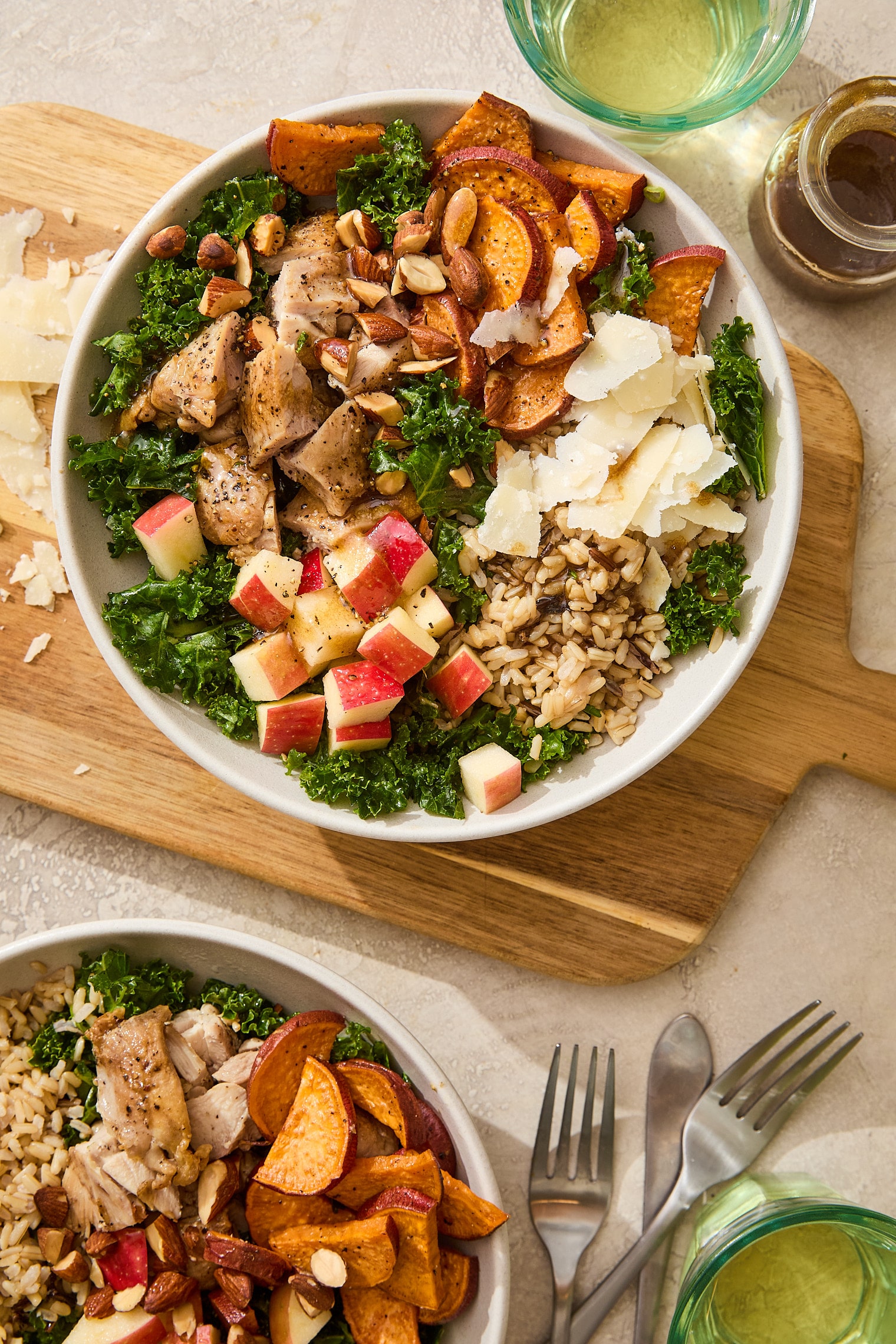
The "Chicken Harvest Bowl" is rapidly emerging as a significant trend in home-based meal preparation, offering a nutritious, budget-friendly, and customizable alternative to commercially prepared salads and bowls. This recipe, popularized by culinary blogger Chungah Rhee of Damn Delicious, showcases a harmonious blend of ingredients designed for both taste and practicality, with a particular emphasis on its meal-prep potential. The core components—kale, wild rice, chicken, and roasted sweet potatoes—are elevated by a homemade balsamic vinaigrette, creating a dish that rivals, and often surpasses, the quality and flavor of popular restaurant offerings.
The genesis of this recipe lies in the growing consumer demand for convenient, healthy, and cost-effective meal solutions. In an era where time is a precious commodity and grocery budgets are carefully managed, home cooks are increasingly seeking recipes that deliver maximum nutritional value and satisfaction with minimal fuss. The Chicken Harvest Bowl directly addresses these needs, providing a hearty and flavorful meal that can be prepared in advance, making it ideal for busy individuals and families. Its popularity can be attributed to its adaptability, allowing for ingredient substitutions and additions based on dietary preferences and seasonal availability, further cementing its appeal in the modern culinary landscape.
The Anatomy of a Satisfying Harvest Bowl
At the heart of the Chicken Harvest Bowl are carefully selected ingredients, each contributing to the dish’s overall appeal and nutritional profile:
Sweet Potatoes: A Nutrient-Dense Foundation
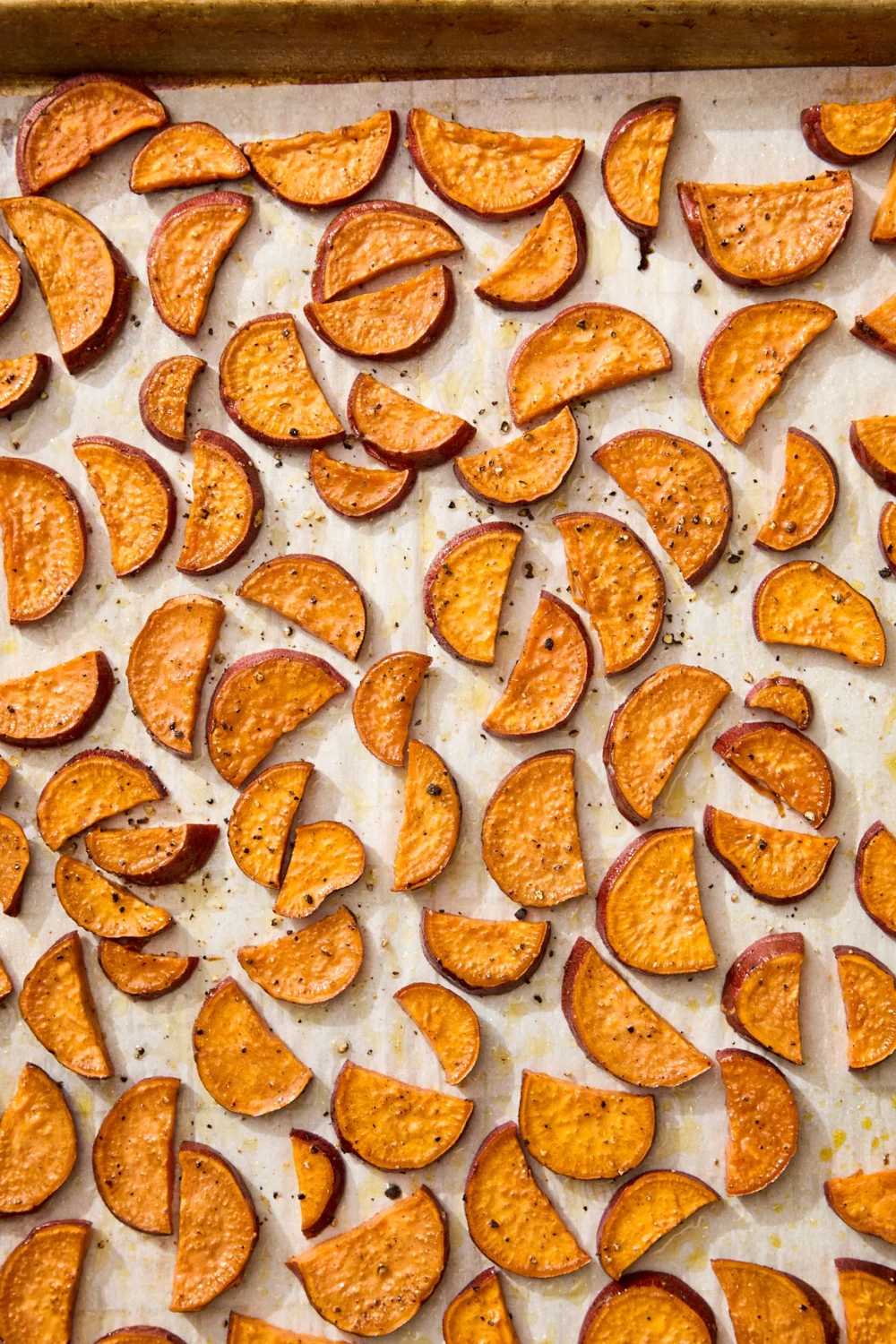
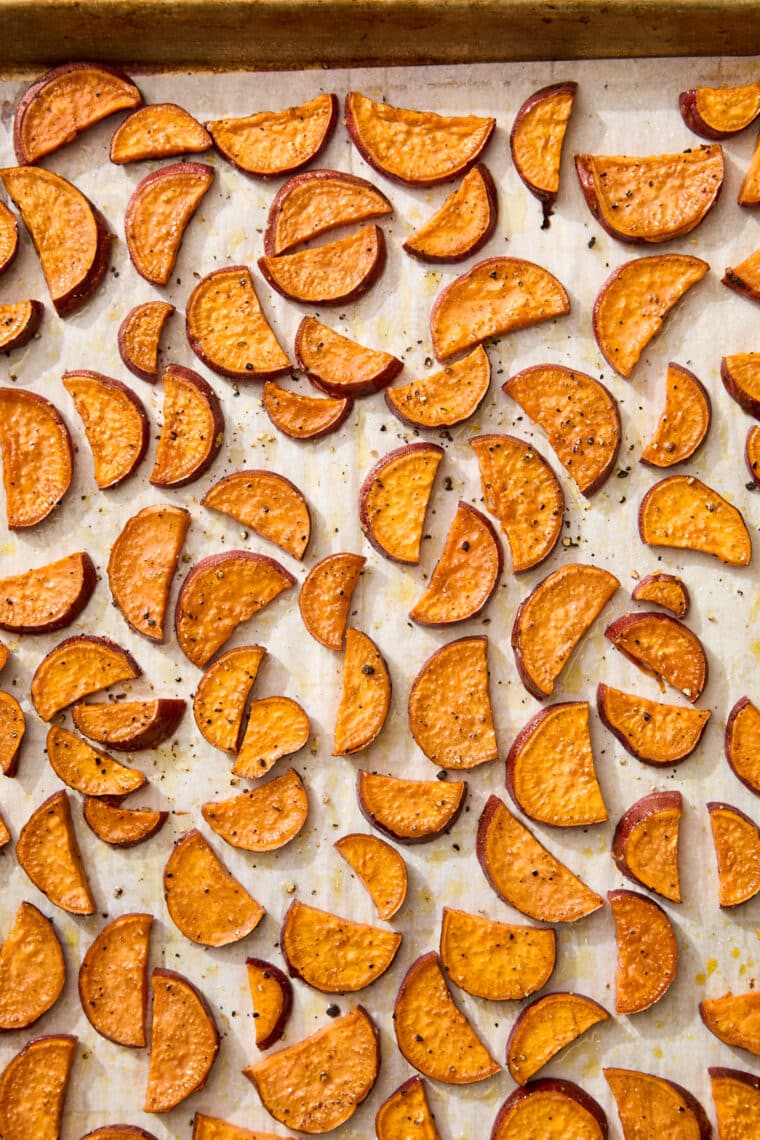
The inclusion of roasted sweet potatoes provides a naturally sweet and earthy base. Beyond their appealing flavor, sweet potatoes are a powerhouse of nutrients. A medium sweet potato (approximately 114 grams) contains about 4 grams of fiber, 2 grams of protein, and is an excellent source of Vitamin A (over 400% of the daily recommended intake), Vitamin C, and manganese. The recipe encourages leaving the skin on after thorough washing, maximizing the intake of fiber and essential vitamins and minerals. This approach aligns with a growing understanding of food waste reduction and the nutritional benefits derived from utilizing the entire vegetable.
Chicken: Versatile Protein Source
The recipe offers flexibility in chicken selection, recommending boneless, skinless chicken thighs for their superior juiciness and flavor due to a higher fat content. Alternatively, chicken breasts can be used. For ultimate convenience, pre-cooked rotisserie chicken is highlighted as an excellent option, significantly reducing preparation time. According to the USDA, 3 ounces of cooked chicken breast provides approximately 26 grams of protein and is a good source of niacin and selenium. Chicken thighs offer a similar protein content with a richer flavor profile.
Kale: The Sturdy, Nutrient-Rich Green
Kale, a cruciferous vegetable, serves as the robust leafy base of the bowl. Its resilience makes it an ideal candidate for meal prepping, as it holds up well without becoming wilted or soggy when dressed and stored. Kale is renowned for its exceptional nutritional density, being rich in Vitamins K, A, and C, as well as manganese and fiber. A cup of chopped raw kale provides over 200% of the daily recommended value for Vitamin A and over 130% for Vitamin C. The convenience of pre-washed and pre-chopped kale further enhances the recipe’s accessibility.
Grains: The Hearty Complement
The recipe suggests using any cooked grain or rice as a base, promoting versatility. Wild rice, as specified in the initial description, offers a chewy texture and a nutty flavor, along with a good source of fiber and protein, typically containing more protein and fiber per serving than white rice. Other grains like quinoa, farro, or even brown rice can be substituted, allowing individuals to tailor the bowl to their specific dietary needs and preferences.
Flavor Enhancers: Apple, Cheese, and Nuts
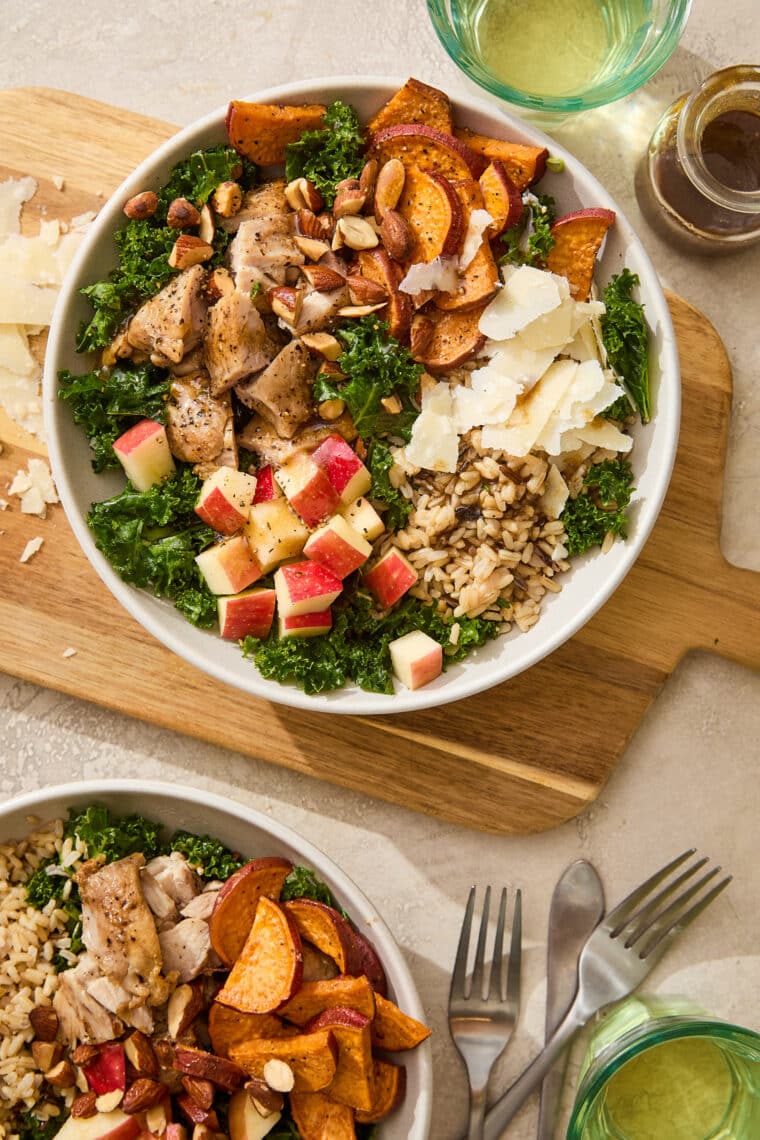
The addition of fresh apple, such as a Honeycrisp, Fuji, Pink Lady, or Gala variety, introduces a crisp sweetness and textural contrast. Apples are a good source of dietary fiber and Vitamin C. Shaved Parmesan cheese provides a salty, umami depth, though the recipe wisely suggests alternatives like goat cheese, feta, or cheddar, catering to a wider range of palates. For crunch, roasted and salted or raw chopped nuts like almonds, pecans, or walnuts are recommended. Almonds, for instance, are packed with Vitamin E, magnesium, and healthy fats.
The Balsamic Vinaigrette: The Unifying Element
A homemade honey balsamic vinaigrette is the linchpin of the Chicken Harvest Bowl. The recipe notes that this dressing can be prepared up to a week in advance and stored in the refrigerator, a key element for efficient meal prepping. A typical balsamic vinaigrette, when made with olive oil, balsamic vinegar, and a touch of honey or maple syrup, offers healthy monounsaturated fats from the olive oil and the natural sweetness of the honey. Making the dressing from scratch allows for control over the quality of ingredients and the balance of flavors, often resulting in a more vibrant and less processed taste than store-bought options.
Strategic Meal Preparation and Culinary Adaptations
The Chicken Harvest Bowl is specifically designed with meal preparation in mind. The inherent sturdiness of kale ensures it remains appealing even after several days in the refrigerator. The instruction to store the dressing separately is crucial to prevent the greens from becoming soggy. This foresight allows individuals to assemble multiple servings of the bowl at the beginning of the week, providing ready-to-eat, nutritious lunches or dinners.
Timeline for Meal Prep:
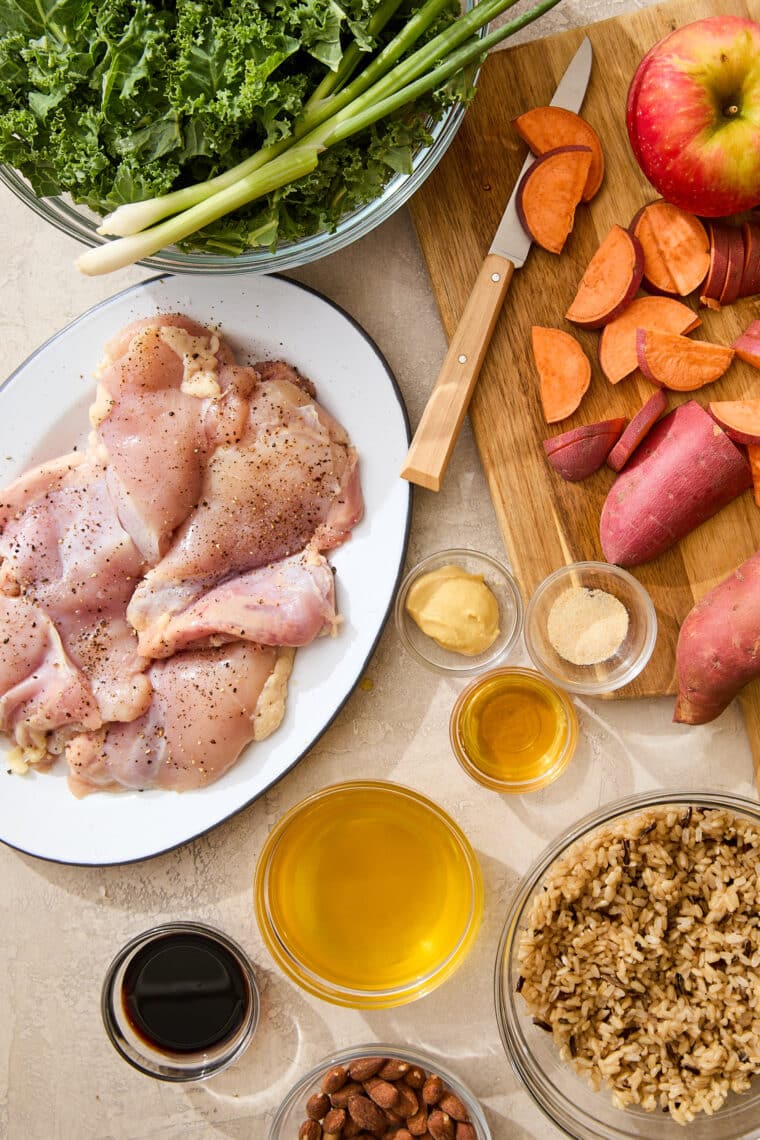
- Day 1 (Preparation): Roast sweet potatoes, cook grains (wild rice), prepare chicken (if not using rotisserie), and make the balsamic vinaigrette. Chop apples and nuts. Wash and chop kale.
- Day 2-5 (Assembly and Consumption): On the day of consumption or the evening prior, assemble the bowls by layering kale, grains, chicken, sweet potatoes, apple, nuts, and cheese. Dress just before serving or pack dressing separately.
Ingredient Flexibility and Nutritional Analysis
The recipe’s adaptability is a significant factor in its widespread appeal. The FAQ section addresses common queries, highlighting the interchangeability of chicken breasts with thighs and the possibility of grilling the chicken for an enhanced smoky flavor. For those seeking to increase their vegetable intake, roasted garlic Brussels sprouts are suggested as an excellent optional addition. This aligns with nutritional guidelines that advocate for a diverse range of vegetables in the diet. Brussels sprouts, like kale, are low in calories and rich in fiber and vitamins.
Substitutions for kale, such as spinach or arugula, are noted, with a caveat that these greens wilt more quickly, impacting their suitability for long-term meal prep. The grain options are also broad, extending to farro and other favored grains, allowing for a rotation of carbohydrate sources. The dressing’s shelf life of up to a week in an airtight container further supports the meal prep strategy.
Expert Insights and Culinary Significance
Chungah Rhee, the creator of Damn Delicious, established her platform in 2011 with a focus on accessible, time-efficient cooking. Her recipes, including the Chicken Harvest Bowl, have garnered widespread attention, frequently appearing in major media outlets. This recipe’s success can be seen as a reflection of contemporary culinary trends, where convenience, health, and flavor must coexist. The ability to replicate a popular restaurant-style dish at home for a fraction of the cost is a powerful draw for consumers navigating economic pressures.
The Chicken Harvest Bowl exemplifies a shift towards "conscious consumption" in food. It encourages an awareness of ingredient sourcing, nutritional value, and cost-effectiveness. By providing a detailed breakdown of components and offering practical tips for preparation and substitution, Rhee empowers home cooks to create balanced and satisfying meals. The "copycat" aspect of the recipe also speaks to a consumer desire for transparency and control over their food, moving away from the often-opaque ingredient lists and pricing structures of commercial establishments.
Broader Impact and Future Implications
The popularity of recipes like the Chicken Harvest Bowl has broader implications for the food industry and consumer behavior. It signals a sustained interest in home cooking as a viable and often superior alternative to dining out or relying on pre-packaged meals. This trend can influence grocery store product development, with increased demand for pre-prepped ingredients like chopped kale and pre-cooked grains.
Furthermore, such recipes contribute to a growing discourse around food sustainability and affordability. By demonstrating how to create healthy, delicious meals using readily available ingredients, these recipes can help mitigate food waste and reduce household grocery expenses. The emphasis on meal prepping also promotes healthier eating habits by making nutritious options readily accessible, potentially reducing reliance on less healthy convenience foods.
In conclusion, the Chicken Harvest Bowl, as championed by Damn Delicious, represents more than just a recipe; it is a culinary strategy that aligns with the demands of modern life. Its success is rooted in its balanced approach to nutrition, flavor, affordability, and convenience, making it a benchmark for effective home cooking and a testament to the enduring appeal of well-crafted, wholesome meals.
