

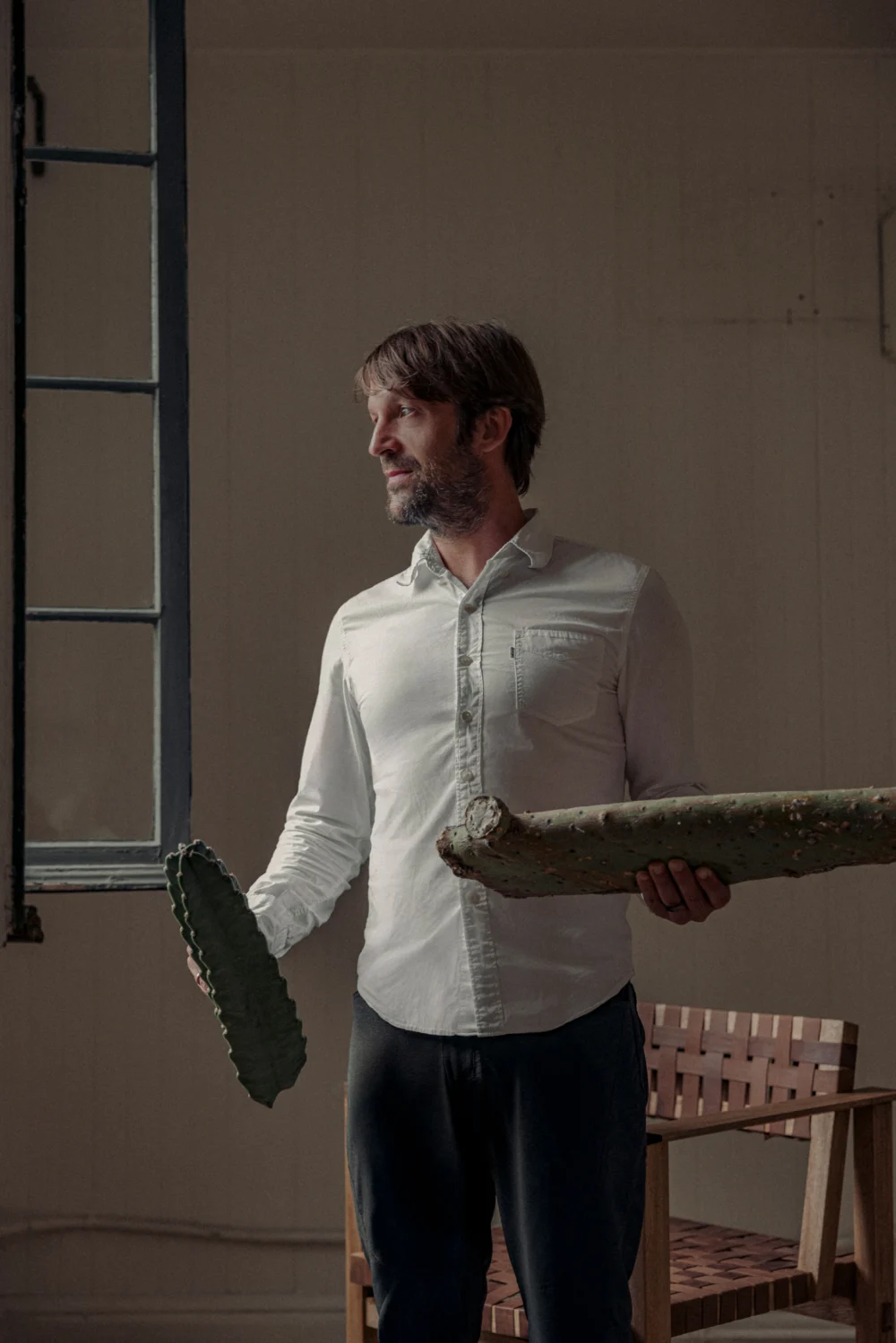
Los Angeles, a city renowned for its sprawling culinary landscape and vibrant cultural tapestry, finds itself at a pivotal and complicated juncture as Noma, consistently ranked among the world’s most influential restaurants, prepares for a highly anticipated four-month residency in Silver Lake this spring. This arrival, while undeniably a coup for the city’s global standing, unfolds against a backdrop of profound local hardship and renewed scrutiny of the Copenhagen-based culinary giant’s own internal practices. The confluence of these factors has ignited a spirited debate across the city’s food scene, from high-end kitchens to bustling farmers markets.
The past year has been nothing short of brutal for Los Angeles. The 2025 wildfire season, an unprecedented ecological and urban disaster, ravaged vast swathes of Southern California. Inferno-driven winds tore through entire neighborhoods, particularly in the foothills and canyon areas, reducing countless homes and businesses to ash. Official reports from the California Department of Forestry and Fire Protection (CAL FIRE) estimated property damage in the billions of dollars, with tens of thousands of residents displaced, many permanently losing their livelihoods and communities. The restaurant sector, already operating on thin margins, was hit particularly hard, with numerous establishments either directly destroyed or crippled by the ensuing economic downturn and population shifts.
Adding to this environmental catastrophe, last summer saw Los Angeles become the first major U.S. city to experience large-scale Immigration and Customs Enforcement (ICE) raids. These coordinated operations, targeting undocumented immigrants across various industries, sent shockwaves through the city’s diverse communities. The restaurant sector, heavily reliant on immigrant labor for roles ranging from kitchen staff to dishwashers and farmworkers, was immediately impacted. Fear became a palpable presence, disrupting daily routines and creating widespread absenteeism. Sherry Mandell, co-founder of Tehachapi Grain Project, a farm north of the city dedicated to preserving drought-tolerant heritage grains, articulated this anxiety vividly: "I’m worried about whether we can make all of our tortillas today, because some people are afraid to come in to work." This pervasive fear exacerbated existing labor shortages and compounded the operational challenges faced by eateries across the city.
It is therefore no surprise that the Los Angeles Times reported more than 100 restaurant closures last year alone, a staggering figure that underscores the fragility of the local hospitality industry. These closures represent not just economic losses but also the erosion of community hubs and the livelihoods of countless individuals. Against this landscape of recent trauma and economic precarity, Noma’s arrival, with its promise of gastronomic spectacle and its hefty $1,500 per-person price tag, has inevitably been perceived by some as ill-timed and even tone-deaf.
Noma’s Global Prestige and Local Reception
Noma, under the visionary leadership of Chef René Redzepi, has consistently redefined contemporary gastronomy since its inception in 2003. Famed for its pioneering approach to New Nordic cuisine, hyper-local foraging, and innovative fermentation techniques, the restaurant has earned numerous accolades, including multiple Michelin stars and several reigns as "The World’s Best Restaurant" by San Pellegrino’s prestigious list. Its previous international residencies in Tokyo, Sydney, and Mexico have been met with fervent global attention, often selling out within minutes and drawing a pilgrimage of culinary enthusiasts and media alike.
The local restaurant industry in Los Angeles has, for the most part, outwardly embraced Noma’s presence with a mix of anticipation and strategic enthusiasm. Brian Dunsmoor, chef-owner of the acclaimed live-fire restaurant Dunsmoor, encapsulated this sentiment: "It’s a nice flex for Los Angeles to have people interested in the city and what we do here." This perspective highlights the potential for Noma’s global spotlight to validate LA’s burgeoning and increasingly sophisticated culinary scene, drawing international attention that could benefit local establishments beyond the pop-up itself. City officials, while not issuing direct statements on Noma’s specific pricing or internal controversies, have generally welcomed high-profile events that are expected to boost tourism and economic activity, particularly in sectors struggling with recovery. The Los Angeles Tourism & Convention Board has previously emphasized the city’s appeal as a culinary destination, and Noma’s residency is seen as a significant addition to that narrative.
However, beneath this surface-level welcome, a current of frustration and skepticism runs through certain segments of the food community. Producers tapped to supply ingredients for Noma’s test kitchen have voiced concerns about the restaurant’s famously tight-lipped approach to menu development, sourcing practices that some describe as opaque, and, most obviously, the exclusionary price point. For many local chefs and diners who champion accessibility and community engagement, a $1,500 meal feels fundamentally at odds with the current economic realities of Los Angeles.
A Timeline of Controversy: Noma’s Workplace Culture Under Scrutiny
The discourse surrounding Noma’s LA residency has been further complicated by a resurfacing of long-standing allegations regarding its workplace culture. This is not the first time the acclaimed restaurant has faced accusations of being a toxic environment, a history that adds a layer of ethical complexity to its celebrated culinary achievements.
In recent weeks, Jason Ignacio White, Noma’s former director of fermentation, publicly alleged physical abuse and the exploitation of interns by founder René Redzepi and his management team via social media. These recent claims have reignited a conversation that has simmered for years within the fine dining world.
The timeline of Noma’s workplace controversies includes several notable instances:
- 2022: Chef Redzepi himself publicly acknowledged and addressed his past "bullying behavior" in the workplace, revealing that he had undergone intensive therapy to reform his leadership style. This candid admission, while praised by some as a step towards accountability, also confirmed the existence of a demanding and potentially harsh environment.
- January 2023: The New York Times published a comprehensive report detailing the arduous working conditions at Noma. The article highlighted a "code of loyalty among Noma alumni" that reportedly made it "impossible for workers to speak out about working conditions, sexual harassment and other problems." This investigation painted a picture of a culture where fear of professional blacklisting or social ostracization could silence grievances.
- December 2023: Noma announced its intention to transition from a traditional restaurant model to a "food laboratory" and occasional pop-up venture after its planned closure in late 2024. While cited as an evolution of its culinary mission, this announcement also came amidst increasing scrutiny of the economic unsustainability of high-end tasting menus and the intense labor demands they impose. Critics suggested this shift might also be a way to sidestep some of the labor challenges and criticisms leveled against its traditional operations.
In response to the latest allegations, Noma issued a statement in a pinned comment on a promotional Instagram video, asserting that "these claims do not reflect the workplace Noma is today." Bon Appétit, which initially reported on the controversy, has not independently verified the new allegations, but the mere existence of these accusations casts a long shadow, prompting questions about ethical labor practices within the upper echelons of the global restaurant industry, especially as Noma brings its operations to a city grappling with its own labor and social equity issues.
Sourcing, Sustainability, and the Local Ecosystem
Despite the ongoing controversies and the city’s hardships, Noma’s arrival has undeniably injected a "jolt of electricity" into the local food scene, as described by Oliver Woolley, a third-generation rancher behind Peads & Barnetts, a pig-and-beef farm. This attention feels important for an industry that has faced relentless challenges.
Noma’s commitment to sourcing local ingredients for its residency has brought its team into direct contact with California’s diverse agricultural landscape. Farmers and producers have recounted interactions with Noma’s buyers as "very seat of the pants," reflecting the intense, experimental nature of Noma’s test kitchen. Woolley, for instance, described the team experimenting with unusual cuts from his retired dairy cow beef, including whole tails, indicating a deep dive into utilizing every part of the animal. However, the uncertainty of final selection remains: "I have no idea yet if they’re going to use our meat on the menu. It seems to be getting pretty down to the wire now." This dynamic highlights the high stakes and sometimes unpredictable nature of supplying such a high-profile establishment.
Alex Weiser, a farmer celebrated for his cult-favorite melons and potatoes, and partner in the Tehachapi Grain Project, sees Noma’s interest as a crucial spotlight on greater Los Angeles as a distinct agricultural region. "They’re bringing awareness to our unique spot on the planet," Weiser explains, emphasizing the region’s unique biodiversity with "the coast, the high desert, and the mountain valley all within driving distance." This recognition of California’s specific terroir and microclimates is a significant validation for local farmers who have long championed their regional produce.
Further demonstrating this commitment to localism, Noma’s impending pop-up’s wine program has committed to an all-natural, all-California wine list. This choice resonates deeply with Riley O’Neill Latta, a Pasadena-based winemaker and advocate for local wines. "They don’t need to do this," Latta states, acknowledging Noma’s access to "some of the most sought-after bottles and one of the biggest cellars in the world." He views their decision not to ship a container full of international wines as a powerful endorsement of California’s burgeoning natural wine movement and a significant nod to the state’s viticultural excellence. This move, in particular, has been widely praised as an example of Noma leveraging its influence to uplift local industries.
Chef Brian Dunsmoor also expresses excitement about Noma’s potential to leverage its reputation and resources to spotlight native Southern Californian ingredients that are often overlooked in mainstream restaurants. He anticipates that Noma "will be able to teach us about what foodways here used to look like, and they’re going to be using a lot of wild ingredients, which not many people are familiar with." This deep dive into indigenous ingredients and historical foodways was exemplified during Redzepi’s appearance on KCRW’s Good Food in January, where Noma served a whole-cooked acorn to attendees – a humble ingredient that deeply resonated with producers like Woolley, who raises pigs under oak trees specifically for their acorns. This aspect of Noma’s approach offers a potential pathway for re-educating the local palate and fostering a deeper appreciation for native Californian flora.
Broader Impact and Economic Implications
Beyond the immediate culinary excitement, there is a tangible hope that Noma’s residency will bring a significant influx of food-obsessed visitors to Los Angeles, whose spending might extend beyond the exclusive pop-up. Restaurateur Lien Ta, whose Here’s Looking At You closed last year amidst the challenging climate, articulated this sentiment: "If you’re traveling to L.A. and you’re going to eat at Noma, I hope you eat elsewhere, too." While Noma’s price point inherently limits access for the average diner, the potential for high-spending culinary tourists to explore and support other local restaurants, cafes, and markets could be a much-needed economic boon for the city’s struggling hospitality sector. According to Los Angeles Tourism data from pre-pandemic years, culinary tourism accounts for a substantial portion of visitor spending, and a high-profile event like Noma’s residency could amplify this effect, potentially injecting millions into the local economy through hotels, transport, and ancillary dining experiences.
Conner Mitchell, a fisherman and owner of Dudley Market in Venice, a seasonal, seafood-forward restaurant, shares this optimism. He has been in talks with Noma about supplying catch and, while unsure how his resources will be utilized, is curious to see Noma’s unique spin on local sourcing. Mitchell believes the heightened activity will have a positive "effect on everybody’s reservation count." He underscores the collaborative spirit prevalent in the local industry: "I think some people get competitive, but most of us are here to support each other in an incredibly tough business, and we love seeing other people be creative, even if it’s not always for us."
This complex intersection of global prestige, local hardship, and internal ethical questions positions Noma’s Los Angeles residency as more than just a culinary event. It is a microcosm of broader industry debates about sustainability, labor practices, accessibility, and the very definition of luxury in a world grappling with profound social and economic inequalities. As the pop-up approaches, all eyes will be on Silver Lake, not just to witness the gastronomic innovations but also to observe how Noma navigates these complex currents, and what lasting legacy it leaves on the resilient, yet vulnerable, culinary landscape of Los Angeles. For many in the city, the "show" of Noma is less about the dinner itself, and more about the vital conversations it provokes.
