

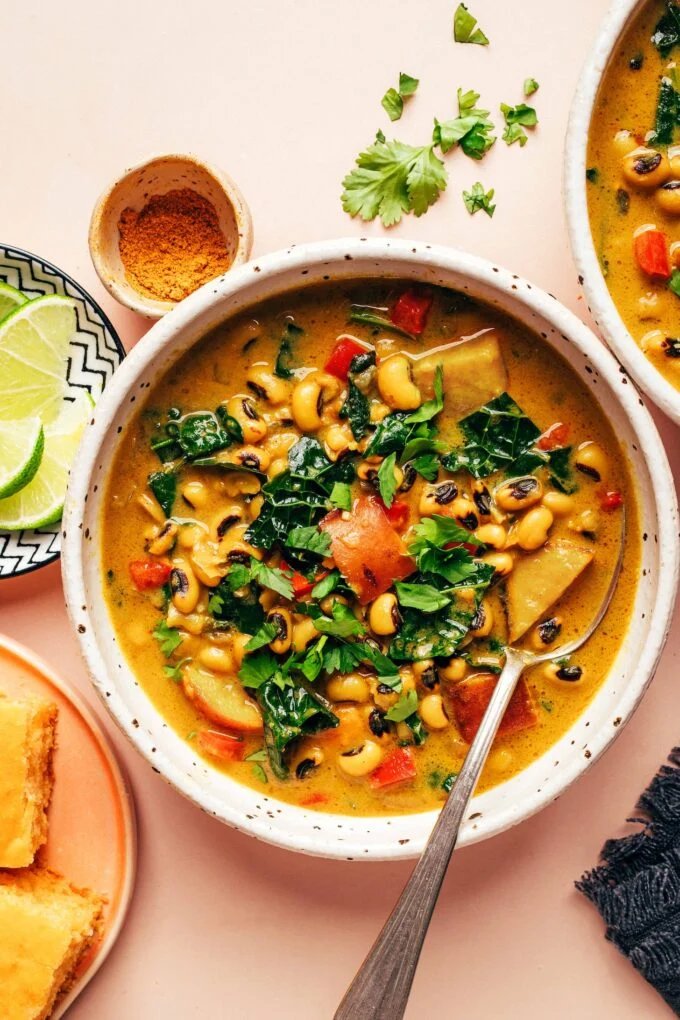
The culinary landscape continues to evolve, embracing both convenience and global flavors, a trend perfectly encapsulated by the emerging popularity of Creamy Curried Black Eyed Pea Soup. This dish, notable for its robust flavor profile, vegan composition, and efficient one-pot preparation, has garnered attention as a versatile meal solution suitable for a range of occasions, from celebratory New Year’s Day traditions to practical weeknight dinners. Its fusion of traditional legumes with aromatic spices reflects a broader shift towards accessible, plant-based cuisine that does not compromise on taste or nutritional value.
The Allure of the One-Pot Wonder: Efficiency Meets Flavor
In contemporary kitchens, the demand for efficiency is paramount. Consumers increasingly seek meal solutions that minimize preparation time, reduce culinary complexity, and simplify cleanup. The "one-pot" cooking method directly addresses these needs, making dishes like the Creamy Curried Black Eyed Pea Soup particularly appealing. This approach consolidates the cooking process into a single vessel, allowing flavors to meld more deeply while simultaneously freeing up time for other activities. The intrinsic design of such recipes caters to busy individuals and families, providing a streamlined pathway to wholesome, homemade meals.

The Creamy Curried Black Eyed Pea Soup exemplifies this culinary efficiency by leveraging simple, sequential steps. It begins with a foundational sauté of aromatic vegetables, setting the stage for a rich flavor base. This initial step, often overlooked in its importance, is critical for developing the savory depth that defines the soup. The subsequent addition of spices, liquids, and the star legume transforms these individual components into a cohesive, flavorful experience, all within the confines of a single pot. This method not only simplifies the cooking process but also ensures that the essence of each ingredient contributes to a harmonious final product, a testament to the intelligent design of modern, accessible recipes.
A Deep Dive into Black-Eyed Peas: History, Culture, and Nutrition
Black-eyed peas (Vigna unguiculata) are more than just a culinary ingredient; they are a legume steeped in history and cultural significance, particularly across West Africa and the American South. Originating in Africa, these resilient legumes were introduced to the Americas during the transatlantic slave trade, quickly becoming a staple crop due to their hardiness and nutritional density. In the Southern United States, black-eyed peas hold a cherished place in New Year’s Day traditions, consumed as part of a meal believed to bring good luck and prosperity for the coming year. This custom, often paired with collard greens (representing money) and cornbread (representing gold), underscores the profound cultural embeddedness of this humble bean. Their historical journey from subsistence crop to symbolic food highlights their enduring importance in diverse culinary narratives.
Beyond their cultural resonance, black-eyed peas boast an impressive nutritional profile, aligning perfectly with the increasing global emphasis on health and wellness. A single serving provides a significant amount of plant-based protein, essential for muscle repair and growth, and dietary fiber, crucial for digestive health and satiety. They are also a rich source of micronutrients, including iron, which is vital for oxygen transport; potassium, important for blood pressure regulation; and various B vitamins, contributing to energy metabolism. With a low fat content and a complex carbohydrate structure, black-eyed peas offer sustained energy release, making them an excellent component of a balanced diet. The integration of such a nutrient-dense ingredient into a creamy, flavorful soup further elevates its appeal as a wholesome and satisfying meal choice. This nutritional powerhouse contributes significantly to the soup’s ability to serve as a complete meal, offering both macronutrients and essential micronutrients.

The Global Journey of Curry Powder: A Fusion of Flavors
The term "curry powder" itself represents a fascinating chapter in culinary globalization. Unlike the traditional Indian masalas, which are freshly ground spice blends tailored to specific dishes, "curry powder" was largely an invention of British colonialists. Seeking to replicate the complex flavors of Indian cuisine, they standardized a blend of common spices, making it accessible for export and use in Western kitchens. This pre-mixed powder typically includes turmeric, coriander, cumin, fenugreek, and chili peppers, among others, offering a convenient way to impart a warm, earthy, and subtly spicy flavor to dishes. Its widespread adoption led to its integration into various culinary traditions worldwide, from Caribbean and Southeast Asian cooking to European and North American home meals.
In the context of the Creamy Curried Black Eyed Pea Soup, curry powder plays a pivotal role in defining its flavor identity. It provides a fragrant backbone, infusing the broth with its distinctive warmth and complexity. The specific blend used can greatly influence the soup’s character, ranging from mild and aromatic to intensely spicy. This adaptability allows home cooks to tailor the heat level to their preference, making the dish broadly appealing. The use of curry powder in conjunction with other aromatics like ginger and garlic in this recipe demonstrates a modern approach to flavor building, where global influences are harmoniously combined to create innovative yet comforting dishes. The subtle nod to Indian-inspired flavor profiles, as described by the recipe’s creators, highlights this successful cross-cultural culinary synthesis.
Crafting the Creamy Curried Black Eyed Pea Soup: Ingredients and Method

The creation of this Creamy Curried Black Eyed Pea Soup is a testament to thoughtful ingredient selection and a methodical approach to flavor development. The recipe initiates with the sautéing of a trifecta of foundational vegetables: onion, sweet potato, and red bell pepper. This initial step is crucial, as it caramelizes the natural sugars within these ingredients, creating a subtly sweet and savory base that forms the bedrock of the soup’s flavor. The choice of sweet potato, particularly the Japanese variety, is strategic, contributing a firmer texture that withstands simmering while imparting a delicate sweetness that balances the spices.
Following the softening of these vegetables, minced garlic and freshly grated ginger are introduced. The grating of ginger, rather than mere mincing, is a specific technique emphasized for its ability to release a more potent and evenly distributed ginger flavor throughout the broth. This aromatic duo provides a pungent, warming counterpoint to the sweetness of the vegetables. A generous application of curry powder, often a DIY blend for optimal freshness and customization, then follows, alongside red pepper flakes for a touch of heat, and salt to enhance all the flavors. This stage is critical for "blooming" the spices, allowing their essential oils to release into the hot oil and vegetables, intensifying their aroma and taste.
The liquid component comprises a harmonious blend of vegetable broth and coconut milk. The vegetable broth provides a savory depth, while the full-fat coconut milk introduces a luxurious creaminess that enriches the soup without making it excessively heavy, a common characteristic of traditional curries. This careful balance ensures a comforting, smooth texture that coats the palate. Coconut aminos are incorporated to further deepen the umami profile, offering a soy-free alternative that adds a subtle sweetness and complexity.
Central to the soup are the black-eyed peas themselves. The recipe highlights their inherent convenience, as they can be cooked from dried without prior soaking, a significant time-saver. For those seeking even greater speed, canned black-eyed peas can be utilized, requiring an adjustment in broth volume and cooking time to allow flavors to fully meld. Conversely, soaking dried peas can reduce overall cooking duration, offering flexibility to the cook. The versatility in preparation methods underscores the recipe’s adaptability to various schedules and preferences.

The final touches elevate the soup’s freshness and visual appeal. Once the black-eyed peas are tender and the broth has achieved its full-bodied flavor, chopped kale is stirred in. The vibrant green of the kale provides a burst of color and introduces additional nutrients, wilting gently into the warm soup. A squeeze of fresh lime juice at the very end is indispensable; its bright acidity cuts through the richness of the coconut milk and the warmth of the curry, lifting the overall flavor profile and adding a zesty finish. This final addition is a classic culinary technique for enhancing the brightness and complexity of rich dishes.
Beyond the Bowl: Nutritional Impact and Dietary Trends
The Creamy Curried Black Eyed Pea Soup transcends its role as a mere meal; it represents a strategic alignment with several prominent nutritional and dietary trends. Its comprehensive nutritional profile makes it a standout choice for health-conscious consumers. With approximately 409 calories per two-cup serving, it delivers a substantial 14.8 grams of protein and an impressive 12 grams of fiber, contributing significantly to daily requirements for both macronutrients. Furthermore, it is a powerhouse of vitamins and minerals, boasting 12,693 IU of Vitamin A and 100 mg of Vitamin C, alongside 6.7 mg of iron, 1453 mg of potassium, and 181 mg of calcium. These figures underscore its capacity to function as a complete and highly nourishing meal, supporting various bodily functions from immunity to bone health.
Crucially, the soup’s entirely vegan composition addresses the burgeoning plant-based movement. As consumers increasingly opt for meat-free and dairy-free options for ethical, environmental, and health reasons, recipes like this provide satisfying and flavorful alternatives. Its reliance on plant-based proteins and healthy fats from coconut milk caters directly to this growing demographic, demonstrating that vegan cuisine can be both comforting and exceptionally tasty. Moreover, the absence of gluten inherently makes it suitable for individuals with celiac disease or gluten sensitivities, broadening its accessibility and appeal.

The soup also redefines the concept of "comfort food." Traditionally, comfort foods are often associated with heavy, calorie-dense ingredients. This black-eyed pea soup, however, offers the warmth, satisfaction, and nostalgic appeal of comfort food through its creamy texture and rich spices, yet remains nutritionally balanced and relatively light. This reinterpretation aligns with modern desires for meals that provide emotional satisfaction without dietary guilt, reflecting a more holistic approach to eating. The ease of preparation further solidifies its status as a contemporary comfort staple, effortlessly integrating into busy lifestyles.
Market Reception and Broader Culinary Implications
The emergence and positive reception of dishes like the Creamy Curried Black Eyed Pea Soup are indicative of several significant shifts within the food industry and consumer behavior. This recipe directly taps into a confluence of consumer desires: the pursuit of health, the demand for convenience, the exploration of global flavors, and the growing preference for plant-based options. Market research consistently shows an upward trajectory in the plant-based food sector, with vegan and vegetarian alternatives moving from niche markets to mainstream popularity. Recipes that creatively incorporate legumes and vegetables, like this soup, are at the forefront of this culinary evolution.
Culinary experts and food industry analysts often highlight the importance of "flexitarian" eating, where consumers reduce meat consumption without fully committing to vegetarianism or veganism. Recipes that are inherently plant-based yet universally appealing, such as this curried soup, serve as excellent entry points for this demographic. The fact that it is a one-pot meal further enhances its marketability, resonating with the widespread consumer trend towards simplified home cooking solutions. Data from major grocery chains and food delivery services frequently reveal high demand for quick, healthy, and internationally-inspired meal kits and recipes.

The broader implication of such recipes lies in their contribution to cultural exchange and culinary innovation. By blending African-American culinary traditions (black-eyed peas) with South Asian-inspired flavors (curry powder) and modern dietary trends (vegan, one-pot), this soup exemplifies the dynamic and interconnected nature of global gastronomy. It encourages experimentation in the home kitchen and fosters an appreciation for diverse ingredients and cooking techniques. This kind of cross-cultural culinary fusion is not merely a trend but a sustained evolution, driving both consumer interest and product development in the food sector. As global supply chains become more integrated and dietary preferences diversify, dishes that elegantly combine tradition with innovation are poised for continued success.
In conclusion, the Creamy Curried Black Eyed Pea Soup stands as a prime example of how traditional ingredients can be reimagined within a contemporary framework to meet the evolving demands of modern consumers. Its blend of historical significance, robust nutritional content, simplified preparation, and rich, globally inspired flavors positions it as a significant culinary offering. This soup is not merely a recipe but a reflection of broader societal movements towards healthier, more convenient, and culturally integrated eating practices, promising to remain a relevant and cherished dish for years to come.
