

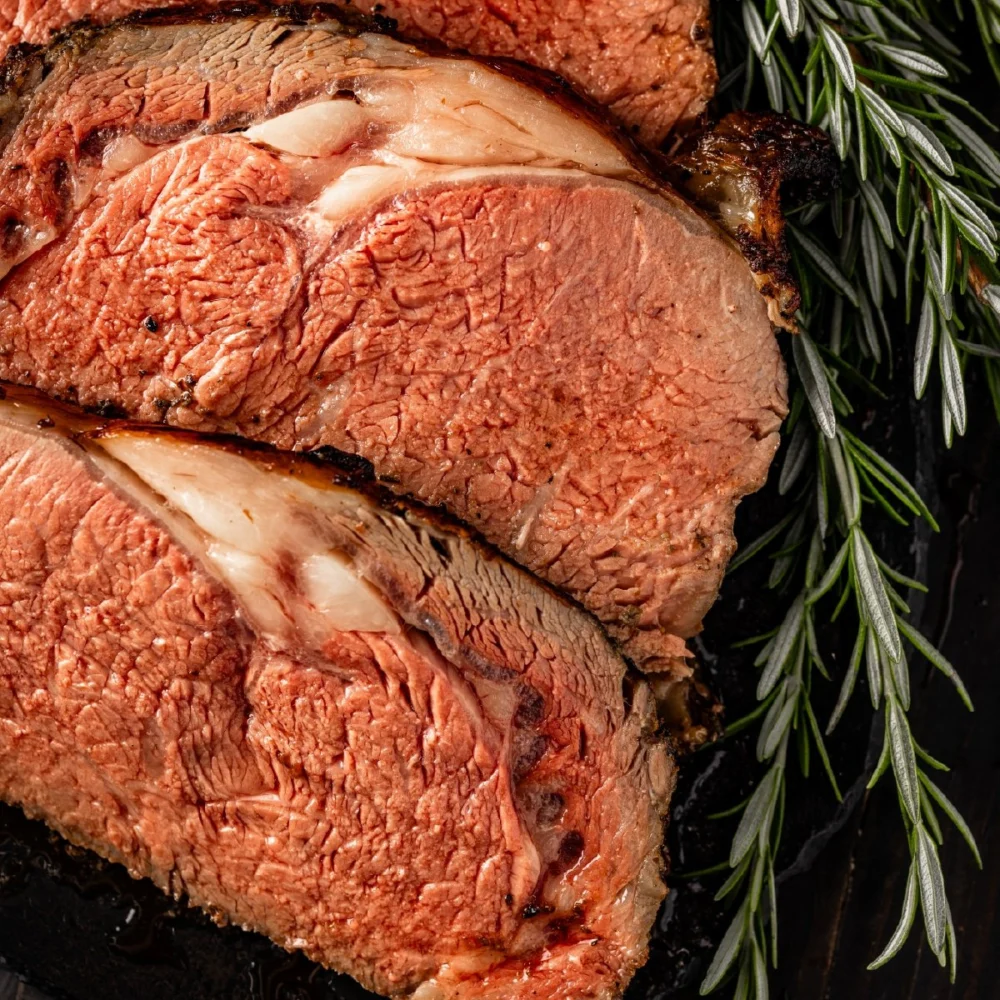
The Evolution of Holiday Gastronomy Mastering the Sous Vide Prime Rib for Consistent Culinary Excellence represents a significant shift in how home cooks approach high-stakes protein preparation, moving away from the volatile nature of traditional dry-heat roasting toward the mathematical precision of thermal immersion. As the centerpiece of many holiday tables, the prime rib roast—a cut of beef prized for its intramuscular fat and tenderness—has historically presented a challenge for even seasoned chefs due to its thickness and the risk of uneven cooking. The adoption of the sous vide method, a French technique meaning "under vacuum," addresses these variables by utilizing temperature-controlled water baths to ensure an edge-to-edge medium-rare finish that was previously difficult to achieve outside of professional steakhouse environments.
The Technical Foundations of Sous Vide Preparation
The core of the sous vide philosophy lies in the stabilization of temperature. Unlike a conventional oven, which fluctuates significantly and relies on hot air to transfer energy, water is a highly efficient conductor of heat. By vacuum-sealing a prime rib roast and submerging it in a bath maintained at exactly 129 degrees Fahrenheit (53.9 degrees Celsius), the meat is brought to its target internal temperature without the risk of overshooting. This precise thermal management prevents the formation of the "grey band"—the overcooked outer layer of meat often found in traditional roasts—resulting in a uniform pink texture from the center to the perimeter.

For a standard six-pound prime rib roast, the process requires a duration of approximately eight hours. This extended timeframe is not merely for heating but for the enzymatic breakdown of connective tissues. While prime rib is naturally tender, the prolonged exposure to 129 degrees Fahrenheit allows for a subtle transformation of collagen into gelatin, enhancing the mouthfeel and succulence of the final product without reaching the temperatures that cause muscle fibers to tighten and expel moisture.
The Chronology of a Precision Roast
The preparation of a sous vide prime rib follows a rigorous timeline that begins long before the meat enters the water. The process can be divided into four distinct phases: preparation, immersion, resting, and finishing.
- Preparation and Seasoning: The roast is first tied with butcher’s twine to maintain a uniform cylindrical shape, ensuring even heat penetration. It is then coated in a specialized rub. The "Hey Grill Hey" Prime Rib Rub, a popular industry standard, utilizes a blend of kosher salt, coarse black pepper, garlic powder, onion powder, and dried herbs such as rosemary and thyme. The salt acts as a dry brine, penetrating the muscle fibers to enhance flavor and moisture retention during the long cook.
- Vacuum Sealing: Once seasoned, the roast is placed in a heavy-duty plastic bag. Professional-grade vacuum sealers are preferred to remove all air, ensuring the bag does not float and that heat transfer is direct. For those without specialized equipment, the "water displacement method" using zip-top freezer bags serves as a functional alternative, utilizing water pressure to force air out of the bag before sealing.
- Thermal Immersion: The sealed roast is submerged in the water bath. An immersion circulator—a device that both heats and moves the water—maintains the 129-degree environment. For a large roast, this phase typically lasts eight hours, though the "buffer" provided by sous vide allows the meat to remain in the bath for several additional hours without overcooking, a feature that provides significant logistical flexibility for holiday hosting.
- The Finishing Sear: Upon removal from the water, the meat appears grey and unappetizing due to the lack of Maillard reaction (browning). The final stage involves patting the meat completely dry and subjecting it to high-intensity heat—either via a cast-iron skillet, a hot grill, or a high-heat broiler—for approximately 2 to 3 minutes per side. This creates the "bark" or crust essential for the traditional prime rib experience.
Essential Equipment and Market Trends
The democratization of sous vide technology has been a major driver in the changing landscape of home cooking. Once the exclusive domain of Michelin-starred kitchens, immersion circulators have seen a dramatic decrease in price and an increase in accessibility over the last decade. Market data suggests that the global sous vide machine market is expanding at a compound annual growth rate (CAGR) of over 5%, fueled by a growing consumer interest in "set-it-and-forget-it" technologies that guarantee professional results.

Beyond the immersion circulator, the rise of the vacuum sealer has also impacted food preservation and waste reduction. For a high-value cut like prime rib, which can cost between $15 and $30 per pound depending on the grade (Select, Choice, or Prime), the ability to cook with a 0% margin of error represents a significant economic safeguard for the consumer.
Scientific Analysis of Flavor and Texture
From a biochemical perspective, the sous vide method alters the traditional flavor profile of the roast. Because the meat is sealed, volatile aromatics that would normally escape into the oven are trapped within the bag, intensifying the infusion of herbs and spices. Furthermore, the fat in a prime rib roast behaves differently at 129 degrees Fahrenheit over eight hours than it does at 350 degrees Fahrenheit for two hours. In a traditional oven, much of the fat renders out and is lost to the roasting pan. In a sous vide bag, the fat softens and remains in close contact with the muscle, contributing to a richer, more buttery texture.
However, critics of the method sometimes point to the lack of "roasted" flavor that comes from long-term exposure to dry heat. This is why the final sear is considered non-negotiable by culinary experts. The Maillard reaction, which occurs at temperatures above 300 degrees Fahrenheit, creates hundreds of different flavor compounds as sugars and amino acids react. By separating the internal temperature control (sous vide) from the external flavor development (the sear), the cook gains total control over both variables.

Economic and Social Implications for the Holiday Season
The "holiday hero" phenomenon described by culinary influencers like Susie Bulloch highlights the social pressure associated with preparing expensive meals for large groups. Prime rib is often the most expensive ingredient a home cook will purchase all year. The anxiety of potentially overcooking a $150 roast into a dry, grey mass is a common deterrent for amateur hosts.
The sous vide method effectively eliminates this anxiety, acting as "culinary insurance." Statements from home grilling communities indicate that the ability to prepare the meat in advance—and even reheat it using the same precision method—has shifted the focus of holiday hosting from kitchen labor to social engagement. Furthermore, the method’s efficacy in reheating leftovers without losing moisture has redefined the "day-after" experience, allowing for steakhouse-quality sandwiches and dips that maintain the original medium-rare integrity.
Broader Impact on Modern Home Cooking
The success of the sous vide prime rib is indicative of a broader trend toward "precision home cooking." As consumers become more educated on the science of food, they are increasingly seeking out methods that prioritize consistency and quality over traditional speed. The integration of technology, such as Wi-Fi-enabled circulators that allow users to monitor their cook via smartphone, further aligns culinary traditions with the modern digital lifestyle.

In conclusion, the sous vide prime rib is more than just a recipe; it is a manifestation of the intersection between technology and tradition. By utilizing the principles of thermodynamics and biochemistry, the modern home cook can produce a holiday centerpiece that rivals the finest steakhouses in the world. As equipment becomes more affordable and the technique more widely understood, the era of the "hit-or-miss" holiday roast is likely coming to an end, replaced by a new standard of predictable, repeatable excellence. For the backyard griller and the holiday host alike, the message is clear: the most sophisticated way to cook a prime rib is also, paradoxically, the most foolproof.
