

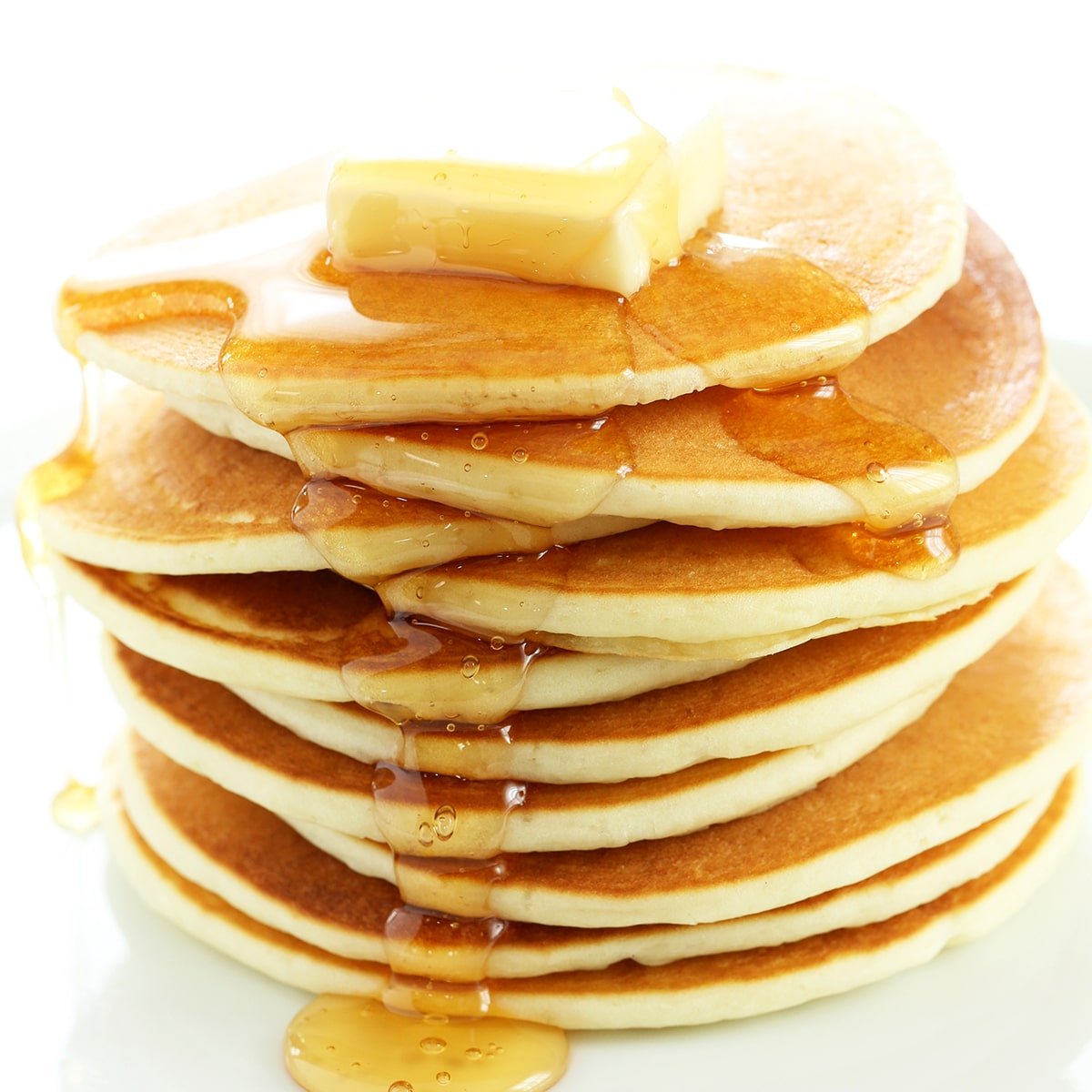
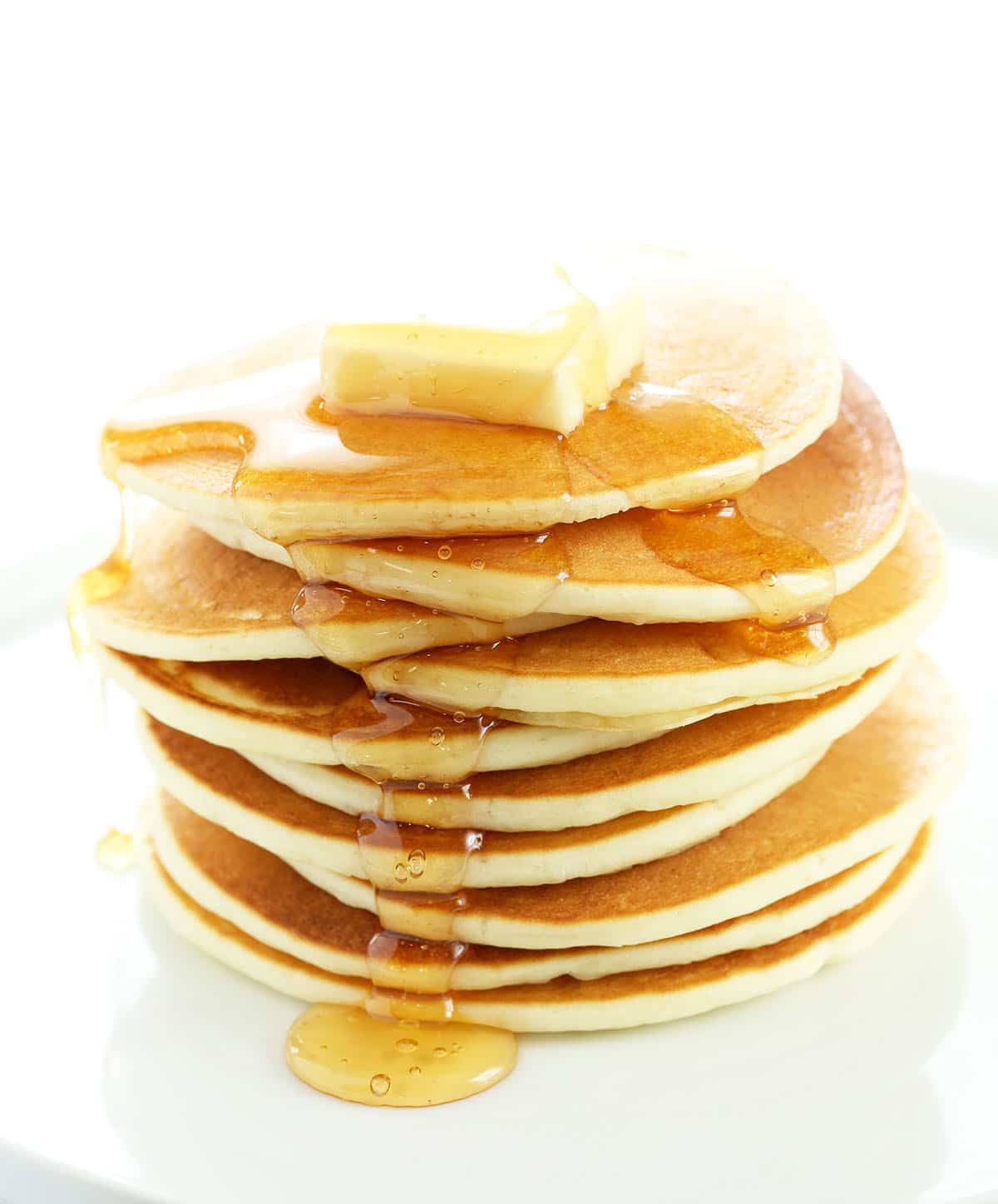
For those navigating a gluten-free lifestyle, the search for a truly satisfying pancake experience can often feel like a culinary quest. Many recipes fall short, resulting in dense, crumbly, or even gummy textures that bear little resemblance to the fluffy, golden-brown delights of traditional pancakes. However, a new approach to gluten-free pancake making promises to deliver that nostalgic breakfast joy, offering a light, tender, and consistently delicious result that can be made in minutes.
At the heart of this accessible recipe is a simple, shelf-stable gluten-free Bisquick-style mix. This foundational element can be prepared in advance, ensuring that a crowd-pleasing breakfast is always within reach. By combining this pre-made mix with just a few staple wet ingredients—milk and an egg—anyone can whip up classic pancakes any time of day. This innovation addresses a common challenge in gluten-free baking: the reliance on complex, often expensive, pre-made blends that can vary wildly in their performance.
Why This Recipe Excels in Gluten-Free Baking
The success of this particular gluten-free pancake recipe lies in its thoughtful approach to ingredient ratios and the management of gluten-free baking’s unique challenges. Unlike many gluten-free alternatives, this recipe is designed to yield pancakes that are not only light and tender but also possess the ideal fluffy texture that diners have come to expect. A key factor in achieving this desirable consistency is the careful use of xanthan gum. The recipe calls for minimal, or even no, xanthan gum, which is crucial for preventing the batter from becoming overly thick and developing a gummy texture. This allows for a batter that remains easy to pour, eliminating the pressure to cook it immediately after mixing.
Furthermore, the ability to prepare the dry mix ahead of time offers significant convenience. This pre-mixed blend can be stored and used as a versatile base for more than just pancakes. It can be incorporated into other baked goods, serving as a direct substitute for Bisquick in recipes like breakfast casseroles, broadening its utility for gluten-free home cooks.
For those seeking to explore variations, the recipe provides guidance for creating thicker, diner-style gluten-free buttermilk pancakes. By doubling the dry mix and dividing it, with each portion weighing 235 grams, and adapting the liquid ingredients to a buttermilk base, a different textural profile can be achieved, catering to diverse pancake preferences.
Understanding the Key Ingredients
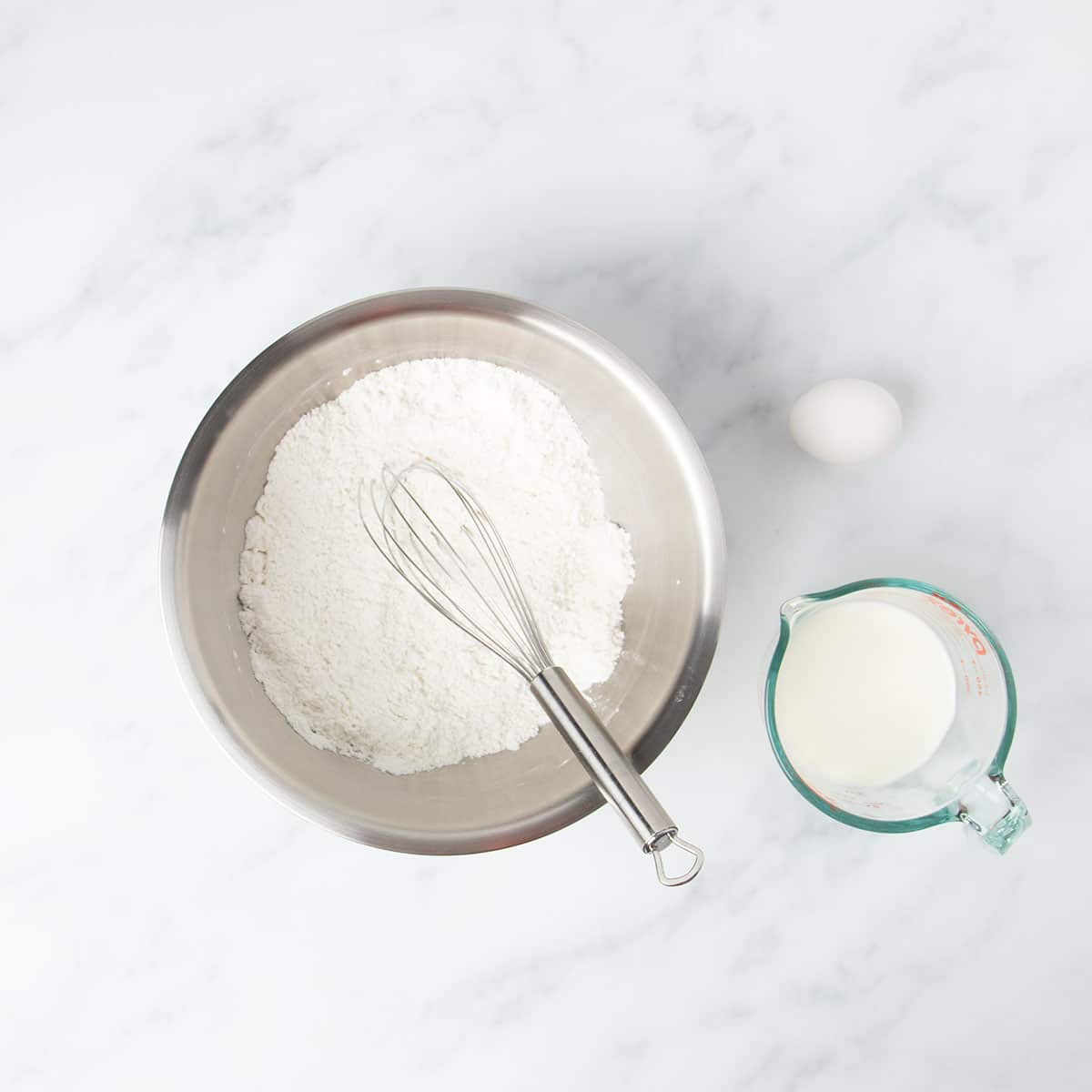
The simplicity of pancake recipes often means that each ingredient plays a pivotal role in the final outcome. In this gluten-free iteration, understanding the function of each component is essential for success.
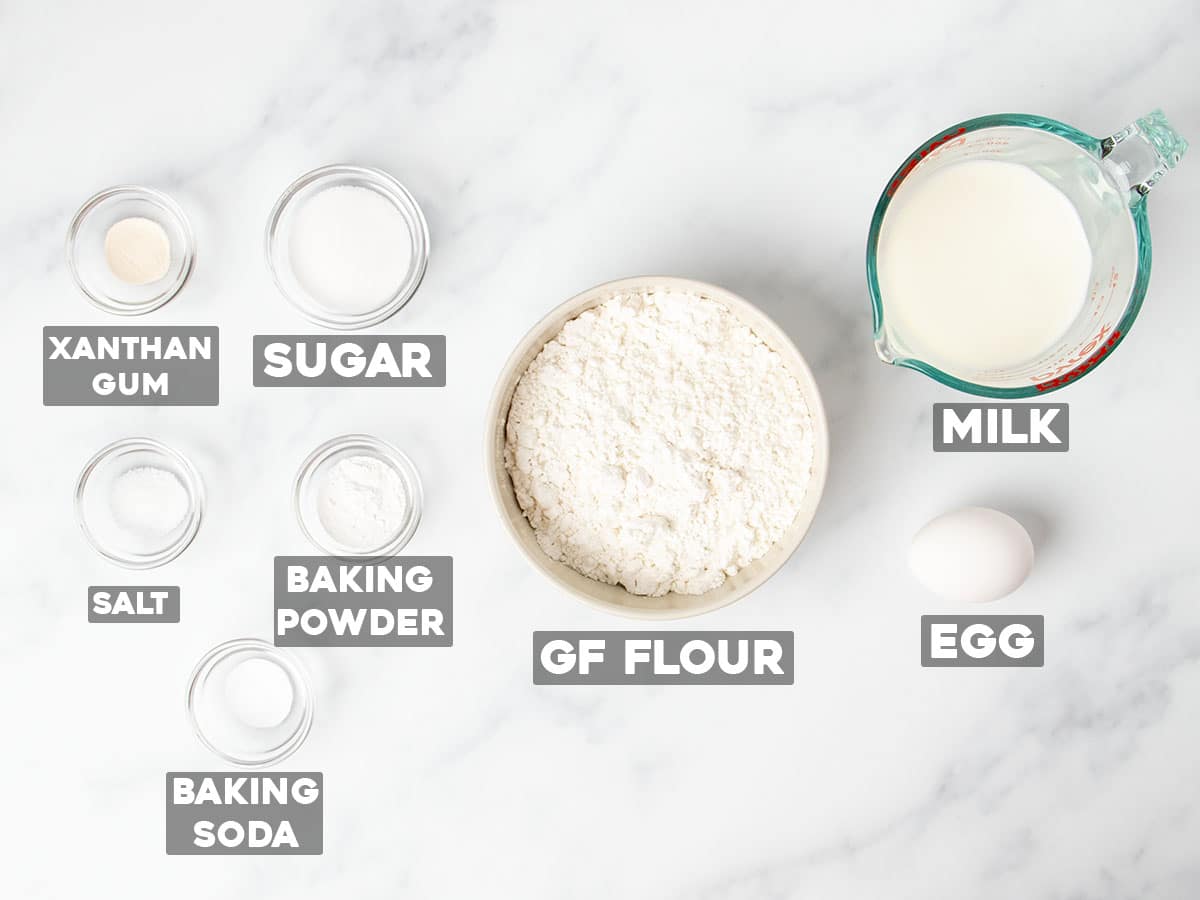
- Gluten-Free Flour Blend: The choice of gluten-free flour blend is paramount. For optimal results, the recipe recommends using a blend that is either gum-free or contains a minimal amount of xanthan gum. Blends like Bob’s Red Mill 1-to-1 or a custom-made gum-free blend are ideal. Overly gummy blends, often found in standard gluten-free all-purpose flours, can lead to a thick, unmanageable batter and a chewy pancake texture. The goal is to mimic the structure and tenderness typically provided by gluten in traditional flour.
- Xanthan Gum (Optional): While optional, a small amount of xanthan gum (approximately 1/4 teaspoon) can be beneficial when using a gum-free flour blend. It acts as a binder, helping to create a smoother, more cohesive batter that holds its shape and prevents the pancake edges from becoming overly delicate or "feathery." If xanthan gum is omitted, a slight reduction in the liquid (milk) is advised to compensate for its moisture-absorbing properties.
- Leavening Agents (Baking Powder and Baking Soda): These are critical for providing the lift and fluffiness characteristic of good pancakes. Baking powder, a double-acting leavener, reacts both when mixed with liquid and when heated, while baking soda requires an acidic component to activate. Together, they create the airy texture that prevents pancakes from being dense.
- Sugar: Beyond adding a touch of sweetness, sugar contributes to the browning process, helping the pancakes develop a beautiful golden hue during cooking. It also aids in tenderizing the crumb.
- Salt: A small amount of salt is essential for balancing the flavors and enhancing the overall taste profile of the pancakes. It prevents the sweetness from becoming cloying and highlights the other ingredients.
- Milk: Milk provides the necessary liquid to hydrate the dry ingredients and create a pourable batter. Its fat content also contributes to the richness and tenderness of the pancakes. For a dairy-free option, unsweetened, unflavored non-dairy milks with a similar consistency to cow’s milk, such as carton coconut milk or almond milk, can be used.
- Egg: Eggs are crucial binders in pancake batter, helping to hold the ingredients together and contributing to the structure and richness of the final product. For egg-free alternatives, options like chia eggs, commercial egg replacers, or liquid egg substitutes can be employed.
Step-by-Step Culinary Guidance
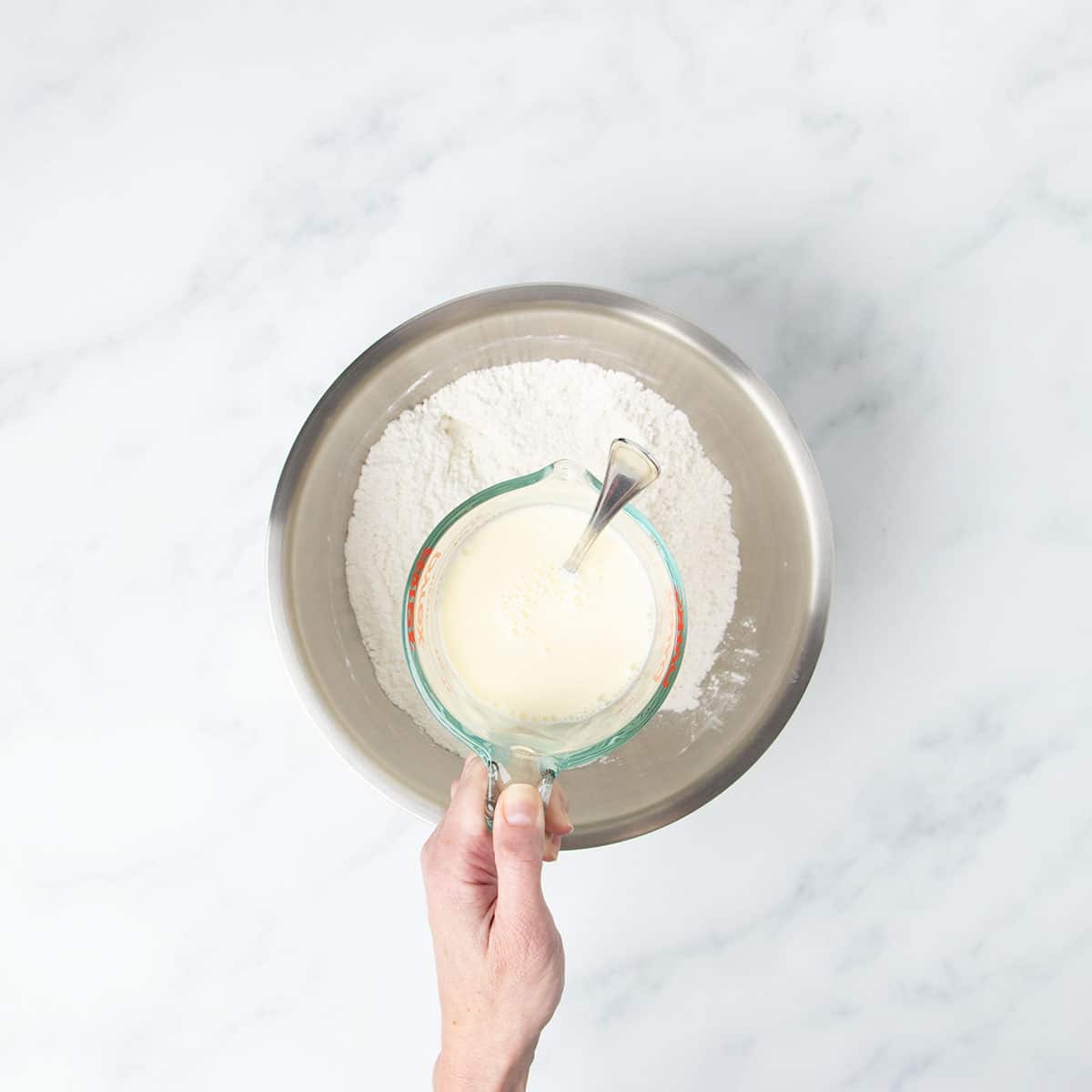
The process of creating these gluten-free pancakes is straightforward, designed for ease and consistent results.
- Whisk the Dry Ingredients: In a large mixing bowl, combine the gluten-free flour blend, baking powder, baking soda, salt, sugar, and xanthan gum (if using). Thoroughly whisk these dry components together. This step is vital to ensure that the leavening agents and other dry ingredients are evenly distributed, preventing pockets of unevenly cooked or risen batter. This uniformity is key to achieving consistently fluffy pancakes.
- Mix the Wet Ingredients: In a separate bowl or measuring cup, whisk together the milk and the egg. Ensure the egg is well beaten to create a smooth, homogenous liquid mixture. This preparation prevents the egg from being unevenly incorporated into the batter.
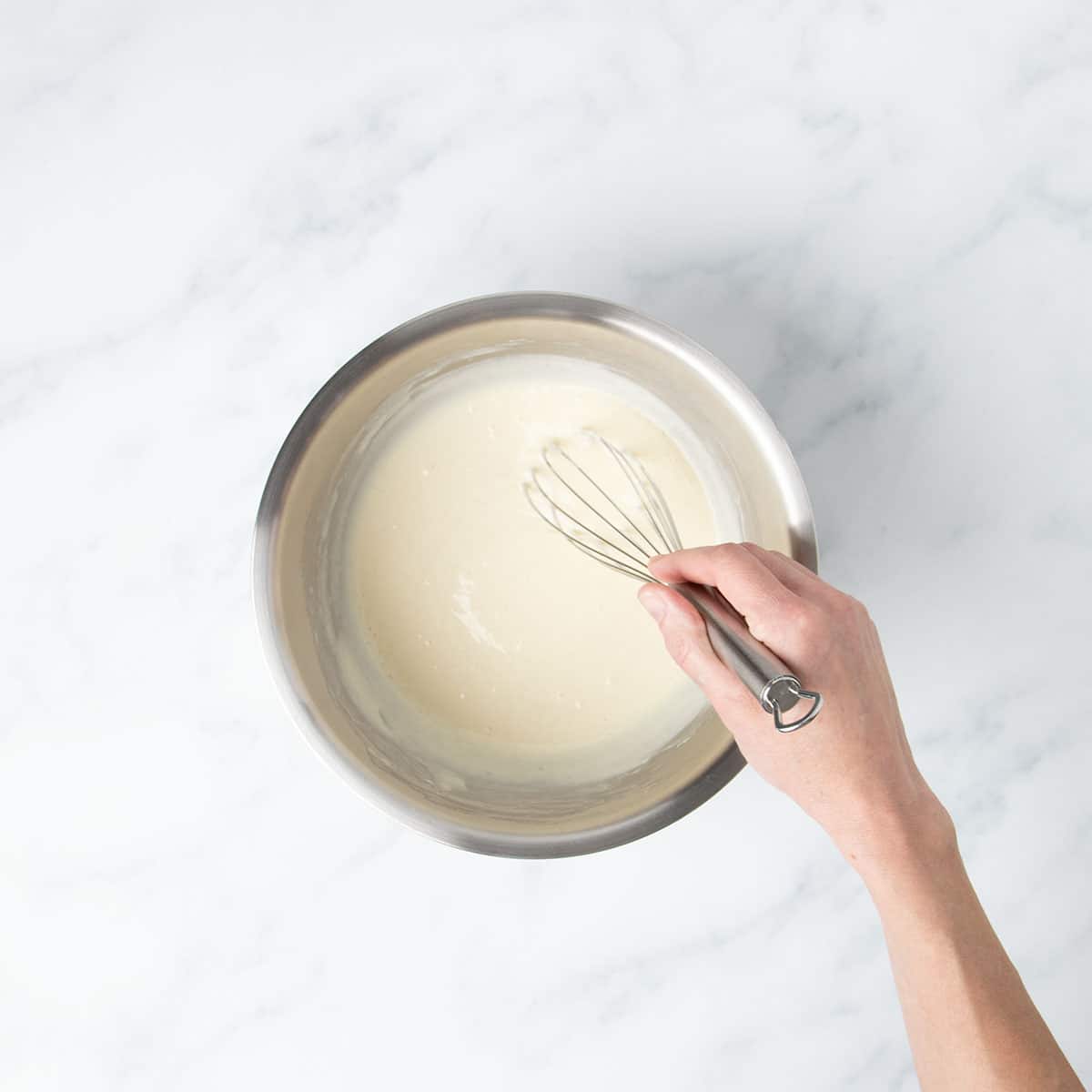
- Combine and Mix: Pour the wet ingredients into the bowl containing the dry ingredients. Whisk the mixture until it forms a smooth batter. The batter will naturally thicken slightly as it rests, but it should not continue to thicken excessively. This controlled thickening is a hallmark of a well-balanced gluten-free batter, unlike those made with flour blends containing too much xanthan gum, which can become unmanageably stiff.
- Preheat Your Pan: Heat a nonstick griddle or skillet over medium heat. Lightly grease the cooking surface. A properly heated pan is essential for pancakes to begin cooking immediately upon contact, preventing them from soaking up excess grease or sticking to the surface. The initial sizzle indicates the pan is ready.
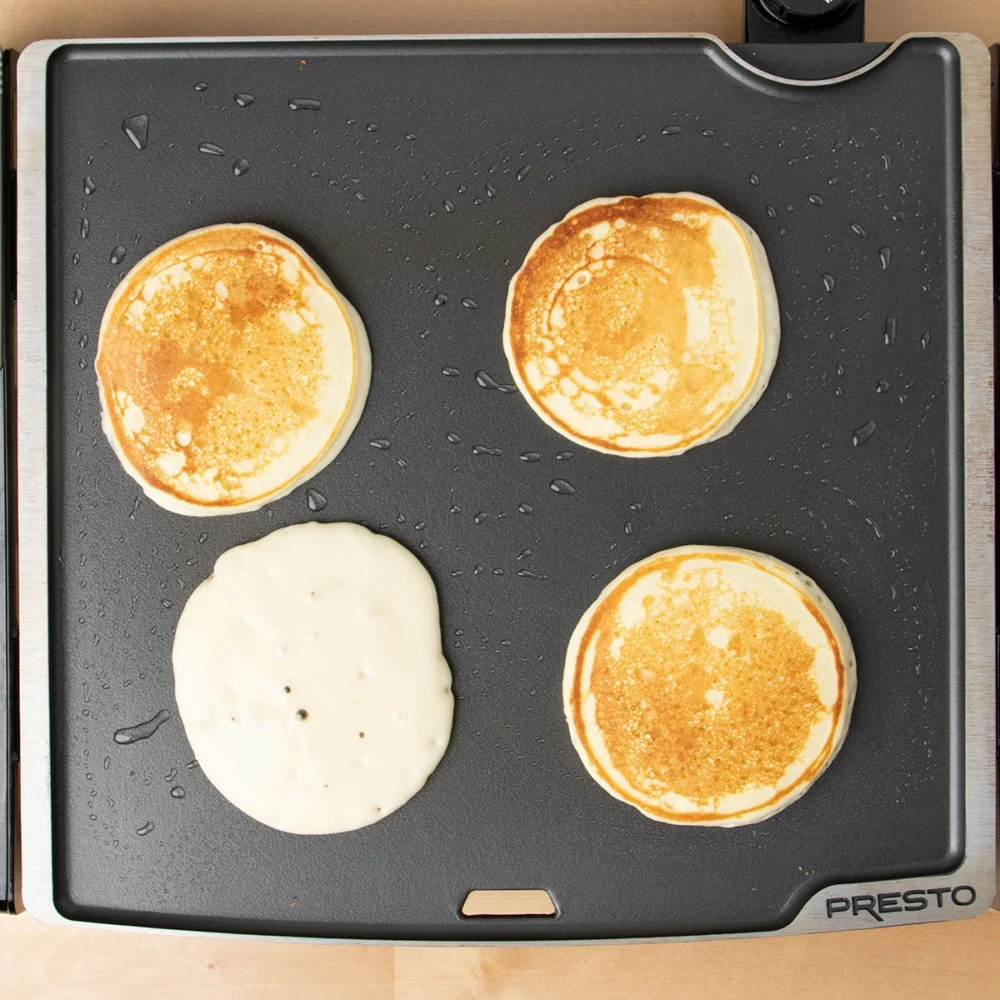
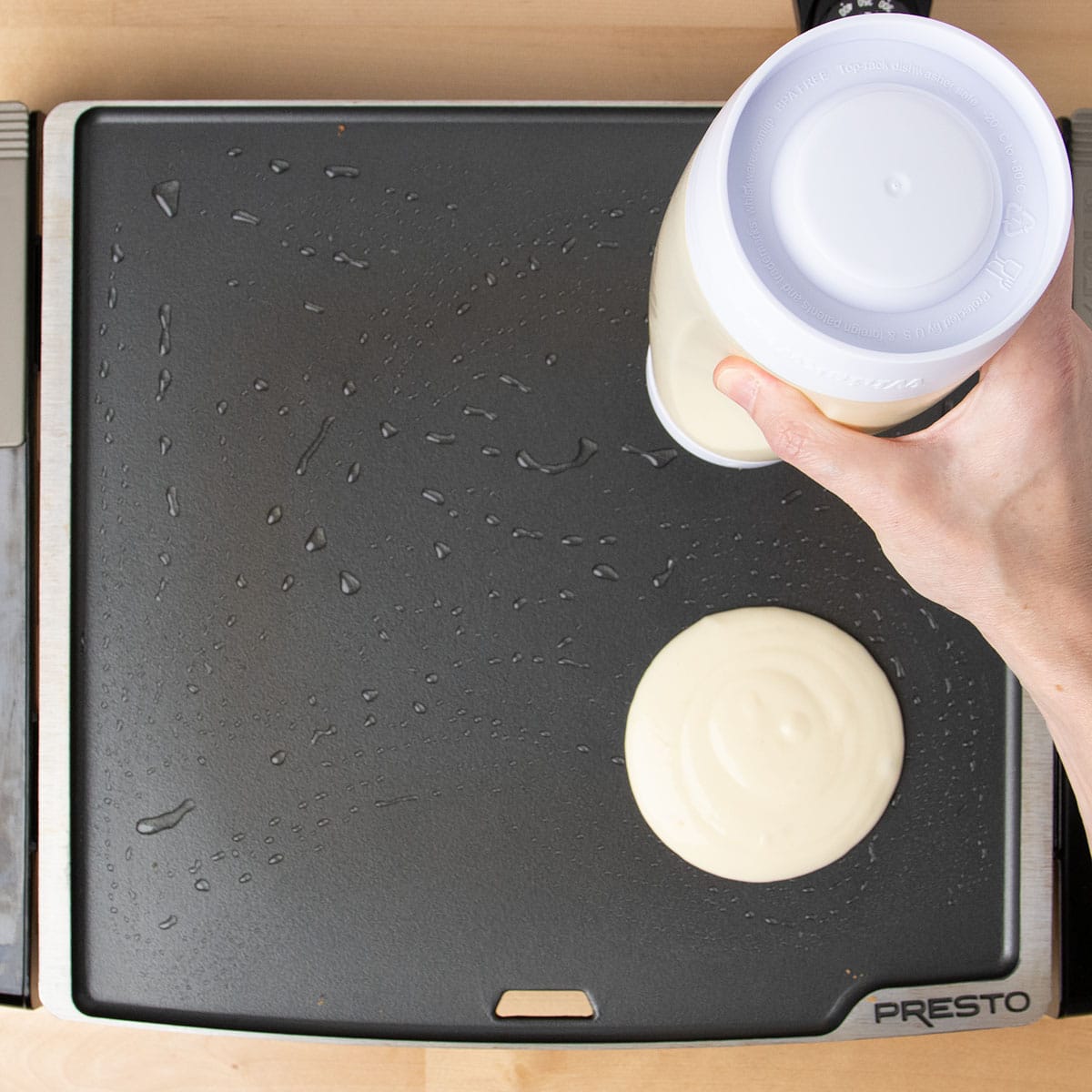
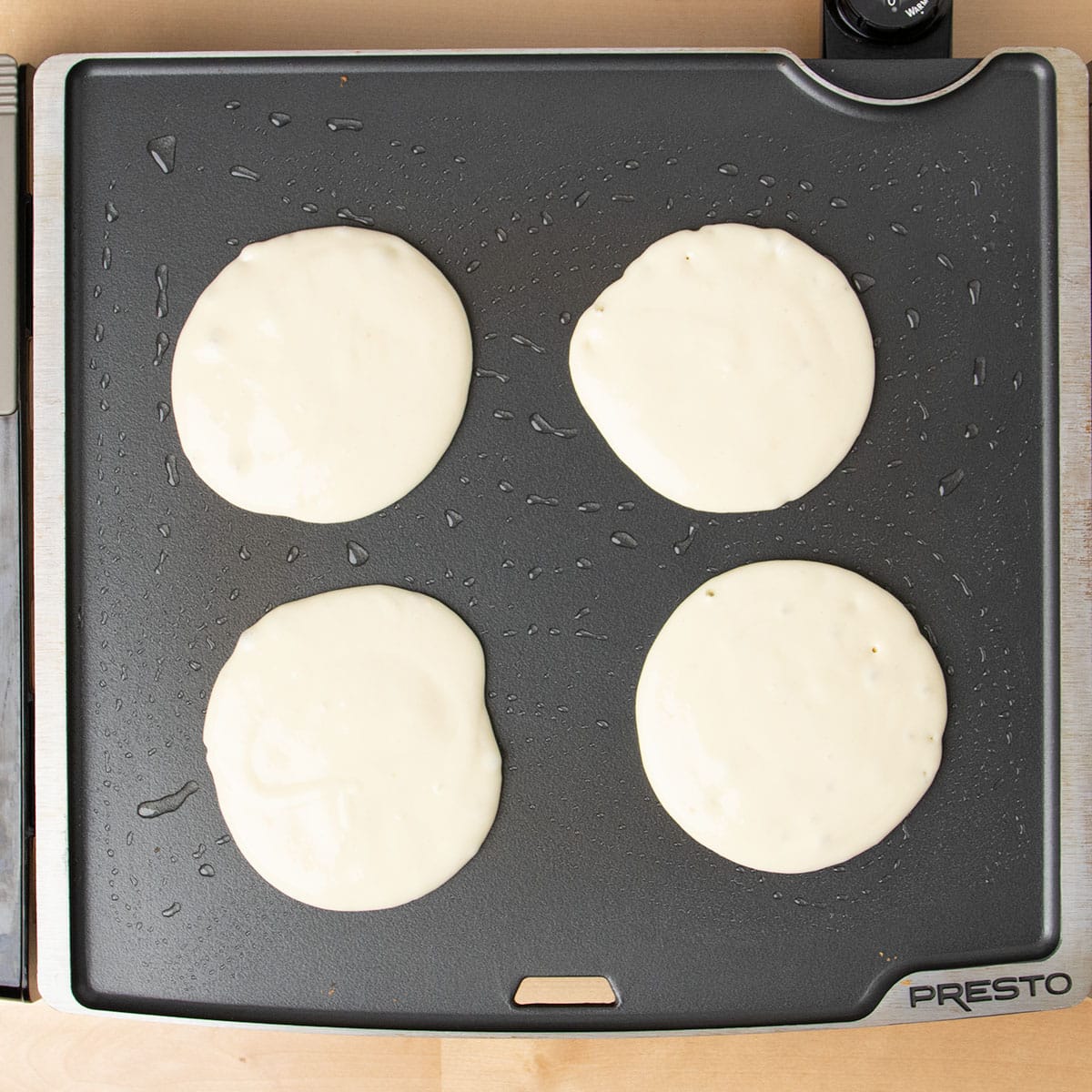
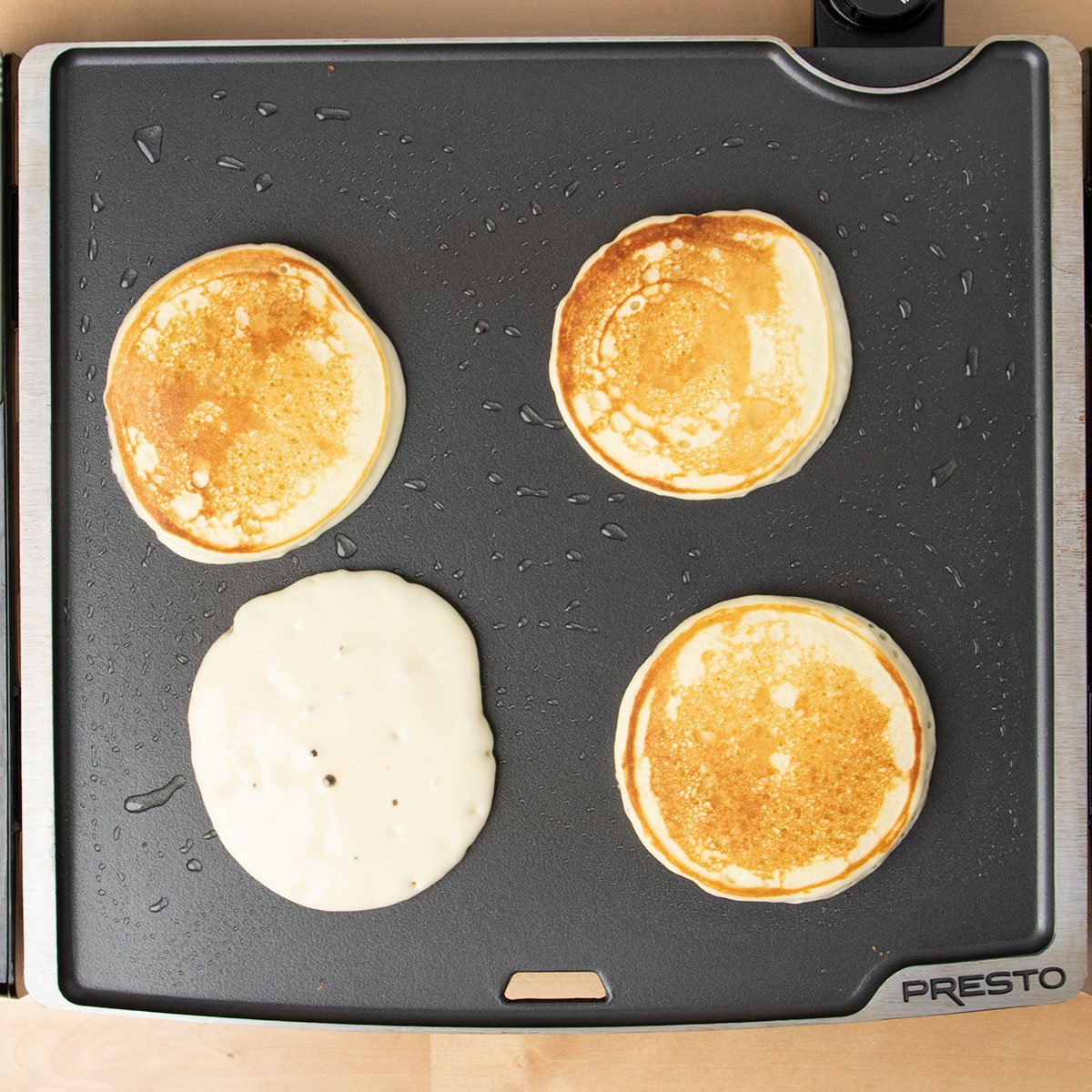
- Portion and Cook: For uniform pancakes, scoop approximately 1/4 cup of batter for each one. Allow the pancakes to cook undisturbed until bubbles begin to break through the surface and the edges appear set. This visual cue indicates that the bottom has cooked sufficiently and the pancake is ready to be flipped. Attempting to flip too early will result in a loose, uncooked batter that can tear or spread.
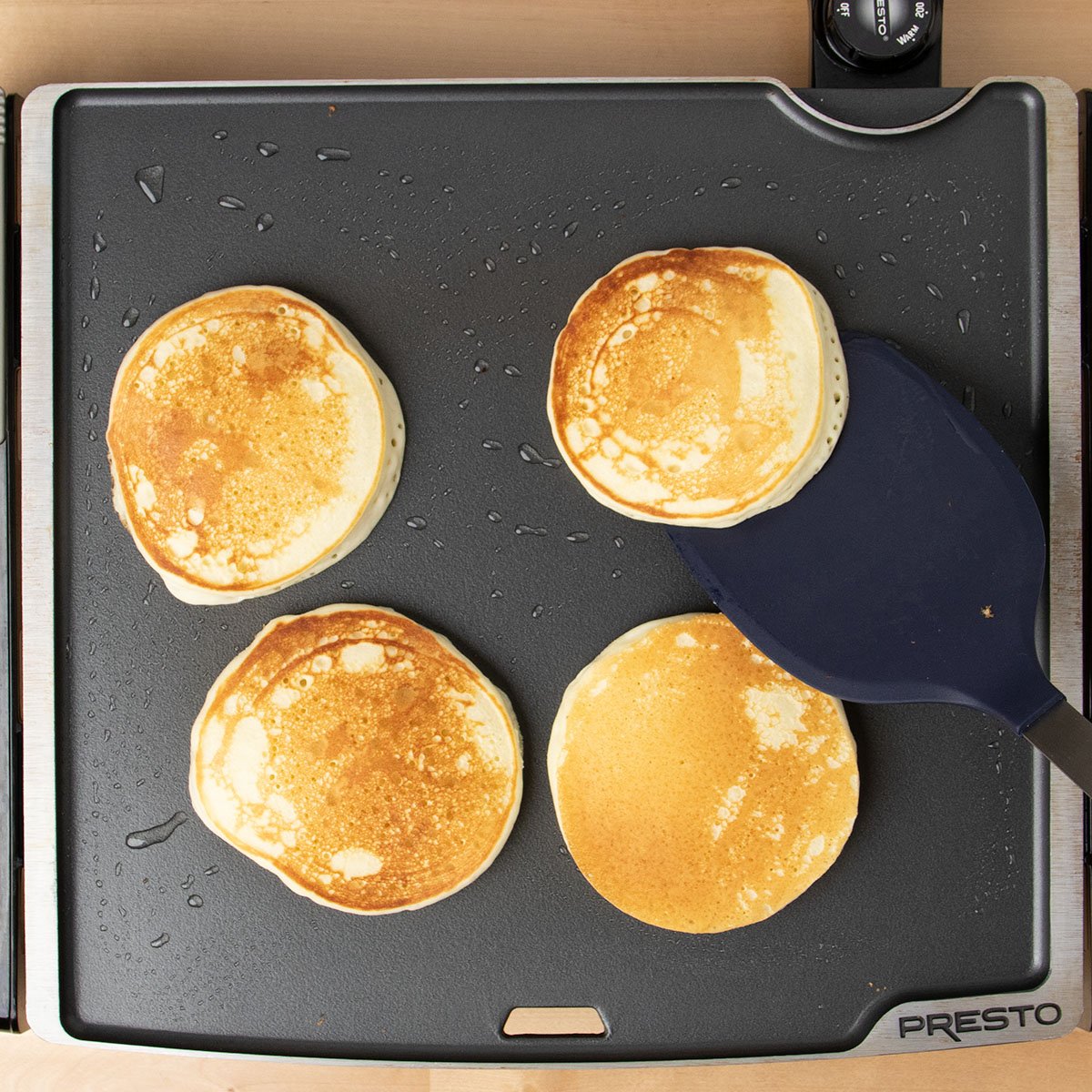
- Flip and Finish: Once the bubbles appear and the edges are set, carefully flip the pancakes. Cook the second side until it achieves a golden-brown color. Some chefs recommend flipping back and forth a few times to ensure even browning and optimal flavor development. Serve the pancakes warm, with your favorite toppings.
Expert Tips for Pancake Perfection

Achieving consistently excellent gluten-free pancakes involves understanding a few nuances of gluten-free baking.
- Mindful Flour Blend Selection: As mentioned, the choice of gluten-free flour blend is critical. Blends with excessive xanthan gum can lead to a batter that thickens excessively, making it difficult to pour and resulting in a gummy texture. Conversely, blends with too little gum might not provide enough structure. The recipe’s recommendation for low-xanthan gum or gum-free blends, with the option to add a small amount, strikes a balance for optimal texture.
- The Role of Xanthan Gum: When using a gum-free blend, adding a small quantity of xanthan gum can significantly improve the pancake’s structure and prevent feathering at the edges. If xanthan gum is omitted, a slight reduction in milk (about 1/4 cup) is advisable to account for the binder’s moisture-absorbing capabilities.
- Optimal Cooking Surface: A nonstick pan or griddle is highly recommended for creating evenly browned pancakes. Even with a nonstick surface, a light greasing with oil or butter ensures that the pancakes release easily and cook evenly, preventing them from frying rather than baking.
- Achieving Taller Pancakes: For those who prefer thicker, fluffier pancakes, incorporating real buttermilk, an additional egg, and some melted butter into the batter can elevate the texture and richness. A separate recipe specifically for gluten-free buttermilk pancakes is available for those seeking this variation.
Ingredient Substitutions for Dietary Needs
This recipe is adaptable to various dietary requirements, ensuring everyone can enjoy these delicious pancakes.
- Dairy-Free Options: Cow’s milk can be readily substituted with unsweetened, unflavored non-dairy milk alternatives. Unsweetened coconut milk (from a carton) or almond milk are excellent choices, provided they have a similar consistency to dairy milk.
- Egg-Free Alternatives: For an egg-free version, several effective substitutes can be used. Options include a chia egg (1 tablespoon chia seeds mixed with 3 tablespoons water, allowed to sit for 5-10 minutes), commercial egg replacers like "Just Egg" brand, or Bob’s Red Mill egg replacer.
Creating a Shelf-Stable Dry Mix for Convenience
The versatility of this recipe extends to its make-ahead dry mix. This component is designed to be shelf-stable and can be prepared in larger batches for future use.
The base dry mix yields approximately 235 grams, which translates to about 1 and a half cups plus three tablespoons by volume. To prepare for multiple pancake-making sessions, this quantity can be multiplied by two, three, or even four. When ready to bake, simply measure out the required 235 grams of the pre-mixed dry ingredients, add the wet components, and proceed with the recipe.
This approach to a gluten-free pancake mix is akin to the convenience offered by traditional boxed mixes, but with the added benefit of control over ingredients and guaranteed quality. Storing the dry mix in a sealed container in a cool, dry pantry can preserve its freshness for up to three months. For longer storage, freezing the mix for up to six months is also an effective option. It is important to allow the mix to return to room temperature before use to ensure accurate ingredient measurements and proper batter consistency.
Storage, Freezing, and Reheating Guidelines
For optimal enjoyment, proper storage and reheating methods are key.
- Short-Term Storage: Once cooled completely, pancakes can be stacked in portions of two or three and stored in an airtight container in the refrigerator for up to two days.
- Freezer-Friendly Options: For longer preservation, wrap pancake stacks and freeze them for up to three months. Thawing can be done at room temperature, overnight in the refrigerator, or quickly in the microwave.
- Reheating Pancakes: To reheat, place pancakes in a toaster or a warm oven until heated through. A light mist of water before toasting can help restore moisture and prevent dryness.
- Dry Mix Storage: As previously noted, the dry mix can be stored in a sealed container in a cool, dark pantry for up to three months or frozen for up to six months. Ensure it reaches room temperature before use.
Addressing Common Pancake Puzzles: FAQs
Home cooks often encounter similar challenges when making pancakes, gluten-free or otherwise.
- Why are my pancakes flat? Flat pancakes are frequently caused by expired leavening agents. Baking powder and baking soda lose their potency over time, diminishing their ability to provide lift. Checking expiration dates and ensuring they are fresh is crucial.
- Why are my pancakes burning? An overly hot cooking surface is the primary culprit for burning pancakes. Reducing the heat slightly and observing for signs of overheating, such as smoking oil or butter, can help prevent this issue.
- Why do my pancakes stick to the pan? Sticking can occur if the pan is not sufficiently hot or if it lacks a nonstick coating. Using a well-heated, nonstick skillet, even if lightly greased, is essential for easy release.
- Can I use this recipe to make waffles? While this recipe yields excellent pancakes, it is not ideal for waffles. Waffle batter requires a different consistency to achieve the characteristic crisp exterior and fluffy interior. A dedicated gluten-free waffle recipe is recommended for optimal results.
The implications of this accessible and reliable gluten-free pancake recipe are significant for individuals managing celiac disease or gluten sensitivities. It removes a common barrier to enjoying beloved comfort foods, empowering home cooks to create delicious, familiar breakfasts without compromise. The ability to prepare a versatile dry mix further enhances its appeal, offering convenience and cost-effectiveness compared to many commercially available gluten-free baking products. This recipe not only delivers on taste and texture but also on the fundamental principle of inclusive cooking—making delicious food accessible to everyone.
