

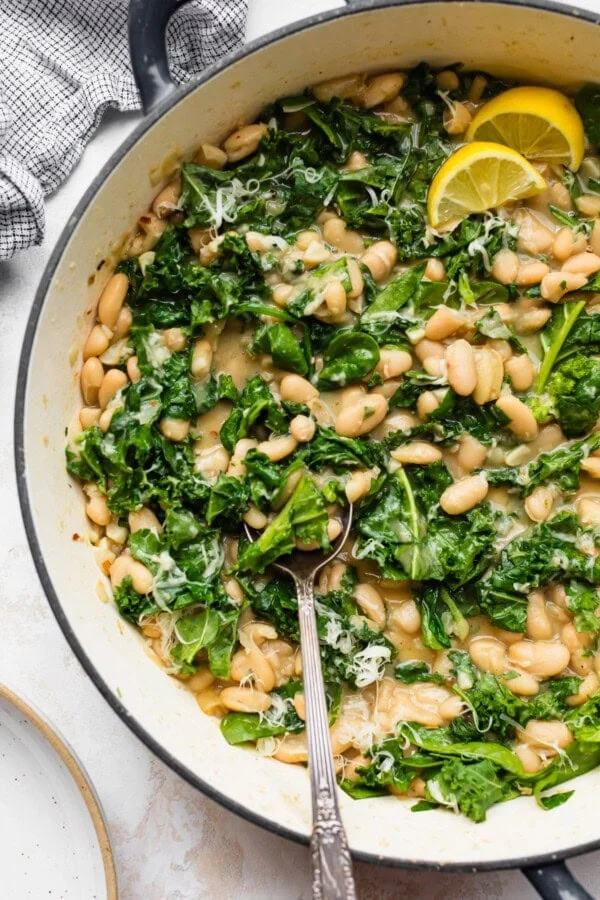
The culinary landscape continues to evolve, with a discernible shift towards dishes that balance nutritional integrity with practical preparation times. In this context, a new rendition of "Beans and Greens," featuring cannellini beans, kale, spinach, garlic, and lemon, has garnered attention for its exceptional blend of health benefits, ease of preparation, and cost-effectiveness. This particular recipe, designed to be ready in approximately 20 minutes, positions itself as a significant development for individuals seeking wholesome, satisfying meals without extensive culinary effort.
Nutritional Powerhouse: A Deep Dive into Fiber and Protein
At the core of this dish’s appeal is its robust nutritional profile, particularly its high fiber and protein content. Each serving delivers over 10 grams of fiber and 14.5 grams of protein, addressing critical dietary needs often overlooked in fast-paced modern lifestyles. Dietary fiber is a cornerstone of digestive health, playing a pivotal role in maintaining bowel regularity and preventing various gastrointestinal issues. Beyond gut health, fiber contributes significantly to cardiovascular wellness by helping to lower cholesterol levels and manage blood sugar, thereby reducing the risk of heart disease and type 2 diabetes. The recommended daily intake for adults is typically 25 to 38 grams, a target many struggle to meet, making high-fiber dishes like this a valuable dietary asset.

Complementing its fiber richness, the substantial protein content, especially when prepared with bone broth, offers prolonged satiety, aiding in weight management by reducing overall caloric intake. Protein is essential for muscle repair, growth, and the production of enzymes and hormones, making it indispensable for overall physiological function. Cannellini beans, the primary protein source here, are not only complete plant-based proteins but also provide a range of micronutrients including iron, magnesium, and folate. The inclusion of nutrient-dense greens further amplifies this, with kale and spinach contributing significant amounts of vitamins A, C, and K, as well as crucial antioxidants that combat oxidative stress and inflammation.
Culinary Heritage and Contemporary Relevance
The concept of combining beans with leafy greens is deeply rooted in various global culinary traditions, particularly within Mediterranean and Italian cuisines. Historically, such dishes were staples of peasant diets, celebrated for their affordability, accessibility, and robust nutritional value. Ingredients like cannellini beans, also known as white kidney beans, have long been a cornerstone of Italian cooking, prized for their creamy texture and ability to absorb flavors. Similarly, greens like kale and spinach have been cultivated for centuries, recognized for their hardiness and health benefits.

This contemporary adaptation of a classic "beans and greens" preparation aligns perfectly with several prevailing dietary trends. There is a growing global movement towards plant-forward eating, driven by increased awareness of both personal health and environmental sustainability. Consumers are actively seeking meals that reduce reliance on animal proteins while still delivering complete nutrition. Furthermore, the demand for quick-preparation meals continues to rise, reflecting the busy schedules of modern households. This recipe effectively bridges the gap between traditional, wholesome eating and the demands of contemporary living, offering a meal that is both timeless in its appeal and perfectly suited for today’s lifestyle. It underscores a broader trend in food development where traditional, humble ingredients are reimagined to meet modern health and convenience parameters.
Ingredient Spotlight: Simplicity Meets Efficacy
The efficacy of this Lemony Greens and Beans dish lies in its carefully selected, simple ingredients, each contributing to its overall flavor profile and nutritional density.

- Cannellini Beans: As the primary legume, canned cannellini beans provide convenience and a creamy texture. They are an excellent source of plant-based protein, dietary fiber, and various minerals such as iron, magnesium, and potassium. Their mild flavor makes them versatile, serving as a perfect canvas for the other ingredients.
- Kale: Specifically Tuscan kale (Lacinato or dinosaur kale) is often preferred for its slightly milder flavor and tender texture once cooked. Kale is renowned as a superfood, packed with vitamins A, C, and K, as well as powerful antioxidants like quercetin and kaempferol, which have anti-inflammatory and anti-cancer properties.
- Spinach: This leafy green wilts quickly and adds a delicate earthiness. Spinach is an outstanding source of iron, calcium, magnesium, and folate, crucial for blood health and bone strength. Its inclusion boosts the overall micronutrient profile of the dish.
- Garlic: A fundamental aromatic in Italian cooking, garlic provides a pungent, savory base. Beyond its flavor, garlic is recognized for its medicinal properties, including immune-boosting and anti-inflammatory effects, attributed to compounds like allicin.
- Lemon: Fresh lemon juice and zest provide a bright, zesty finish that cuts through the richness of the beans and greens, enhancing the overall flavor and adding a refreshing note. Lemon is also a source of vitamin C, further boosting the dish’s antioxidant capacity.
- Broth: A light broth, often vegetable or bone broth, forms the liquid base. Bone broth, in particular, contributes additional protein and collagen, supporting gut health and joint function, aligning with the recipe’s high-protein emphasis.
- Crushed Red Pepper: A touch of crushed red pepper introduces a subtle warmth and depth, without overpowering the delicate flavors.
Preparation Chronology: A Model of Culinary Efficiency
The development of this Lemony Greens and Beans recipe prioritizes a streamlined preparation process, ensuring a nutritious meal is accessible even on the busiest schedules. The entire cooking process is designed to be completed in approximately 20 minutes, demonstrating a commitment to efficiency without compromising flavor or nutritional value.
The chronology of preparation unfolds as follows:

- Aromatic Foundation (Initial Sauté): The process typically commences with sautéing aromatics, primarily garlic and often a hint of crushed red pepper, in olive oil. This step is crucial for building the flavor base of the dish, allowing the garlic to release its fragrant oils and infuse the cooking medium.
- Bean Integration and Simmering: Drained and rinsed cannellini beans are then introduced to the aromatic base. A portion of these beans, often about half, is briefly simmered with the chosen broth. This allows the beans to absorb the flavors of the garlic and spices, creating a cohesive foundation.
- Texture Enhancement (Optional Blending/Mashing): A distinctive feature of this recipe is the optional step of partially blending a portion of the beans directly in the pot using an immersion blender. This technique serves to thicken the broth, imparting a creamy texture and mouthfeel without the need for additional fats or flours. For those without an immersion blender, a regular blender (with precautions for steam release) or a simple fork-mashing technique can achieve similar results, demonstrating the recipe’s adaptability. This step is strategic, enhancing the "cozy" aspect of the dish.
- Greens Incorporation: Once the broth achieves its desired consistency, the hearty Tuscan kale is added, requiring a few minutes to soften. Following the kale, the more delicate spinach is introduced, which wilts rapidly, preserving its vibrant color and nutritional integrity. The sequential addition ensures optimal texture for both greens.
- Flavor Brightening (Final Touches): The dish is finished with a generous squeeze of fresh lemon juice, which brightens the flavors and adds a crucial acidic counterpoint. Seasoning adjustments are made to taste.
- Optional Garnish and Serving: For an enhanced experience, the dish can be topped with grated Parmesan cheese, providing a savory umami note, and served alongside crusty bread, ideal for soaking up the flavorful broth.
This methodical, quick succession of steps exemplifies how thoughtful recipe design can yield significant time savings while delivering a deeply satisfying and nutrient-rich meal.
Economic and Environmental Considerations
Beyond its health and convenience attributes, the Lemony Greens and Beans recipe also presents compelling economic and environmental advantages. Legumes, such as cannellini beans, are consistently among the most cost-effective sources of protein available. This makes the dish an excellent option for budget-conscious consumers seeking to maximize nutritional value without incurring high grocery expenses. The affordability of beans, kale, and spinach means that a wholesome, balanced meal can be prepared for a fraction of the cost of meat-centric dishes or restaurant alternatives.

From an environmental perspective, plant-based meals generally have a significantly lower carbon footprint compared to meals centered around animal products. The production of legumes and leafy greens requires fewer natural resources, such as land and water, and generates fewer greenhouse gas emissions. By promoting such recipes, there is a subtle but impactful contribution to more sustainable dietary practices. This aligns with broader societal goals to reduce environmental impact through conscious food choices.
Expert Commentary and Audience Reception (Inferred)
Culinary experts and nutritionists frequently advocate for increasing the intake of fiber and plant-based proteins. The author of this recipe, Gina, a recognized figure in healthy cooking, explicitly highlights its suitability for boosting fiber intake and notes its substantial protein content. Her endorsement underscores the dish’s utility not just as a quick meal, but as a strategic tool for dietary improvement. "I’m trying to eat more beans to increase my fiber intake, and this canned beans and greens recipe is perfect for helping me reach my goal," Gina states, adding, "With over 10 grams protein per serving, it holds up well for meal prep!" This direct testimony validates the recipe’s core benefits.

Based on these characteristics, it can be logically inferred that the recipe is poised for positive reception among several key demographics:
- Health-Conscious Individuals: Those actively seeking to improve their diet through increased fiber and plant-based protein will find this recipe highly appealing.
- Busy Professionals and Families: The 20-minute preparation time makes it an attractive option for those with limited time for cooking.
- Budget-Minded Consumers: Its use of affordable pantry staples positions it as an economical choice.
- Meal Preppers: Its ability to "hold up well for meal prep" suggests it will be favored by those who plan meals in advance, reducing daily cooking stress.
The anticipation is that this recipe will be embraced as a versatile component of weekly meal plans, serving as either a satisfying meatless main course or a nutritious side dish, particularly when paired with complements like garlic toast.
Versatility and Customization: Adapting to Diverse Palates

A hallmark of a truly adaptable recipe is its capacity for variation, and the Lemony Greens and Beans dish excels in this regard. This flexibility allows home cooks to tailor the meal to their preferences, dietary restrictions, or simply what they have on hand.
- Bean Alternatives: While cannellini beans offer a specific creaminess, other white beans such as great northern beans or navy beans can be substituted. For a different flavor and texture profile, chickpeas or even red kidney beans could be explored.
- Greens Exploration: Beyond kale and spinach, a multitude of leafy greens can be incorporated. Collard greens, Swiss chard, or even broccoli rabe could lend their distinct flavors and textures. The key is to adjust cooking times according to the greens’ heartiness, adding tougher greens earlier in the simmering process.
- Broth Customization: Vegetable broth is ideal for a strictly plant-based meal, while chicken or bone broth can enhance the savory depth and protein content, as suggested. Low-sodium options are recommended for health-conscious individuals.
- Protein Boosts: For those desiring additional protein beyond the beans, cooked chicken, sausage (chicken or turkey for leaner options), or even shrimp can be stirred in during the final minutes of cooking. Vegetarians might consider adding firm tofu or tempeh, seared separately and added at the end.
- Spice and Herb Enhancements: The base recipe provides a mild spice profile. To elevate the flavor, fresh or dried herbs like rosemary, thyme, or oregano can be added during the simmering phase. A pinch of smoked paprika could introduce a deeper, more complex note.
- Topping Variations: Beyond Parmesan, a drizzle of high-quality olive oil, a sprinkle of toasted nuts or seeds for crunch, or a dollop of pesto could further customize the dish. A poached egg could transform it into a hearty breakfast or brunch item.
This inherent adaptability underscores the recipe’s practical appeal, ensuring it remains fresh and exciting with repeated preparations.
Storage and Meal Prep Advantages

The Lemony Greens and Beans recipe is particularly well-suited for meal preparation, a strategy increasingly adopted by individuals and families to manage healthy eating throughout the week. The dish maintains its quality and flavor when stored properly, making it an excellent candidate for batch cooking.
- Refrigeration: Leftovers can be stored in an airtight container in the refrigerator for up to 3 to 4 days. The flavors often meld and deepen slightly overnight, potentially enhancing the taste experience on subsequent days.
- Reheating: The dish reheats effectively on the stovetop over medium-low heat or in the microwave. A splash of additional broth or water may be needed to restore the desired consistency, as the beans and greens can absorb liquid upon standing.
- Freezing (with consideration): While possible, freezing may alter the texture of the greens, making them softer upon thawing. If freezing, it is advisable to undercook the greens slightly if texture is a primary concern. Store in freezer-safe containers for up to 2-3 months. Thaw overnight in the refrigerator before reheating.
These storage benefits reinforce the recipe’s value proposition as a practical, healthy solution for busy individuals, minimizing food waste and maximizing efficiency in meal planning.
Broader Implications for Home Cooking

The introduction and popularization of recipes like Lemony Greens and Beans carry broader implications for home cooking and public health. They exemplify a growing trend towards simplifying nutritious meal preparation, making healthy eating less daunting and more attainable for the average consumer. By demonstrating that wholesome, flavor-rich meals can be created with minimal ingredients and time, such recipes empower individuals to take greater control over their dietary choices.
This focus on accessible, nutrient-dense, and budget-friendly meals challenges the perception that healthy eating is inherently complex or expensive. It encourages a return to basic, whole ingredients, moving away from processed foods that often lack essential fiber and protein. As consumers continue to seek ways to balance demanding schedules with wellness goals, dishes that offer high impact with low effort will undoubtedly continue to gain prominence, shaping future culinary trends and contributing to improved public health outcomes. This recipe stands as a testament to the power of simple ingredients, thoughtfully combined, to deliver significant nutritional and lifestyle benefits.
