

The dynamic landscape of food and entertainment this week has seen a fascinating convergence of celebrity culture, industry consolidation, emerging social media trends, and bold marketing strategies. From pop sensation Sam Smith’s venture into the world of food influencing with a newly public "finsta" account to the significant merger of major restaurant reservation platforms Resy and Tock, the culinary sphere continues to evolve at a rapid pace. Cultural commentators are also dissecting the latest viral food trend, "boy kibble," a stark contrast to the popular "girl dinner," while Dunkin’ makes headlines with an audacious offering of 48-ounce iced coffee buckets in a regional test. These developments collectively underscore the multifaceted ways in which food intersects with technology, celebrity, and consumer behavior in the modern era.
Celebrity Cuisine: Sam Smith’s "SamServed" Account and the Rise of Finstas
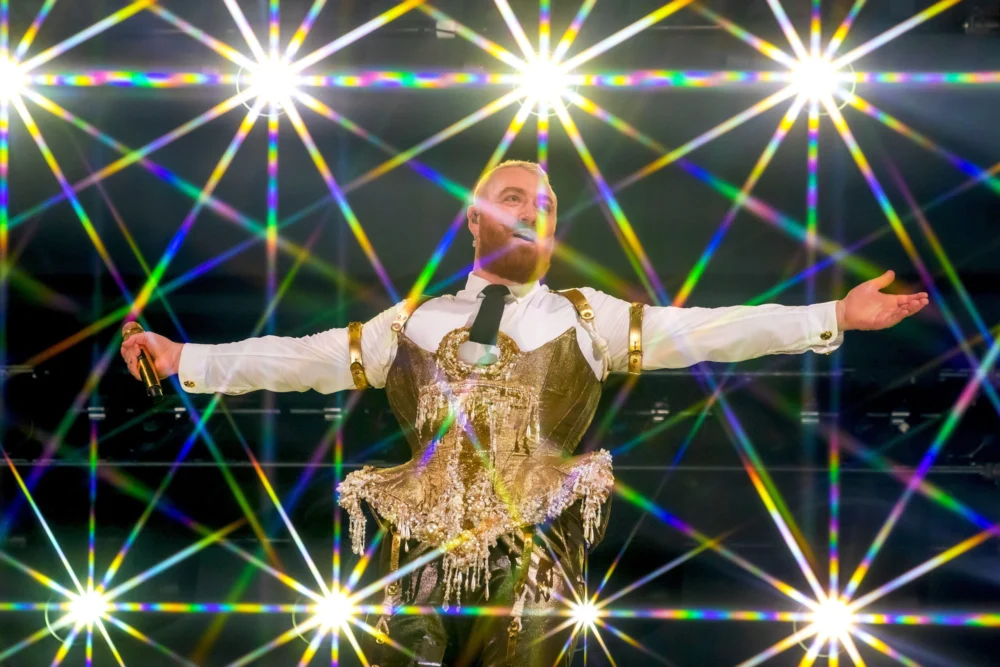
The allure of authenticity in the meticulously curated world of celebrity social media has given rise to "finstas," or "fake Instagrams," where public figures ostensibly share more candid glimpses into their lives. This week, Grammy-winning artist Sam Smith has formally entered this space, albeit with a unique culinary twist, by making their previously private food-focused Instagram account, "SamServed," publicly accessible. This move positions Smith as the latest high-profile personality to embrace the finsta trend, following in the footsteps of figures like Martha Stewart, known for her surprisingly unfiltered social media presence, and rapper Kendrick Lamar.
The Finsta Phenomenon: A Quest for Authenticity
Finstas serve as a strategic marketing tool designed to humanize celebrities, offering a perceived unfiltered window into their daily experiences away from the polished sheen of their official accounts. In an age where digital authenticity is highly valued by audiences, these secondary accounts allow celebrities to share more personal content, from mundane activities to quirky hobbies, fostering a deeper sense of connection with their fanbase. The concept leverages the desire among followers to see their idols as "just like us," engaging in relatable activities, which often translates into increased engagement and a more nuanced public image.
Sam Smith’s Culinary Chronicle
Sam Smith’s "SamServed" account, identifiable by its handle @samserved, diverges from the typical celebrity finsta by dedicating itself entirely to their gastronomic adventures. The account, which features posts dating back to November of the previous year, showcases Smith’s exploration of various eateries and culinary delights. An early highlight includes a fervent endorsement of Kebabistan, a restaurant in Copenhagen, demonstrating a passion for food that transcends mere celebrity endorsement.
Since its public unveiling, "SamServed" has rapidly garnered attention, with its follower count quickly escalating. While still modest compared to Smith’s official Instagram account, which boasts over 14 million followers, the growth of "SamServed" to over 11,000 followers at the time of reporting signifies a considerable interest from fans and food enthusiasts alike. This indicates a strong appetite for content that blends celebrity lifestyle with genuine culinary appreciation.
San Francisco Forays: A Taste of Local Favorites
During their recent performances in San Francisco, Smith utilized the "SamServed" platform to document their exploration of the city’s renowned food scene. Videos begin with a playful and endearing greeting, "Hi piggies," setting a lighthearted tone for their reviews. One notable video captured Smith at Mission Chinese, a celebrated establishment known for its innovative Sichuan-inspired cuisine. Visibly enthusiastic, Smith declared the food "amazing" amidst a table laden with dishes, providing an authentic reaction that resonates with viewers. Another post featured Smith posing in front of the cheese case at Molinari Delicatessen, a historic Italian deli in the city, underscoring their diverse culinary interests. These local spotlights not only highlight Smith’s personal tastes but also inadvertently promote local businesses, showcasing the potential for cross-cultural and economic impact. The engagement has prompted speculation among fans and local media regarding which other Bay Area favorites Smith might visit and whether the East Bay’s vibrant food scene will feature in future posts. The candid nature of these updates has led to humorous predictions, such as the potential for "Hi Piggies" merchandise, further illustrating the charming and relatable appeal of the account.
Implications for Celebrity Branding and Food Influencing
Sam Smith’s foray into the "food finsta" territory represents an interesting evolution in celebrity branding. It blurs the lines between personal passion and public persona, offering a seemingly unmediated connection with an audience increasingly wary of overly polished brand endorsements. The success of "SamServed" could pave the way for other celebrities to leverage their genuine interests in niche areas, potentially opening new avenues for brand collaborations that feel more organic and authentic. Furthermore, it highlights the growing power of individual taste and recommendation in the food influencing space, even when originating from a global superstar.
Industry Consolidation: Resy and Tock Unite, Reshaping Restaurant Reservations
The intensely competitive landscape of restaurant reservations is on the cusp of a significant transformation with the announcement of a strategic unification between leading platforms Resy and Tock. In a press release issued earlier this week, Resy declared its intention to integrate Tock venues into its platform, a move anticipated to be finalized this summer. This development effectively signals the absorption of Tock by Resy, solidifying Resy’s position as a dominant player in the highly coveted online reservation market.
The Merger Details: A Unified Front
The "unification" means that Tock, a platform celebrated for its innovative ticketing system and often favored by high-end, tasting-menu restaurants, will cease to operate independently. Its inventory of restaurant partners and their reservation systems will be migrated to the Resy platform. This consolidation is expected to streamline the reservation process for consumers by centralizing options, but it also portends a shift in the competitive dynamics for both diners and restaurateurs.
A Brief History of Reservation Platforms and Consolidation
The modern era of restaurant reservations has been shaped by a handful of key players. OpenTable, an early pioneer, established the digital reservation model. Subsequently, Resy emerged, acquired by American Express in 2019, leveraging its financial backing and integrated loyalty programs. Tock, founded by Nick Kokonas, co-owner of Alinea Group, differentiated itself with a unique ticketing model designed to reduce no-shows and manage demand for high-profile dining experiences. This model proved particularly attractive to Michelin-starred restaurants and those with limited seating.
The acquisition of Resy by American Express underscored the strategic value of restaurant access for credit card companies, offering exclusive perks and early booking windows to cardholders. Similarly, Tock was acquired by Squarespace in 2021, integrating its powerful reservation system into a broader suite of tools for businesses. The current unification under the Resy banner, with its deep ties to American Express, represents a further concentration of power within a market that has seen rapid growth and innovation.
Impact on Diners and Restaurateurs
For diners, the immediate implication of this unification is a potential reduction in platform choice. While it could simplify the search process by aggregating more restaurants onto a single platform, it also means less competition among reservation services, which might affect pricing models or access to prime tables. Critically, the strong integration of Resy with American Express means that Amex cardholders may gain even greater advantages, such as exclusive early access to highly sought-after reservations, making securing a table at popular establishments potentially more challenging for non-cardholders. This could exacerbate existing disparities in access to elite dining experiences.
Restaurateurs, on the other hand, may experience both benefits and drawbacks. A unified platform could simplify operations by reducing the need to manage multiple systems and subscription fees. However, it also means reduced leverage in negotiating terms with a dominant platform, potentially leading to higher service charges or less flexible contract terms in the long run. The loss of Tock’s distinct ticketing model might also impact how high-demand restaurants manage their bookings and revenue, though Resy has indicated an intent to integrate the best features of Tock.
Navigating the New Landscape
The consolidation is projected to intensify the competition for reservations, a phenomenon that has already reached fever pitch in major culinary centers. The past few years have witnessed the emergence of "reservation culture" as a significant social and economic force, inspiring elaborate strategies ranging from sophisticated online bidding wars to illicit "appointment trading" markets. As the playing field narrows, diners may need to adapt their strategies. Industry analysts suggest that in addition to leveraging credit card perks, the age-old practice of becoming a "regular" at desired establishments could become an even more valuable tactic. Building rapport with restaurant staff can often provide a more reliable path to securing tables, bypassing the digital scramble. This merger highlights a broader trend in the tech industry where consolidation leads to fewer, larger players, fundamentally altering how consumers interact with essential services.
Cultural Commentary: The Curious Case of "Boy Kibble" and Gendered Food Trends
The dynamic world of social media food trends, particularly on platforms like TikTok, has given rise to various viral phenomena that reflect and shape contemporary eating habits. While "girl dinner" charmed the internet with its whimsical simplicity, a recently circulated concept dubbed "boy kibble" has elicited a far more polarized, and often negative, reaction. This emerging trend highlights the ongoing, and sometimes contentious, dialogue surrounding gendered food perceptions and nutritional choices.
Deconstructing "Girl Dinner": A Cultural Phenomenon
"Girl dinner," which gained significant traction on TikTok in mid-2023, is characterized as a low-effort, aesthetically pleasing assortment of snack foods often enjoyed for dinner. Typically comprising items such as cheese, crackers, cured meats like salami, fruit, and pickles, it evokes the image of a sophisticated charcuterie board without the formality. Its appeal lies in its unpretentious nature, celebrating effortless grazing and the rejection of traditional, elaborate meal preparation. "Girl dinner" resonated widely, particularly among women, as a form of culinary self-care and a lighthearted embrace of simple pleasures, often framed as an antidote to the pressures of elaborate meal planning. It became a symbol of reclaiming casual eating and finding joy in uncomplicated culinary arrangements.
Introducing "Boy Kibble": A Stark Contrast
In stark contrast to the convivial and diverse "girl dinner," the concept of "boy kibble" has emerged as its purported male counterpart. As described in early iterations, "boy kibble" typically consists of unseasoned ground beef and plain white rice, consumed primarily for its perceived protein content and caloric efficiency. This minimalist approach eschews flavor, variety, and aesthetic appeal in favor of a purely functional, nutrient-delivery system. The term itself, "kibble," deliberately evokes imagery of animal feed, contributing to the widespread revulsion and discomfort associated with the concept. The visual representation often reinforces this, depicting a bland, unappetizing meal that prioritizes sustenance over culinary enjoyment.
Nutritional and Cultural Critiques
The reception of "boy kibble" has been largely critical, both conceptually and semantically. From a nutritional standpoint, while ground beef and white rice provide protein and carbohydrates, a diet consisting solely of unseasoned versions of these two components is severely lacking in essential vitamins, minerals, fiber, and diverse macronutrients. Nutritionists would likely advise against such a restrictive and unvaried eating pattern, emphasizing the importance of incorporating a wide array of fruits, vegetables, and whole grains for overall health.
Culturally, "boy kibble" has been met with disdain for several reasons. Firstly, its lack of culinary imagination stands in stark opposition to the more celebrated and varied "girl dinner." Where "girl dinner" embraces a certain playful elegance, "boy kibble" embodies a crude, almost performative, minimalism. Secondly, the term itself and its visual associations with dog food are inherently off-putting, leading many to express disgust. It conjures images of uninspired, joyless eating, stripped of any social or sensory pleasure. Commentators suggest that "boy kibble" may be a satirical response or a misinterpretation of the "girl dinner" trend, attempting to create a gendered parallel without grasping the nuanced cultural appeal of its predecessor. It has sparked discussions about gender stereotypes in food, with some arguing it perpetuates a narrow, overly pragmatic view of male eating habits that ignores the rich diversity of male culinary preferences.
The Future of Viral Food Trends
The contrasting receptions of "girl dinner" and "boy kibble" underscore the complex interplay between food, identity, and social media. While "girl dinner" succeeded by tapping into a desire for ease, aesthetic pleasure, and relatable comfort, "boy kibble" has largely failed to resonate, primarily due to its perceived lack of appeal, nutritional deficiencies, and off-putting nomenclature. This phenomenon highlights how quickly food trends can emerge and spread on social media, but also how swiftly they can be embraced or rejected based on their cultural resonance and perceived value. It also prompts broader questions about the authenticity versus irony in online food discourse and the perpetuation of gendered stereotypes through viral content.
Beverage Innovation: Dunkin’s Oversized Iced Coffee Buckets Make a Splash
In a bold move that combines regional loyalty with a flair for the dramatic, Dunkin’ (formerly Dunkin’ Donuts) is currently testing an unprecedented 48-ounce bucket of iced coffee in select Massachusetts locations. This colossal beverage offering, priced under $10, arrives on the heels of a significant blizzard, perfectly encapsulating the quintessential New England spirit and its enduring affinity for iced coffee, regardless of the weather.
A New England Experiment: Embracing the Extreme
Dunkin’ has long held an iconic status in New England, transcending its role as a mere coffee and donut chain to become a cultural institution. The brand’s deep roots in the region mean that its marketing strategies often resonate powerfully with the local populace. The introduction of a 48-ounce iced coffee bucket, designed to cater to the most avid caffeine enthusiasts, is a testament to this understanding. This move capitalizes on New Englanders’ legendary dedication to iced coffee year-round, even in the depths of winter. The timing, directly following a record-smashing blizzard, adds an ironic and humorous touch, reinforcing the "nothing stops us from our iced coffee" mentality prevalent in the region.
Dunkin’s Brand Strategy: Novelty, Value, and Viral Potential
This initiative aligns with Dunkin’s broader marketing strategy, which often incorporates novelty items and value propositions to generate buzz and maintain customer engagement. Oversized food and beverage items have historically proven successful in the fast-food industry for their ability to capture media attention, create viral content, and offer a perception of exceptional value. For under $10, a 48-ounce bucket represents a significant volume of coffee for its price point, appealing to budget-conscious consumers and those seeking an extended caffeine fix.
The "iced coffee bucket" is inherently shareable, both in a literal sense and as social media content. Its sheer size and unconventional packaging make it "meme-able," encouraging customers to post about their experience, thereby generating organic publicity for Dunkin’. This type of experiential marketing fosters a sense of community and excitement around the brand, reinforcing its playful and accessible image.
Consumer Reception and Market Impact
Early indications suggest a positive reception from local customers, who appreciate the humor and practical value of the massive drink. Many view it as a fun "bit" or a collectible item, in addition to being a functional beverage. The phenomenon could drive significant foot traffic to participating locations, boosting sales not only of the buckets themselves but also of other menu items. Should the test prove successful in Massachusetts, there is a strong possibility that Dunkin’ could roll out the iced coffee bucket to a broader market, potentially across other regions with strong iced coffee consumption or during warmer months.
The Bigger Picture for Fast Food and Beverage
Dunkin’s iced coffee bucket experiment reflects a larger trend in the fast-food and beverage industry: the constant pursuit of innovation, often through exaggerated sizes or unique packaging, to capture consumer attention in a crowded market. It underscores the importance of understanding regional consumer preferences and leveraging them for targeted marketing campaigns. As companies vie for market share, such bold, regionally sensitive initiatives can create significant brand loyalty and generate widespread discussion, proving that sometimes, bigger truly is better when it comes to capturing the public’s imagination.
