

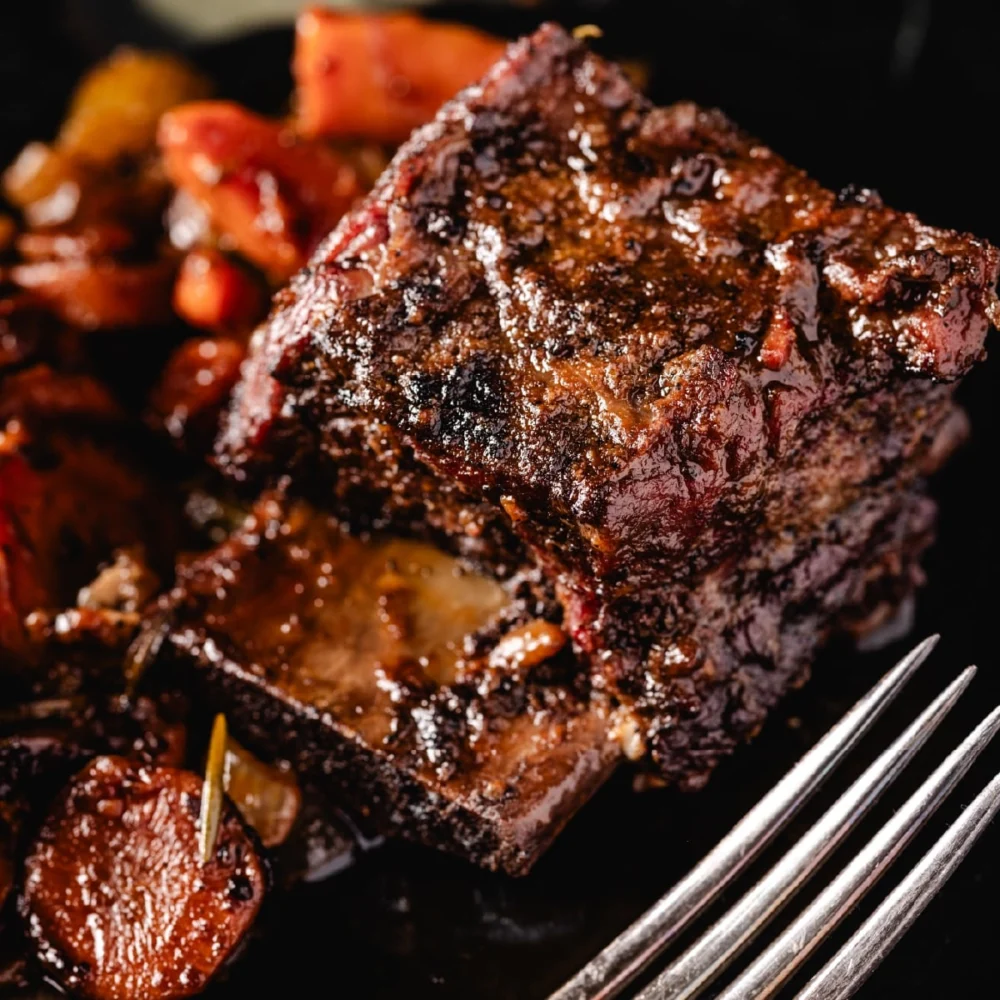
The integration of traditional indoor slow-cooking methods with outdoor grilling technology has reached a new milestone with the refinement of the braised beef short rib technique. Traditionally categorized as a labor-intensive kitchen endeavor, the process of braising short ribs—searing meat at high temperatures before simmering it in a seasoned liquid—has transitioned to the backyard grill, offering a unique flavor profile that combines smoky char with the tenderness of a classic pot roast. This culinary evolution highlights a broader trend in the gastronomic world where the boundaries between professional kitchen techniques and home barbecue are increasingly blurred. By utilizing a two-zone grilling system and a complex umami-rich braising liquid, enthusiasts are now able to achieve restaurant-quality results that emphasize the breakdown of connective tissues through controlled, low-temperature thermal application.
The Technical Foundation of Outdoor Braising
Braising is a dual-method cooking process that relies on both dry and moist heat. When applied to the grill, the process begins with the Maillard reaction, a chemical reaction between amino acids and reducing sugars that gives browned food its distinctive flavor. For beef short ribs, this requires a high-heat sear to establish a crust, or "bark," which provides structural integrity and flavor depth before the meat is submerged in liquid.

The transition from the sear to the simmer is facilitated by "two-zone grilling." This configuration involves concentrating the heat source—whether charcoal, wood, or gas—on one side of the appliance while leaving the other side unheated. This allows the chef to move the cooking vessel away from direct flames, preventing the braising liquid from reaching a violent boil, which can toughen the meat fibers. Instead, a gentle simmer is maintained, typically between 250°F and 300°F (121°C to 149°C) ambient temperature, which is the optimal range for converting collagen into gelatin.
Chronology of the Braising Process
The successful execution of braised short ribs on a grill follows a strict chronological progression designed to maximize flavor extraction and textural refinement.
Phase I: Preparation and Seasoning
The process commences with the selection of high-quality beef short ribs, characterized by significant marbling and thick meat-to-bone ratios. The ribs are seasoned heavily with a salt-and-pepper-based rub. Industry standards often include garlic powder and onion powder to enhance the savory profile. This dry seasoning serves as the foundation for the exterior crust developed during the initial searing stage.

Phase II: The Direct Heat Sear
Once the grill reaches a high-intensity temperature, the ribs are placed directly over the heat source. This stage is brief but critical, lasting only long enough to develop a dark, caramelized exterior on all sides. This step locks in the initial juices and introduces the subtle smokiness that distinguishes grilled braised ribs from their oven-bound counterparts.
Phase III: Assembly of the Braising Environment
Following the sear, the ribs are transferred to a heavy-bottomed vessel, such as a cast-iron Dutch oven. The braising liquid is then introduced. A standard professional composition includes:
- Aromatics: Diced carrots, celery, and onions (a classic mirepoix).
- Acidity: Red wine, which assists in breaking down tough muscle fibers.
- Umami Enhancers: Worcestershire sauce and high-quality beef stock.
- Lipids: Unsalted butter to add silkiness to the resulting reduction.
Phase IV: The Slow Simmer
The vessel is covered and moved to the indirect heat zone of the grill. Over the course of 2.5 to 3 hours, the meat undergoes a transformation. The internal temperature of the beef must reach approximately 210°F (99°C). At this specific thermal threshold, the stubborn connective tissues in the short rib fully dissolve, resulting in the "fall-off-the-bone" texture sought by culinary professionals.

Supporting Data and Nutritional Analysis
The nutritional and physical composition of braised short ribs reflects the richness of the dish. According to standardized nutritional data for a single serving of this preparation (approximately six servings per recipe), the profile is as follows:
- Total Calories: 506 kcal
- Protein: 44g (essential for muscle repair and satiety)
- Total Fat: 30g (including 14g of saturated fat)
- Carbohydrates: 11g
- Sodium: 2791mg (primarily derived from the seasoning rub and beef stock)
- Vitamin A: 7376 IU (largely contributed by the braised carrots)
From a scientific perspective, the three-hour cooking window is not arbitrary. Studies in meat science indicate that the conversion of collagen to gelatin is a time-temperature dependent reaction. While collagen begins to denature at 140°F, the process is slow; it accelerates significantly between 160°F and 180°F, but requires the higher 200°F+ range to achieve the complete structural collapse necessary for short ribs.
Market Context and Background
The rise in popularity of outdoor braising is closely linked to the "Slow Food" movement and the expansion of the outdoor kitchen market. According to industry reports from the Hearth, Patio & Barbecue Association (HPBA), consumer interest in versatile grilling equipment has surged by over 20% in the last five years. Home cooks are no longer satisfied with simple burgers and hot dogs; they are increasingly seeking techniques that utilize the grill as a comprehensive outdoor oven.

Furthermore, the influence of culinary educators like Susie Bulloch, founder of the "Hey Grill Hey" platform, has democratized these professional techniques. By providing structured, accessible methodologies for complex dishes like braised short ribs, these experts have shifted the perception of the backyard grill from a summer novelty to a year-round culinary tool. This shift is also reflected in the beef industry, where "lesser" cuts like short ribs have seen a value increase as consumers learn how to prepare them effectively through slow-cooking methods.
Expert Analysis of Flavor Profiles
Culinary analysts note that the use of red wine and Worcestershire sauce in the braising liquid creates a sophisticated flavor bridge. The tannins in the red wine react with the proteins in the beef, while the fermented notes of the Worcestershire sauce provide a deep, savory backbone. When combined with the natural sugars found in the carrots and onions, the liquid reduces into a thick, glaze-like consistency that coats the meat.
"The key to a successful outdoor braise is the management of the liquid reduction," states one industry consultant. "On a grill, you have the added variable of evaporation rates differing from a controlled oven environment. The result is often a more concentrated flavor profile, as the smoke from the grill subtly permeates the vessel if it is not perfectly airtight."

Broader Impact and Implications for Home Gastronomy
The move toward outdoor braising represents a significant shift in domestic food preparation. It encourages the use of energy-efficient outdoor spaces and promotes the consumption of nutrient-dense, whole-food ingredients. As more households adopt these methods, the demand for specialized cookware—such as grill-safe Dutch ovens and high-precision digital thermometers—continues to grow.
Additionally, this technique fosters a communal dining experience. The long lead time required for braising encourages social interaction, positioning the cooking process as an event in itself. The versatility of the final product—which can be served over mashed potatoes, rice, or with crusty bread—makes it a staple for large gatherings, further cementing its place in the modern culinary repertoire.
In conclusion, the practice of braising beef short ribs on the grill is more than a simple recipe; it is a demonstration of thermal control, chemical reaction management, and culinary patience. As outdoor cooking technology continues to advance, it is likely that more traditional indoor techniques will find new life in the backyard, continuing the evolution of the modern barbecue hero. Through the careful application of sear and simmer, the short rib remains a testament to the enduring appeal of slow-cooked, high-flavor cuisine.
