

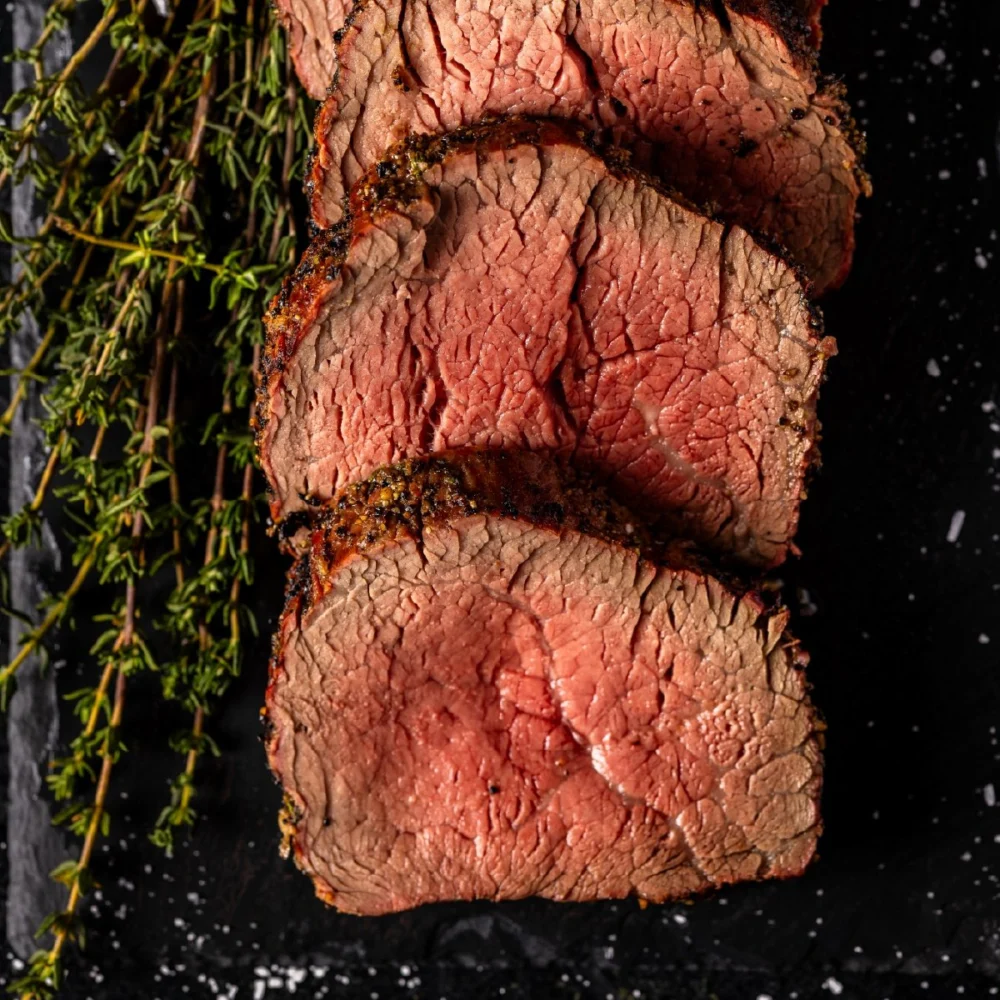
The beef tenderloin, scientifically known as the psoas major muscle, remains one of the most sought-after cuts in the global meat industry due to its unparalleled tenderness and lean profile. As a non-weight-bearing muscle located along the spine, the tenderloin avoids the development of heavy connective tissue, making it the premier choice for high-end culinary applications, ranging from classic Chateaubriand to individual filet mignon steaks. In the context of contemporary outdoor cooking, the grilled beef tenderloin has emerged as a preferred centerpiece for domestic social gatherings and professional catering alike, offering a balance of sophisticated flavor and manageable preparation.
Market Context and the Anatomy of the Cut
The economic value of the beef tenderloin is consistently higher than almost any other sub-primal cut. According to market data from the United States Department of Agriculture (USDA), the tenderloin typically commands a premium price per pound, often double or triple that of larger muscles like the chuck or round. This valuation is driven by both scarcity—each carcass yields only two tenderloins—and consumer demand for "fork-tender" texture.

When selecting a tenderloin for grilling, culinary experts emphasize the importance of the USDA grading system. Prime-grade beef, characterized by abundant marbling (intramuscular fat), represents the top 2-3% of all beef produced in the United States and is highly recommended for the dry-heat environment of a grill. Choice-grade beef, while less marbled, remains a viable and more accessible option for many households. Beyond grading, the physical shape of the roast is a critical factor in cooking consistency. A "center-cut" or "barrel-cut" roast, which has a uniform diameter, is ideal for ensuring that the entire piece reaches the desired internal temperature simultaneously.
Procedural Chronology: From Sourcing to Sear
The preparation of a grilled beef tenderloin follows a strict technical sequence designed to maximize moisture retention and crust development. This process begins with the removal of the "silverskin"—a tough, iridescent connective tissue that does not break down during the cooking process. Professional butchers and experienced home cooks alike prioritize this step to ensure a seamless eating experience.
Once trimmed, the meat undergoes a seasoning phase. The featured methodology utilizes a six-ingredient "wet rub" consisting of oil, garlic, and a blend of herbs. This approach serves a dual purpose: the oil acts as a heat conductor and prevents the meat from adhering to the grill grates, while the aromatics provide a savory counterpoint to the richness of the beef.

The cooking process is divided into two distinct thermal stages:
- Indirect Thermal Exposure: The roast is initially placed on a section of the grill away from the primary heat source. This "low and slow" environment allows the internal temperature of the dense muscle to rise gradually. By avoiding immediate high heat, the outer layers of the meat do not overcook before the center reaches the target temperature.
- The Maillard Reaction Phase: Once the internal temperature reaches a specific threshold (typically 10-15 degrees below the final target), the meat is moved to direct heat. This stage facilitates the Maillard reaction—a chemical reaction between amino acids and reducing sugars that gives browned food its distinctive flavor and dark, caramelized crust.
Thermal Management and Safety Standards
Precision in temperature management is the defining factor between a successful roast and a compromised one. Food safety experts and culinary professionals advocate for the use of calibrated instant-read thermometers to monitor progress. Reliance on "time-per-pound" estimates is generally discouraged due to variables such as ambient temperature, grill efficiency, and the initial temperature of the meat.
The following data outlines the critical temperature thresholds for the two-stage grilling process:

Phase One: Pre-Sear Internal Temperatures
- Rare: 105-110°F (41-43°C)
- Medium-Rare: 115-120°F (46-49°C)
- Medium: 125-130°F (52-54°C)
- Medium-Well: 135-140°F (57-60°C)
Phase Two: Final Internal Temperatures (After Searing and Resting)
- Rare: 120-125°F (49-52°C)
- Medium-Rare: 130-135°F (54-57°C)
- Medium: 140-145°F (60-63°C)
- Medium-Well: 150-155°F (66-68°C)
A critical, yet often overlooked, stage in the chronology is the "resting" period. Upon removal from the grill, the meat must rest for at least 10 to 15 minutes. During this time, the muscle fibers, which have contracted under heat, begin to relax. This allows the internal juices to redistribute throughout the roast. Slicing the meat prematurely results in significant moisture loss, often referred to as "purge," which leaves the beef dry and less flavorful.
Nutritional Profile and Dietary Implications
While beef tenderloin is a calorie-dense protein source, it is notably leaner than other premium cuts like the ribeye. A standard 3-ounce serving of cooked beef tenderloin provides approximately 25-30 grams of high-quality protein, along with essential micronutrients including Vitamin B12, zinc, and selenium.
The supplemental seasonings used in the "Hey Grill Hey" method add negligible caloric weight but contribute significantly to the sensory profile. An analysis of the rub components (garlic, herbs, and oil) indicates a nutritional breakdown per serving of approximately 25 calories, 2 grams of fat, and 776 milligrams of sodium. For individuals monitoring sodium intake, adjustments to the salt content in the rub are recommended to align with cardiovascular health guidelines.

Expert Insight and Industry Perspectives
Susie Bulloch, a prominent figure in the outdoor cooking industry and founder of the "Hey Grill Hey" platform, has contributed extensively to the democratization of professional-grade BBQ techniques. Her approach emphasizes accessibility, transforming complex steakhouse procedures into reproducible steps for the "Backyard BBQ Hero."
"The goal is to remove the intimidation factor from expensive cuts of meat," industry analysts observe when reviewing Bulloch’s methodologies. By breaking down the process into 6-ingredient recipes and clear thermal stages, the barrier to entry for high-end home cooking is significantly lowered. This trend reflects a broader shift in consumer behavior; as restaurant prices for premium steaks continue to rise, more consumers are investing in high-quality outdoor cooking equipment and artisanal meat sourcing to replicate the "steakhouse experience" at a lower cost-per-serving.
Broader Economic and Cultural Impact
The rise of digital culinary education, led by platforms like "Hey Grill Hey," has had a measurable impact on the retail meat sector. Grocery stores and specialty butchers report increased demand for whole sub-primal cuts as consumers become more confident in their ability to trim and prepare these roasts at home. This shift not only provides a cost saving for the consumer—purchasing a whole tenderloin and trimming it personally can save up to 30% compared to buying pre-cut filets—but also fosters a deeper connection to the culinary process.

Furthermore, the grilled beef tenderloin serves as a cultural bridge between traditional formal dining and the more relaxed atmosphere of outdoor grilling. It represents a "premiumization" of the backyard cookout, moving beyond standard burgers and hot dogs to include centerpieces that were once reserved for holiday ovens or white-tablecloth establishments.
Conclusion and Future Outlook
The grilled beef tenderloin remains a benchmark of culinary achievement in the realm of outdoor cooking. Through a combination of proper muscle selection, rigorous thermal management, and the strategic application of the reverse-sear method, cooks can achieve a result that rivals professional kitchens. As technology in the form of smart thermometers and high-precision grills continues to evolve, the consistency of these results is expected to improve, further cementing the tenderloin’s status as the definitive main course for significant occasions.
The integration of simple, high-impact ingredients with scientifically sound cooking methods ensures that the beef tenderloin will remain a staple of the culinary repertoire. Whether for a holiday dinner, a romantic engagement, or a sophisticated family meal, the mastery of this cut represents a pinnacle of the modern "Backyard BBQ" movement.
