

This post may contain affiliate links. Please read our disclosure policy.

A universally beloved comfort food, macaroni and cheese, has been expertly adapted for those adhering to a gluten-free diet, offering a rich, creamy, and satisfying experience without compromise. This casserole-style baked dish, a family favorite, can be prepared with or without the savory addition of pancetta or bacon, delivering a golden, crusty exterior and a lusciously cheesy interior. It stands as a testament to the evolution of gluten-free cuisine, proving that dietary restrictions need not diminish the joy of classic, heartwarming meals, particularly when pantry staples are running low.
The Enduring Appeal of Baked Mac and Cheese
The inherent appeal of casserole-style macaroni and cheese lies in its comforting embrace, evoking a sense of home and tradition. This particular gluten-free rendition maintains that nostalgic quality, making it an ideal choice for gatherings or simply a weeknight meal that aims to please everyone. Its versatility extends to its preparation; it can be assembled in advance, offering convenience for busy households, and then baked to perfection just before serving.

To elevate this dish into a complete meal, consider pairing it with a simple house salad or incorporating lightly blanched broccoli directly into the casserole before baking. This adds a nutritional boost and a fresh, vibrant element to the rich, cheesy pasta.
Culinary Innovation: Key to Gluten-Free Success
The ingenuity of this recipe lies in its thoughtful ingredient selection and preparation. The only component requiring active cooking is the pancetta or bacon, which, when rendered, imparts a depth of flavor and a delightful textural contrast. However, its inclusion is entirely optional, allowing for a delicious vegetarian adaptation. The core ingredients, such as shredded cheese and eggs, are readily available, and even the milk is canned evaporated milk, ensuring a long shelf life and consistent results. This focus on accessible and shelf-stable ingredients makes the recipe particularly practical for any home cook.

Decoding the Ingredients: A Foundation for Flavor
Crafting this exquisite gluten-free baked macaroni and cheese requires a careful selection of ingredients, each playing a vital role in achieving the desired creamy texture and robust flavor.
- Gluten-Free Elbow Macaroni: The foundation of any mac and cheese, ensuring it’s gluten-free is paramount. The choice of pasta can influence cooking time and texture, with some brands being more delicate than others.
- Pancetta or Bacon (Optional): Diced and rendered, this provides a savory, smoky depth and a desirable crispness. The rendered fat is utilized to coat the pasta, adding another layer of flavor.
- Butter: Essential for richness and to help the cheese melt smoothly.
- Evaporated Milk: This staple contributes to the creamy, velvety sauce. Its concentrated nature provides a luxurious texture without diluting the cheese flavor.
- Eggs: Act as a binder, creating a cohesive custard that holds the macaroni and cheese together during baking, preventing it from becoming dry or crumbly.
- Shredded Cheese: A blend of cheeses can enhance complexity, but a sharp cheddar often forms the flavorful base. For optimal melting and texture, shredding cheese from a block is recommended.
- Salt: Enhances all the other flavors in the dish.
A Step-by-Step Guide to Culinary Perfection
The preparation of this gluten-free baked macaroni and cheese is straightforward, yet each step is crucial for achieving a superior outcome.

- Render the Pork: If using pancetta or bacon, begin by sautéing it in a large pot until crisp. This process renders the fat, which will be partially used later in the recipe. Carefully drain off excess fat, reserving about 6 tablespoons in total (combining rendered fat and butter).
- Prepare the Custard Base: In a separate bowl, whisk together the eggs, evaporated milk, and salt until thoroughly combined and smooth. This mixture will form the creamy binder for the macaroni and cheese.
- Cook the Pasta: Boil the gluten-free elbow macaroni according to package directions, but aim for a slightly undercooked state – about one minute less than recommended. This is crucial as the pasta will continue to cook in the oven. Overcooked gluten-free pasta can become mushy. Do not rinse the pasta; its residual heat helps melt the butter.
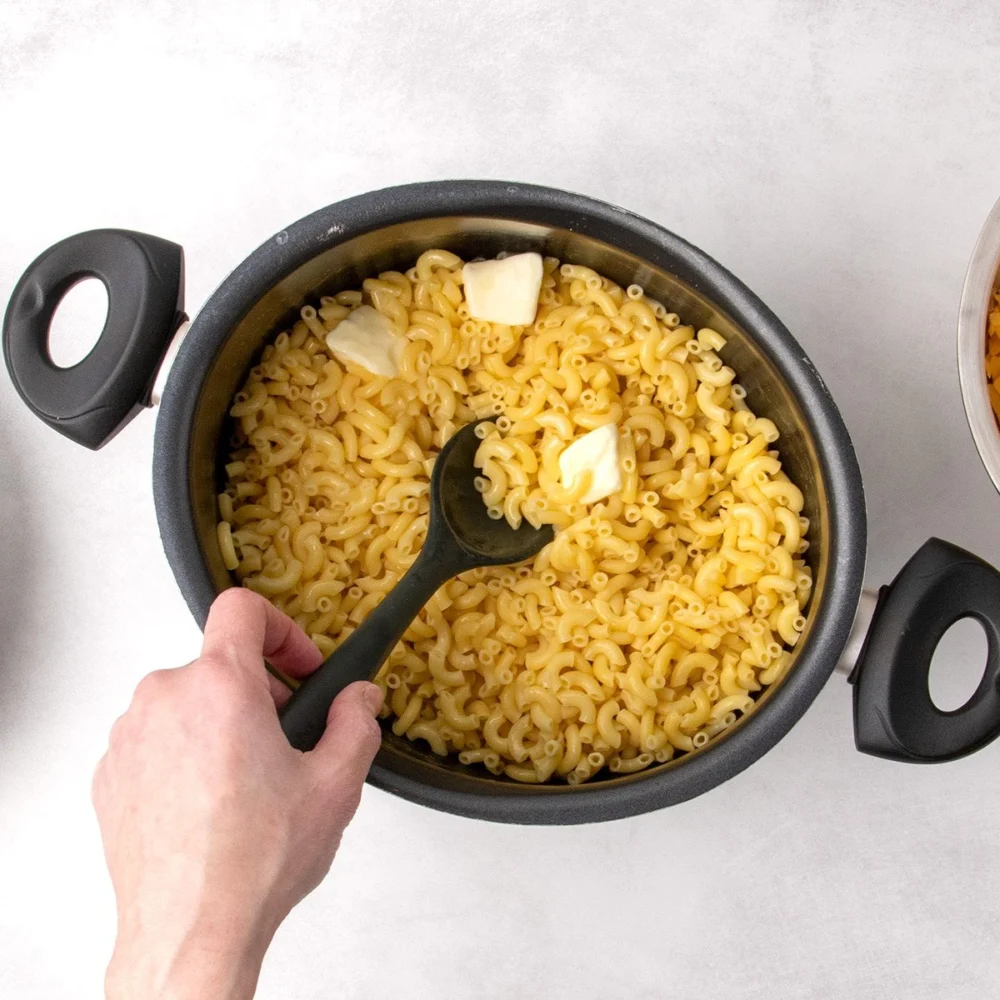
- Incorporate Fat and Pork: To the warm, drained pasta, add the reserved 6 tablespoons of fat (a combination of butter and rendered pork fat) and the cooked, drained pancetta or bacon. Gently stir to coat the pasta and distribute the pork evenly, being careful not to break the delicate gluten-free macaroni. Ensure the butter is fully melted to avoid greasy pockets.
- Temper the Eggs: To prevent the eggs from scrambling, temper them by gradually whisking in a small amount of the warm pasta mixture into the egg and milk mixture. Once the egg mixture has slightly warmed, pour it over the pasta and gently fold it in.
- Add the Cheese: Stir in most of the shredded cheese, reserving some for the topping. Fold gently to incorporate, again being mindful not to break the pasta.
- Assemble the Casserole: Pour the macaroni and cheese mixture into a greased casserole dish. Gently shake the dish and spread the mixture evenly.
- Top with Cheese: Sprinkle the remaining shredded cheese evenly over the top of the macaroni. This will form a delicious, bubbly crust during baking.
- Bake to Perfection: Cover the casserole dish with greased or non-stick foil. This allows the custard to set gently and the cheese to melt without hardening. Bake for the initial period, then remove the foil and continue baking until the top is golden brown and the custard is set. For a softer crust, bake for a shorter time after uncovering.
- Garnish and Serve: Once baked, garnish with fresh parsley and serve warm.
Expert Insights for Superior Results
To achieve truly exceptional gluten-free baked macaroni and cheese, consider these expert tips:
Shred Your Own Cheese
Pre-shredded cheeses often contain anti-caking agents like cellulose, which can hinder smooth melting and contribute to a drier final dish. Opting for block cheese and shredding it yourself ensures superior meltability and a creamier texture. If pre-shredded cheese is unavoidable, consider adding an extra 2 fluid ounces of evaporated milk to the mixture to compensate for the potential dryness.

Don’t Overcook the Pasta
While gluten-free pasta has improved significantly, it can still be prone to breaking down if overcooked. Boiling it slightly under al dente is crucial, as it will continue to cook in the oven. This ensures that the macaroni maintains its structure and doesn’t turn into a mushy mass.
Prep Ahead for Convenience
This dish is an excellent candidate for make-ahead preparation. The mac and cheese mixture can be assembled up to step 9 (before baking), covered tightly, and refrigerated for up to two days or frozen for longer storage. Allow it to come to room temperature while the oven preheats, and adjust baking time as needed. This flexibility makes it ideal for busy schedules and entertaining.

Adaptations for Diverse Dietary Needs
The beauty of this recipe lies in its adaptability, catering to various dietary preferences and restrictions.
Dairy-Free Modifications
For a dairy-free version, substitute the butter with a high-quality block-style vegan butter. Replace the evaporated cow’s milk with evaporated coconut milk. While evaporated oat milk can be used, its sweeter profile and texture may alter the final taste. For dairy-free cheese recommendations, consult specialized gluten-free and dairy-free recipe resources.

Egg-Free Alternatives
If an egg-free dish is required, it is recommended to explore a stovetop gluten-free macaroni and cheese recipe instead. The eggs in this baked version are integral to its structure, and attempting to replace them in this specific recipe may not yield the desired results.
Vegetarian Adaptation
Creating a vegetarian version is as simple as omitting the pancetta or bacon. In this case, use the full 6 tablespoons of butter to coat the pasta, ensuring the dish retains its richness and flavor.

Storage and Reheating Instructions
The versatility of this gluten-free baked macaroni and cheese extends to its storage and reheating capabilities.
- Make-Ahead (Unbaked): The unbaked casserole can be tightly wrapped and refrigerated for up to two days. Ensure all perishable ingredients are fresh before refrigeration. When ready to bake, allow it to sit at room temperature while the oven preheats. You may need to increase the initial baking time slightly if the dish is cold.
- Leftovers (Baked): Leftover baked macaroni and cheese can be stored in an airtight container in the refrigerator for up to five days. To reheat, lightly sprinkle with lukewarm water and warm in the microwave or in a 300°F oven until heated through.
- Freezing: For long-term storage, the dish, whether baked or unbaked, can be frozen for up to two months. Thaw overnight in the refrigerator before baking as directed.
This meticulously crafted gluten-free baked macaroni and cheese offers a comforting, flavorful, and accessible dining experience, proving that dietary inclusivity does not require sacrificing the taste of beloved classic dishes.
