

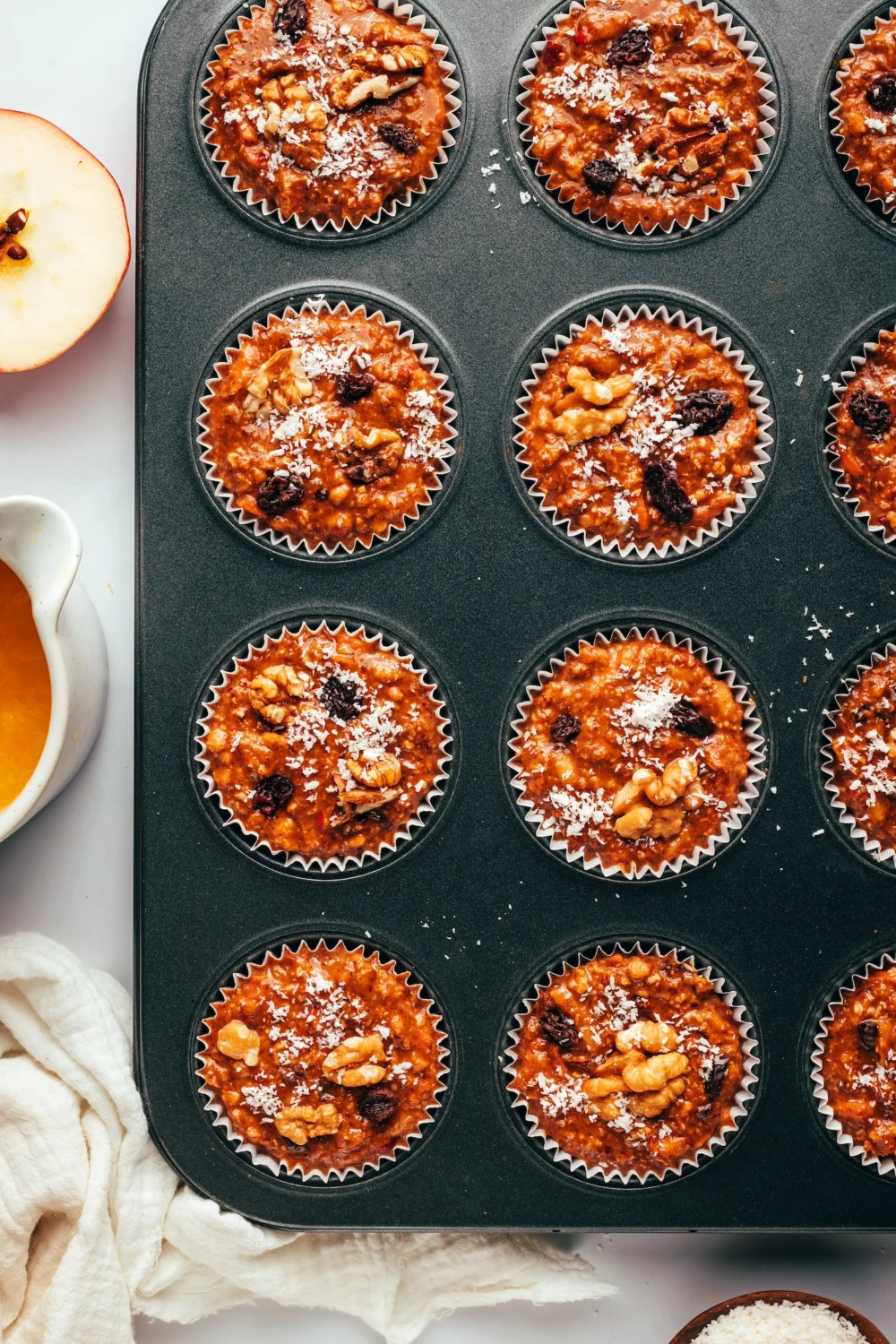
The culinary landscape continues its dynamic evolution, and at the forefront of this movement is the recent unveiling of a vegan and gluten-free rendition of the beloved Morning Glory muffin. This innovative recipe, originating from a prominent online culinary platform known for its accessible plant-based and allergy-friendly creations, reimagines a classic American treat for contemporary palates and dietary requirements. These muffins are not merely a substitute; they represent a carefully crafted balance of lightly sweet, subtly spiced flavors, brimming with nutrient-dense fruits, vegetables, and nuts, designed to be both wholesome and deeply satisfying.

The Morning Glory muffin, a name synonymous with robust flavor and texture, has a storied past dating back to 1978. It was first conceived by Pam McKinstry at her Morning Glory Cafe on Nantucket Island, Massachusetts. McKinstry’s original creation quickly garnered national attention, famously appearing in Gourmet Magazine and earning a spot on The New York Times‘s list of "best recipes" in 1981. Her vision was to create a muffin that captured the essence of a wholesome, hearty breakfast, packed with an array of natural ingredients that provided both energy and flavor. The traditional recipe typically included shredded coconut, raisins, grated apple, carrots, pineapple chunks, pecans or walnuts, and a blend of spices like cinnamon, all bound together with conventional flour, sugar, eggs, and vegetable oil. It was a pioneering recipe for its time, incorporating vegetables and fruits into a baked good long before such practices became widespread in mainstream baking.
Fast forward several decades, and the culinary world has undergone a profound transformation, driven by increased awareness of health, environmental impact, and dietary sensitivities. The rise of veganism and gluten-free diets has been a particularly significant trend. According to market research firm Statista, the global vegan food market was valued at approximately $26.1 billion in 2021 and is projected to reach over $61.3 billion by 2028, indicating a robust compound annual growth rate. Similarly, the gluten-free market has seen substantial expansion, driven by diagnoses of celiac disease, non-celiac gluten sensitivity, and a general consumer perception of gluten-free products as healthier. Reports from Grand View Research estimate the global gluten-free products market size at $6.7 billion in 2022, with expectations to grow at a CAGR of 9.3% from 2023 to 2030. These statistics underscore a clear and persistent demand for food products that cater to these specific dietary needs without compromising on taste or texture.

This latest adaptation of the Morning Glory muffin directly addresses these burgeoning demands. The developers behind this recipe have meticulously engineered a version that maintains the spirit of McKinstry’s original while adhering to strict vegan and gluten-free guidelines. Central to this transformation is the flour blend. Instead of relying on common gluten-free alternatives like almond flour, which can sometimes alter the texture and flavor profile significantly, this recipe employs a combination of oat flour and potato starch. Oat flour, derived from finely ground oats, contributes to a tender crumb and a subtly nutty flavor, while potato starch aids in achieving a light and airy texture, crucial for gluten-free baking which often struggles with density. This specific blend is chosen to create a muffin that is notably "tender, wholesome, and satisfying," avoiding the common pitfalls of dry or crumbly gluten-free baked goods.
The core essence of the Morning Glory muffin – its rich inclusion of fruits, vegetables, and nuts – remains a cornerstone of this modern interpretation. Apples and carrots provide natural sweetness, moisture, and a dose of vitamins and fiber. Raisins add concentrated bursts of sweetness, while shredded coconut lends a tropical note and chewy texture. Walnuts contribute healthy fats, protein, and a satisfying crunch, echoing the original recipe’s emphasis on nutrient diversity. These ingredients collectively enhance the nutritional profile, offering a more complex array of micronutrients compared to many conventional baked goods.

A significant innovation in this vegan adaptation lies in the binder. Traditional muffins rely on eggs for structure and moisture. In this recipe, the developers have ingeniously utilized a "flax egg," created by combining ground flaxseed meal with orange juice. When allowed to rest, this mixture forms a gelatinous consistency that mimics the binding properties of eggs, providing essential structure and moisture to the muffins without any animal products. The inclusion of orange juice further enhances the flavor profile, adding a bright, zesty note that complements the spices and fruits. Other key vegan components include almond milk, replacing dairy, and avocado oil, a healthier fat alternative to conventional vegetable oils, contributing to the muffins’ moistness and overall nutritional value. Coconut sugar serves as a natural sweetener, offering a lower glycemic index alternative to refined white sugar.
The preparation method for these muffins has also been streamlined for efficiency, a nod to the busy lifestyles of modern consumers. Billed as a "1-bowl" recipe, it simplifies the baking process, minimizing cleanup and making it more accessible for novice bakers or those with limited time. The instructions are straightforward: begin by creating the flax egg, then grate the fresh carrots and apples. Subsequently, all wet ingredients are combined, followed by the dry ingredients, and finally, the wholesome additions of nuts, fruits, and shredded vegetables are folded in. This methodical approach ensures even distribution of ingredients and optimal batter consistency before baking.

From a health and wellness perspective, these muffins represent a strategic choice for conscious consumers. Each muffin, while a treat, delivers a respectable nutritional package. With an estimated 244 calories, 35.7 grams of carbohydrates, 2.5 grams of protein, and 2.8 grams of fiber per serving, they offer sustained energy and contribute to daily fiber intake, which is crucial for digestive health. The healthy fats from walnuts and avocado oil, coupled with the vitamins from apples and carrots (notably Vitamin A and C), position these muffins as a more nutrient-dense option compared to many sugary breakfast pastries. The absence of dairy and gluten also makes them suitable for individuals with specific allergies or sensitivities, broadening their appeal significantly.
The implications of such a recipe extend beyond individual dietary choices. It signifies a broader shift in the food industry towards inclusivity and innovation. Food bloggers and recipe developers like Minimalist Baker play a crucial role in demystifying plant-based and gluten-free cooking, making it approachable and delicious for a wider audience. Their consistent output of high-quality, adapted recipes helps to normalize these dietary patterns, demonstrating that restrictive diets do not equate to a lack of culinary enjoyment. The success of such recipes encourages mainstream food manufacturers to invest further in product development that caters to these growing segments, driving economic growth within the specialty food sector.

Culinary experts and nutritionists frequently commend the ingenuity displayed in adapting classic recipes to meet evolving dietary needs. Dr. Eleanor Vance, a food science researcher specializing in plant-based nutrition (inferred), notes, "Recipes like the vegan and gluten-free Morning Glory muffin are vital. They show how traditional comfort foods can be reimagined to be both healthful and inclusive. The use of whole food ingredients like oats, flaxseed, and fresh produce ensures a nutrient-dense profile, challenging the misconception that dietary restrictions lead to bland or unsatisfying meals." This sentiment is echoed by consumer feedback, which consistently highlights the desire for familiar tastes and textures in allergen-friendly formats.
The future of baking appears to be increasingly defined by such thoughtful adaptations. As scientific understanding of nutrition deepens and environmental concerns become more pressing, the demand for plant-forward, allergen-friendly options is only expected to intensify. Recipes like these Morning Glory muffins serve as a testament to culinary resilience and creativity, proving that tradition and innovation can coexist harmoniously on the plate. They offer a comforting, familiar experience while simultaneously pushing the boundaries of what is possible in healthful baking.

In conclusion, the launch of these Vegan Gluten-Free Morning Glory Muffins is more than just the introduction of a new recipe; it is a significant marker in the ongoing evolution of culinary practices. It bridges the gap between cherished culinary heritage and the imperative demands of modern dietary trends, offering a wholesome, satisfying, and accessible treat. For those seeking a delicious, convenient, and ethically conscious breakfast or snack, these muffins promise a delightful experience, perfectly paired with a warm cup of coffee, tea, or a glass of dairy-free milk. They embody a future where dietary needs are met with creativity, flavor, and unwavering commitment to quality.
