

For individuals living with Celiac disease or non-celiac gluten sensitivity, the safety of distilled spirits remains a topic of persistent debate, yet the scientific consensus provided by health organizations and chemical experts confirms that gin is inherently gluten-free. Despite the fact that many gins are distilled from base grains containing gluten—such as wheat, barley, and rye—the rigorous process of distillation ensures that the final product is safe for consumption by those who must strictly avoid gluten proteins. This paradox often leads to significant consumer confusion, fueled by a combination of historical labeling restrictions and a general misunderstanding of how ethanol is separated from organic mash.
The Molecular Reality of Distillation
To understand why gin is gluten-free, one must examine the chemical mechanics of the distillation process. Gluten is a complex protein found in the endosperm of cereal grains. Proteins are large, heavy, and non-volatile molecules. During the production of gin, the base grain is fermented into a "wash" or "mash," where yeast converts sugars into ethanol and carbon dioxide. At this stage, the liquid does indeed contain gluten. However, the subsequent distillation phase acts as a molecular filter.
In a traditional pot or column still, the fermented liquid is heated to a temperature that allows ethanol and volatile aromatic compounds to evaporate. Because ethanol has a lower boiling point (approximately 173.1°F or 78.37°C) than water and the various proteins present in the mash, it transitions into a gaseous state, rises through the still, and passes into a condenser. The condenser then cools the vapor back into a liquid form.
Crucially, gluten proteins do not vaporize. They are not volatile substances and cannot transition into a gas under the temperatures used in spirit production. Consequently, the gluten remains in the boiling vessel (the "pot" or the bottom of the column) along with other non-volatile solids and minerals. The liquid that emerges from the condenser—the distillate that will become gin—is chemically distinct from the mash, consisting of high-purity ethanol, water, and specific volatile flavor compounds. As the Celiac Disease Foundation notes, distilled products do not contain harmful gluten peptides because the peptide chain is too large to carry over in the steam.
A Chronology of Gluten Awareness and Spirit Regulation
The history of gluten-free labeling in the spirits industry is marked by a shift from extreme caution to science-based transparency.
- 1940s–1950s: The link between grain consumption and Celiac disease is firmly established by Dutch pediatrician Dr. Willem-Karel Dicke. Early guidance for patients was broad, often advising the avoidance of all grain-derived products, including spirits, due to a lack of chemical analysis of distillates.
- 2004: The Food Allergen Labeling and Consumer Protection Act (FALCPA) is passed in the United States, though it primarily targets food under FDA jurisdiction, leaving alcohol labeling in a state of ambiguity.
- 2013: The FDA issues a final rule defining "gluten-free" for food labeling, requiring products to contain fewer than 20 parts per million (ppm) of gluten. This heightens consumer demand for similar clarity in the alcohol sector.
- 2014–2017: Scientific studies using Competitive ELISA (Enzyme-Linked Immunosorbent Assay) testing repeatedly fail to find gluten peptides in distilled spirits, even those made from 100% wheat or barley.
- 2020: The Alcohol and Tobacco Tax and Trade Bureau (TTB) issues Ruling 2020-2. This landmark decision allows distillers to use the term "gluten-free" on labels for spirits distilled from gluten-containing grains, provided the distillation process followed good manufacturing practices to prevent cross-contamination.
This regulatory evolution reflects a growing confidence in the distillation process as a foolproof method for removing protein-based allergens.
Official Responses and Medical Perspectives
The world’s leading health authorities have maintained a consistent stance on this issue for over a decade. The Mayo Clinic, a leader in gastroenterology, explicitly lists distilled spirits as part of a safe gluten-free diet, regardless of the starting material. Similarly, the National Institutes of Health (NIH) and the Beyond Celiac organization support the fact that distillation removes the gluten protein.
The TTB’s 2020 ruling was a direct response to petitions from the industry and consumer advocacy groups. In their statement, the TTB noted, "The distillation process, if performed properly, removes gluten from the resulting distillate." This official recognition was a significant victory for the gin industry, as it allowed brands like Tanqueray (made from grain) or Hendrick’s (which uses a combination of grain spirits) to market to health-conscious consumers without the legal fear of mislabeling.
However, medical professionals often include a caveat regarding "added" ingredients. While the base spirit is safe, gin is defined by its botanicals. While common botanicals like juniper, coriander, and citrus peel are naturally gluten-free, there is a theoretical risk if a distiller adds gluten-containing flavorings or syrups after the distillation process is complete. Fortunately, in the world of premium gin, such additives are rare, as the flavor is typically derived from the vapor infusion of natural herbs and spices.
Addressing the "Sick" Response: Beyond Gluten
A common point of contention among consumers is the anecdotal report of feeling "glutened" after consuming gin. While these symptoms—bloating, headache, and gastric distress—mimic a gluten reaction, medical experts suggest other culprits are often at play.
First and foremost, alcohol is a known gastrointestinal irritant. Ethanol can increase intestinal permeability and cause inflammation of the stomach lining (gastritis). For individuals with sensitive digestive systems, the irritation caused by the alcohol itself can be indistinguishable from a mild gluten reaction. Furthermore, gin is frequently consumed with tonic water, which contains high levels of sugar or high-fructose corn syrup, both of which can cause bloating and gas in sensitive individuals.
Another factor is cross-contamination. While the distillation process removes gluten, the environment in which the gin is bottled might not be pristine. If a facility also processes non-distilled grain products (like beer or flavored malt beverages), there is a marginal risk of airborne contamination. However, for the vast majority of Celiac patients, the 20ppm threshold is the gold standard for safety, and distilled gin consistently tests far below this limit, often registering at 0ppm.
The Role of Base Grains and Modern Alternatives
The gin industry utilizes a variety of base materials, and for those who remain psychologically uncomfortable with grain-based spirits, the market has expanded to include alternative sources.
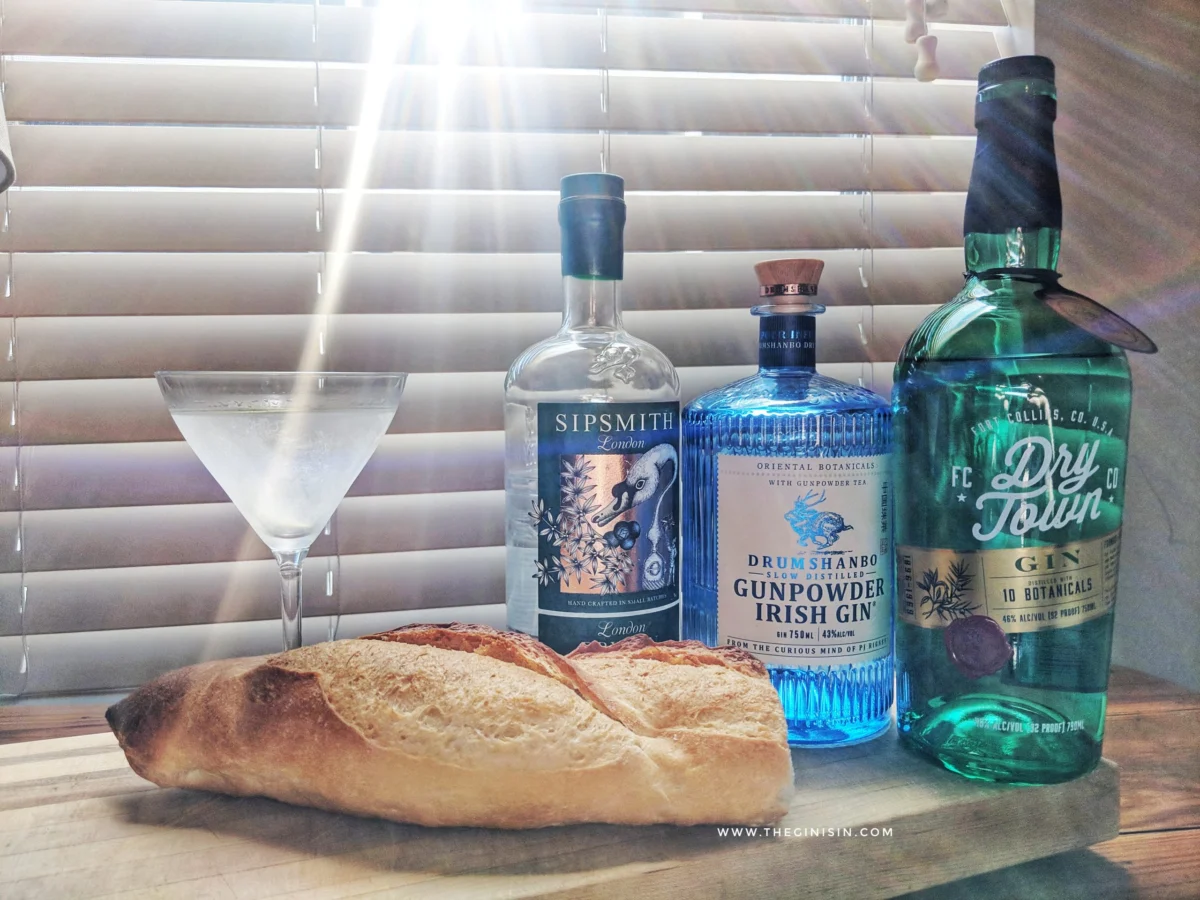
- Wheat and Barley: These remain the most popular bases due to the clean, crisp finish they provide. Brands like Sipsmith and Beefeater utilize high-quality grain neutral spirits.
- Corn: Many American craft gins utilize a corn base, which is naturally gluten-free even before distillation.
- Grapes and Fruit: Some premium gins, such as G’Vine or certain expressions from Seven Crooked Steps, are distilled from grapes. Others use apples or potatoes.
- Sugar Cane: Occasionally used in tropical regions, providing a slightly sweeter profile.
The rise of these "naturally gluten-free" bases has become a marketing tool, though from a chemical standpoint, they offer no additional safety over grain-based gins. The "gluten-free" label on a corn-based gin is technically redundant, yet it serves as a powerful reassurance to the consumer.
Broader Impact and Industry Implications
The clarification of gin’s gluten-free status has had a profound impact on the global spirits market. As the "wellness" trend continues to dominate consumer behavior, the ability to clearly label products as gluten-free has allowed the gin category to maintain its growth. According to market analysis, the craft gin movement has benefited significantly from transparency regarding ingredients and production methods.
Furthermore, the environmental impact of the gin-making process shows a circular economy at work. Once the ethanol is stripped from the grain mash, the remaining "spent grain"—which contains the original gluten and proteins—is not wasted. Many distillers partner with local agricultural operations to provide this protein-rich byproduct as livestock feed. This ensures that the gluten, which is harmful to a small percentage of humans, serves a nutritional purpose elsewhere in the food chain.
Summary of Consumer Guidance
For the consumer navigating the liquor aisle, the facts are clear:
- Distillation is a purification process: It separates volatile alcohol from non-volatile proteins like gluten.
- Verification: Major health organizations (Celiac Disease Foundation, Mayo Clinic) confirm that distilled spirits are safe for Celiacs.
- Labeling: Look for the TTB-approved "gluten-free" claim, but understand that even without the label, the chemistry of distillation remains the same.
- Post-Distillation: Be cautious of "gin liqueurs" or flavored gins that may add thickeners or syrups after the distillation process, as these are the only points where gluten could theoretically be reintroduced.
In conclusion, gin stands as one of the safest choices for individuals on a restricted diet. The intersection of traditional craftsmanship and rigorous chemical science ensures that the botanical complexity of gin can be enjoyed without the risks associated with gluten consumption. As misinformation continues to circulate on social media and unverified health blogs, relying on the fundamental principles of organic chemistry and official regulatory rulings remains the best course of action for the health-conscious drinker.
