

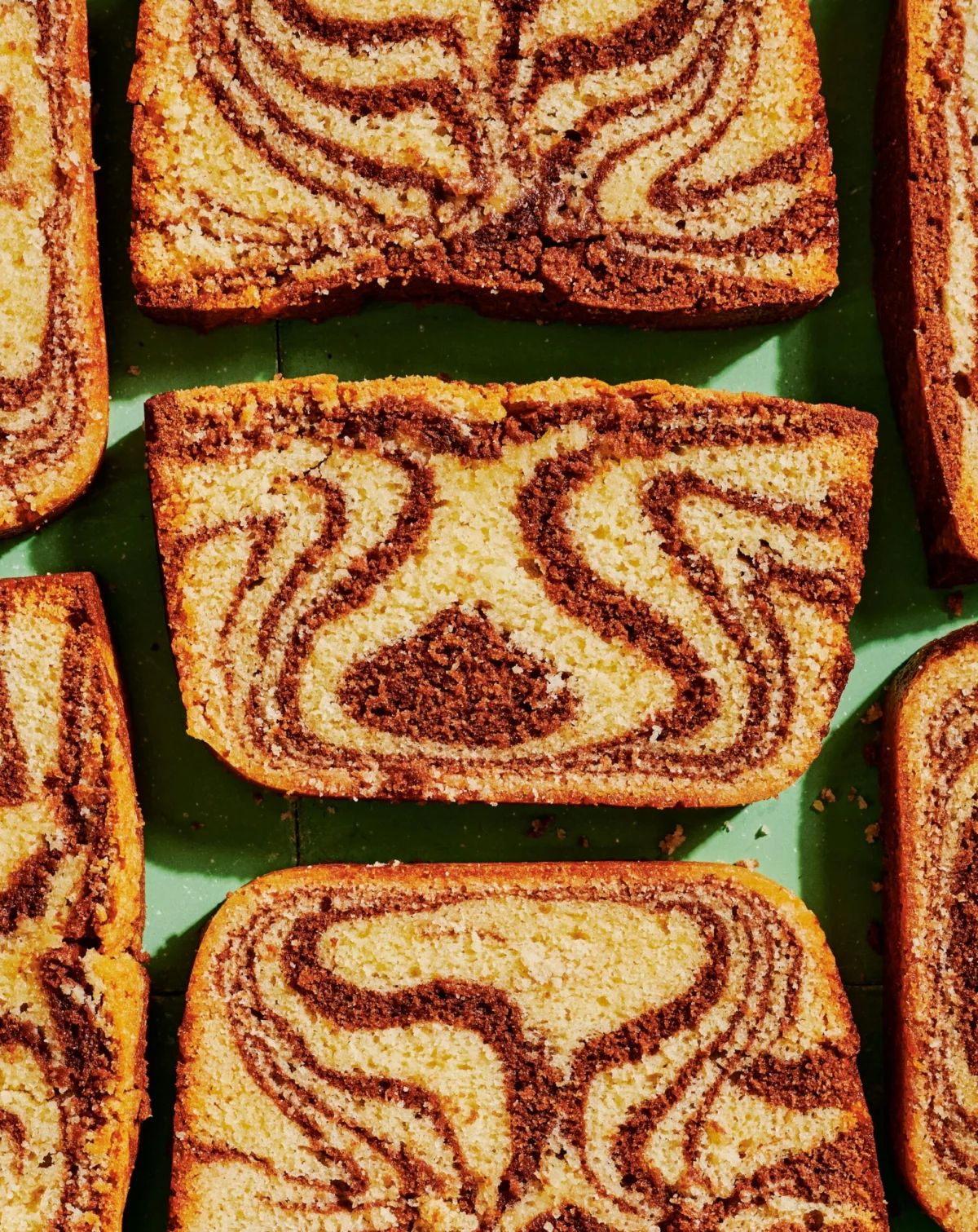
The culinary landscape is continually enriched by innovations that reimagine classic flavors and techniques. A recent development, the Striped Malted Pound Cake, stands as a testament to this ongoing evolution, offering a sophisticated reinterpretation of the beloved malt flavor. This creation is not merely an aesthetic marvel but a meticulously engineered dessert that leverages specific baking methodologies and a highly versatile malted vanilla syrup to deliver a multi-layered sensory experience. Its genesis can be traced back to a deep-seated appreciation for malt, a flavor profile that has captivated palates for generations, from childhood indulgences like malted milkshakes and Whoppers candies to its current elevated status in gourmet baking.
The Enduring Allure of Malt: A Historical and Scientific Perspective
The secret behind the irresistible appeal of malted sweets, including this new pound cake, lies in a precise combination of ingredients and processing. Malt, at its core, refers to cereal grains—most commonly barley—that have undergone a process called malting. This involves steeping the grains in water to initiate germination, followed by drying with hot air. This controlled germination process activates enzymes, particularly amylase, which break down the grain’s starches into simpler sugars like maltose. It is this enzymatic conversion that contributes significantly to malt’s distinctive sweet, nutty, and slightly caramelized flavor profile.
The specific "secret" formulation for the intense malt flavor described by the cake’s creator involves malted barley, wheat flour, and evaporated whole milk. This blend is then toasted, a crucial step that intensifies the inherent sugars through caramelization and the Maillard reaction. Caramelization is the browning of sugar, a process that yields complex flavor compounds, while the Maillard reaction involves amino acids and reducing sugars, producing a vast array of volatile aromatic compounds that contribute to the savory, nutty, and roasted notes. This intricate interplay of biochemistry and heat treatment creates the profound, multifaceted flavor that defines malted confections.
Historically, malt has been a foundational ingredient across various cultures. Its earliest applications date back millennia, primarily in brewing beer and making malty beverages, valued for its ability to ferment and its nutritional content. In the late 19th and early 20th centuries, malted milk powder gained prominence, initially marketed as a nutritional supplement for infants and invalids. Its subsequent integration into soda fountain culture in the United States, particularly through the advent of the malted milkshake, cemented its status as a beloved treat. Brands like Horlick’s and Ovaltine became household names, synonymous with the comforting, rich taste of malt. The popularity of malted milk balls, epitomized by products like Whoppers, further solidified malt’s place in popular confectionery, appealing to a broad demographic with its unique texture and flavor.
A Culinary Journey: From Childhood Obsession to Masterful Creation
The development of the Striped Malted Pound Cake is deeply rooted in the creator’s personal culinary journey and a lifelong fascination with malt. The individual recounts an "earliest dessert obsession" with malted milkshakes, a treat indulged in frequently with babysitting earnings. This shared affinity for malt extended to a close friend, Toi, who harbored an equal passion for Whoppers candies. This shared childhood experience underscores the nostalgic power of malt, a flavor often associated with simpler times and cherished memories.
This enduring fascination ultimately propelled the creator into a quest to capture and elevate the malt experience in new culinary forms. The Striped Malted Pound Cake represents the latest culmination of this endeavor, demonstrating a sophisticated understanding of ingredient synergy and advanced baking techniques. The journey from casual indulgence to dedicated culinary artistry highlights a common trajectory for many chefs who transform personal passions into professional innovations. The meticulous development of this cake, alongside the versatile malted vanilla syrup, illustrates a commitment to exploring the full potential of this distinctive flavor.
Deconstructing the Striped Malted Pound Cake: Technique and Flavor
The Striped Malted Pound Cake distinguishes itself through several innovative techniques that contribute to both its visual appeal and its complex flavor profile.
1. Layering for Distinct Flavor Profiles:
The decision to layer malted vanilla and chocolate batters, creating a visually striking striped pattern, transcends mere aesthetics. This technique is strategically employed to maintain the distinctiveness of each flavor component. When baked together without separation, flavors can sometimes meld indiscriminately, leading to a less defined taste experience. By layering, the individual characteristics of the malted vanilla and the malted chocolate are preserved, allowing the consumer to appreciate each flavor note independently while also experiencing their harmonious combination. This deliberate separation ensures that the subtle nuances of the malted vanilla, with its sweet and creamy undertones, are not overwhelmed by the richer, more robust profile of the malted chocolate. This thoughtful approach to flavor architecture demonstrates an advanced understanding of sensory perception in baking.
2. The Cold Oven Baking Method:
Perhaps the most unconventional, yet critical, technique employed in the preparation of this pound cake is starting the baking process in a cold oven. This method, while counter-intuitive to many traditional baking instructions, offers significant advantages in achieving a superior crumb and even bake. When a cake is placed into a preheated, hot oven, the exterior begins to set rapidly, potentially forming a crust before the interior has had a chance to fully expand. This rapid temperature differential can lead to doming, cracking, and an unevenly baked crumb, where the edges might be dry while the center remains undercooked.
Conversely, initiating baking in a cold oven allows the cake to experience a gradual and uniform increase in temperature. As the oven slowly heats, the batter gently warms, permitting a more controlled leavening process. This slow ascent to baking temperature encourages the fat in the batter to render slowly, contributing to moisture, and allows the protein structures to coagulate more evenly. The result is a cake that bakes from the inside out, preventing overbrowning of the exterior while ensuring the interior reaches optimal doneness. This technique yields a remarkably smooth, fine, and uniform crumb structure that is consistently tender and "melt-in-your-mouth." The absence of premature crust formation also helps to prevent cracks on the surface, contributing to a pristine finish.
3. Intensifying Malt Flavor with Syrup Infusion:
For an unparalleled depth of malt flavor, the recipe incorporates a unique finishing touch: brushing the still-warm cake with malted vanilla syrup. This method is not merely a superficial glazing; it is a strategic infusion designed to saturate the cake with additional malt essence. Applying the syrup in several additions, allowing each layer to fully sink into the cake before the next is applied, ensures maximum absorption. This process not only enhances the overall malt flavor but also contributes to the cake’s moistness and extends its shelf life. The warm cake acts like a sponge, drawing in the liquid, thereby internalizing the malt notes rather than simply coating the surface. This technique creates a multidimensional flavor experience, where the foundational malt notes within the batter are amplified by the concentrated malt of the syrup.
The Malted Vanilla Syrup: A Culinary Chameleon
The malted vanilla syrup, initially developed by the creator to imbue milkshakes with an authentic, nostalgic malt-shop flavor, has proven to be an extraordinarily versatile component far beyond its original intent. It is lauded as "no one-hit wonder," serving as a "beautiful sweetener" across a broad spectrum of culinary applications, both sweet and savory. This versatility underscores its potential as a staple ingredient in both professional kitchens and home pantries.
Sweet Applications:
- Pound Cake Enhancement: As detailed, it is "terrific when brushed on top of still-warm Striped Malted Pound Cake," providing an intense burst of flavor and moisture.
- Roasted Fruit: Drizzling the syrup over roasted fruits like peaches, pears, or apples elevates their natural sweetness with a complex, malty undertone, creating a more sophisticated dessert. The caramel notes of the malt complement the fruit’s inherent sugars, intensifying the overall flavor.
- Dairy and Breakfast Foods: Stirring the syrup into coffee or lattes transforms everyday beverages into specialty drinks, akin to a café-quality offering. Its inclusion in smoothies adds a unique depth of flavor, moving beyond conventional fruit or chocolate profiles. When mixed into yogurt or oatmeal, it provides a gourmet twist to breakfast staples, offering a rich, comforting sweetness that enhances their palatability.
- Baking and Confectionery: Its utility extends to buttercreams, glazes, and frostings, where it can replace or supplement traditional sweeteners, imparting a distinctive malt flavor that sets desserts apart. This allows for a creative exploration of malt in various dessert contexts, from cupcakes to elaborate layered cakes.
Savory Applications:
The malted vanilla syrup also possesses "savory game," demonstrating its remarkable adaptability. This highlights a growing trend in modern cuisine to bridge the gap between sweet and savory profiles, leveraging complex sugars to enhance umami and add depth.
- Roasted Vegetables: Spooned over roasted sweet potatoes or carrots, the syrup performs a dual function. It promotes additional caramelization on the vegetables’ surfaces, enhancing their inherent sweetness and creating a desirable crisp-tender texture. Simultaneously, the malt’s nuanced sweetness and subtle roasted notes provide a counterpoint to the vegetables’ earthiness, elevating them from a simple side dish to a more refined culinary offering.
- Protein Accompaniment: Its application alongside roasted chops or chicken introduces an intriguing sweet-savory dynamic. The syrup can function as a glaze during the final stages of cooking, creating a lustrous finish and a caramelized crust. Alternatively, it can be served as a complementary sauce, offering a balancing sweetness that cuts through the richness of meats, echoing traditions found in dishes that pair fruit sauces with poultry or pork. This innovative use positions the malted vanilla syrup as a sophisticated condiment capable of enhancing main courses.
Market Trends and Broader Implications
The emergence of creations like the Striped Malted Pound Cake and the versatile malted vanilla syrup reflects several significant trends in the contemporary food industry.
1. The Power of Nostalgia: Malt’s enduring appeal is undeniably linked to nostalgia. For many consumers, the flavor evokes memories of childhood, classic diners, and soda fountains. Food brands and chefs increasingly tap into this emotional connection, offering familiar flavors in new formats to create a sense of comfort and novelty simultaneously. This psychological aspect is a powerful driver of consumer preference and culinary innovation.
2. Ingredient Versatility and Elevation: The malted vanilla syrup exemplifies the trend of identifying highly versatile ingredients that can transcend traditional categories. By demonstrating its efficacy in both sweet and savory applications, the syrup challenges conventional culinary boundaries and encourages creative experimentation. This elevation of a historically simple ingredient into a sophisticated flavor enhancer aligns with the broader movement towards ingredient-driven cuisine.
3. Emphasis on Technique and Craftsmanship: The detailed techniques employed in the pound cake’s creation—the cold oven method, precise layering, and syrup infusion—underscore a renewed emphasis on craftsmanship and scientific understanding in baking. Consumers are increasingly discerning, appreciating not just the taste but also the story and skill behind their food. This focus on technique elevates home baking to a more professional standard, making gourmet results accessible.
4. Flavor Complexity and Innovation: The combination of malted barley, wheat flour, and evaporated whole milk, toasted to caramelize sugars, speaks to a desire for deeper, more complex flavor profiles. Simple sweetness is often replaced by nuanced layers of taste, achieved through meticulous ingredient selection and processing. This reflects a maturation of the culinary palate, where consumers seek out unique and multi-dimensional sensory experiences.
5. Sustainability and Ingredient Sourcing (Inferred): While not explicitly stated, the renewed interest in foundational ingredients like malt can also be linked to broader discussions around ingredient sourcing and quality. As consumers become more aware of what goes into their food, the transparency and quality of ingredients like malted barley become increasingly important.
Expert Commentary and Future Outlook
Culinary experts suggest that the enduring appeal of malt lies in its unique ability to bridge various flavor categories—sweet, savory, nutty, and even slightly umami. "Malt offers a comforting familiarity, yet its complex profile allows for endless culinary exploration," states Dr. Evelyn Reed, a food historian specializing in 20th-century American cuisine. "From the soda fountain to fine dining, malt continues to prove its versatility."
The Striped Malted Pound Cake and its accompanying syrup are positioned to inspire further innovation within the baking and confectionery sectors. The successful integration of malt into both traditional dessert formats and unexpected savory dishes indicates a promising future for this ingredient. Chefs and home cooks alike are encouraged to experiment with malt, leveraging its unique characteristics to create novel flavor combinations and elevate everyday dishes. The cold oven baking technique, in particular, may see wider adoption as its benefits in producing superior texture become more widely recognized and embraced by the baking community.
In conclusion, the Striped Malted Pound Cake is more than just a new recipe; it is a culinary statement. It celebrates the rich history and scientific complexity of malt, demonstrates innovative baking techniques, and showcases the remarkable versatility of a key flavor agent. By transforming a childhood favorite into a sophisticated, multi-purpose ingredient, this creation underscores the dynamic and ever-evolving nature of gastronomy, promising to delight palates and inspire culinary creativity for years to come.
