

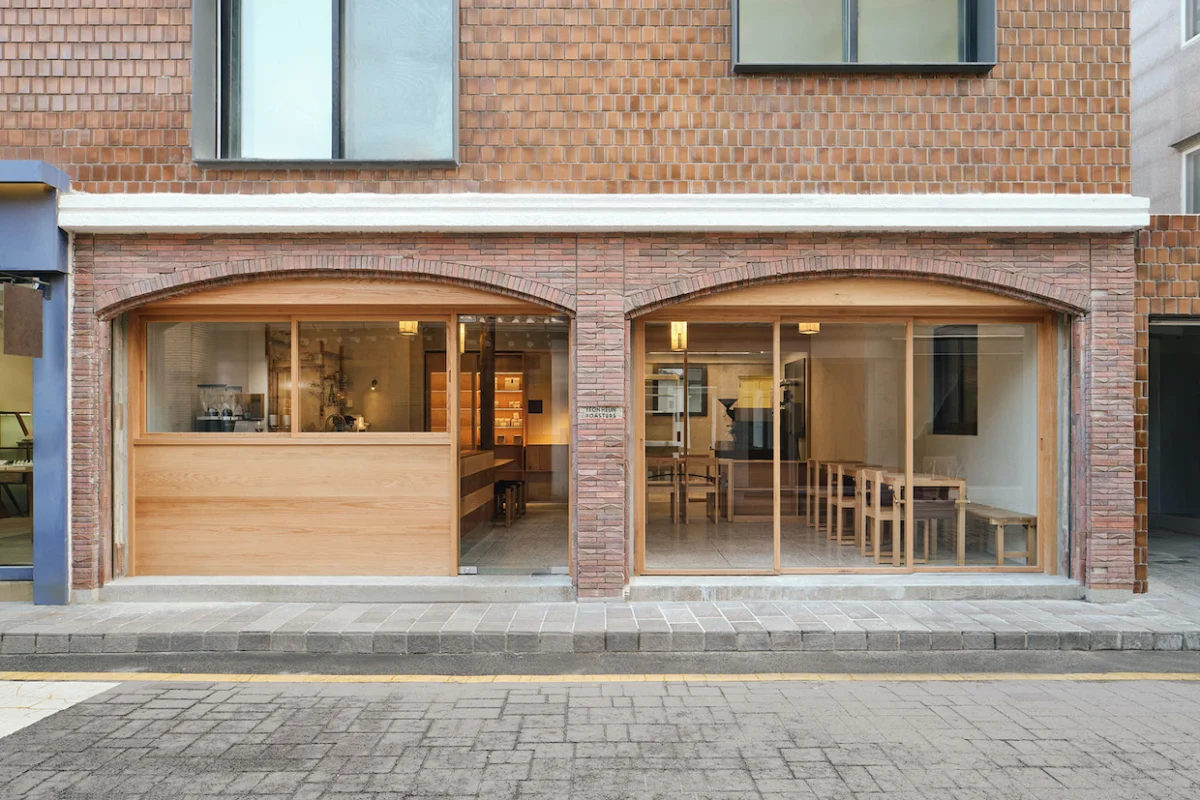
Nestled within the historic and culturally rich Seochon neighborhood of Seoul, South Korea, Yeonheun Roasters has emerged as a significant architectural and design statement, meticulously crafted by the renowned design firm Sherpa. This intimate 646-square-foot café, completed in February 2025, is not merely a space for enjoying coffee; it is a deliberate homage to the passage of time, the accumulation of memories, and the enduring spirit of its locale. The project’s conceptual foundation, as articulated by Sherpa, is rooted in the idea that "ripple marks are traces formed by natural phenomena," a philosophy that permeates every element of the design, from the restored architectural features to the carefully selected materials.
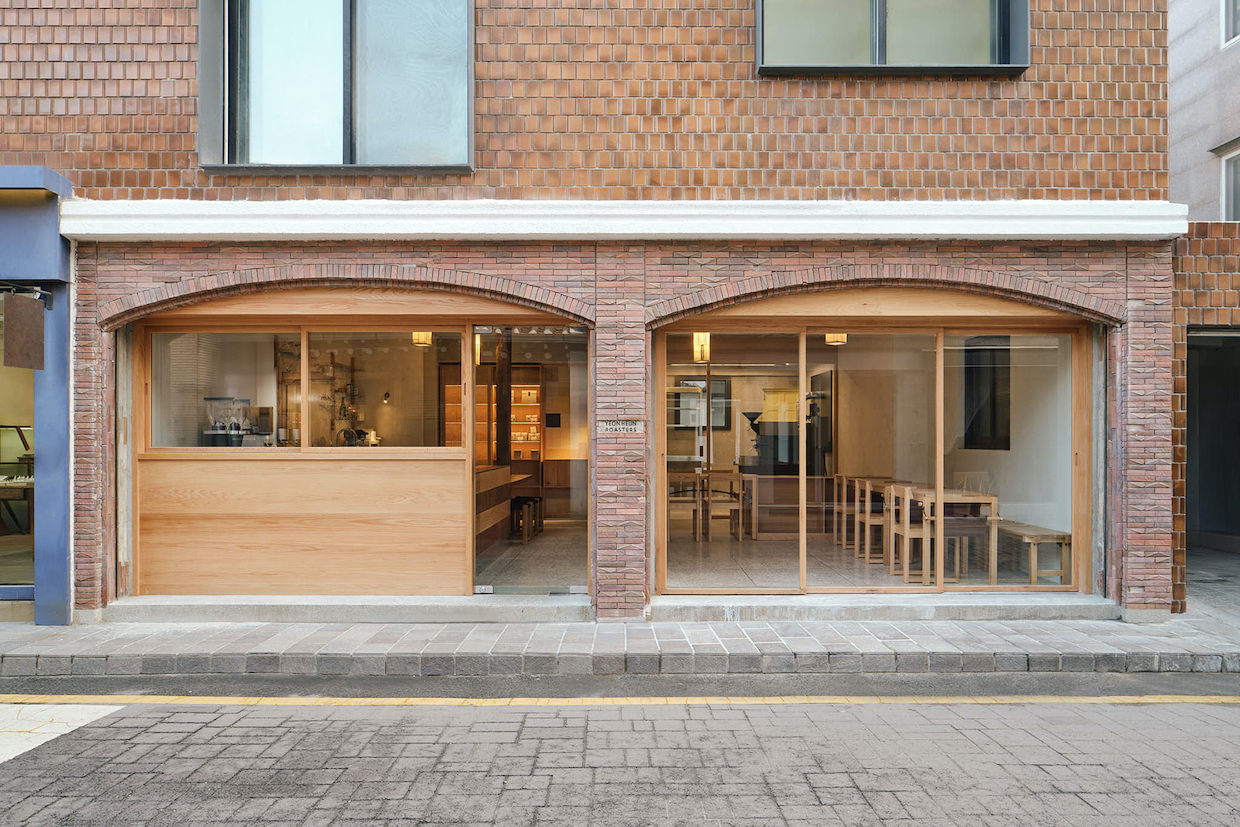
The Seochon district itself, often described as possessing "the power to soothe and heal our weary hearts" by travel writer Seol Jae-woo, served as an inspiration for Sherpa’s approach. This sentiment underscores the café’s ambition to offer a sanctuary, a place where patrons can find respite and connection amidst the urban bustle. The design team, comprising Shin Yeon Ho and Mo Byeong Guk, embarked on a mission to preserve and celebrate the existing character of the building, eschewing a complete overhaul in favor of a sensitive restoration that honors its history.
Honoring the Past: A Material Dialogue with Time
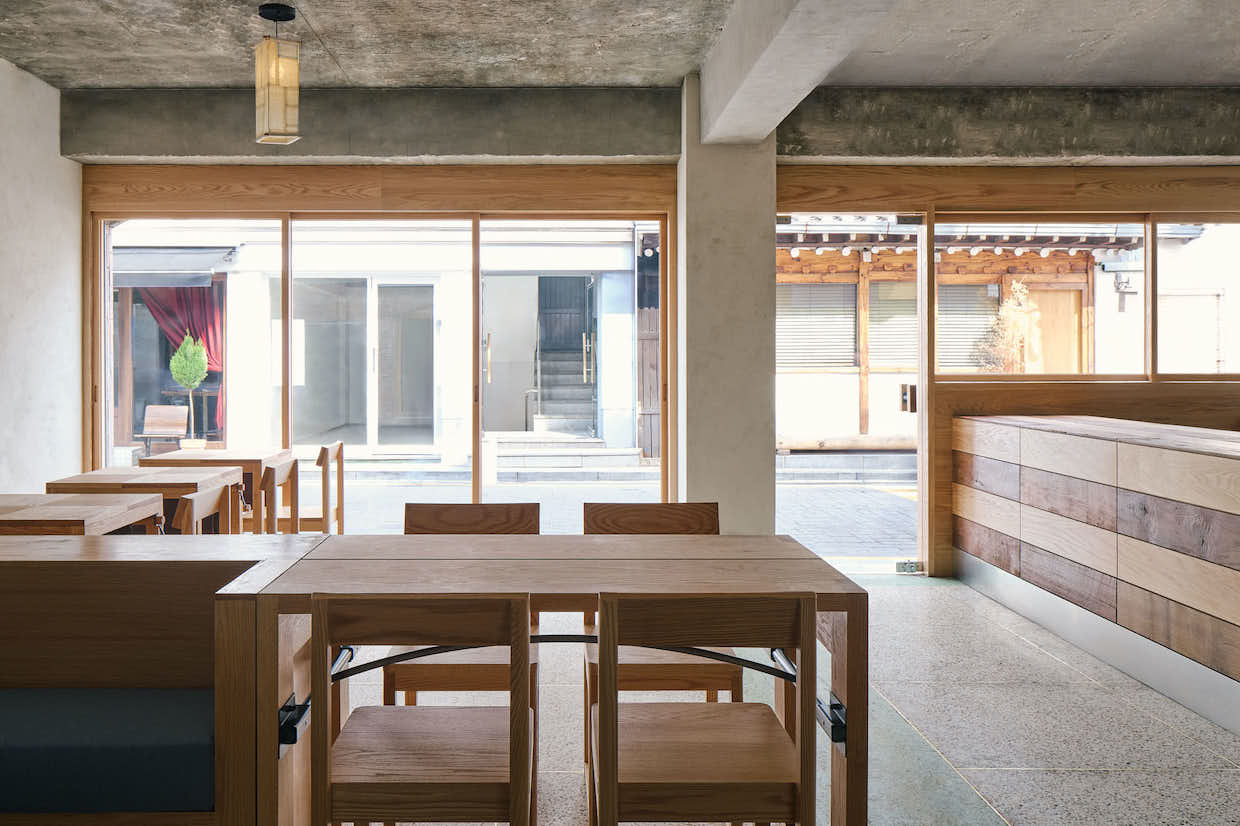
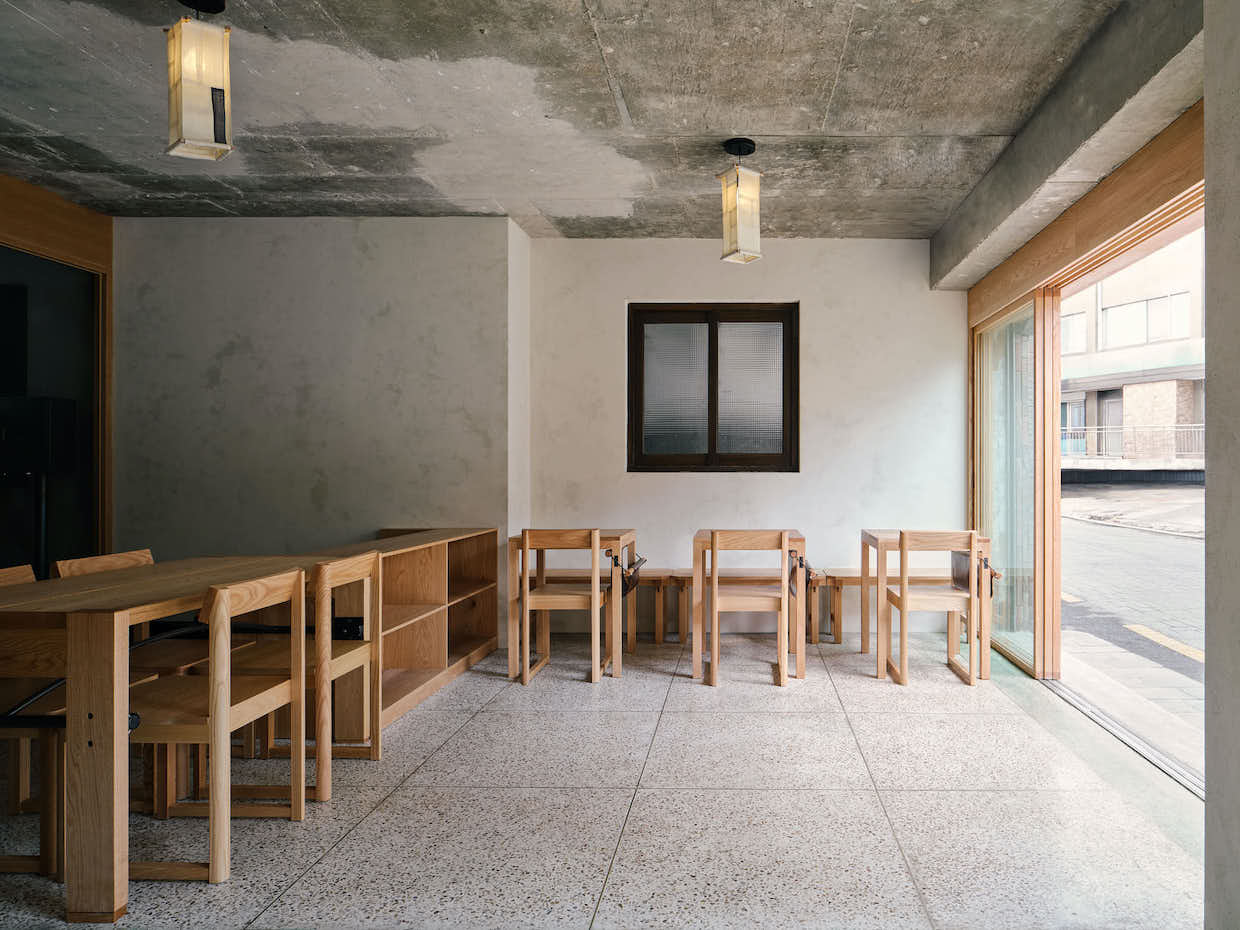
At the heart of Yeonheun Roasters’ design is a profound respect for the existing structure and its accumulated layers of history. Rather than erasing signs of age, Sherpa meticulously retained and restored key architectural elements. The original terrazzo floor, a material synonymous with durability and a certain vintage charm, has been brought back to its former glory, its intricate patterns now serving as a visual anchor for the space. Previously concealed windows and doors have been thoughtfully uncovered and re-purposed, fitted with new glass to allow natural light to flood the interior, thereby enhancing the connection between the indoor environment and the external world.
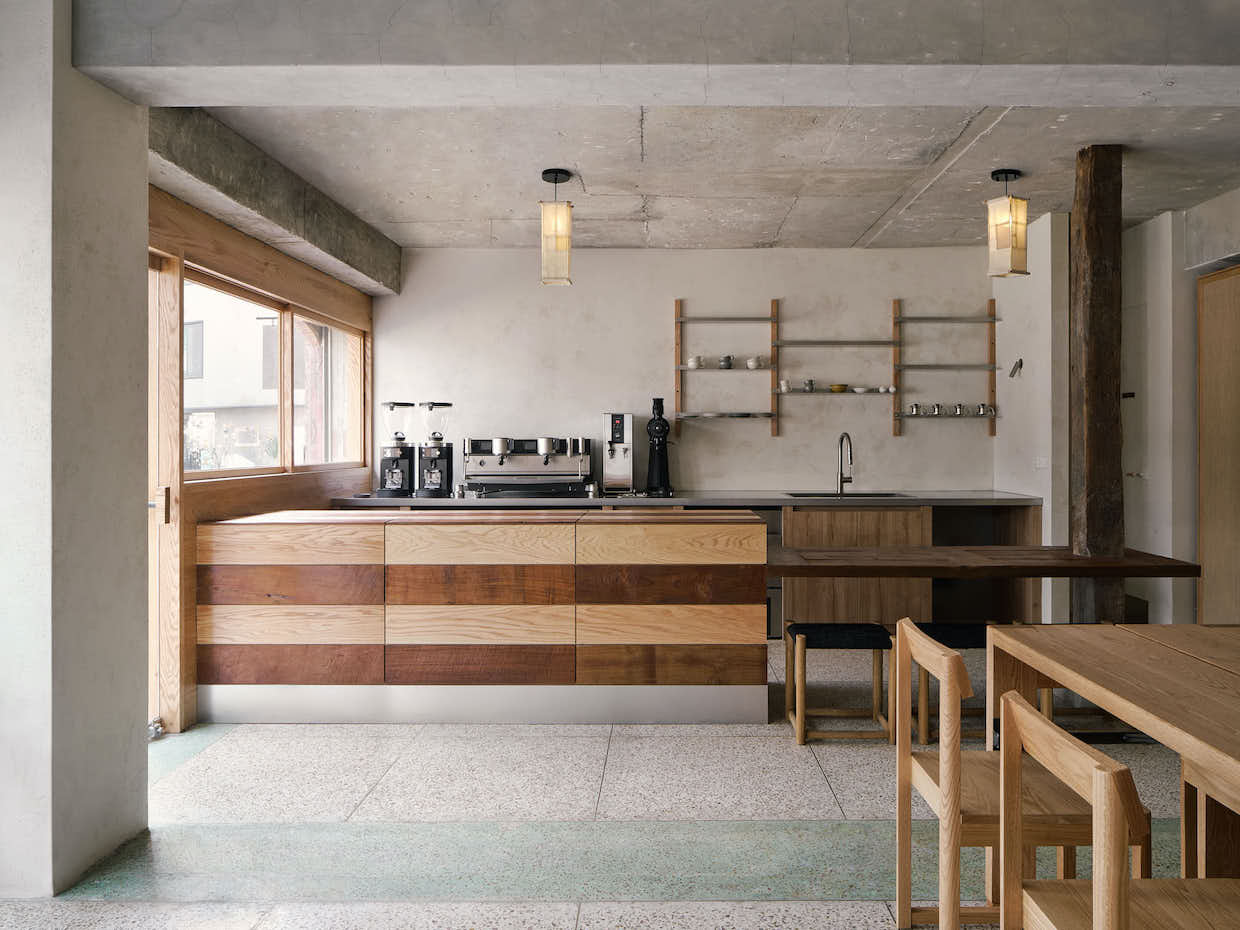
The architectural firm explicitly stated their intention to maintain a "cohesive relationship between the architecture and the interior elements." This is most evident in how the "arched forms of the original facade were also incorporated into the furniture design." This deliberate integration ensures that the new additions do not feel extraneous but rather an organic extension of the building’s inherent aesthetic. The careful preservation and reintegration of these original features provide a tangible link to the past, allowing patrons to experience the evolution of the space firsthand.
The Language of Wood: Growth Rings and Natural Markings
Reclaimed timber and oak are prominent materials throughout Yeonheun Roasters, chosen specifically for their ability to convey a sense of history and natural beauty. The designers deliberately left the "growth rings and other natural markings visible," transforming these imperfections into narratives of time. These visible records on the wood serve as a constant reminder of the material’s journey, mirroring the broader concept of accumulated traces that defines the café’s ethos.
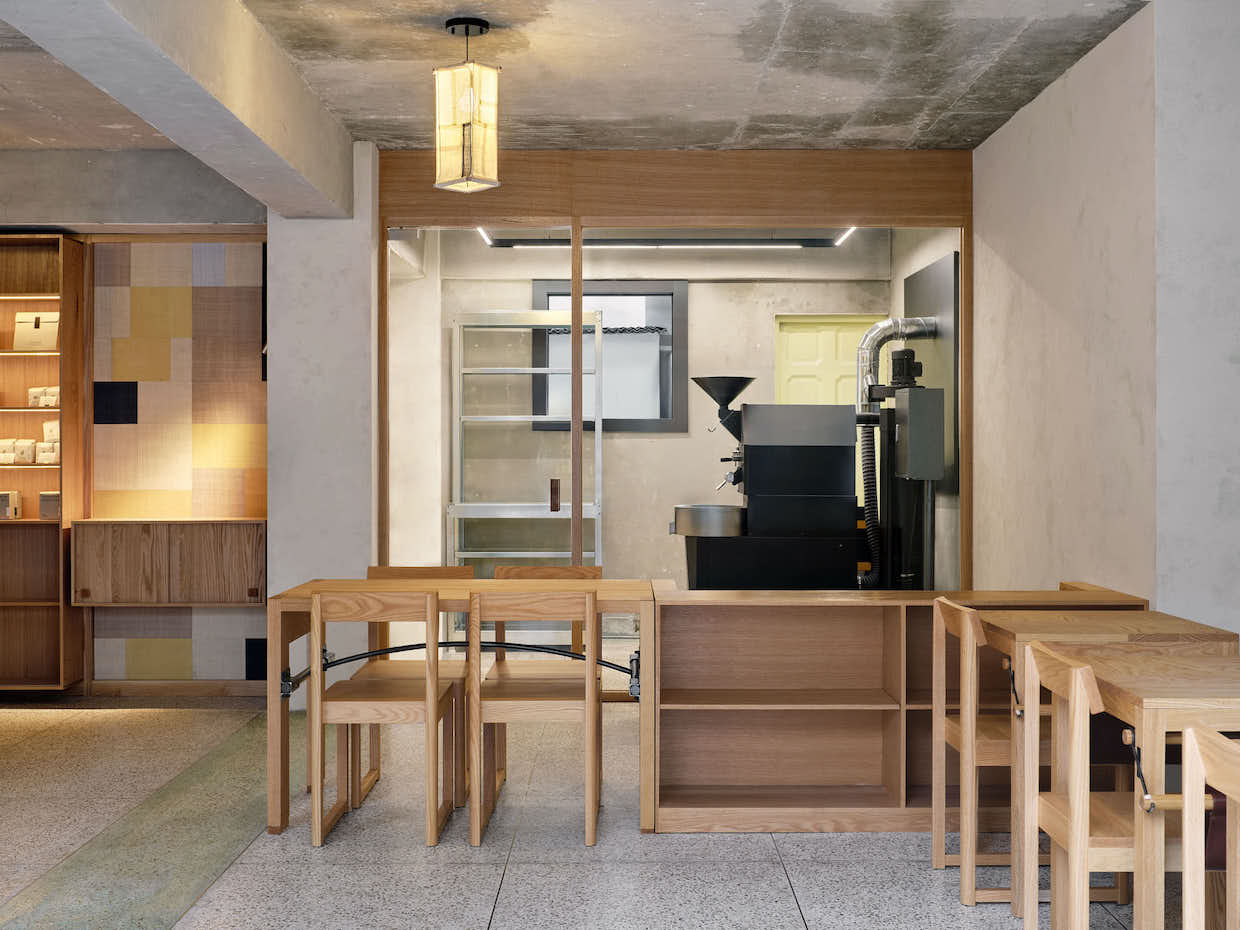
This emphasis on natural patterns extends beyond the wood grain. Sherpa drew parallels between wood grain, fingerprints, and ripple patterns, informing the project’s overall graphic motifs. This conceptual link suggests a deeper understanding of natural processes and the unique signatures they leave behind. The careful selection and presentation of these materials create a tactile and visual richness, inviting patrons to engage with the space on a more profound level.
Traditional Techniques and Cultural Echoes
Further enriching the design are the innovative applications of traditional Korean techniques. For selected furniture pieces, the designers employed nakdong-beop, a traditional wood-burning technique. This process involves charring the wood and then finishing its cross-sections, creating a striking contrast between the darkened, textured surfaces and the exposed, lighter grain. This technique not only adds a unique visual and textural dimension to the furniture but also subtly references ancestral craftsmanship and a deep connection to natural materials.
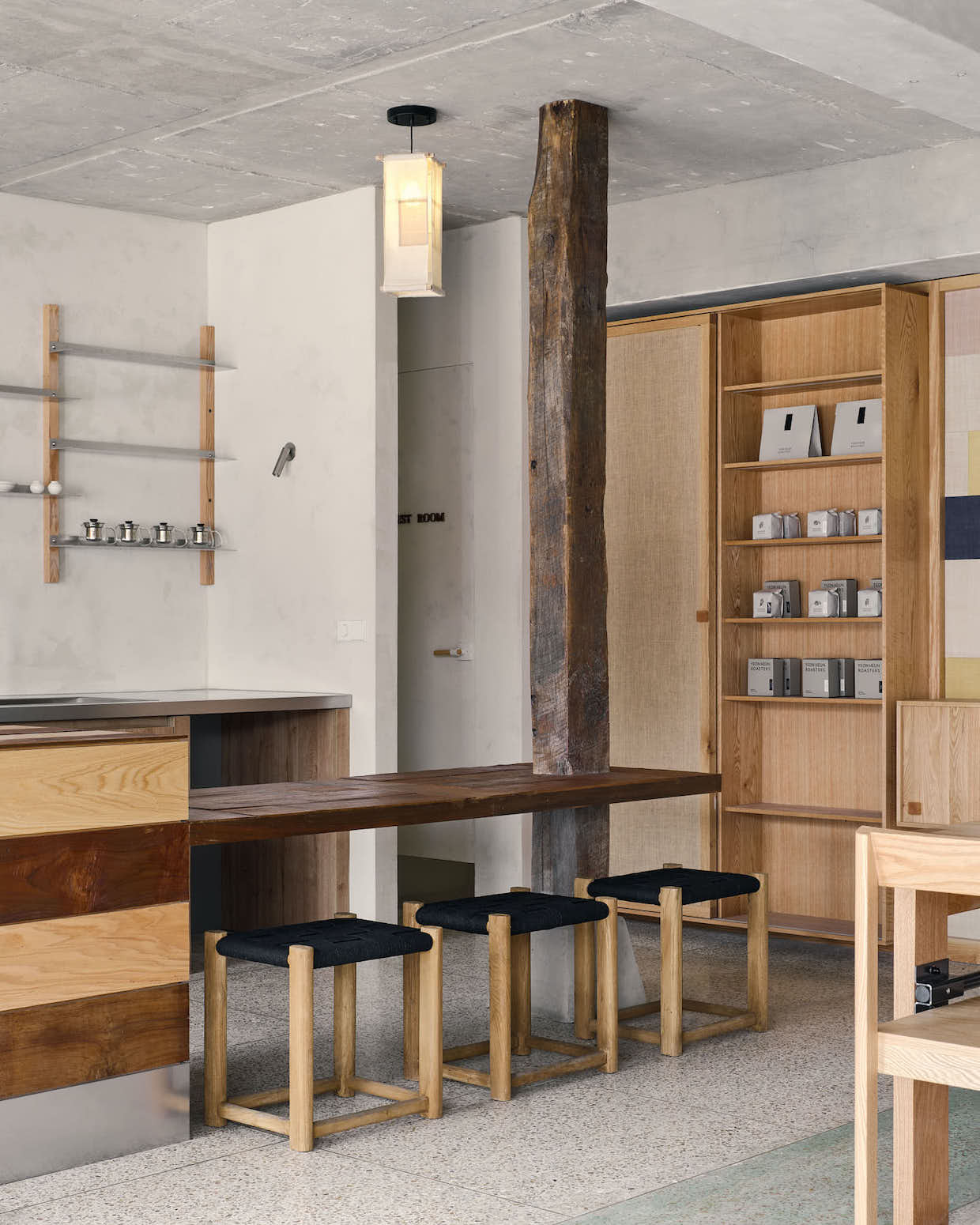
The presence of reclaimed wooden columns resting on foundation stones introduces another layer of meaning, explicitly referencing traditional Korean architecture. This grounding element connects the contemporary café to its cultural heritage, evoking a sense of stability and continuity. The inclusion of pieces of jogakbo, a traditional Korean patchwork art form, on the walls further solidifies this connection. Jogakbo is known for its vibrant colors and intricate stitching, often created from leftover fabric scraps, symbolizing resourcefulness and the beauty of imperfection. The warm glow of the ceiling lighting is designed to extend this sense of warmth and welcome, creating an inviting atmosphere.
A Welcoming Space: The Sarangbang Analogy
Sherpa’s vision for Yeonheun Roasters extends beyond mere aesthetics; it aims to foster a sense of community and belonging. The firm describes the space as a "welcoming sarangbang – a traditional reception room – for the Seochon alleys, sharing warmth and enriching daily life." The sarangbang in traditional Korean homes was a multi-functional space, often used for receiving guests, studying, and as a personal retreat. By evoking this concept, Yeonheun Roasters positions itself as more than just a commercial establishment; it becomes an integral part of the neighborhood’s social fabric, a place where people can gather, connect, and feel at home.
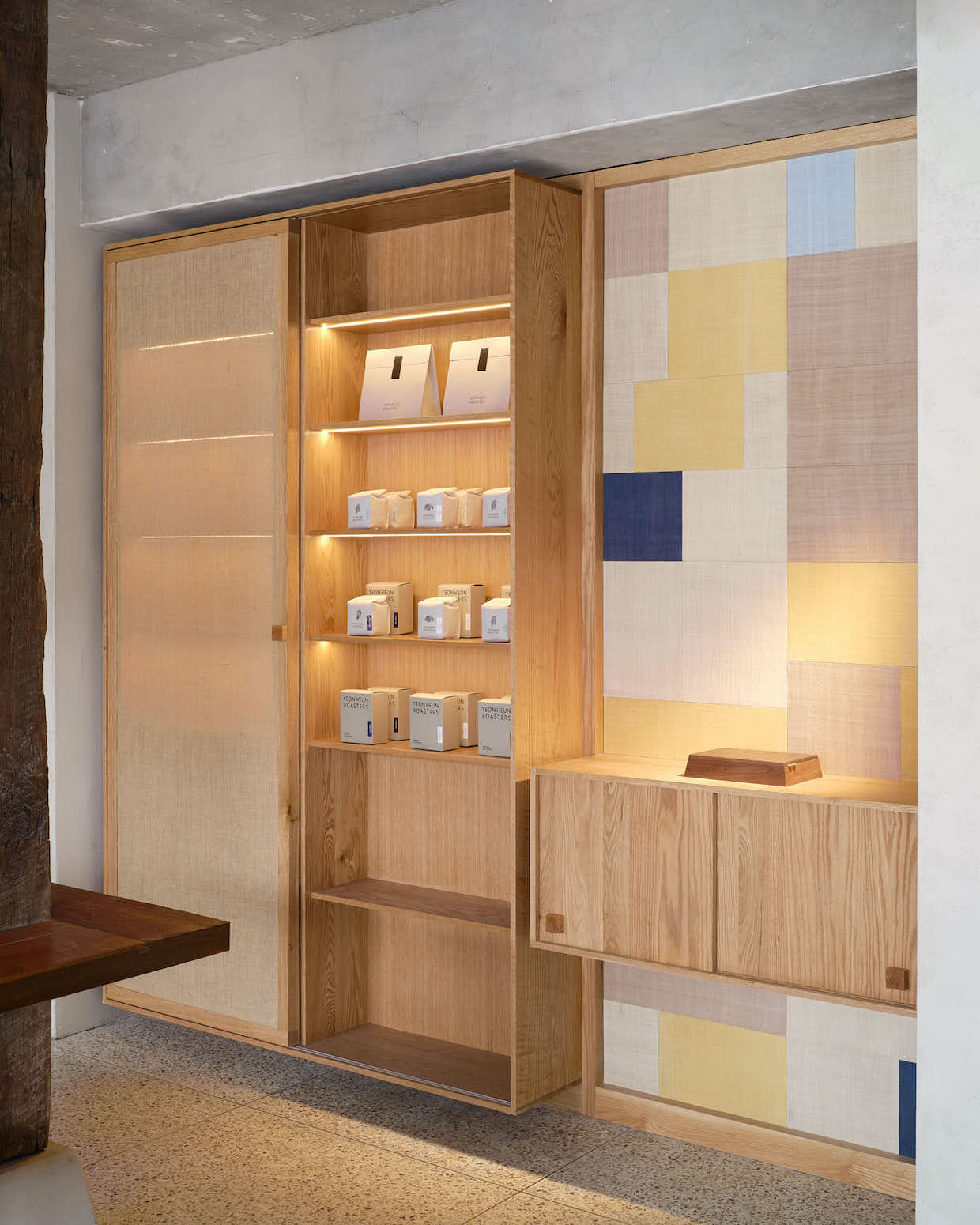
This analogy is particularly poignant in the context of Seochon, a district known for its traditional houses and close-knit community. The café’s design, with its emphasis on warmth, comfort, and historical resonance, aims to embody the spirit of the sarangbang, offering a space that is both intimate and communal. The designers emphasize that "in Seochon, it is these small, subtle details that shape the rhythm of everyday existence," highlighting the importance of thoughtful design in enhancing the quality of daily life.
Design Details: A Chronological and Material Breakdown
The project, designated as "Design Details: Yeonheun Roasters," was initiated with a clear intent to blend historical preservation with contemporary functionality.
- Project Initiation and Conceptualization (Late 2023 – Early 2024): Sherpa began the design process, drawing inspiration from the unique character of Seoul’s Seochon neighborhood and the philosophical concept of "ripple marks" as traces of natural phenomena. The firm engaged with the local community and historical context to inform their design decisions.
- Architectural Restoration (Mid 2024 – Late 2024): The primary phase involved the meticulous restoration of the existing building. This included the careful refurbishment of the terrazzo flooring and the uncovering and repurposing of original windows and doors. The preservation of the facade’s arched forms was a key focus during this period.
- Interior Design and Material Application (Late 2024 – Early 2025): Reclaimed timber and oak were sourced and integrated into the interior design, with a deliberate choice to showcase their natural markings. The nakdong-beop technique was applied to select furniture pieces, adding a unique textural and visual element. Traditional Korean architectural elements and jogakbo were incorporated to deepen the cultural connection.
- Completion and Opening (February 2025): Yeonheun Roasters officially opened its doors, presenting a fully realized space that embodies Sherpa’s vision of blending history, nature, and community. The café’s 60-square-meter footprint was optimized to create an inviting and functional environment.
Supporting Data and Contextual Analysis
Yeonheun Roasters’ design choices can be further understood within the broader context of architectural trends and urban revitalization efforts. The increasing global appreciation for biophilic design, which seeks to connect building occupants more closely to nature, is evident in Sherpa’s use of natural materials and visible textures. The emphasis on reclaimed and recycled materials also aligns with a growing consciousness around sustainability and the circular economy within the design and construction industries.
The café’s location in Seochon is also significant. Seochon, along with its neighboring Bukchon, has become a focal point for preserving traditional Korean urban landscapes amidst Seoul’s rapid modernization. Projects like Yeonheun Roasters contribute to the ongoing narrative of these districts, demonstrating how contemporary businesses can integrate harmoniously with historical settings, thereby fostering tourism, economic activity, and a sense of cultural pride. The 60-square-meter area presented a design challenge that Sherpa effectively addressed by maximizing the sense of space and creating distinct functional zones within a compact footprint, a common consideration in dense urban environments like Seoul.
Broader Impact and Implications
The success of Yeonheun Roasters has implications beyond its immediate aesthetic appeal. It serves as a case study for how heritage buildings can be revitalized to meet contemporary needs without sacrificing their historical integrity. By championing the use of reclaimed materials and traditional techniques, the project contributes to the preservation of artisanal skills and promotes a more sustainable approach to design and construction.
Furthermore, the café’s conceptual framing as a modern sarangbang offers a valuable perspective on the role of public spaces in fostering social cohesion. In an era where digital interactions often dominate, the creation of physical spaces that encourage genuine human connection is increasingly important. Yeonheun Roasters, through its thoughtful design and evocative atmosphere, provides a tangible example of how architecture can actively contribute to the well-being of a community. The project’s integration into the fabric of Seochon suggests a sustainable model for urban development that values both progress and preservation, enriching the daily lives of its residents and visitors alike. The café’s design team, Sherpa, has thus crafted not just a place to drink coffee, but a space that resonates with history, celebrates natural beauty, and fosters a sense of belonging, solidifying its place as a notable example in contemporary architectural discourse.
