

The founder of the influential travel and legal resource platform Legal Nomads, Jodi Ettenberg, has released a comprehensive retrospective detailing a year of significant professional expansion and medical advocacy in 2025. Despite facing severe physical limitations resulting from a chronic spinal cerebrospinal fluid (CSF) leak, Ettenberg reported reaching major milestones, including the sale of her 25,000th celiac translation card, the co-authorship of a peer-reviewed medical research paper, and her appointment as Board President of the Spinal CSF Leak Foundation. This transition from a high-profile travel writer to a prominent patient advocate underscores a broader shift in the digital creator economy, where personal health crises are increasingly being leveraged to drive institutional change and specialized resource development.
The year 2025 was marked by a dichotomy of physical restriction and professional output. Ettenberg, a former corporate lawyer who transitioned to full-time travel in 2008, has lived with Spontaneous Intracranial Hypotension (SIH) since 2017. The condition, characterized by a hole or tear in the dura mater surrounding the spinal cord, results in a loss of fluid pressure that supports the brain. For Ettenberg, this manifests as a debilitating inability to remain upright for extended periods, a condition that was exacerbated by a physical setback in December 2024. Nevertheless, her annual report highlights a series of successful initiatives managed entirely from a supine position, illustrating the evolving capabilities of remote leadership and digital entrepreneurship for the chronically ill.
Chronology of a Multi-Phase Career Trajectory
The evolution of Legal Nomads provides a case study in accidental entrepreneurship and adaptive business modeling. Ettenberg’s career began in the legal sector, where she practiced law before embarking on a world tour that was intended to be a one-year sabbatical. By 2010, the blog had transitioned into a business, focusing on the intersection of food, travel, and risk management.
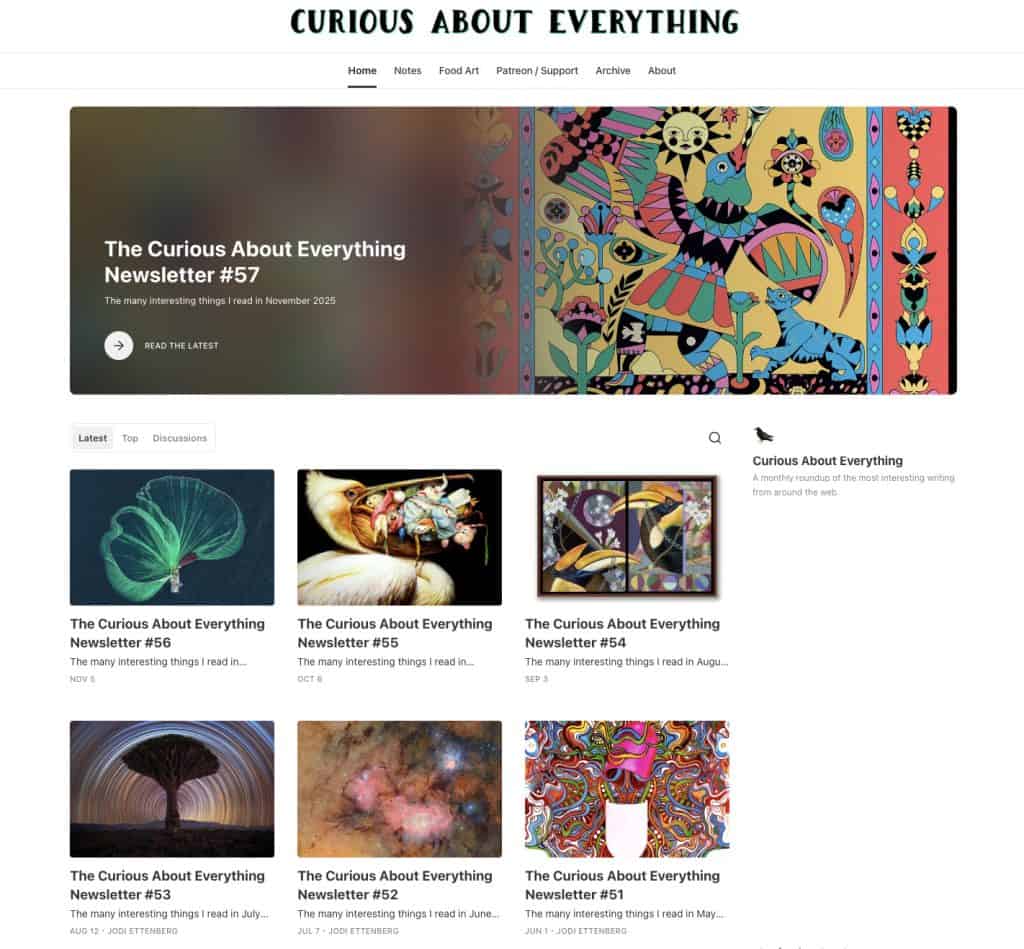
In 2015, following a diagnosis of celiac disease, Ettenberg shifted the site’s focus toward safe travel for those with strict dietary requirements. This led to the development of celiac translation cards—meticulously researched documents designed to communicate cross-contamination risks to restaurant staff in foreign languages. The trajectory of the business was permanently altered in 2017 when a routine medical procedure resulted in a spinal CSF leak. Since then, the platform has morphed into a hybrid of a resource for the celiac community and a hub for advocacy regarding SIH and alternative legal careers.
The 2025 reporting period began under duress. Following a fall on Christmas Day 2024, Ettenberg entered the new year with a diminished "uptime" baseline—the amount of time she could spend standing or sitting before neurological symptoms became overwhelming. Despite this, the year saw the successful integration of her three distinct professional identities: the lawyer, the traveler, and the advocate.
Advancement in Medical Research and Standardized Reporting
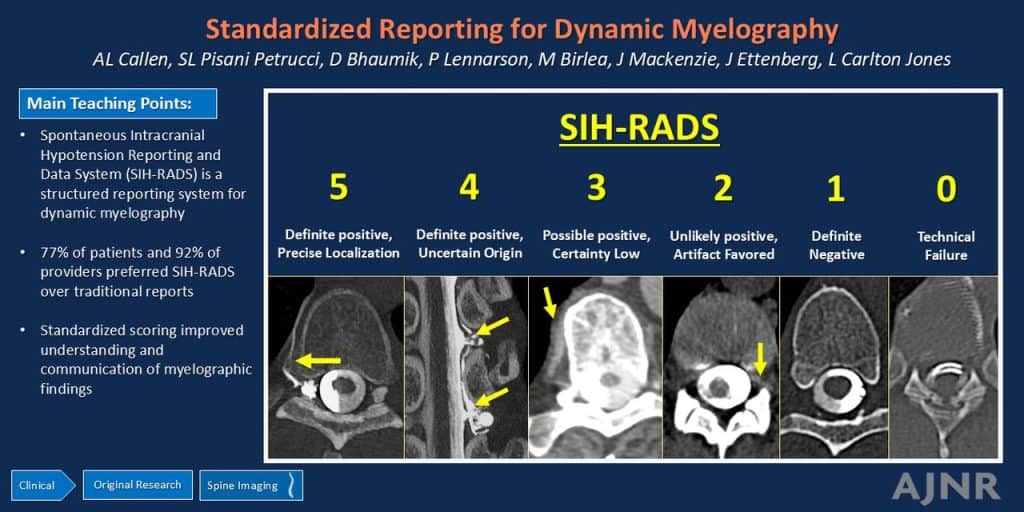
One of the most significant achievements of the year was Ettenberg’s contribution to the medical literature surrounding spinal CSF leaks. She served as a patient co-author on a research paper published in the American Journal of Neuroradiology (AJNR). The paper, titled "Enhancing Clarity in Dynamic Myelography Reporting," proposed a new standardized reporting system known as SIH-RADS.
Dynamic myelography is a specialized diagnostic imaging test used to locate dural defects. It involves the injection of contrast dye into the spinal canal while the patient is moved in real-time under a CT scanner. Historically, the reporting of these results has lacked standardization, leading to potential miscommunication between neuroradiologists and treating physicians. The SIH-RADS system aims to provide a structured framework for these reports, which the study found improved clarity for both medical providers and patients. Ettenberg’s involvement as a patient author highlights a growing trend in medical research toward "patient-centered outcomes," where those living with a condition provide direct input on the utility of diagnostic tools.

Institutional Leadership at the Spinal CSF Leak Foundation
Ettenberg’s role in the medical community expanded further in 2025 when she was appointed Board President of the Spinal CSF Leak Foundation, a 501(c)(3) non-profit organization. Her tenure was marked by a period of intense organizational growth and administrative restructuring.
During the year, Ettenberg spearheaded the hiring process for a new Executive Director, a task that involved reviewing over 130 applications and coordinating a multi-stage interview process. This required the application of her previous legal expertise, as she collaborated with pro bono employment counsel to navigate the complexities of non-profit hiring. Under her leadership, the Foundation also made progress on the first international patient registry for spinal CSF leak, an initiative designed to gather longitudinal data to improve diagnosis and treatment protocols.
The Foundation also hosted "Leak Week," an annual awareness campaign. Ettenberg’s personal community raised $4,217 during this period, contributing to the Foundation’s efforts to educate the public and medical professionals about SIH. This condition is frequently misdiagnosed as migraine or tension headache, leading to years of unnecessary suffering for patients.
Expansion of Celiac Resources and Global Reach
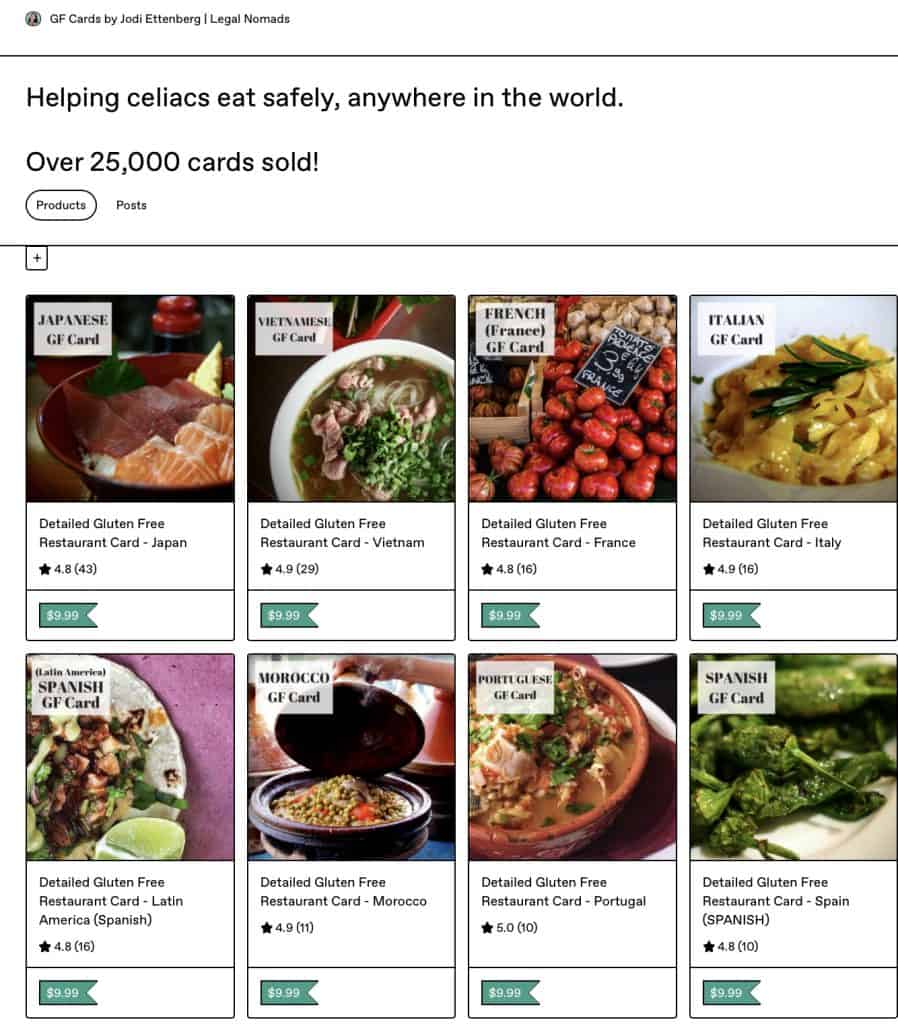
While advocacy occupied a significant portion of her time, Ettenberg continued to expand the commercial and resource-based aspects of Legal Nomads. In 2025, she recorded the sale of her 25,000th celiac translation card. The product line grew to include 21 languages, with new additions for Croatian, Korean, and Khmer.
The importance of these resources is supported by global health data. Celiac disease affects approximately 1% of the global population, but in many regions, particularly in Southeast Asia, awareness of gluten-related disorders remains low. Ettenberg’s "Essential Gluten-Free Guides," which saw new editions for Cambodia and South Korea in 2025, provide 3,000 to 5,000 words of localized data on safe ingredients, cross-contamination risks, and cultural nuances regarding food preparation. By collaborating with readers on the ground to verify data, Ettenberg has maintained the accuracy of these guides despite her inability to travel personally.
Digital Community and Economic Sustainability
The economic model supporting Ettenberg’s work shifted toward a membership-based structure via Patreon. This platform has allowed her to bypass traditional niche marketing constraints, providing a space for long-form writing on diverse topics such as the philosophy of curiosity and the psychological impact of chronic pain.
In 2025, the Patreon community became a primary source of income, which Ettenberg noted is essential given her ineligibility for disability benefits in Canada—a common hurdle for former self-employed individuals with invisible disabilities. The "Support Only" model she employs, where all tiers receive the same content, emphasizes a community-driven approach to philanthropy. This revenue stream has allowed her to dedicate hundreds of hours to volunteer work for the Spinal CSF Leak Foundation, effectively subsidizing her advocacy through her creative output.
Broader Impact and Future Implications
The activities of Legal Nomads in 2025 offer several insights into the future of digital advocacy and the management of chronic illness in the professional sphere:
- The Rise of the Patient-Expert: Ettenberg’s transition from a consumer of medical care to a contributor to medical research suggests a shift in the hierarchy of medical expertise. As patients gain access to specialized information and form global networks, they are increasingly being recognized as essential partners in clinical progress.
- Resource Granularity: The success of the celiac translation cards and specific country guides demonstrates a high demand for "granular" data—highly specific, localized information that general travel or health sites fail to provide.
- Adaptive Professionalism: Ettenberg’s ability to run a non-profit board and co-author research papers while bedridden serves as a proof-of-concept for the "uptime" management style. This approach, which treats physical energy as a finite currency, may provide a blueprint for other professionals facing similar health constraints.
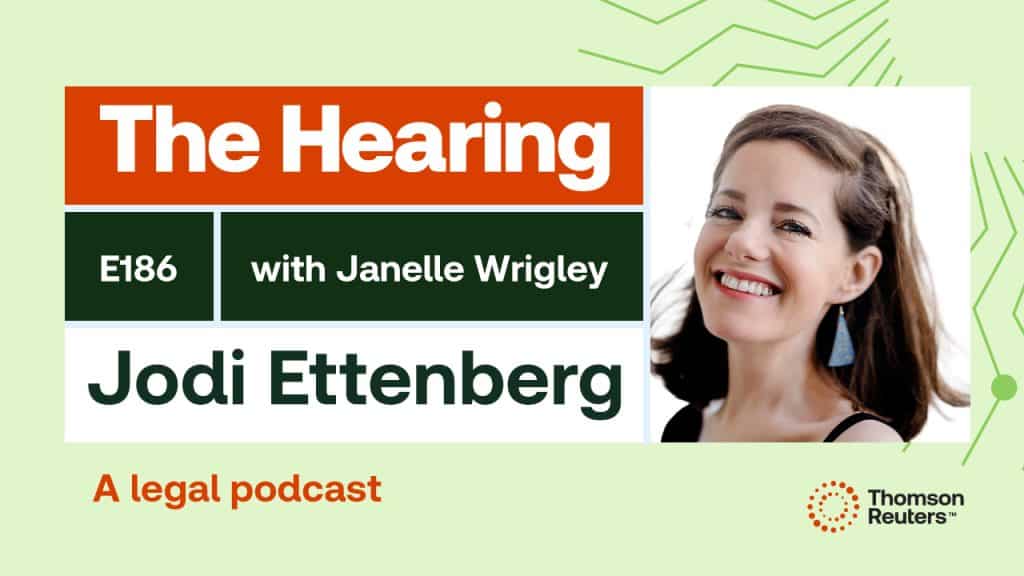
- Legal Industry Transitions: Ettenberg’s appearance on The Hearing, a Thomson Reuters podcast, in late 2025 highlights a continuing interest within the legal profession regarding alternative careers. Her trajectory remains a touchstone for lawyers seeking to apply their analytical skills to non-traditional fields.
As 2025 concludes, Ettenberg’s retrospective serves as a record of resilience and a factual account of how digital platforms can be used to influence medical policy and support niche communities. While her physical world remains constricted, the data suggests that her professional and advocacy footprint has never been larger. The forthcoming year is expected to focus on the full onboarding of the Foundation’s new executive leadership and the continued expansion of gluten-free resources for the international travel community.
