

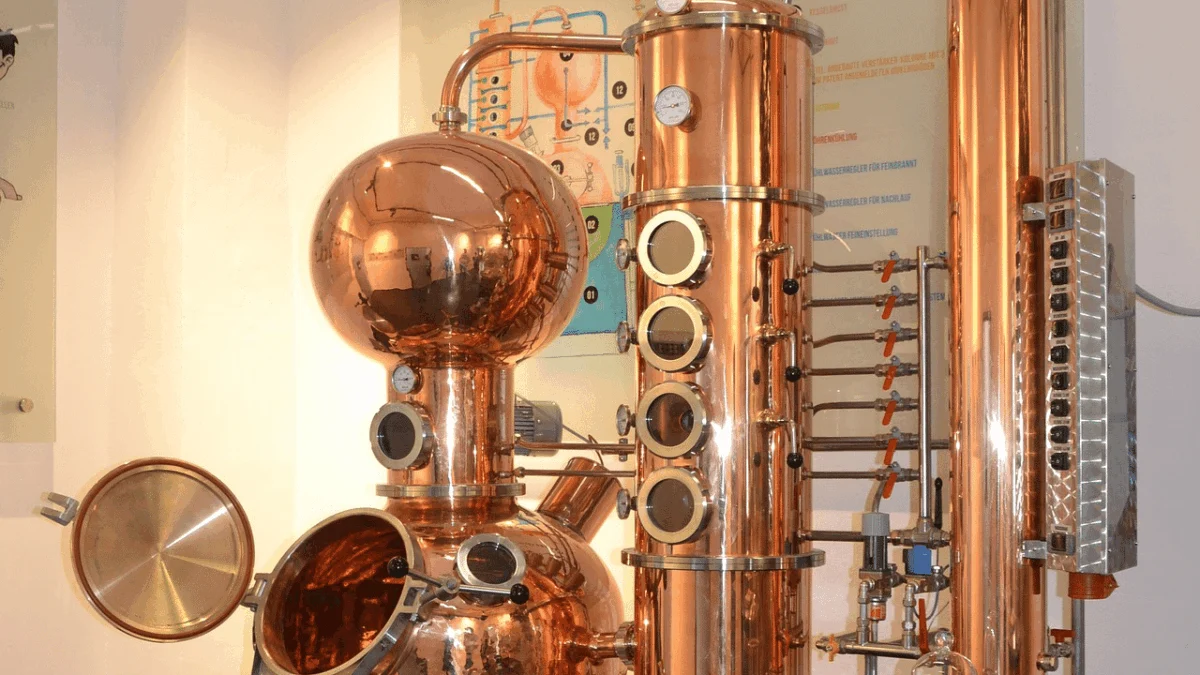
The production of gin is a sophisticated intersection of chemistry, sensory analysis, and engineering where the final flavor profile is determined by a sequence of critical technical decisions made after the selection of botanicals. While the consumer often focuses on the ingredients listed on the label—juniper, coriander, citrus peel, or exotic spices—the distiller’s true influence lies in the manipulation of variables such as heat, time, pressure, and the physical state of the spirit. A single set of raw materials can yield vastly different spirits depending on whether a distiller chooses maceration over vapor infusion, or a single-shot over a multi-shot approach. To understand the modern gin landscape, one must look beyond the recipe and into the mechanics of the distillery.
The foundational element of almost all modern gin is Neutral Grain Spirit (NGS). This is a highly rectified ethanol, typically distilled to 96% Alcohol by Volume (ABV), derived from grains such as wheat, rye, or corn. By starting with a "blank canvas" that has been stripped of most congeners and impurities, the distiller ensures that the delicate aromatic compounds of the botanicals are not obscured by the base spirit’s own character. The process of transforming this high-proof vodka into gin involves the selective extraction of essential oils and terpenes, a process governed by the laws of thermodynamics and the specific solubility of various botanical compounds.
The Mathematical Precision of Botanical Ratios
The first critical decision in the distillery is the determination of the botanical load, measured in grams per liter of spirit. Industry benchmarks typically suggest a range of 20 to 35 grams of total botanicals per liter of NGS. However, because gin is legally defined by the predominant flavor of juniper, the ratio of Juniperus communis to other ingredients is the most vital calculation. Most traditional recipes start with juniper comprising at least 60% of the total botanical weight.
The artistry of the distiller is revealed in the "cascade" of secondary and tertiary ingredients. For a balanced London Dry style, a common ratio involves using coriander seeds at approximately 50% of the weight of the juniper. From there, the quantities drop significantly. "Fixative" botanicals like angelica root or orris root, which help bind the more volatile citrus notes to the spirit, may be used at 10% of the juniper’s weight. Highly potent spices, such as cassia, cinnamon, or cloves, are often utilized in "trace" amounts—sometimes as low as 1% or 0.1% of the total volume. These micro-quantities are what distinguish a premium gin from a generic spirit, as they provide the "tail" or the lingering finish on the palate.
Extraction Techniques: Maceration versus Vapor Infusion
Once the ratios are established, the distiller must decide how the ethanol will interact with the solid botanicals. There are two primary schools of thought: maceration and vapor infusion.
Maceration, or the "steep and boil" method, involves soaking the botanicals directly in the spirit. This can occur at room temperature for an extended period—Beefeater Gin famously utilizes a 24-hour maceration period—or it can happen within the still as it begins to heat. The liquid-to-solid contact allows for a robust extraction of heavier compounds and oils. This often results in a "bigger," more traditional mouthfeel. Some distillers choose to macerate only the "hard" botanicals (roots and seeds) while adding delicate florals later to avoid over-extraction and bitterness.
Conversely, vapor infusion involves suspending the botanicals in a basket within the neck of the still. As the ethanol boils and turns into vapor, it rises through the botanical basket, picking up volatile aromatic oils without the "stewing" effect of liquid contact. This method, pioneered on a large scale by brands like Bombay Sapphire, tends to produce a lighter, more floral, and brighter spirit. The placement of the basket is a variable in itself; a basket placed lower in the still’s neck is exposed to higher temperatures, while a higher placement allows for a cooler, more delicate extraction.
The Chronology of a Distillation Run: The Importance of Cuts
Distillation is a temporal process where the flavor of the distillate changes minute by minute. As the still is heated, different chemical compounds reach their boiling points and evaporate at different times. The distiller’s role is to monitor this stream and make "cuts" to separate the desirable "heart" from the undesirable "heads" and "tails."
- The Foreshots and Heads: These are the first liquids to exit the still. They contain low-boiling-point compounds like methanol and acetone. In gin production, the heads often carry an aggressive, "nail polish remover" scent and a harsh, stinging citrus note. These are always discarded or recycled.
- The Heart: This is the premium portion of the run. It contains the cleanest ethanol and the most balanced botanical flavors. The distiller must decide exactly when the heads have transitioned into the heart, a decision usually made through a combination of ABV monitoring and sensory "nosing."
- The Tails: As the run nears its end, the ABV drops and heavier, oilier compounds begin to dominate. These "tails" can smell of damp cardboard, cooked vegetables, or heavy spice. While some of the early tails can provide necessary body to a gin, most are cut away to prevent the spirit from becoming cloudy or bitter.
This process is analogous to cooking; if one captures the aroma of garlic in oil, the first few seconds provide a fresh scent, the middle period provides a savory richness, and the final period—if left too long—provides a burnt, acrid bitterness. The distiller’s expertise lies in capturing the "golden window" of flavor.
Strategic Dilution and the Multi-Shot Methodology
The final stage of production involves bringing the high-proof distillate down to bottling strength, typically between 40% and 47.3% ABV. However, the path to this final proof can vary based on the "shot" method used.
In a "single-shot" distillation, the ratio of botanicals to spirit in the still is exactly what is required for the final product. After distillation, the only thing added to the heart is pure water. This is often considered the "purist" method and is a requirement for many boutique craft labels.
The "multi-shot" method is an industrial optimization technique. In this process, the distiller increases the botanical load significantly—sometimes by five or ten times the standard amount—creating a "gin concentrate." This highly intense distillate is then blended with additional Neutral Grain Spirit and water before bottling. While some critics argue this dilutes the nuance of the distillation, the industry consensus, supported by technical analysis from publications like Gin Magazine, suggests that there is no measurable difference in quality if the blending is performed with precision. Multi-shot distillation allows a distillery to produce significantly more gin from a single run, reducing energy consumption and labor costs.
Regulatory Frameworks and Industry Standards
The methodology of gin production is not merely a matter of preference but is often dictated by legal definitions. The European Union and the United States’ Alcohol and Tobacco Tax and Trade Bureau (TTB) maintain strict standards for what can be labeled as "London Dry Gin."
According to these regulations, all flavors must be imparted through the distillation of natural botanicals in the presence of NGS. No flavors or colorings can be added after distillation. The only permitted additive post-distillation is water and a minute amount of sugar (0.1 grams per liter in the EU). This makes the "cuts" and the distillation process even more critical, as there is no opportunity to "fix" a flawed batch with additives later.
In contrast, "Distilled Gin" allows for the addition of flavors or essences after the distillation process. This has led to the rise of the "New Western" or "Contemporary" gin categories, where traditional juniper levels are lowered in favor of experimental flavors like cucumber, rose, or local fruit.
Market Implications and Future Outlook
The global gin market has experienced a significant "premiumization" trend over the last decade. Data from market research firms indicates a Compound Annual Growth Rate (CAGR) of approximately 5% for the premium gin sector. This growth is driven by consumer interest in the "provenance" of the spirit—the specific techniques and local botanicals used by the distiller.
As the industry evolves, sustainability is becoming a key factor in distillation decisions. High-tech distilleries are now utilizing vacuum distillation (cold distillation), which lowers the boiling point of the spirit. This not only saves energy but also prevents the "heat damage" of delicate botanicals like fresh mint or citrus, which can take on a "cooked" flavor in traditional pot stills.
Ultimately, the flavor of a gin is a testament to the distiller’s ability to control a chaotic chemical reaction. From the mathematical precision of the botanical basket to the sensory intuition required to make the perfect cut, the process is a masterclass in functional artistry. As consumers become more educated about these technical nuances, the transparency of the production process—maceration times, still types, and shot methods—will continue to be a primary differentiator in a crowded global marketplace.
