

Sweetgreen, the fast-casual salad chain, has signaled a significant turning point in its business trajectory, with same-store sales and customer traffic both registering positive growth in October. This development indicates that the company’s strategic turnaround efforts, implemented over the past year, are beginning to yield tangible results. The positive shift follows a challenging third quarter, which was heavily impacted by external factors, but demonstrates a renewed consumer engagement with the brand.
Third Quarter Performance and the Cyclospora Shadow
In the third quarter, which concluded on September 27, Sweetgreen experienced a 6.4% decline in same-store sales. This figure was comprised of a 4.9% decrease in customer traffic and a 2.1% reduction in product mix. A minor offset of 0.6% came from menu price increases. However, a substantial portion of this comparable sales decline is attributed to the lingering effects of the cyclospora outbreak that affected the broader fresh produce industry earlier in the year. While Sweetgreen was not directly implicated in the outbreak, the widespread consumer apprehension surrounding fresh salads and produce led to a significant dip in demand for several weeks, impacting the entire sector.
The cyclospora incident, which first gained widespread media attention in late spring and early summer, led to numerous reports of illness across multiple states. Investigations by health authorities traced the outbreak to contaminated produce, prompting recalls and heightened consumer caution. For salad-centric businesses like Sweetgreen, this created an environment of uncertainty, as consumers became hesitant to purchase items perceived as potentially risky. This led to a broad-based decline in foot traffic and sales for many companies in the fast-casual and restaurant sectors that rely heavily on fresh ingredients.
A Resurgence Fueled by Strategic Initiatives
Once the cyclospora outbreak receded from headlines and consumer confidence began to rebound, Sweetgreen observed a noticeable acceleration in its business momentum. By October, the company reported a 5% increase in same-store sales, with customer traffic climbing by an impressive 4%. This resurgence was highlighted by CEO Jonathan Neman during a recent earnings call, underscoring the effectiveness of the company’s strategic adjustments.
Looking ahead to the fourth quarter, Sweetgreen projects continued positive momentum, anticipating approximately 4% transaction growth. Same-store sales are expected to rise by about 4%, with approximately 3% of this growth stemming from menu price adjustments. It is important to note that the full-year contribution from menu prices is anticipated to be around 1%, reflecting a strategic decision by the chain to reduce prices on certain items earlier in the year. This dynamic pricing strategy aims to balance profitability with consumer value perception.
"There’s a lot more work to do, but this quarter offers meaningful encouragement that our strategic priorities are starting to translate into better performance," Neman stated during the earnings call. This optimism is further reflected in the company’s revised full-year guidance. Sweetgreen now expects same-store sales to be down 5.5% for the year, a significant improvement from the previously projected decline of 8% to 7%.
The Sweet Growth Transformation Plan in Action
The positive performance metrics are a direct outcome of Sweetgreen’s ongoing Sweet Growth Transformation Plan, a comprehensive strategy initiated last year to revitalize the brand and enhance its competitive positioning. This plan encompasses a multi-pronged approach focusing on menu innovation, operational efficiency, and strategic marketing.
One of the key initiatives from this plan is the upcoming rollout of a new line of rotisserie chicken plates, scheduled for introduction next week. These offerings are specifically designed to bolster dinner traffic and attract a broader customer base. This strategy is not entirely new for Sweetgreen; the company experienced success in 2023 with the launch of a protein-centric plates platform. That initiative helped to drive dinner sales and appealed to a more diverse demographic, including a greater number of male consumers. The existing plates currently account for approximately 17% of the menu mix. The new "knife-and-fork" chicken option, which is about 50% larger than the current offerings, represents an opportunity to expand this successful category.
The introduction of rotisserie chicken requires significant investment in back-of-house infrastructure, including ovens, specialized tools, and enhanced kitchen leadership. However, Sweetgreen expresses confidence in the projected consumer adoption, supported by a robust marketing campaign designed to generate awareness and excitement.
Menu Innovation and Influencer Collaborations Driving Frequency
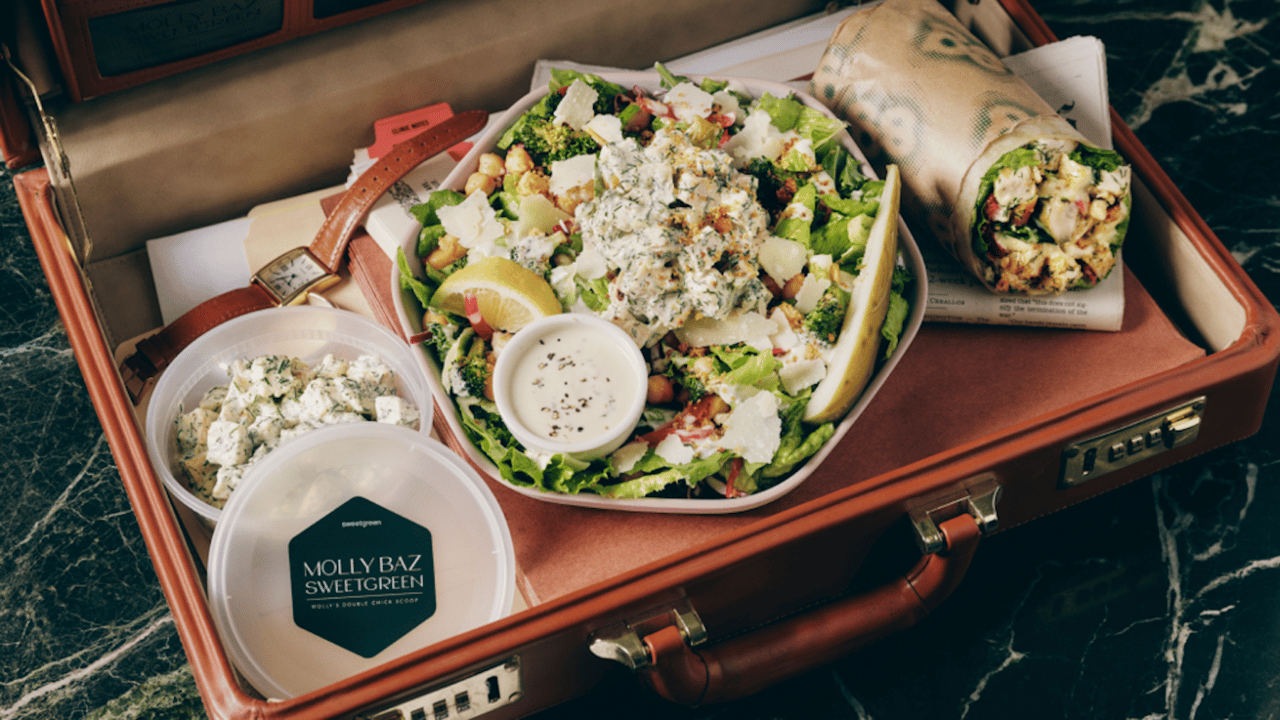
Beyond the new plates, Sweetgreen’s introduction of wraps earlier this year has also proven instrumental in increasing customer frequency, particularly among existing and lapsed patrons. CEO Jonathan Neman noted that further wrap innovations are in development, signaling a continued commitment to this popular menu category.
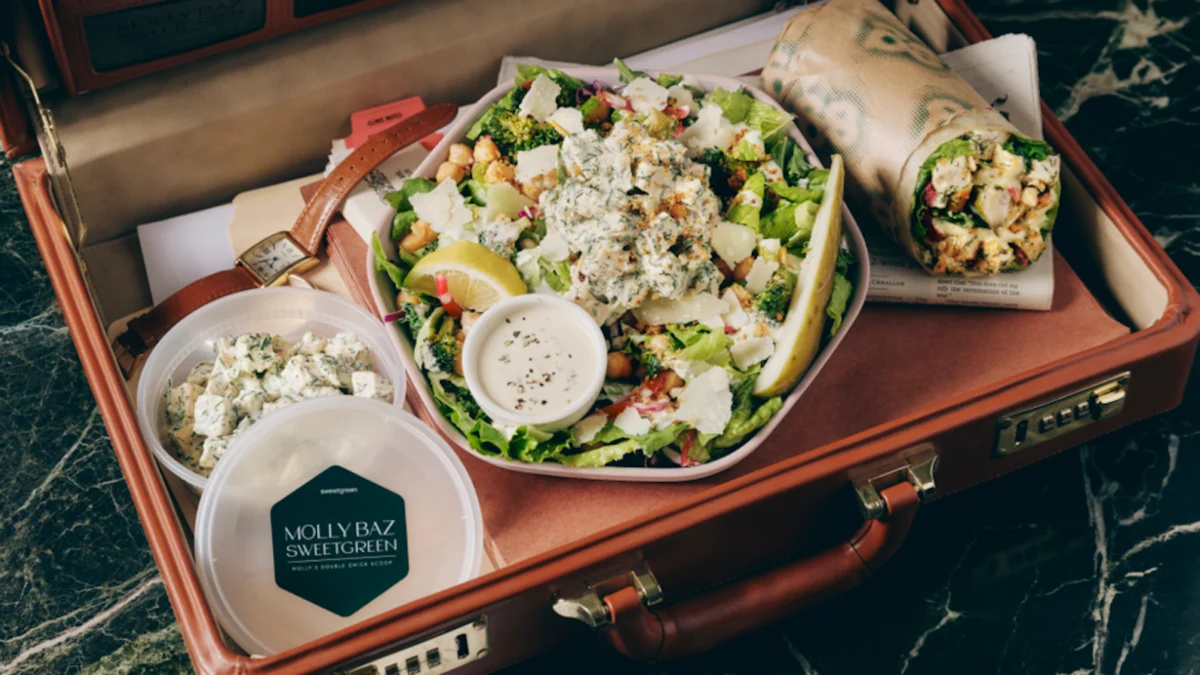
A particularly successful collaboration within the wrap initiative was the partnership with influencer Molly Baz. Her involvement, which included the creation of pickle-spiked menu items, generated significant buzz and positive customer response. With wrap prices starting around $10, Neman believes that Sweetgreen’s price-value perception is currently at its strongest in years, a crucial factor in attracting and retaining price-sensitive consumers. The successful integration of influencer marketing highlights Sweetgreen’s understanding of contemporary consumer engagement strategies.
Exploring New Price Architectures and Strategic Expansion
Sweetgreen is also actively testing a new price architecture for its customizable bowls in approximately 70 locations. Early results from these tests are encouraging, with customers responding positively to the increased transparency in pricing. The company intends to continue studying these results before a broader rollout. This experiment with pricing transparency aligns with a growing consumer demand for clarity and understanding of how their food is priced.
In terms of physical expansion, Sweetgreen saw three net new restaurant openings during the third quarter. Looking ahead to the next year, the company plans to moderate its growth rate, with 10 net new restaurants projected. This represents a slower pace compared to previous years, and the figure also accounts for anticipated closures as leases expire. Nine restaurants have permanently closed this year as part of this strategic recalibration. This measured approach to expansion suggests a focus on profitability and operational efficiency rather than aggressive market saturation.
Financial Performance and Future Outlook
Financially, Sweetgreen reported a 2.1% increase in revenue for the third quarter, reaching $176 million. This growth is largely attributable to the 30 new units that opened in the previous year. The company also made progress in narrowing its net loss, reporting $30.7 million for the quarter, an improvement compared to the $36.1 million net loss recorded in the same period a year ago. This indicates a step towards improved financial health and operational leverage.
The company’s financial performance, coupled with the positive sales and traffic trends, paints an optimistic picture for Sweetgreen’s future. The successful execution of its Sweet Growth Transformation Plan, including strategic menu additions, effective marketing collaborations, and a focus on optimizing its store portfolio, appears to be steering the company back towards sustainable growth and profitability. The challenges posed by external factors like the cyclospora outbreak have been navigated, and the brand is demonstrating resilience and adaptability in a competitive market. The continued focus on customer value, menu innovation, and operational excellence will be critical in maintaining this positive trajectory.
Broader Industry Implications
Sweetgreen’s turnaround story holds broader implications for the fast-casual dining sector. The company’s ability to rebound from significant industry-wide disruptions like the cyclospora outbreak underscores the importance of adaptability and strategic agility. The success of their influencer collaborations, particularly with Molly Baz, highlights the growing influence of social media personalities in shaping consumer preferences and driving trial. Furthermore, their experiments with pricing architecture and menu diversification, such as the introduction of rotisserie chicken plates, reflect a keen understanding of evolving consumer demands beyond traditional salad offerings.
The company’s measured approach to expansion in the coming years suggests a shift towards a more deliberate and profitable growth strategy, emphasizing unit economics and operational stability over rapid scaling. This approach may serve as a model for other fast-casual chains navigating market saturation and economic uncertainties. The focus on building dinner traffic and attracting new demographics through innovative offerings like the chicken plates indicates a strategic effort to broaden the brand’s appeal and reduce reliance on the traditional lunch-time salad occasion.
Sweetgreen’s journey from facing significant headwinds to demonstrating renewed growth signifies a potential inflection point. The company’s commitment to its transformation plan, coupled with its ability to leverage partnerships and respond to market dynamics, positions it to capitalize on the positive momentum achieved in October. The coming quarters will be crucial in solidifying this turnaround and demonstrating sustained performance in the competitive fast-casual landscape. The integration of data-driven insights, consumer feedback, and innovative menu development will continue to be paramount as Sweetgreen strives to maintain its upward trajectory and re-establish itself as a leader in the healthy fast-casual market.
