

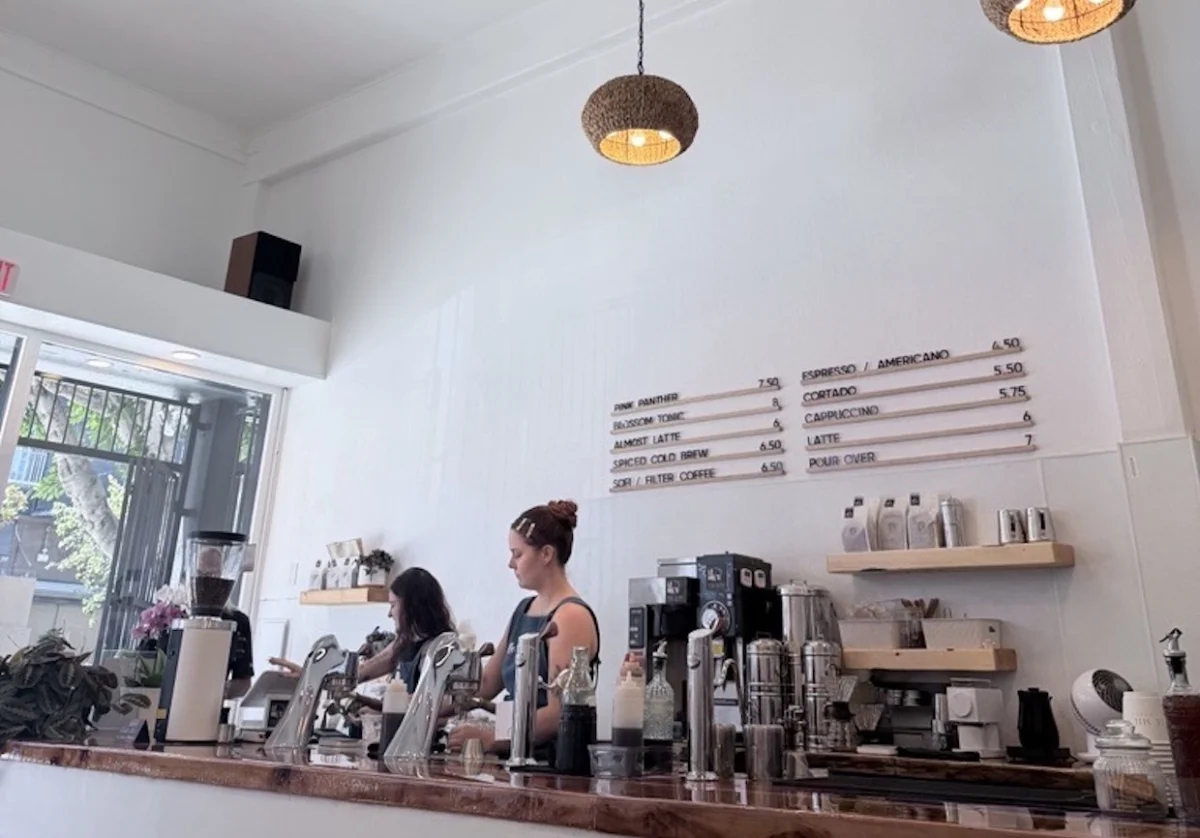
San Francisco, CA – In a vibrant fusion of ancestral heritage and modern entrepreneurship, Le Mil’s Coffee has opened its doors in San Francisco’s bustling Lower Nob Hill neighborhood, offering a unique gateway to the rich coffee-growing traditions of India. The newly established café, which commenced operations on August 15th, India’s Independence Day, aims to bridge the geographical and cultural distance between the Bay Area and the origins of its coffee, spotlighting beans from the owner’s fifth-generation family farm and other neighboring producers in India.
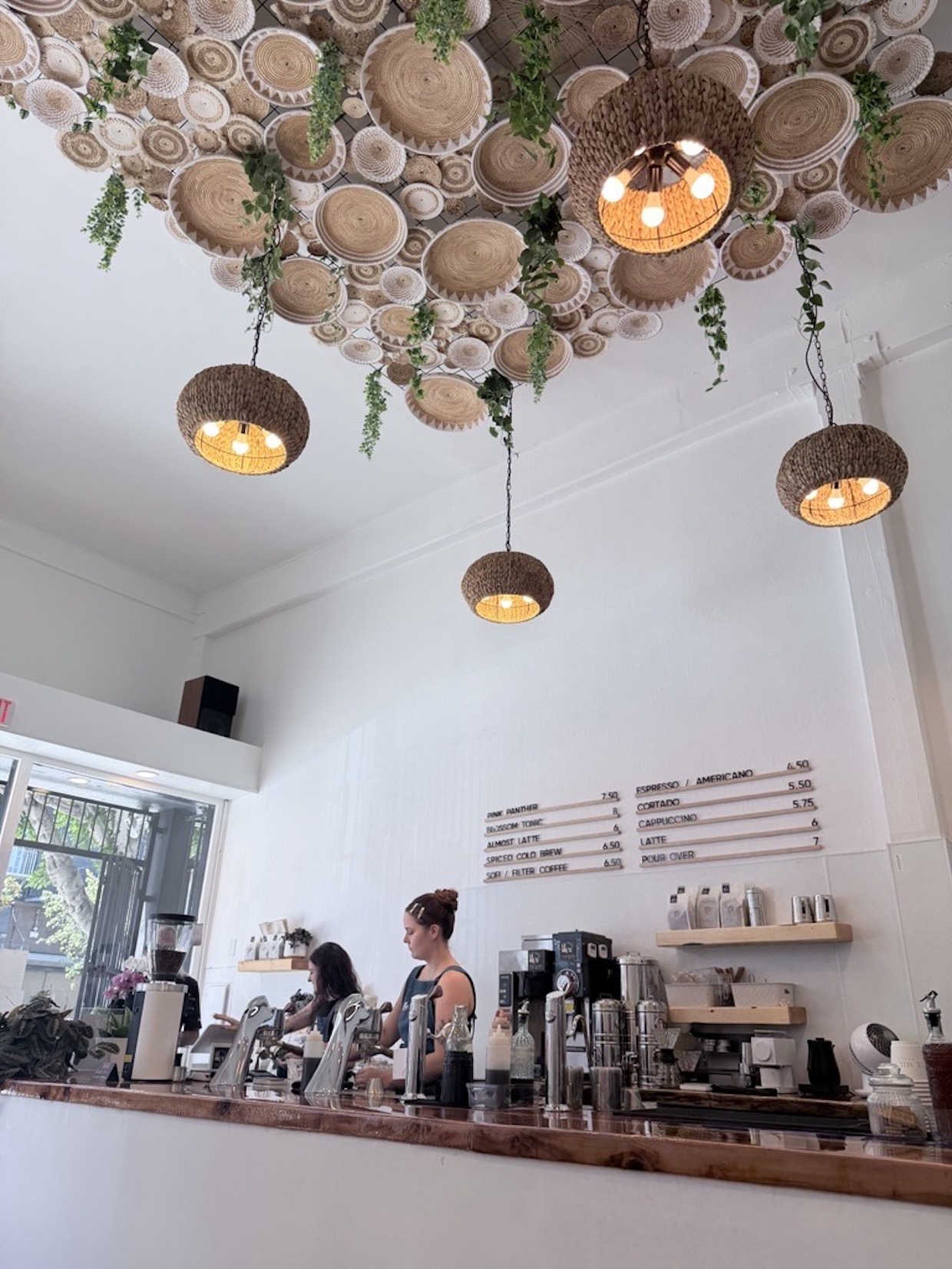
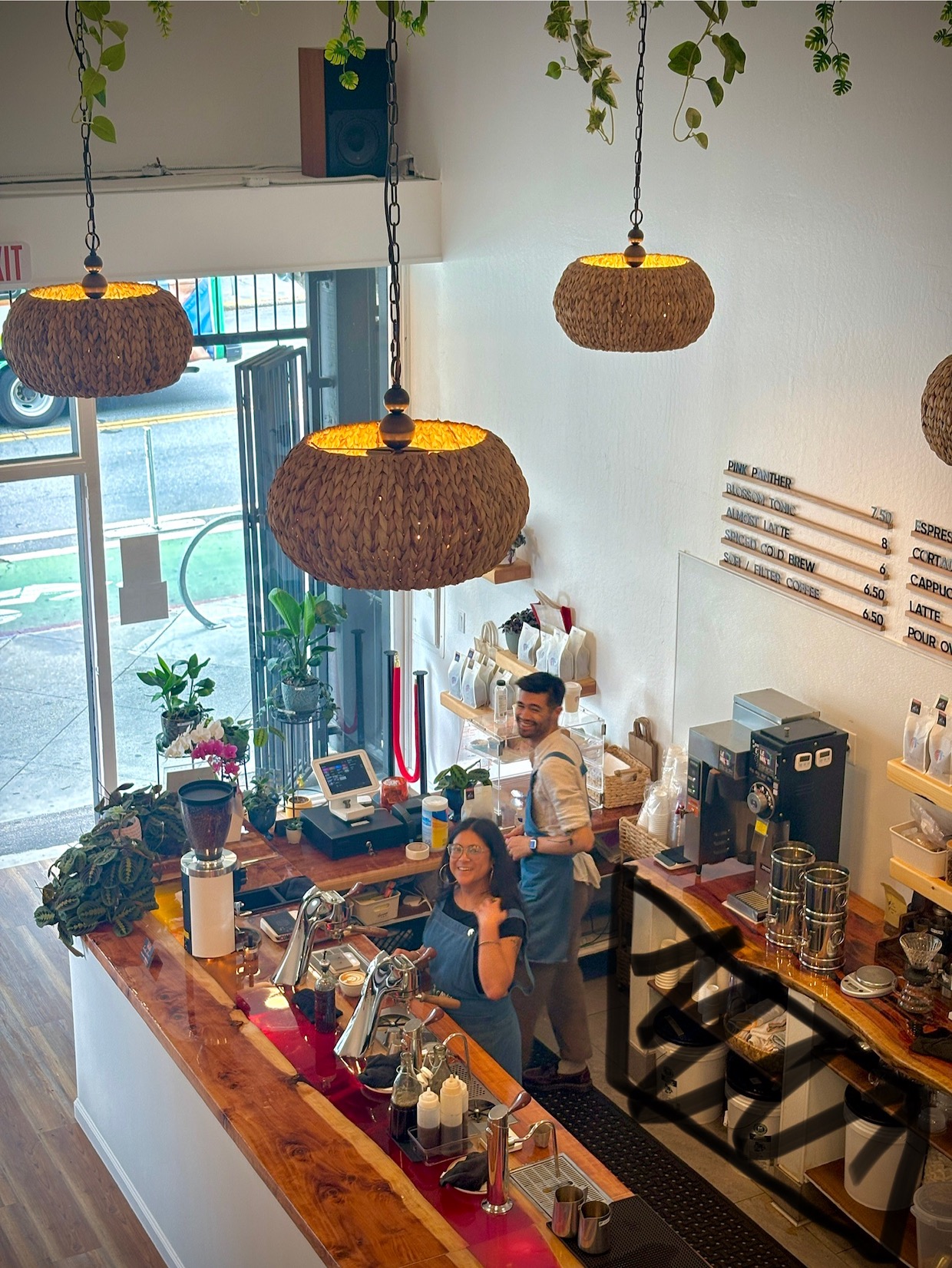
The café’s aesthetic thoughtfully reflects its dual identity. The long, white-walled space on Polk Street is adorned with suspended woven rattan pendants, casting a warm glow from high ceilings. An artistic installation of layered South Asian baskets, mounted at various heights, cascades from the ground floor to an upstairs mezzanine, creating an immersive environment filled with lush, dangling plants. This distinctive design element was conceived by Le Mil’s married co-owners, Milana Ram and Himanshu Bhaisare, both of whom bring their Indian upbringing to the forefront of the café’s experience.
A Vision for "Cafe Lounge" Culture
Himanshu Bhaisare articulated the couple’s overarching vision for Le Mil’s: "Our goal was to create a ‘cafe lounge’ experience that bridges the gap between a traditional daytime cafe and an evening lounge, treating specialty coffee with the same reverence as wine." This ambition is visually and functionally embodied in the café’s design, particularly the long, natural-wood bar featuring colorful epoxy accents. Beneath this bar, a Modbar undercounter espresso system enhances the open interaction between baristas and customers, allowing for a focused appreciation of the coffees being served.
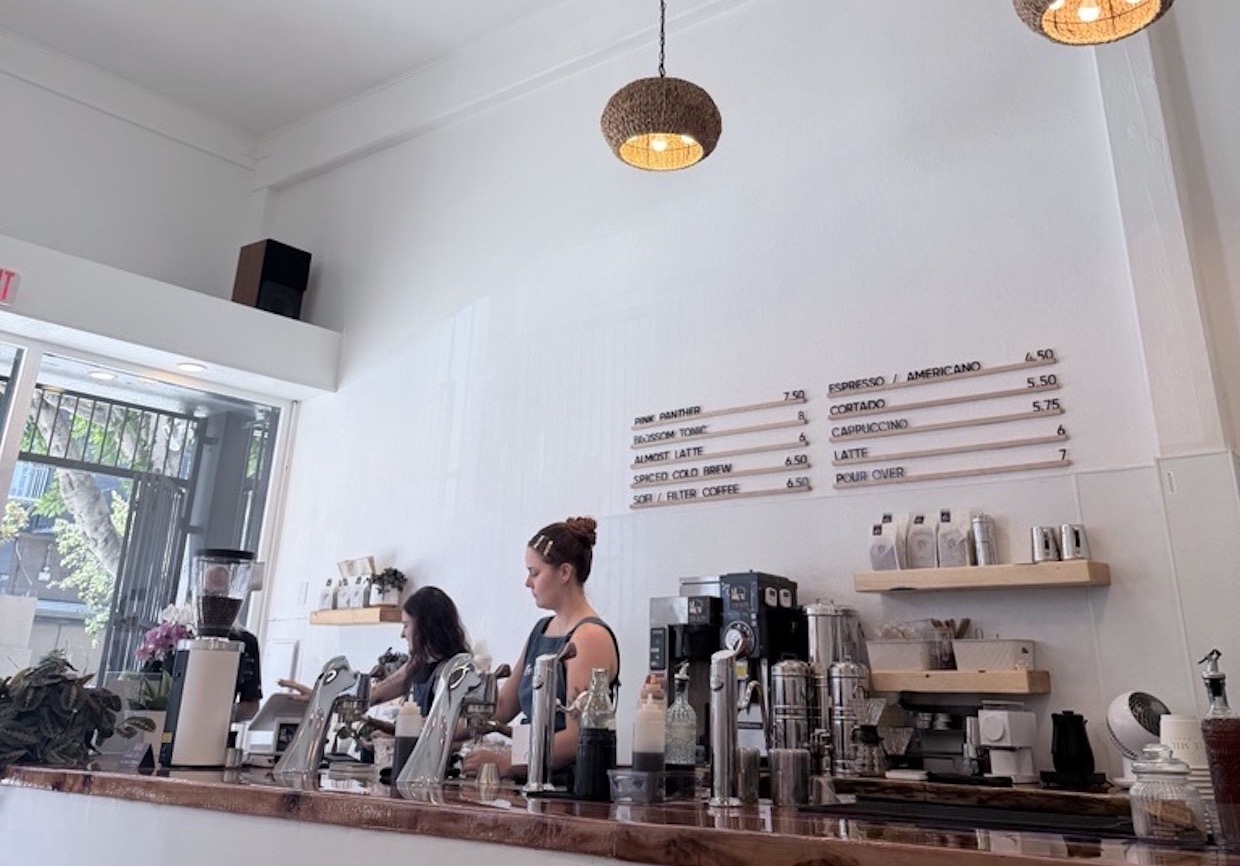
The core of Le Mil’s offering lies in its commitment to showcasing coffees grown in India. This includes beans sourced directly from Navilumane Estate, the ancestral farm that has been in Milana Ram’s family for five generations. The journey of Le Mil’s from concept to reality is deeply rooted in this multi-generational legacy and a shared dream cultivated over years.
A Legacy of Coffee: From Royal Land Grants to Global Outreach
The Ram family’s deep connection to coffee cultivation dates back to the mid-19th century. According to family accounts, Milana Ram’s great-great-grandfather, Kalasapur Thimmiah, was granted approximately 200 acres of farmland in the Karnataka region by the Mysore royal family. This land became the foundation of their coffee enterprise. Over the subsequent generations, the original land holdings saw a gradual reduction as shares were divided among heirs. Ram recounts childhood memories of visiting her grandfather’s farm, which at that time comprised 60 acres. Today, her parents diligently manage the family’s remaining 20 acres, situated in the esteemed coffee-growing regions of Baba Budangiri and Hassan.
This intimate connection to the land and the coffee it produces forms the emotional and operational bedrock of Le Mil’s. Milana Ram’s decision not to return to India to manage the farm directly, but rather to establish Le Mil’s as a global ambassador for its coffee, underscores a strategic pivot. By creating a direct market for the farm’s output, she ensures the sustainability of the family legacy while simultaneously introducing Indian coffee to a discerning international audience.
Sourcing and Sustainability: Empowering Local Communities
The transition from a family farm to a broader sourcing model highlights a significant commitment to community development. In 2023, Le Mil’s began its operations with a modest yield of just one ton of coffee beans from the family farm. However, the vision rapidly expanded. "Starting in 2026, we began sourcing beans from neighboring farms along with our family farm," Milana Ram shared with Daily Coffee News. This expansion represents more than just increased production; it signifies a dedication to supporting the wider farming community.
Ram further elaborated on the impact of this initiative: "The neighboring farmer community is very proud that a girl from their village has taken their coffee so far and they are excited to work with us." This sentiment reflects a powerful narrative of empowerment, where a modern business venture not only honors tradition but also actively uplifts and collaborates with its origins. Le Mil’s purchases the entire crop from these partner farms, ensuring a stable and reliable market for their produce. The coffees procured are organically produced and include varietals such as S795, S274, Selection 9, and Cauvery. These beans undergo meticulous washed and natural post-harvest processing before making their journey to the United States.
From Silicon Valley Dreams to Coffee Connoisseurship
The story of Le Mil’s is also a testament to the entrepreneurial spirit that thrives in San Francisco, fueled by individuals who have pursued diverse career paths before embarking on their passion projects. Himanshu Bhaisare, originally from Mumbai, met Milana Ram while they were both pursuing master’s degrees at San Francisco State University. Bhaisare specialized in computer science, while Ram focused on electrical engineering. While Bhaisare continued to build a successful career in software engineering, he now also shoulders significant responsibilities for Le Mil’s, overseeing marketing, finance, technology, and distribution. This dual role underscores the dedication and multifaceted approach required to launch and sustain a specialty coffee venture.
The couple’s shared ambition to bring Indian coffee to San Francisco was a long-held aspiration, dating back to their meeting in 2008. "We planned to bring Indian coffee to San Francisco since the day we met in 2008," Ram stated. "It took until 2023 for us to take the plunge as roasters, and finally a cafe in 2026." This timeline reveals a patient, strategic approach, with each phase meticulously planned and executed.
The Roasting Process: Precision and Quality Control
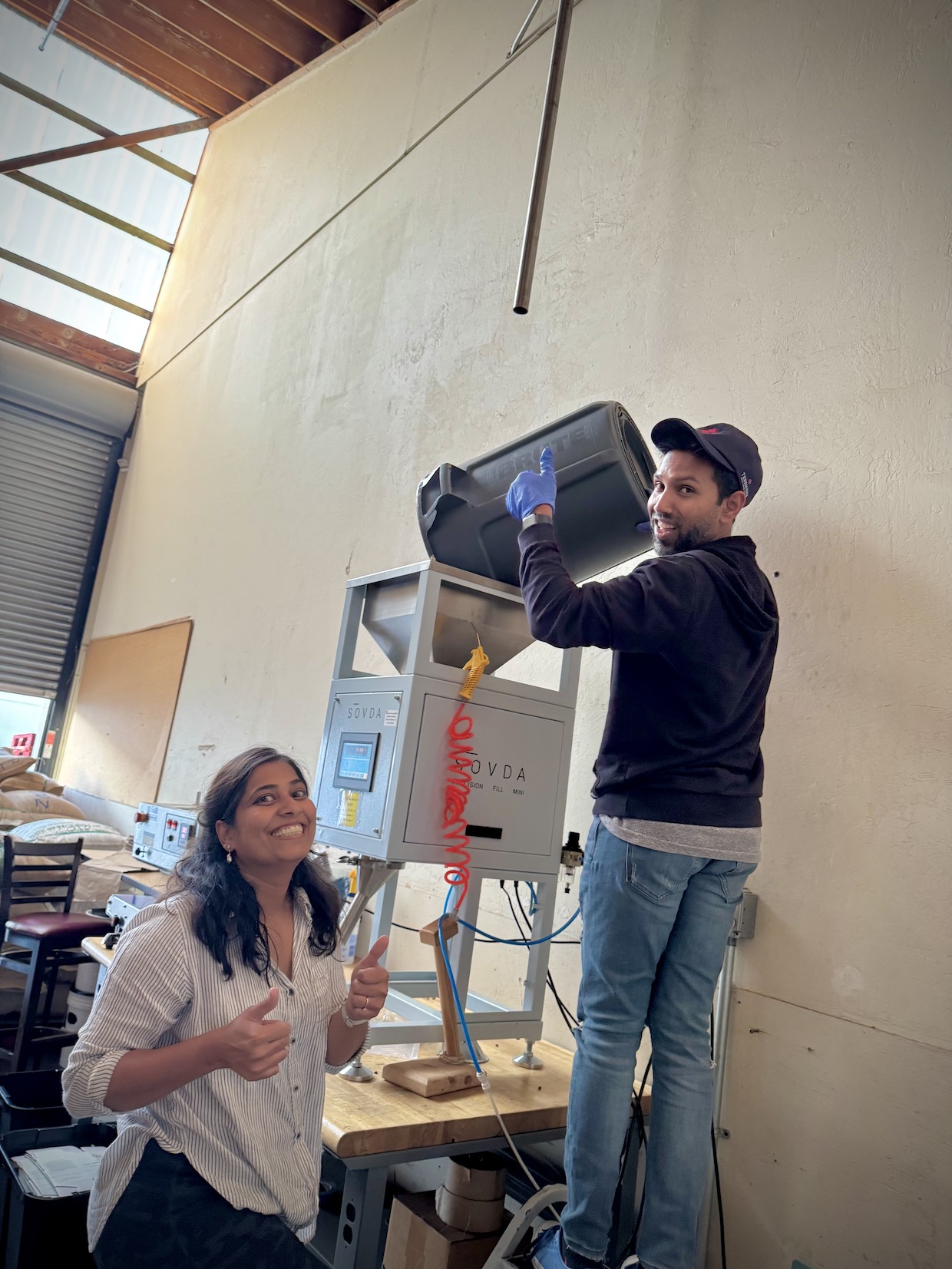
Upon arrival in the United States, the meticulously processed Indian coffee beans are entrusted to Milana Ram for roasting. She undertakes this crucial step every two weeks at Berkeley’s CoRo shared roasting facility, a collaborative space that supports emerging roasters. This regular roasting schedule ensures that the coffee served at Le Mil’s is always fresh, vibrant, and at its peak flavor profile. The facility’s shared model provides access to professional-grade equipment and expertise, enabling Ram to maintain stringent quality control over the roasting process, a critical factor in elevating Indian coffees to the specialty market.
The types of coffees offered by Le Mil’s are diverse, reflecting the rich terroirs of India. The S795 varietal, known for its floral and citrus notes, often performs exceptionally well with washed processing. The S274, a hybrid of Liberica and Robusta, can offer a more robust body and unique flavor complexities. Selection 9, a high-yielding Arabica varietal, often presents with bright acidity and fruity characteristics. Cauvery, another significant Arabica varietal, is appreciated for its balanced profile. The decision to apply both washed and natural processing methods allows for the expression of distinct flavor profiles from the same coffee cherries, offering customers a nuanced understanding of how processing impacts the final cup.
A Culinary Journey: Flavors of India and Beyond
Le Mil’s beverage menu is a curated selection that celebrates both traditional Indian coffee preparation and contemporary specialty coffee techniques. Highlights include authentic South Indian filter coffee, a rich and potent brew traditionally served with milk and sugar, offering a taste of everyday Indian life. The menu also features qishr, a traditional Yemeni spiced coffee beverage, alongside manual pourovers and expertly crafted espresso drinks.
Complementing the coffee offerings is a thoughtfully chosen array of food items that draw inspiration from Indian culinary traditions. Guests can indulge in nan khatai, a classic Indian shortbread cookie, and gulab jamun cake, a fusion dessert that brings together the beloved rose-syrup-soaked dumplings with a moist cake base. Mango-cardamom cake and vegan lassi further enhance the sensory experience, providing a delightful exploration of flavors and textures that are both familiar and intriguingly novel. This fusion approach extends the café’s commitment to showcasing Indian culture in its entirety, offering a holistic experience that engages multiple senses.
Building Expertise: Empowering the Barista Team
A cornerstone of Le Mil’s philosophy is the belief in the integral role of baristas in the coffee journey. Milana Ram is dedicated to fostering a deep understanding of coffee among her staff, extending beyond mere preparation. "As our demand grows, the baristas on our team are also learning and participating in our roasting sessions," Ram explained. "At Le Mil’s, we believe that the baristas should be involved with the bean at a deeper level. Involving them in roasting is our first step toward achieving this."
This hands-on approach to barista training aims to equip the team with comprehensive knowledge of the coffee from farm to cup. By participating in roasting sessions, baristas gain firsthand insight into the nuances of bean development, the impact of different roasting profiles, and the critical factors that contribute to flavor. This elevated understanding allows them to communicate more effectively with customers, share the story behind each coffee, and ultimately provide a more informed and engaging service. This commitment to education and empowerment not only benefits the staff but also enriches the customer experience, transforming a simple coffee purchase into an educational and appreciative interaction.
Future Outlook and Strategic Goals
Looking ahead, Le Mil’s Coffee is focused on solidifying its presence in the competitive San Francisco market and demonstrating the viability of its unique "cafe lounge" concept. "We are focused on establishing our physical brand presence in San Francisco and proving the unit economics of the cafe lounge concept," Bhaisare stated. This strategic objective underscores a measured approach to growth, prioritizing sustainability and a deep understanding of the business model before any potential expansion.
The café’s location at 1330 Polk Street in San Francisco places it within a dynamic urban environment, offering significant potential for customer engagement and brand recognition. The blend of exceptional Indian coffee, a culturally rich ambiance, and a commitment to education and community positions Le Mil’s as a distinctive and promising addition to the city’s thriving specialty coffee scene. The success of Le Mil’s could serve as a model for other ventures looking to connect global coffee traditions with urban consumers, fostering a greater appreciation for the diversity and depth of the world’s coffee cultures.
The establishment of Le Mil’s Coffee in San Francisco represents more than just the opening of a new café; it is a narrative of heritage preserved, communities empowered, and a passion for specialty coffee shared across continents. It is a testament to the enduring power of family legacy and the entrepreneurial drive to bring unique stories and exceptional products to the global stage.
