

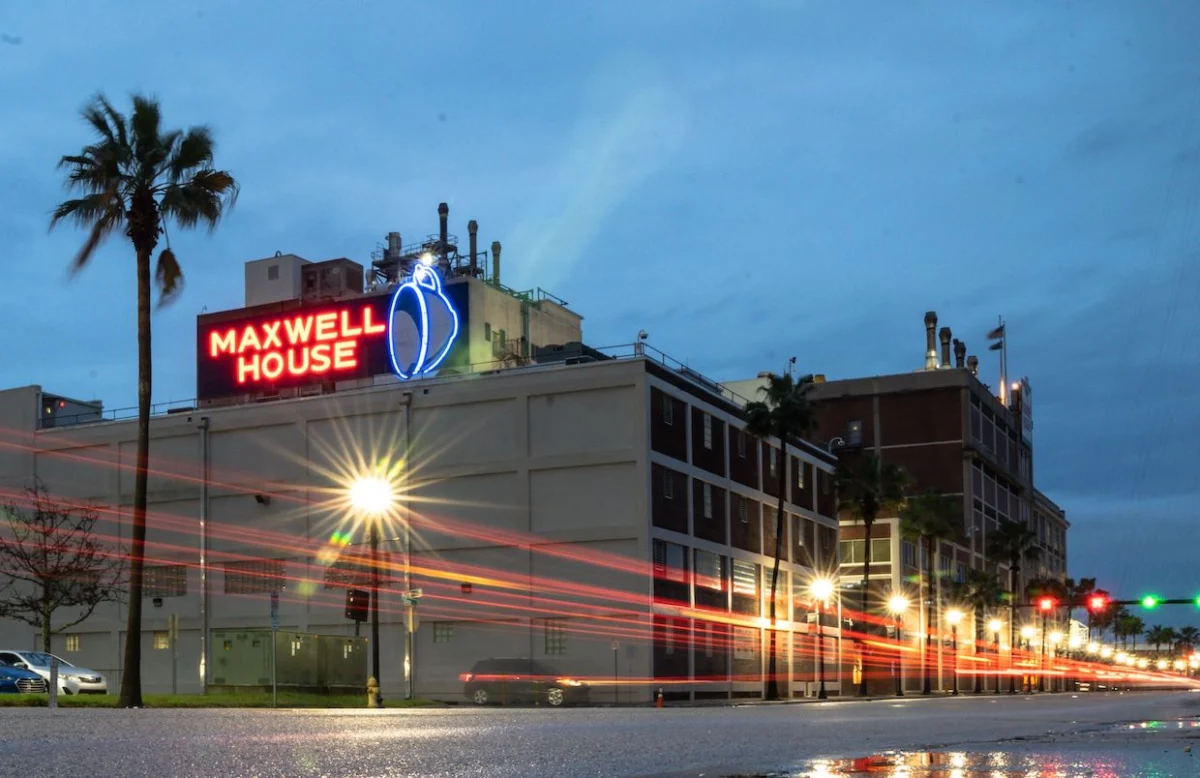
Food and beverage conglomerate Kraft Heinz has agreed to divest its North American coffee business, a portfolio encompassing iconic brands such as Maxwell House and Gevalia, to private equity firm One Rock Capital Partners for a substantial sum of $650 million. This significant transaction marks a strategic pivot for Kraft Heinz, signaling a move away from a long-held core business segment that has been integral to its corporate lineage for decades. The deal, announced on November 4, 2026, is slated for completion by mid-2027, pending regulatory approvals and customary closing conditions.
Strategic Realignment and Financial Prudence
The divestiture is a key component of Kraft Heinz’s broader strategic realignments, aimed at streamlining its operations and fortifying its financial position. As part of the agreement, Kraft Heinz will retain a 30% non-controlling ownership stake in the newly independent coffee entity. This partial ownership allows the company to participate in the future growth of the coffee business while also securing immediate capital. Kraft Heinz anticipates receiving approximately $500 million in net cash proceeds after accounting for taxes, funds that are earmarked for debt reduction. This move aligns with the company’s stated commitment to deleveraging its balance sheet and enhancing financial flexibility in an increasingly competitive market.
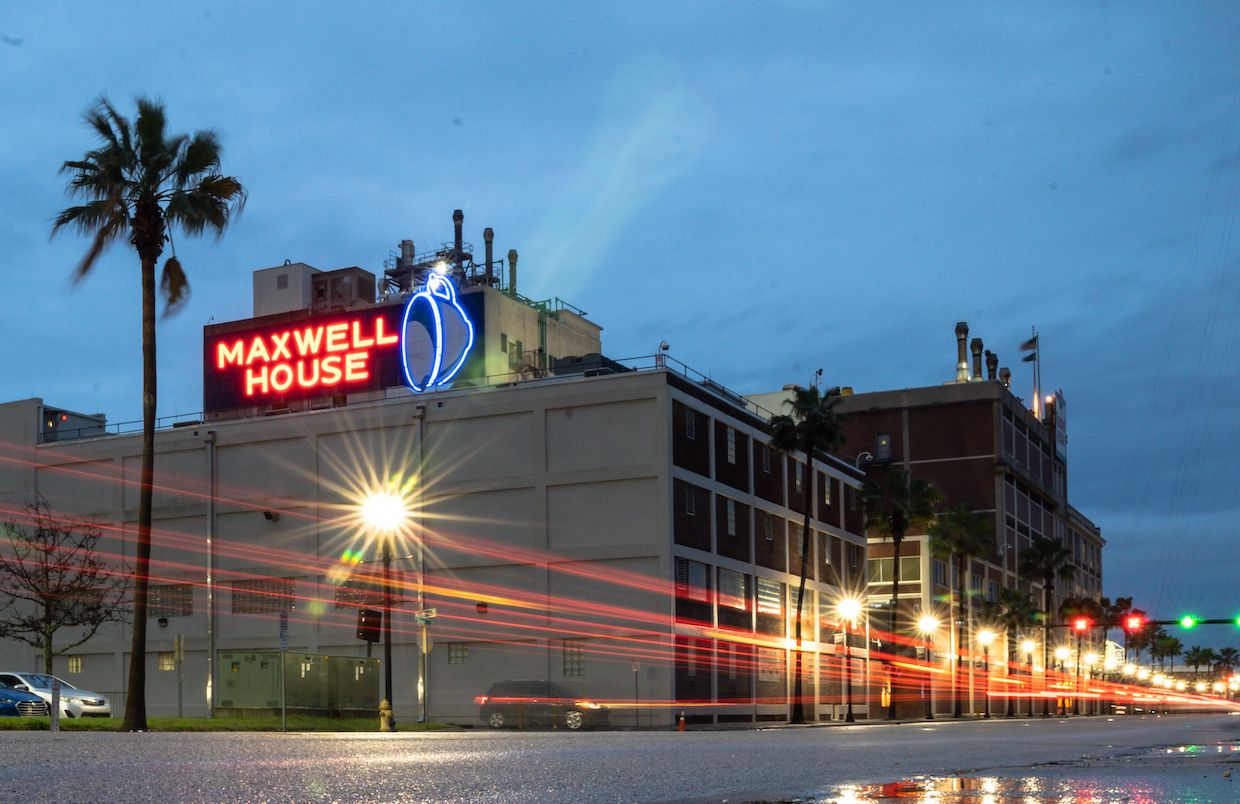
The sale encompasses a robust collection of well-established coffee brands, including Maxwell House, Gevalia, Nabob, Yuban, Tassimo, Ethical Bean, and Sanka. These brands represent a significant footprint in the North American coffee market, catering to a diverse range of consumer preferences and price points. Accompanying the brand portfolio are two key manufacturing facilities: one located in Jacksonville, Florida, and another in Vancouver, British Columbia. These operational assets are crucial for maintaining the production and supply chain integrity of the divested business.
Approximately 250 full-time employees across various departments, including manufacturing, sales, marketing, finance, human resources, and research and development, are expected to transition to One Rock Capital Partners as part of the acquisition. This transition aims to ensure continuity in operations and leverage the existing expertise within the coffee division.
A Deep Dive into the Divested Brands and Their Heritage
The sale of these coffee brands represents the culmination of a long and complex history that stretches back to the origins of some of America’s most recognizable food and beverage products. Maxwell House, in particular, boasts a heritage that dates back to the late 19th century. Originally a product of General Foods Corporation, Maxwell House became synonymous with quality coffee for generations of American consumers. The integration of General Foods into Kraft in 1989, under the then-parent company Philip Morris, brought Maxwell House under the Kraft umbrella. Following the 2012 separation of Kraft Foods Group from what would become Mondelēz International, the coffee business remained a significant part of Kraft Foods Group. The subsequent merger of Kraft and H.J. Heinz in 2015 created the current Kraft Heinz entity, consolidating these storied brands.
The acquisition of Ethical Bean Coffee in 2018 marked Kraft Heinz’s expansion into the specialty coffee segment. Ethical Bean, a Vancouver-based roaster established in 2003, was recognized for its commitment to Fairtrade and organic certifications. This move demonstrated Kraft Heinz’s intention to diversify its coffee offerings and tap into the growing market for ethically sourced and premium coffee products. However, the recent divestiture suggests a strategic refocusing, prioritizing core business areas over broader market diversification in the coffee sector.
One Rock Capital Partners: A Strategic Acquirer
One Rock Capital Partners is a private equity firm with a demonstrated track record in acquiring and restructuring businesses, particularly through corporate divestitures. The firm’s investment strategy often involves identifying companies with strong underlying fundamentals that can benefit from specialized operational expertise and strategic investment. This approach is exemplified by their previous acquisition of Nestlé’s North American bottled water business in 2021, a deal that involved a similar divestiture from a large multinational corporation.
Tony W. Lee, Managing Partner at One Rock Capital Partners, expressed enthusiasm for the acquisition, stating, "We intend to accelerate investment across the brand portfolio to drive growth and innovation, enhance the consumer experience, and strengthen relationships with retail partners." This statement indicates a clear intention to actively manage and grow the acquired coffee business, focusing on product development, consumer engagement, and solidifying its position within the retail landscape. One Rock’s expertise in operational improvements and strategic growth initiatives is expected to be a key driver in unlocking the full potential of these legacy coffee brands.
Market Context and Broader Implications
The sale of Kraft Heinz’s North American coffee business occurs against a backdrop of continued volatility in the global green coffee markets. Fluctuations in commodity prices, geopolitical factors, and climate change impacts on coffee-producing regions have created a challenging operating environment for coffee companies. In its 2025 financial results, Kraft Heinz itself acknowledged the impact of higher coffee costs, which contributed to increased consumer prices and, concurrently, declining coffee sales volumes. This financial reporting highlights the economic pressures within the coffee industry and underscores the strategic rationale behind Kraft Heinz’s decision to exit this segment.
The transaction also follows a period of internal strategic re-evaluation for Kraft Heinz. In September 2025, the company announced plans to split into two publicly traded entities, a move that was subsequently paused in February 2026. This pause, coupled with the current divestiture, suggests a strategic recalibration aimed at optimizing the company’s structure and market focus. By shedding the coffee division, Kraft Heinz can concentrate its resources and management attention on its core food and beverage categories, such as condiments, sauces, and packaged foods, where it holds significant market share and brand recognition.
The long-term implications of this divestiture are multifaceted. For Kraft Heinz, it represents a significant step in its ongoing transformation, allowing for a more focused approach to its most profitable and strategically aligned business segments. The company can now direct capital and management bandwidth towards innovation and growth within its remaining portfolio, potentially leading to enhanced shareholder value.
For One Rock Capital Partners, the acquisition presents an opportunity to revitalize and grow a portfolio of well-known coffee brands. The firm’s strategic focus on operational enhancement and targeted investment could breathe new life into these established names, potentially leading to increased market share and profitability. The success of this venture will depend on One Rock’s ability to navigate the complexities of the coffee market, including fluctuating commodity prices, evolving consumer preferences, and intense competition.
For consumers, the immediate impact may be minimal, as the brands are expected to continue their availability in the market. However, the long-term implications could manifest in product innovation, pricing strategies, and the overall consumer experience as One Rock implements its strategic vision. The continued presence of Ethical Bean, with its emphasis on sustainability and ethical sourcing, will be particularly watched by consumers who prioritize these values in their purchasing decisions.
The divestiture also signifies a broader trend within the food and beverage industry, where large conglomerates are increasingly opting to divest non-core assets to sharpen their strategic focus and improve financial performance. This move by Kraft Heinz is a testament to the evolving landscape of corporate strategy, emphasizing agility and specialization in an increasingly dynamic global market. The sale of its North American coffee business is not merely a financial transaction; it is a strategic repositioning that reflects the company’s commitment to a more focused and resilient future.
