

Jodi Ettenberg, a former corporate attorney turned prominent travel advocate and author, has recently reported the recovery of a significant digital archive stolen during a burglary in Brooklyn nearly 15 years ago. This development coincides with Ettenberg’s ongoing public discourse regarding "living grief"—a psychological state associated with chronic illness and the loss of physical function. The recovery of these files, which include documentation of her early career as a pioneer in the travel blogging industry and personal family records, provides a rare point of resolution in a narrative otherwise defined by the "ambiguous loss" of long-term disability.
The 2010 Brooklyn Burglary and Digital Vulnerability
The genesis of this story traces back to 2010, during the early years of Ettenberg’s career shift from law to digital journalism. While meeting colleagues in Brooklyn, Ettenberg’s residence was targeted in a burglary. The perpetrator absconded with a laptop, camera equipment, and, most critically, all external hard drives containing the primary and backup copies of Ettenberg’s photography from 2008 to 2010.
During this period, cloud storage was not yet the industry standard for high-resolution photography. The loss was total, encompassing the entirety of her "round-the-world" expedition—a trip that served as the foundational content for her platform, Legal Nomads. Despite a public plea issued in 2010, which garnered significant attention within the travel media community, the hardware remained missing for over a decade.
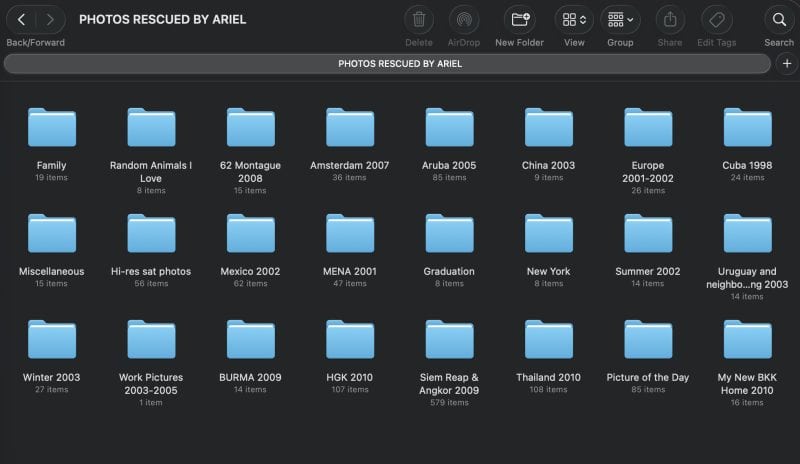
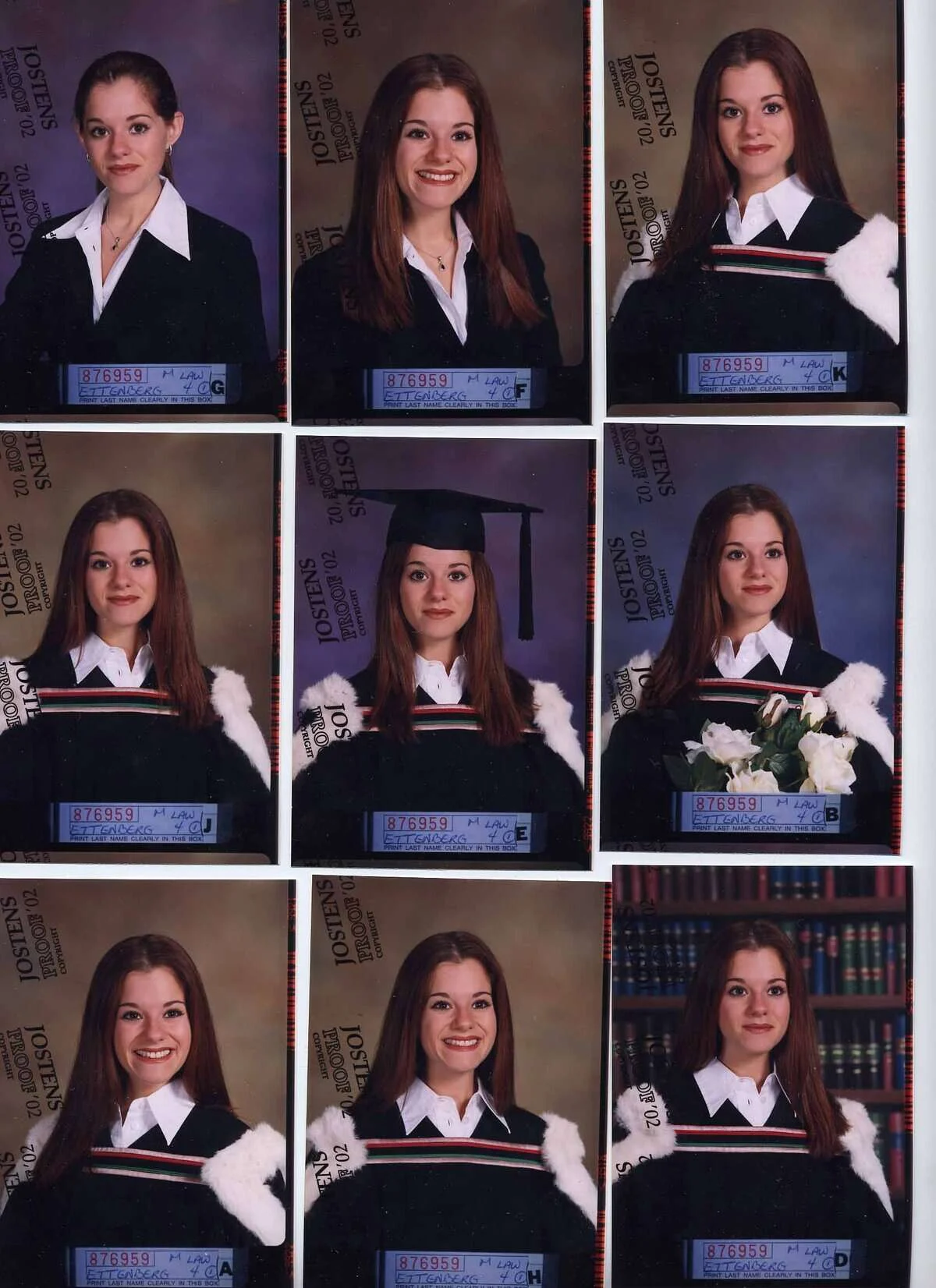
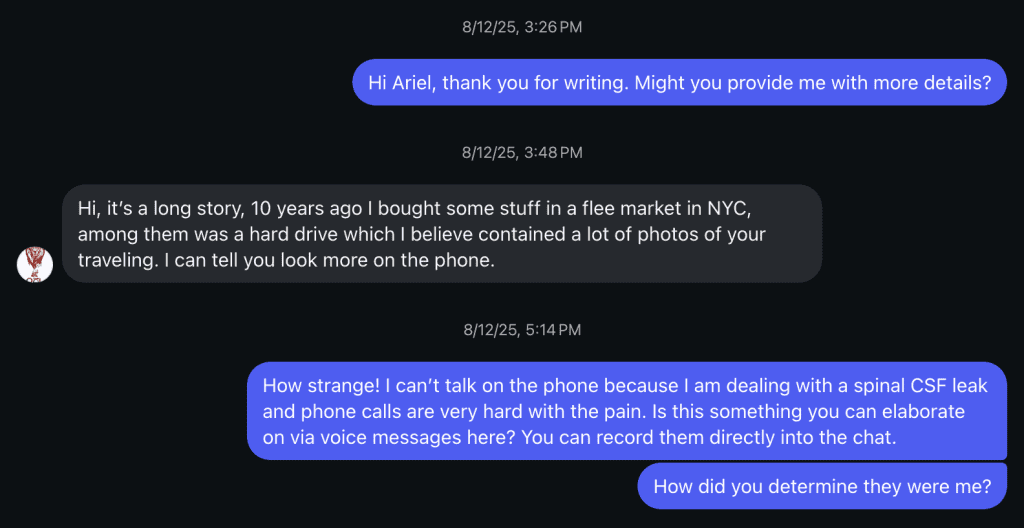
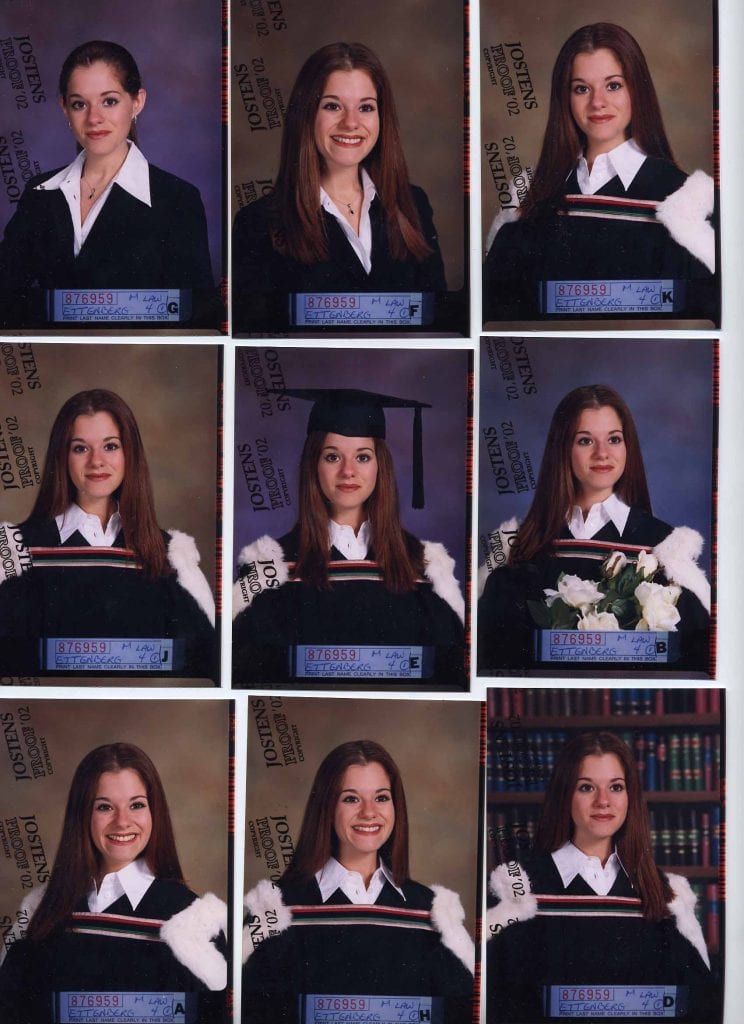
The recovery of these materials was facilitated by Ariel, a New York-based filmmaker. Ariel reportedly purchased several used external hard drives at a Brooklyn flea market approximately ten years ago. Upon discovering the drives were populated with personal data, he chose to archive the contents rather than reformat them immediately, hoping to eventually identify the owner. In August 2023, utilizing graduation photos labeled with Ettenberg’s surname, he conducted a digital search and successfully contacted her via social media.
A Chronology of Physical Trauma and Medical Challenges
The restoration of Ettenberg’s digital history stands in stark contrast to her physical trajectory, which has been marked by a series of traumatic events and chronic medical complications.
The Childhood Foundation (1980s)
Ettenberg’s medical history includes a formative traumatic event during her childhood in Montreal. At age six, she suffered a fall from a high-altitude playground structure after an altercation with another child. The fall onto a cement surface resulted in a fractured rib and acute spinal trauma. While she recovered sufficiently to lead an active adult life, including a tradition of annual mountain climbs, medical experts suggest this early injury may have predisposed her to future spinal vulnerabilities.

The 2017 Lumbar Puncture and Spinal CSF Leak
In August 2017, one week after her birthday, Ettenberg underwent a medical procedure in New York City that resulted in a dural tear. This led to a spontaneous spinal cerebrospinal fluid (CSF) leak. A CSF leak occurs when the clear fluid that cushions the brain and spinal cord escapes through a hole or tear in the dura mater, the outermost layer of the meninges.
The condition is characterized by an "orthostatic headache," which intensifies when the patient is upright and lessens when lying flat. For Ettenberg, the leak proved refractory to standard treatments. Since 2017, she has remained largely bedbound, experiencing a profound loss of mobility and a cessation of the global travel that defined her professional identity.
Analytical Framework: The Concept of Living Grief
Ettenberg has utilized her platform to analyze the sociological and psychological implications of chronic illness, specifically through the lens of "living grief." This concept, derived from Pauline Boss’s 1999 work Ambiguous Loss: Learning to Live with Unresolved Grief, describes a state where a loss remains unclear and lacks the finality of death.

Living Grief vs. Bereavement
In a journalistic analysis of Ettenberg’s writings, several key distinctions between bereavement and living grief emerge:
- Finality: Death offers a definitive point of closure, whereas chronic illness involves a "present-absent" state where the individual remains but their functions and roles have vanished.
- Societal Rituals: Bereavement is supported by established cultural rituals (funerals, mourning periods). Living grief lacks these structures, often leading to social isolation or "ghosting" by peers who struggle to reconcile with a non-linear recovery.
- Validation: Bereavement grief is universally validated. In contrast, patients with "invisible illnesses" like CSF leaks often face skepticism or "patient-blaming," where their lack of progress is attributed to a lack of will rather than biological reality.
Data from the American Psychological Association suggests that individuals with chronic, life-altering disabilities often undergo a grieving process for their "former selves" that is identical in intensity to the loss of a loved one. However, the lack of a "unified expectation of progress" in chronic cases often leads to a disconnect between the patient and an able-bodied society focused on quantifiable recovery.

Supporting Data: The Impact of Chronic Spinal Conditions
The medical context of Ettenberg’s condition highlights a broader issue within the healthcare system regarding rare or underdiagnosed spinal issues.
| Category | Statistic/Fact |
|---|---|
| Incidence of Spinal CSF Leaks | Estimated at 5 per 100,000 people annually. |
| Misdiagnosis Rate | Frequently misdiagnosed as migraine, tension headache, or POTS (Postural Orthostatic Tachycardia Syndrome). |
| Treatment Success | While many leaks respond to an epidural blood patch, a significant percentage of patients with underlying connective tissue disorders (such as Ehlers-Danlos Syndrome) require multiple interventions or remain unsealed. |
| Economic Impact | Long-term disability from CSF leaks results in a total loss of earning capacity for approximately 30-40% of chronic sufferers. |
Ettenberg has noted that her genetic makeup—including hypermobility issues—contributed to the difficulty in sealing her 2017 leak. This intersection of genetics and acute trauma represents a complex challenge for neurology and neurosurgery.
Official Responses and Community Impact
While there are no official statements from the New York Police Department regarding the 2010 or 2017 burglaries (the latter of which occurred simultaneously with her medical procedure), the response from the digital and medical communities has been significant.
Ettenberg has co-authored medical papers and engaged in advocacy to increase awareness of spinal CSF leaks. Her transition from travel blogger to "patient-advocate" has been cited by healthcare professionals as a vital bridge between clinical data and patient experience. The return of her 2010 archives has been met with widespread support from the "Original Gangster" (OG) travel blogging community, many of whom had contributed their own photos in 2010 to help Ettenberg reconstruct her lost history.

Broader Implications and Future Outlook
The recovery of Ettenberg’s digital legacy serves as a case study in the intersection of technology, ethics, and human resilience. It underscores the enduring nature of digital data and the impact of individual ethical choices, such as those made by the filmmaker Ariel.

However, the broader implication of Ettenberg’s narrative remains focused on the reality of long-term disability. As she enters her late 40s, the "birthday mountains" she once climbed have been replaced by a "new birthday tradition" necessitated by her physical limits. The "pothole" of her health, to use her own metaphor, cannot simply be paved over; it requires a fundamental restructuring of identity.
The journalistic significance of this story lies in its refusal to offer a "miracle cure" trope. Instead, it provides an objective look at how an individual navigates the permanent "void" of disability. The return of the photos does not fix the spinal leak, nor does it restore the ability to travel. It does, however, provide a documented link to a "former self," offering a rare moment of clarity in the ongoing ambiguity of living grief.
In conclusion, the case of Jodi Ettenberg highlights the necessity for better societal tools to support the disabled and those experiencing living grief. While digital memories can be recovered through serendipity and the kindness of strangers, the physical and psychological toll of chronic illness remains a systemic challenge that requires ongoing advocacy, medical evolution, and a more nuanced cultural understanding of loss.
