

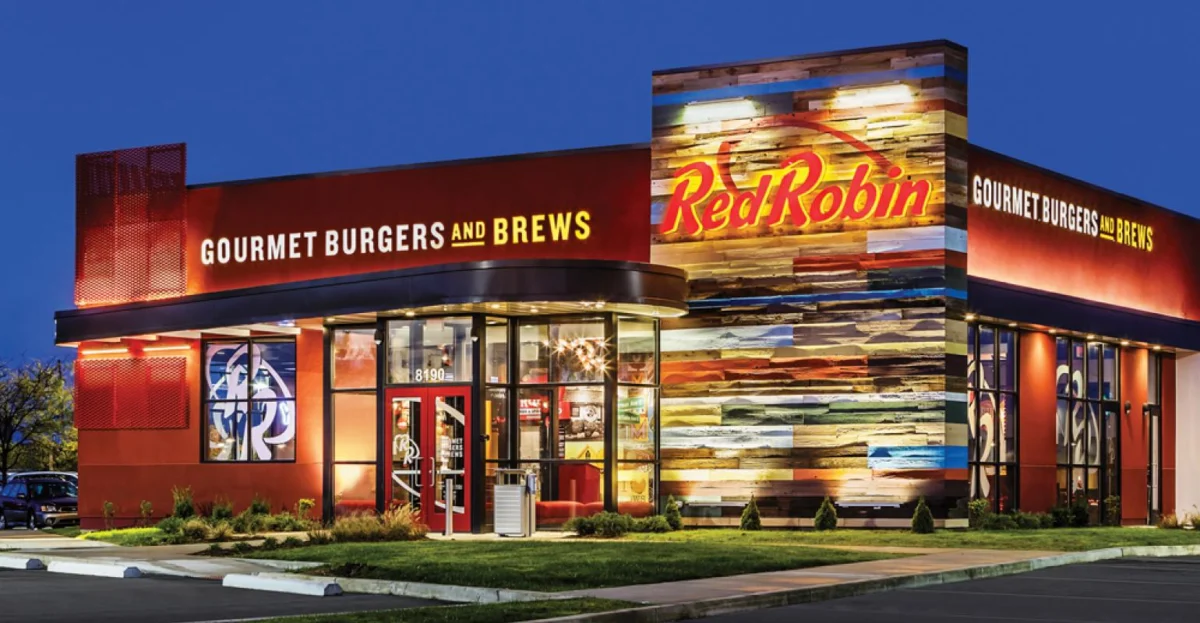
Red Robin is demonstrating a significant turnaround, with preliminary third-quarter same-store sales showing a robust increase of 3.9% year over year. This marks the casual-dining chain’s strongest performance in this key metric since the first quarter of 2023 and represents its second consecutive quarter of positive comparable sales growth. The encouraging results, which concluded on October 4th, suggest that the company’s strategic initiatives are beginning to resonate with consumers.
While overall customer traffic saw a slight decline of 1.7% during the quarter, this was effectively offset by a substantial 5.6% increase in average check size. This indicates that while fewer customers may be dining at Red Robin, those who are are spending more per visit. This dynamic is a critical component of a healthy restaurant recovery, demonstrating an ability to extract greater value from each patron.
The "Big Yummm" Strategy: A Key Driver of Success
The success in the third quarter is largely attributed to the widespread adoption and appeal of Red Robin’s "Big Yummm" value meals. According to CEO David Pace, these offerings have provided consumers with an "accessible entry point" to the brand. The "Big Yummm" meals, which include an entrée, bottomless fries, and a drink, are priced competitively starting at $9.99. This focus on value appears to be a critical factor in attracting and retaining customers in a price-sensitive market.
These value-oriented meal bundles are not an isolated campaign but a cornerstone of Red Robin’s comprehensive "First Choice" turnaround plan, initiated in July of the previous year. This ambitious strategy is multifaceted, aiming to revitalize both the operational performance of individual restaurants and the overall financial health of the company. The emphasis on value, coupled with operational efficiencies and targeted marketing, forms the core of this recovery effort.
Financial Maneuvers and Delayed Earnings Report
The preliminary sales figures were released by the Englewood, Colorado-based company on a Tuesday, alongside an announcement that its full third-quarter earnings release has been postponed to November 18th. The original earnings announcement was scheduled for the following day.
This delay, according to Red Robin, is a direct result of a significant volume of financial activity undertaken during the third quarter. The company successfully completed three refranchising deals, which involved the transfer of ownership of 108 company-owned restaurants to franchisees. Concurrently, Red Robin also refinanced its credit facility. These complex transactions necessitate additional time for the company to finalize its financial statements, ensuring accuracy and completeness. Red Robin has explicitly stated that this rescheduling is not indicative of any adverse changes in its financial condition or operating performance.
Background and Context: The Road to Recovery
Red Robin has faced considerable challenges in recent years, mirroring the broader difficulties experienced by many casual-dining establishments. Factors such as increased competition, evolving consumer preferences, rising labor costs, and the lingering impact of the COVID-19 pandemic have all contributed to a demanding operating environment. The "First Choice" plan represents a strategic pivot designed to address these headwinds head-on.
The refranchising initiative, in particular, is a significant aspect of Red Robin’s strategy. By divesting company-owned locations to franchisees, the company can reduce its direct operational burden and capital expenditures, thereby improving its balance sheet and freeing up resources to focus on core brand initiatives and strategic growth areas. Refranchising often allows for faster expansion and can bring local market expertise to individual units. The sale of 108 restaurants represents a substantial portion of the company’s portfolio, signaling a commitment to a leaner, more franchisor-focused operational model.
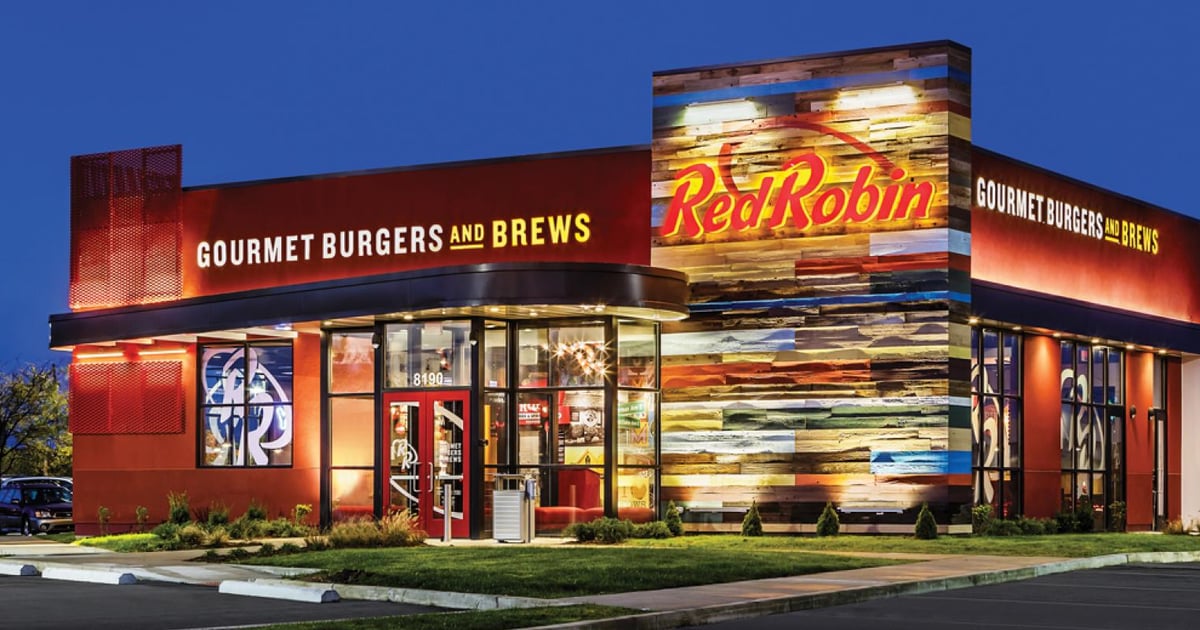
The refinancing of its credit facility is another crucial financial maneuver. This typically involves securing new debt with more favorable terms, such as lower interest rates or extended repayment periods. Such actions can significantly reduce a company’s interest expense, improving profitability and providing greater financial flexibility. This move suggests that Red Robin has successfully demonstrated improved financial health and future prospects to its lenders, enabling it to renegotiate its debt obligations.
Analysis of Implications: Shifting Towards a Franchise-Centric Model
The combination of strong same-store sales and significant refranchising activity points to a strategic shift for Red Robin. The company appears to be moving towards a more asset-light, franchise-centric model. This approach can offer several advantages:
- Reduced Capital Investment: Franchisees typically bear the cost of opening and operating new restaurants, reducing the capital burden on the parent company.
- Increased Franchisee Motivation: Franchisees have a direct financial stake in the success of their restaurants, often leading to greater operational focus and efficiency.
- Accelerated Growth Potential: Franchising can enable faster expansion into new markets and territories.
- Focus on Brand and Strategy: With fewer company-owned units to manage directly, Red Robin can concentrate more resources on brand development, marketing, menu innovation, and franchise support.
The positive same-store sales growth, particularly driven by value offerings, indicates that the core business remains resilient. The challenge for Red Robin will be to maintain this sales momentum while continuing to execute its strategic plan. The increase in average check size suggests that customers are willing to spend more when they do visit, perhaps due to improved menu offerings or the perception of better value.
Broader Industry Context: The Casual Dining Landscape
Red Robin’s performance is occurring within a dynamic casual-dining sector. Many chains are grappling with similar issues: attracting younger demographics, adapting to digital ordering and delivery trends, and managing rising operational costs. The success of value-driven promotions, as seen with Red Robin’s "Big Yummm" meals, highlights a prevailing consumer sentiment that prioritizes affordability without sacrificing quality or experience.
Companies like TGI Fridays, another player in the casual-dining space, have faced their own set of significant challenges, including recent lawsuits alleging self-dealing and mismanagement. This contrasts with Red Robin’s reported progress, though both companies operate in a competitive and often unforgiving market. The ability of Red Robin to show positive comparable sales and engage in significant financial restructuring suggests a potentially more stable trajectory compared to some of its struggling counterparts.
The delay in the earnings report, while explained by complex financial transactions, will likely be closely scrutinized by investors and analysts. The market’s reaction, with Red Robin stock down approximately 2.5% on Tuesday afternoon, reflects a degree of caution. However, this small dip could be a temporary reaction to the news of the delay, rather than a fundamental indictment of the company’s underlying performance, especially given the positive preliminary sales data.
Looking Ahead: Sustaining Momentum and Future Growth
The coming months will be critical for Red Robin as it aims to solidify its turnaround. The company will need to demonstrate that the positive trends observed in the third quarter are sustainable and not merely a short-term boost from specific promotions or the refranchising impact. Key areas to watch will include:
- Sustained Same-Store Sales Growth: Can Red Robin continue to achieve positive comparable sales growth in subsequent quarters?
- Traffic Trends: Will the company be able to reverse the slight decline in customer traffic, perhaps through enhanced marketing and in-restaurant experiences?
- Average Check Size Growth: Is the increase in average check size sustainable, or was it a one-time effect of specific menu item popularity?
- Refranchising Execution: How effectively will the company support its new franchisees and ensure consistent brand standards across the divested locations?
- Financial Health: What will the full financial statements reveal about the impact of the refranchising and refinancing on Red Robin’s profitability and debt levels?
The "First Choice" plan appears to be gaining traction, and the "Big Yummm" value meals have proven to be an effective tool for driving traffic and increasing sales. If Red Robin can successfully navigate the complexities of its financial restructuring and continue to execute its operational strategies, it may well be on a path to a more robust and sustainable future in the competitive casual-dining market. The company’s ability to adapt to changing consumer demands for value and experience will be paramount to its long-term success. The detailed financial report scheduled for November 18th will provide a more comprehensive picture of the company’s performance and outlook.
