

Since its inception in 1999, Hendrick’s Gin has occupied a singular position in the global spirits market. Produced by William Grant & Sons at the Girvan distillery in Scotland, the brand is widely credited with catalyzing the "ginnaissance," a period of renewed interest and innovation within the gin category. Central to this success is the brand’s Master Distiller, Lesley Gracie, whose experimental approach led to the creation of the "Cabinet of Curiosities." This series of limited-edition releases aims to push the boundaries of traditional gin profiles by introducing unconventional botanicals and essences. As of September 2024, the Hendrick’s portfolio has expanded significantly, prompting industry critics and enthusiasts to evaluate how these experimental variants compare to the original flagship product.
The Cabinet of Curiosities serves as a "liquid laboratory" for Gracie, allowing for the exploration of seasonal and thematic expressions. While some releases have been lauded for their complexity and balance, others have faced criticism for being overly niche or challenging to utilize in standard cocktail applications. An analysis of the full product line, ranging from the least successful to the definitive gold standard, provides insight into the evolution of contemporary gin and the shifting preferences of the modern consumer.
A Chronology of Innovation and Market Expansion
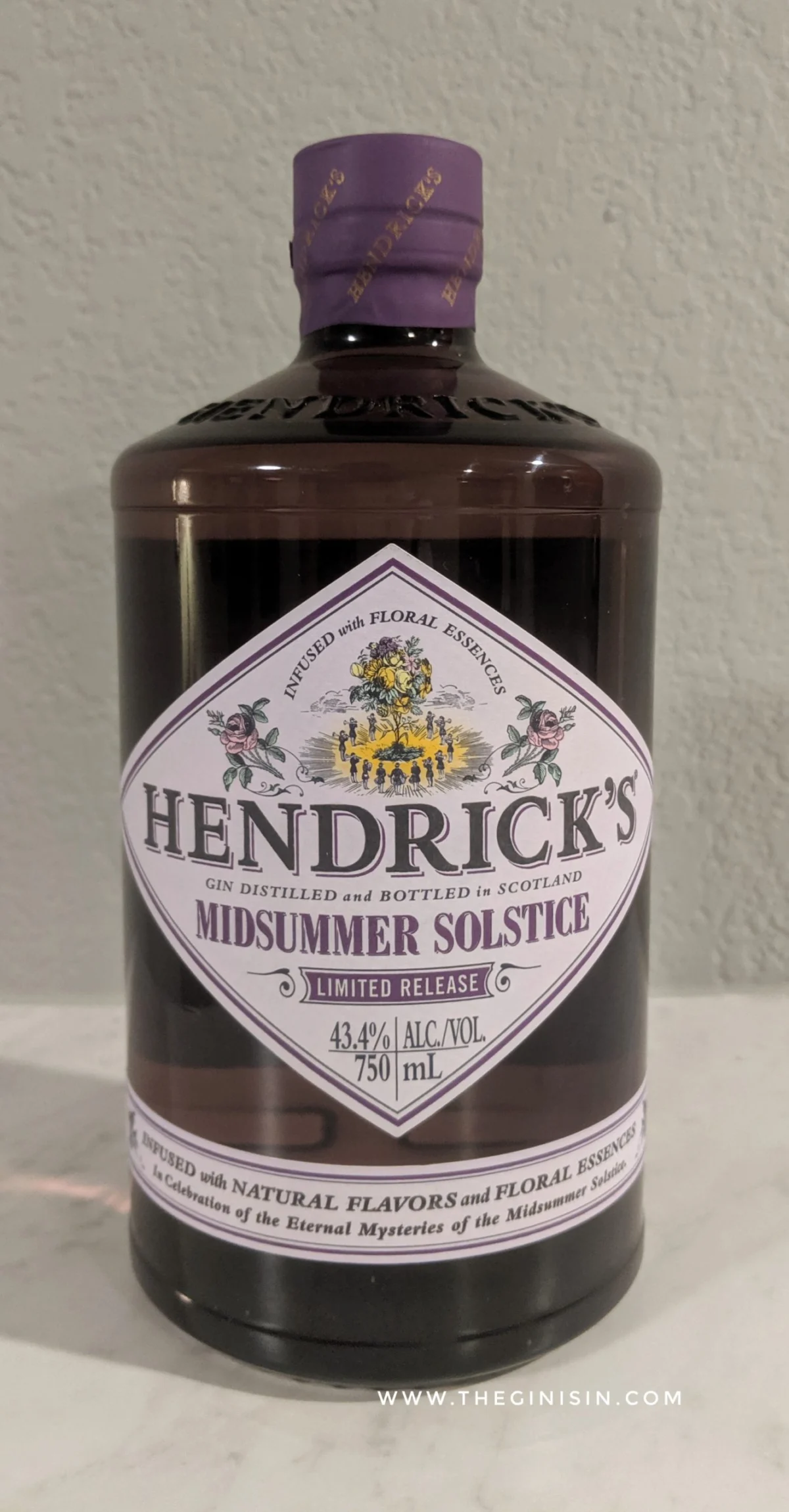
The timeline of Hendrick’s Gin is marked by a deliberate pace of innovation. Following the 1999 launch of the original Hendrick’s Gin, which famously introduced Bulgarian Rosa Damascena and specially selected cucumbers to the distillation process, the brand remained focused on its flagship for nearly two decades. It was not until 2017 that the brand began to diversify in earnest, starting with the release of Hendrick’s Orbium.
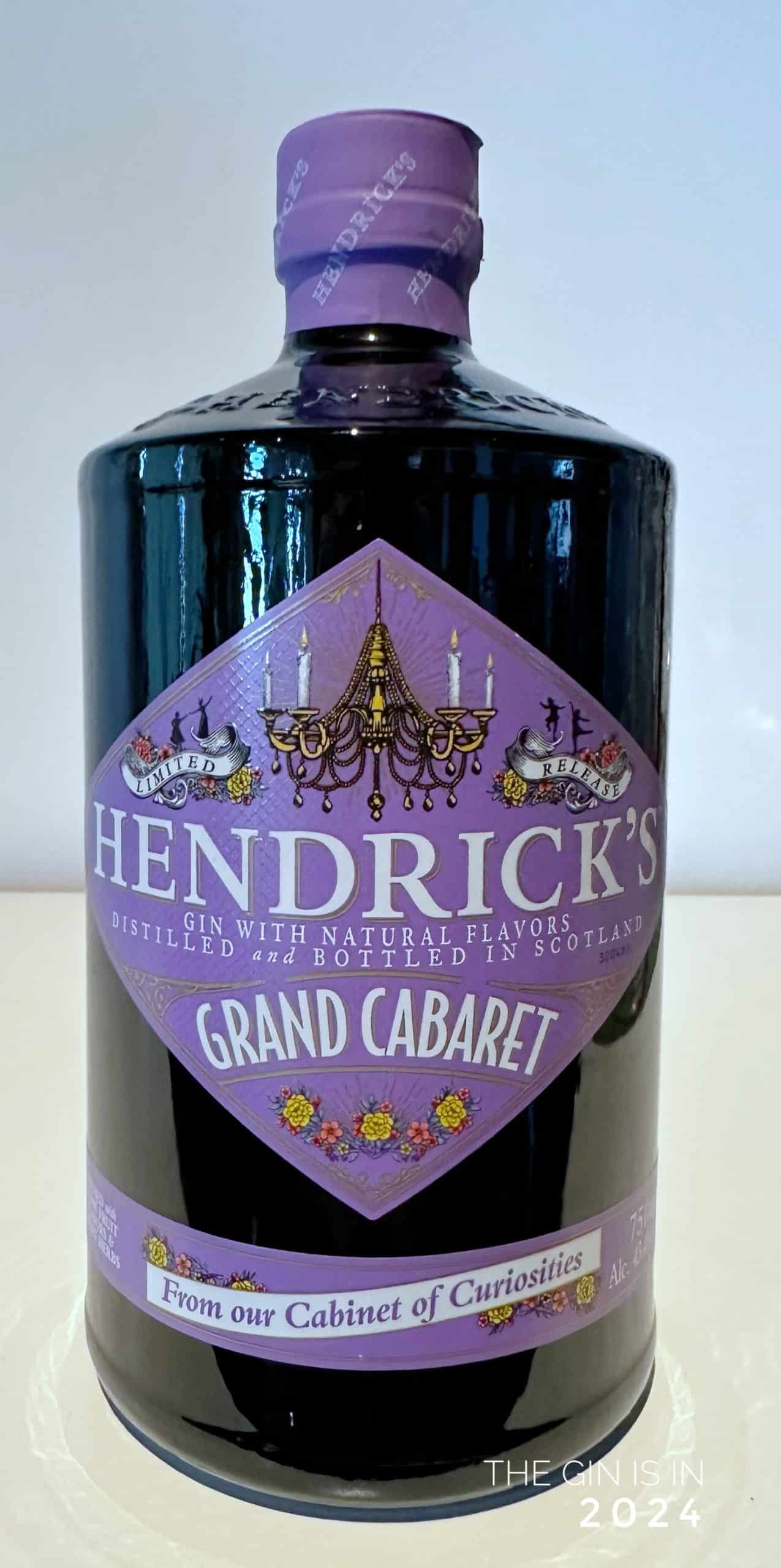
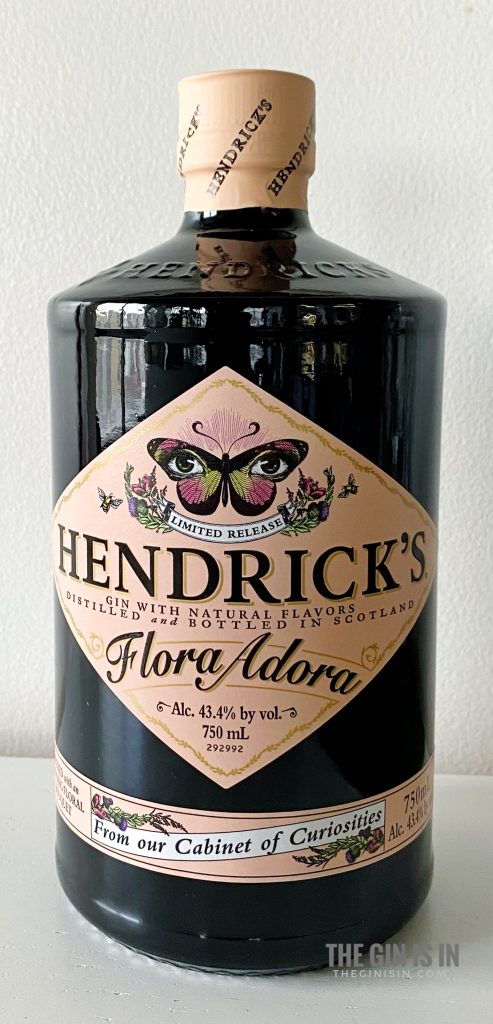
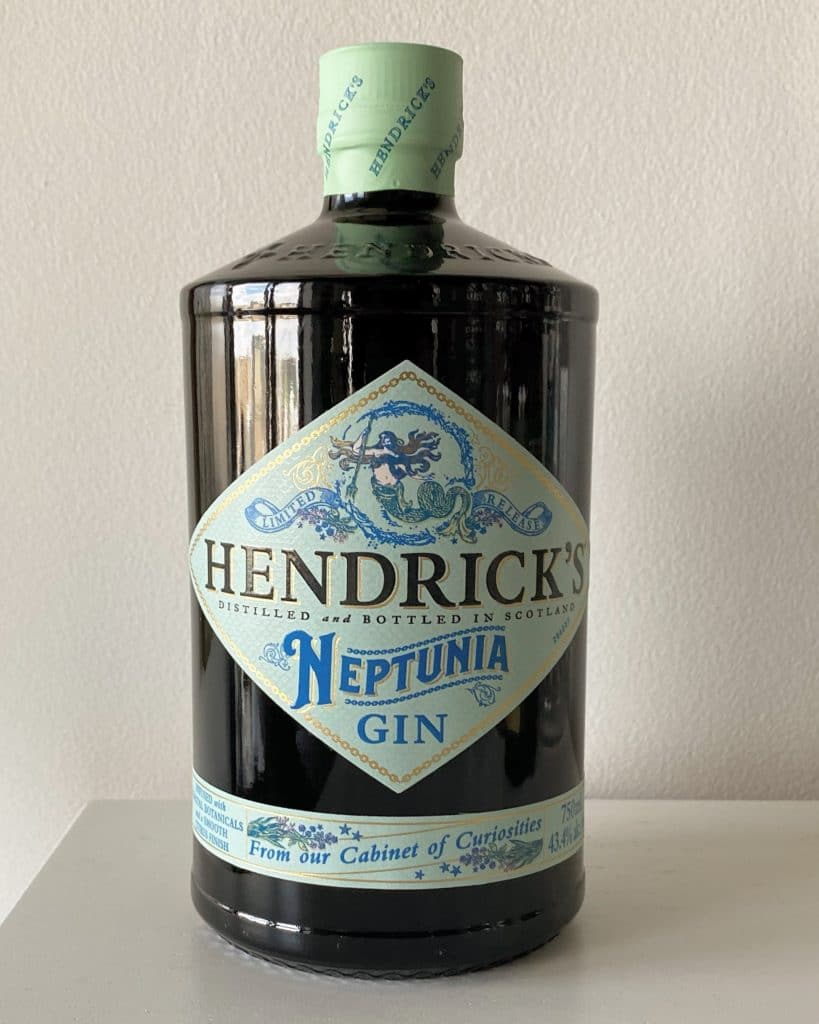
In 2019, the "Cabinet of Curiosities" was officially established with the launch of Midsummer Solstice. This was followed by Amazonia in 2020 (initially a Travel Retail exclusive), Lunar in 2021, Neptunia in 2022, Flora Adora in 2023, and most recently, Grand Cabaret in 2024. This steady cadence of releases has allowed Hendrick’s to maintain consumer interest in an increasingly crowded market, where "New Western" or "Contemporary" gins often forgo the heavy juniper focus of traditional London Dry gins in favor of floral, citrus, or savory notes.
The Ranking: Evaluating the Hendrick’s Portfolio
The following assessment ranks the current Hendrick’s lineup based on aromatic profile, palate balance, and versatility in mixology.
8. Hendrick’s Flora Adora (2023)
Introduced as a limited edition inspired by the pollinators of a garden, Flora Adora emphasizes floral botanicals including lavender, rose, and hibiscus. While the concept aligns with the brand’s "garden-fresh" identity, the execution has proven polarizing. Industry evaluations frequently describe the aroma as excessively potent, with dominant notes of honeysuckle and tuberose that can border on the medicinal or "soapy." On the palate, the inclusion of peach and vanilla attempts to soften the floral impact, but the intensity of the lavender and lilac often overwhelms the underlying juniper. Consequently, Flora Adora is viewed as a niche product, recommended primarily for collectors rather than general consumers, as its perfume-like qualities make it difficult to balance in traditional cocktails.
7. Hendrick’s Neptunia (2022)
Neptunia was designed to capture the essence of the Ayrshire coast, incorporating coastal botanicals and a "briny" finish. The gin represents Hendrick’s foray into the savory, Mediterranean-influenced gin trend. While it offers a distinct departure from the brand’s floral roots, critics have noted a lack of cohesion in its profile. The transition from heady citrus to a salty, herbal finish is described by some as "chaotic" or "cacophonous." While it appeals to fans of savory spirits, its salt-forward character makes it a challenging mixer for standard gin drinks, often requiring specific pairings like soda water with a sprig of thyme to truly shine.
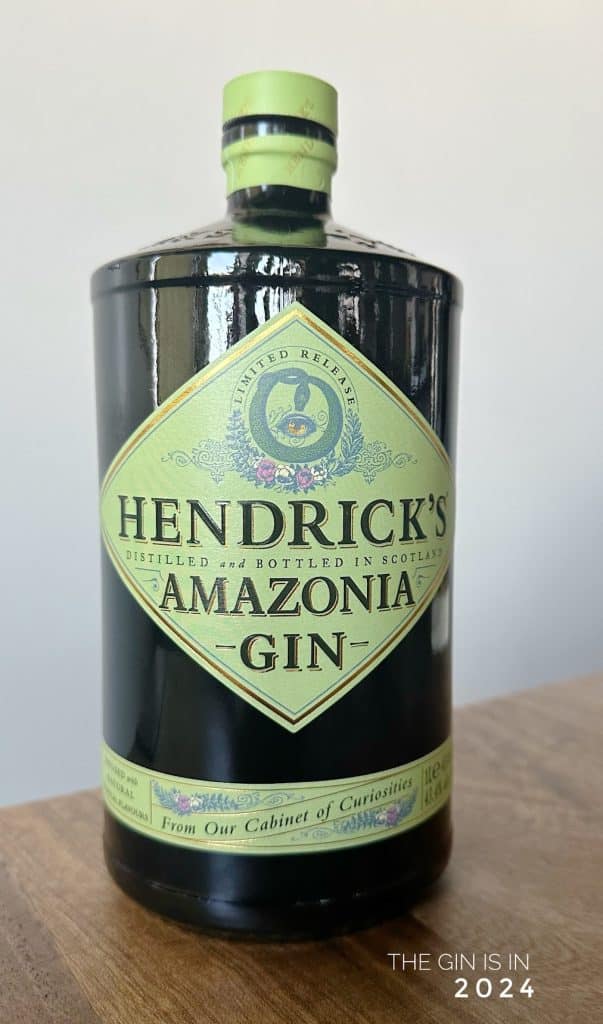
6. Hendrick’s Amazonia (2020)
Inspired by Lesley Gracie’s 2013 expedition to the Venezuelan rainforest, Amazonia features exotic botanicals such as tonka bean and pink peppercorn. Despite the pedigree of these ingredients, the final product leans heavily into tropical fruit notes. Analysts suggest that while the gin is a fun and unusual offering, its fruit-forward nature makes it feel more aligned with tiki-style beverages—such as a Piña Colada—than classic gin serves like the Negroni or Martini. Within the context of the Cabinet of Curiosities, other releases are generally considered to have handled the "fruit-heavy" profile with greater sophistication.
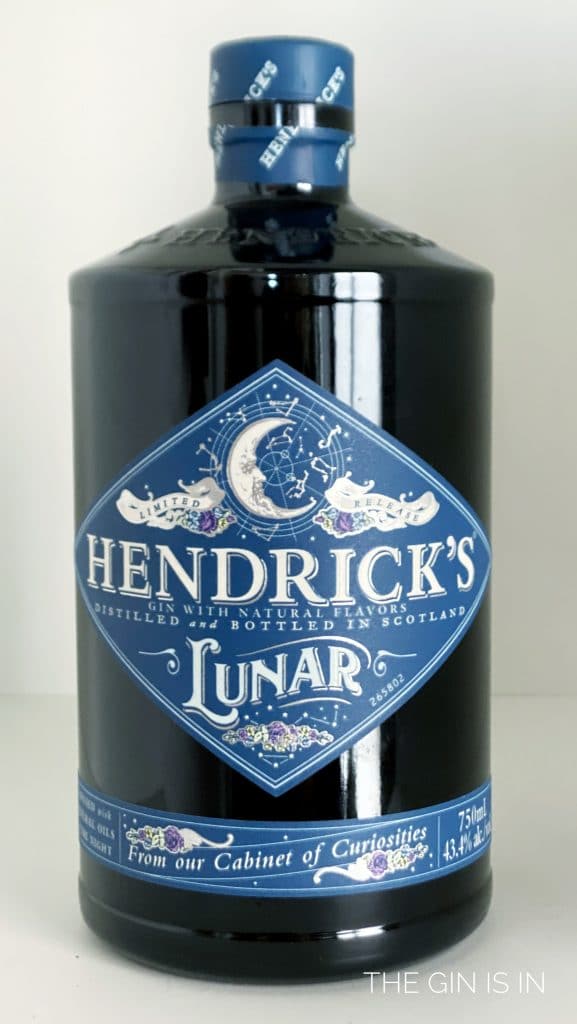
5. Hendrick’s Lunar (2021)
Lunar Gin was conceived as a "nocturnal" spirit, inspired by the ambiance of the Scottish coast under moonlight. It strikes a more effective balance than the previous entries, blending a moderate floral nose of violet and honeysuckle with a spicy heart of black peppercorns and coriander. Lunar is noted for its versatility; it retains enough of the traditional gin structure to work well in a Gin and Tonic or a Negroni, while offering a unique warmth that distinguishes it from the flagship. It serves as a bridge between the experimental and the classical.
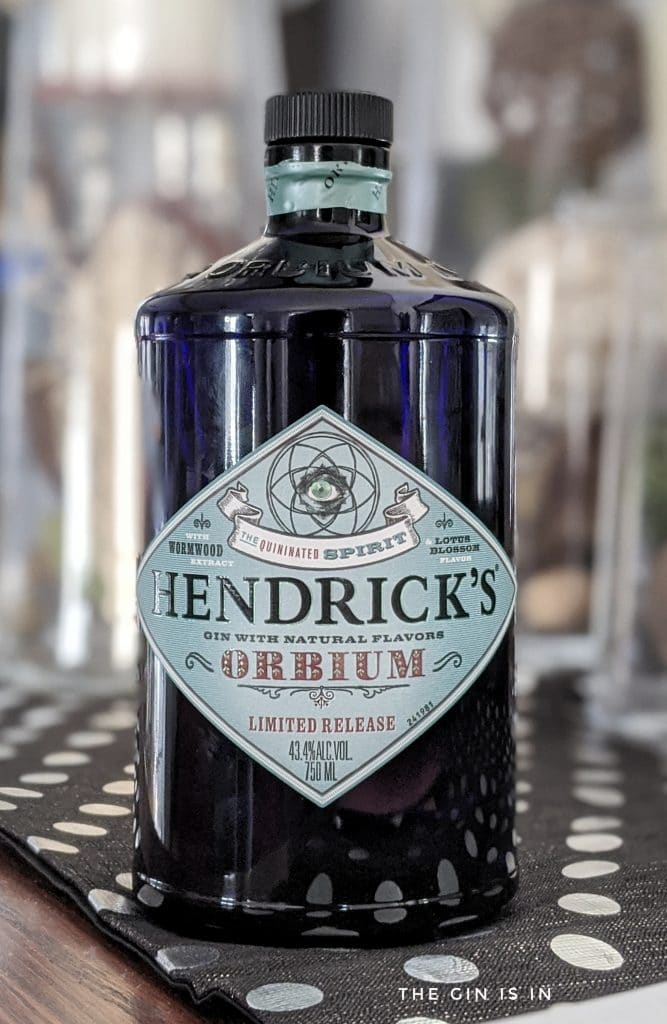
4. Hendrick’s Orbium (2017)
Orbium represents one of the most radical departures for the brand. By adding post-distillation essences of Lotus Blossom, Wormwood, and Quinine, Gracie created a "deconstructed" version of a Gin and Tonic within the spirit itself. The result is a deeply bitter, herbal, and floral gin that appeals to fans of complex, bitter flavors. While its overt bitterness makes it unsuitable for sweeter or fruity cocktails, it is highly regarded for its performance in "spirit-forward" drinks like the Martini, where its quinine and wormwood notes add an extra layer of botanical depth.
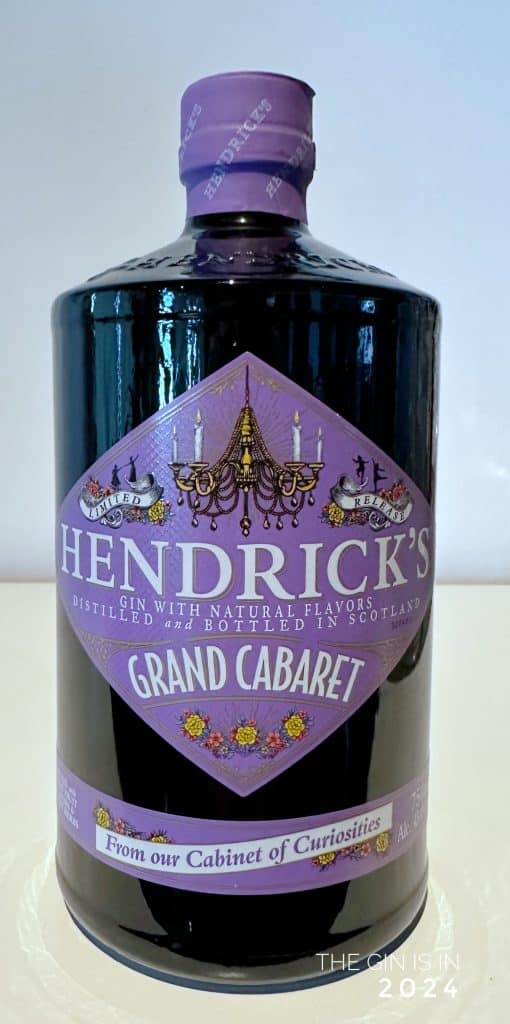
3. Hendrick’s Grand Cabaret (2024)
The most recent addition to the Cabinet, Grand Cabaret, draws inspiration from 17th-century French stone fruit distilling traditions. Focusing on apricots and mirabelle plums, this gin offers a vivid, honeyed fruit aroma that remains grounded by juniper and elderflower. Unlike the tropical notes of Amazonia, the stone fruit profile of Grand Cabaret feels more integrated into the gin’s structure. It is particularly effective in simpler serves, such as gin and lemonade, and represents a successful execution of a contemporary, fruit-forward style without sacrificing the elegance associated with the Hendrick’s name.
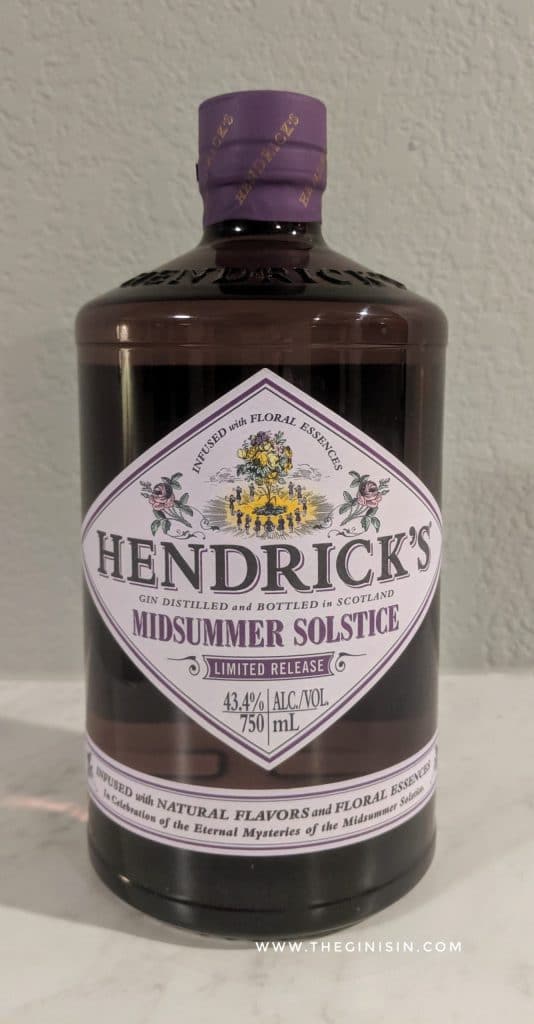
2. Hendrick’s Midsummer Solstice (2019)
As the inaugural release of the Cabinet of Curiosities, Midsummer Solstice remains a high-water mark for the series. It successfully captured the "Contemporary Gin" trend by emphasizing natural floral essences and fruit notes like raspberry and strawberry. Despite its sweetness, it maintains a crispness that allows it to function as an excellent alternative to "pink gins." It proved that a floral-forward gin could be both commercially successful and critically respected, offering a bright, accessible profile that appeals to a wide demographic of drinkers.
1. Hendrick’s Flagship (1999)
Twenty-five years after its debut, the original Hendrick’s Gin remains the pinnacle of the product line. Its success is rooted in a unique distillation process that utilizes two distinct stills: the Bennett, an antique copper pot still that produces a rich, complex spirit, and the Carter-Head, which produces a lighter, more delicate spirit via vapor infusion. The blending of these two distillates, followed by the infusion of rose and cucumber, created a flavor profile that was revolutionary in 1999 and remains iconic today. Its perfect balance of juniper, citrus, and floral notes ensures its status as a staple in both home bars and professional establishments worldwide.
Distillation Methodology and Technical Excellence
The technical proficiency behind Hendrick’s Gin is a critical factor in its longevity. The use of the Carter-Head still is particularly noteworthy; there are very few of these stills in operation globally. By suspending the botanicals in a basket atop the still, the alcohol vapor gently extracts the oils, resulting in a floral lightness that cannot be achieved through traditional boiling.
The Cabinet of Curiosities releases utilize this same dual-still foundation, with the "curiosities" added as post-distillation essences. This method ensures that the core DNA of Hendrick’s—the "roundness" provided by the Bennett and the "brightness" of the Carter-Head—is present in every variant, regardless of the experimental flavors added afterward.
Market Impact and Broader Implications
The expansion of the Hendrick’s line reflects broader trends in the global spirits industry, specifically the "premiumization" of gin. According to market data, consumers are increasingly seeking out limited-edition and craft-oriented spirits that offer a story or a unique sensory experience. By positioning these releases as "Curiosities," William Grant & Sons has successfully utilized a scarcity model to drive brand engagement.
Furthermore, the brand’s focus on non-traditional botanicals has paved the way for hundreds of other distilleries to experiment with local and exotic ingredients. Hendrick’s move away from the "London Dry" designation (which prohibits the addition of flavors after distillation) helped legitimize the "Distilled Gin" and "Contemporary Gin" categories in the eyes of international spirits competitions and regulatory bodies.
While not every experiment in the Cabinet of Curiosities has achieved universal acclaim, the project as a whole reinforces Hendrick’s status as a leader in innovation. The ranking of these gins underscores a fundamental truth in the spirits world: while novelty can drive initial interest, balance and versatility are the keys to enduring quality. The original Hendrick’s Gin remains the benchmark against which all its successors are measured, maintaining its position as a foundational spirit in the modern era of mixology.
